 Vietnamnet.vn

 Podcast



 Grey-sedge had grown wild for a long time in the border commune of Phu My in Kien Giang province until Khmer ethnic people turned them into eye-catching handicrafts.
 |
|
Grey-sedge is collected for making handicrafts |
 |
|
After being collected, grey-sedge leaves are dried beneath the sun |
 |
|
Dry grey-sedge leaves are put into a press, then classified upon their length |
 |
|
|
 |
|
Grey-sedge weaving is mostly practiced by Khmer women in Phu My commune, Giang Thanh district, Kien Giang province |
 |
|
Dry grey-sedge leaves are woven into large mats and dried outdoor again |
 |
|
Grey-sedge mats are cut and sewn into bags and hats |
 |
|
|
 |
|
Khmer women make grey-sedge handicrafts together in Phu My commune |
 |
|
A finished grey-sedge product |
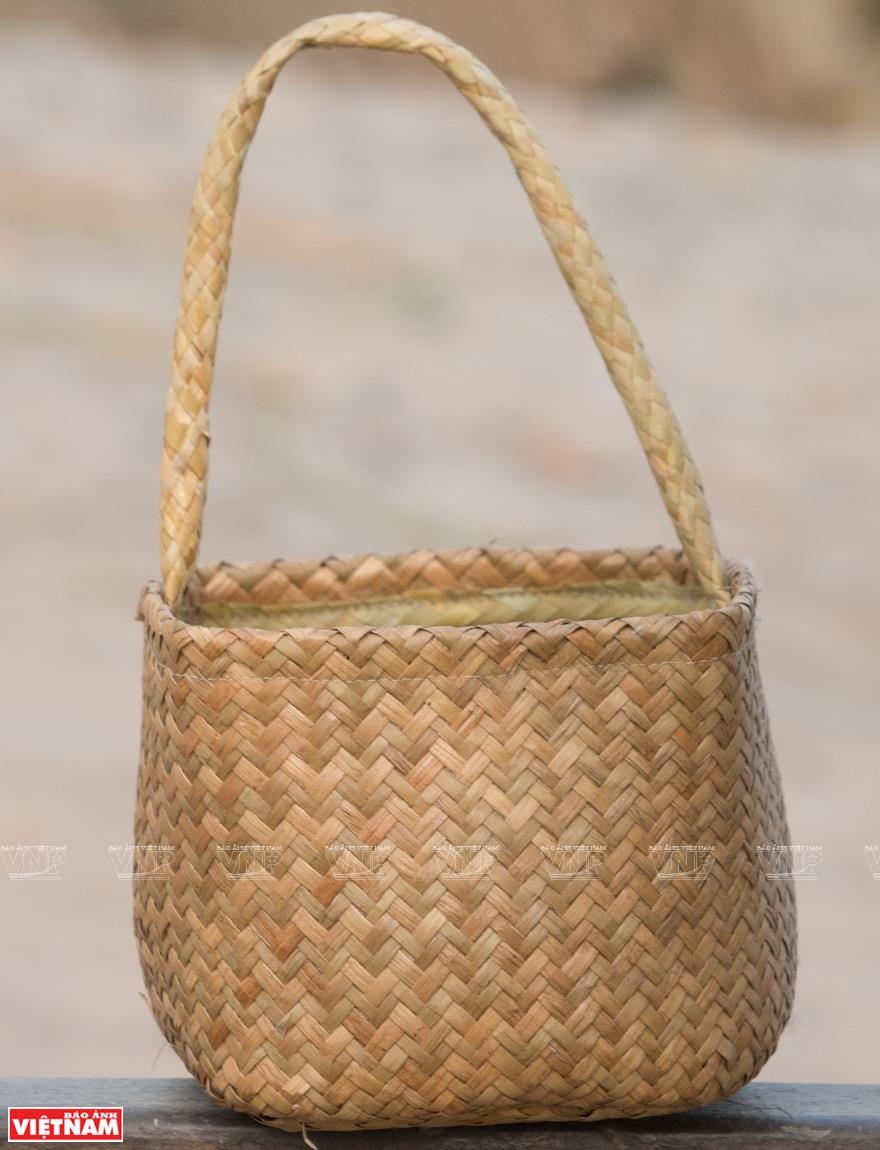 |
|
Grey-sedge products have been popular recently as they are environmentally friendly |
 |
|
Not only serving domestic demands, grey-sedge products have shown up in many foreign countries, such as Japan, China and European countries |
 |
|
Grey-sedge mat weaving has brought stable income for hundreds of local people, mostly Khmer ethnic women |
 |
|
|
 |
|
|
VNP/VNA
.svg)
