 Vietnamnet.vn

 Podcast



For more than 300 years, harvesting and processing mussels from the La River has been a source of livelihood for hundreds of households in Duc Minh Commune, Ha Tinh Province. Although the work depends heavily on water levels and weather, it continues to provide a stable income for many families.
From before dawn, the wharf along the La River in Duc Minh Commune is already alive with the roar of boat engines and people calling to one another as sacks of mussels are hauled ashore. Along the riverbank, fires blaze beneath steaming pots as some residents boil the mussels, others separate the meat from the shells, and others package the day's catch for shipment.
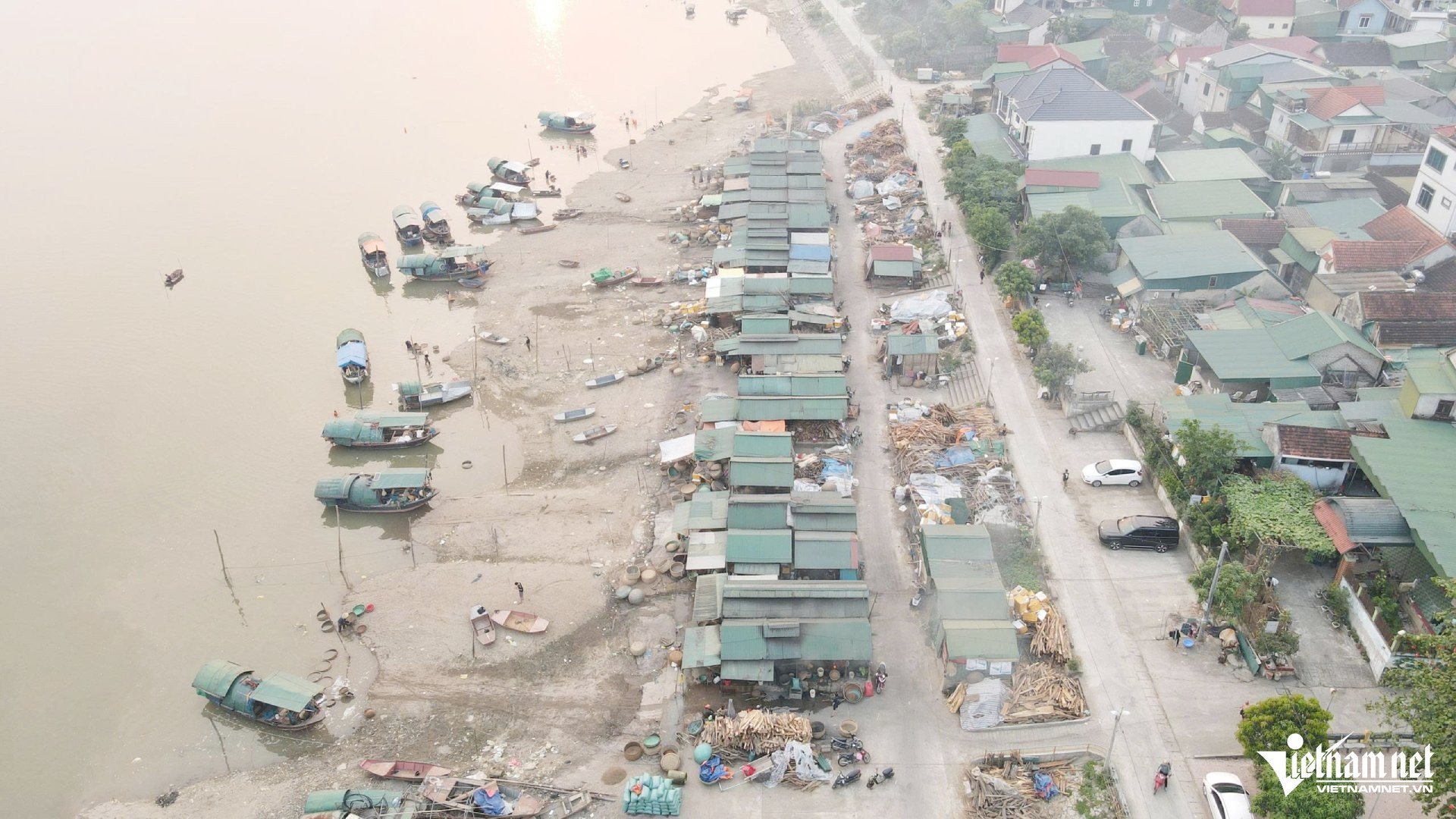
The rhythm of work has long been a familiar sight in Ben Hen Village. For hundreds of years, La River mussels have sustained generations of people living along the river.
According to local residents, harvesting and processing mussels has existed here for more than 300 years and has been passed down through generations. The mussel season runs from March to July, with the largest catches during the summer months.
Through generations of change, as many traditional trades have gradually disappeared, the mussel village has endured thanks to the La River's natural resources and skills handed down from one generation to the next.
Today, more than 120 households in Ben Hen Village make a living from harvesting mussels. Along roughly 400 meters of the La River bank, the processing area contains dozens of sturdy shelters measuring 3-5 sq m each.
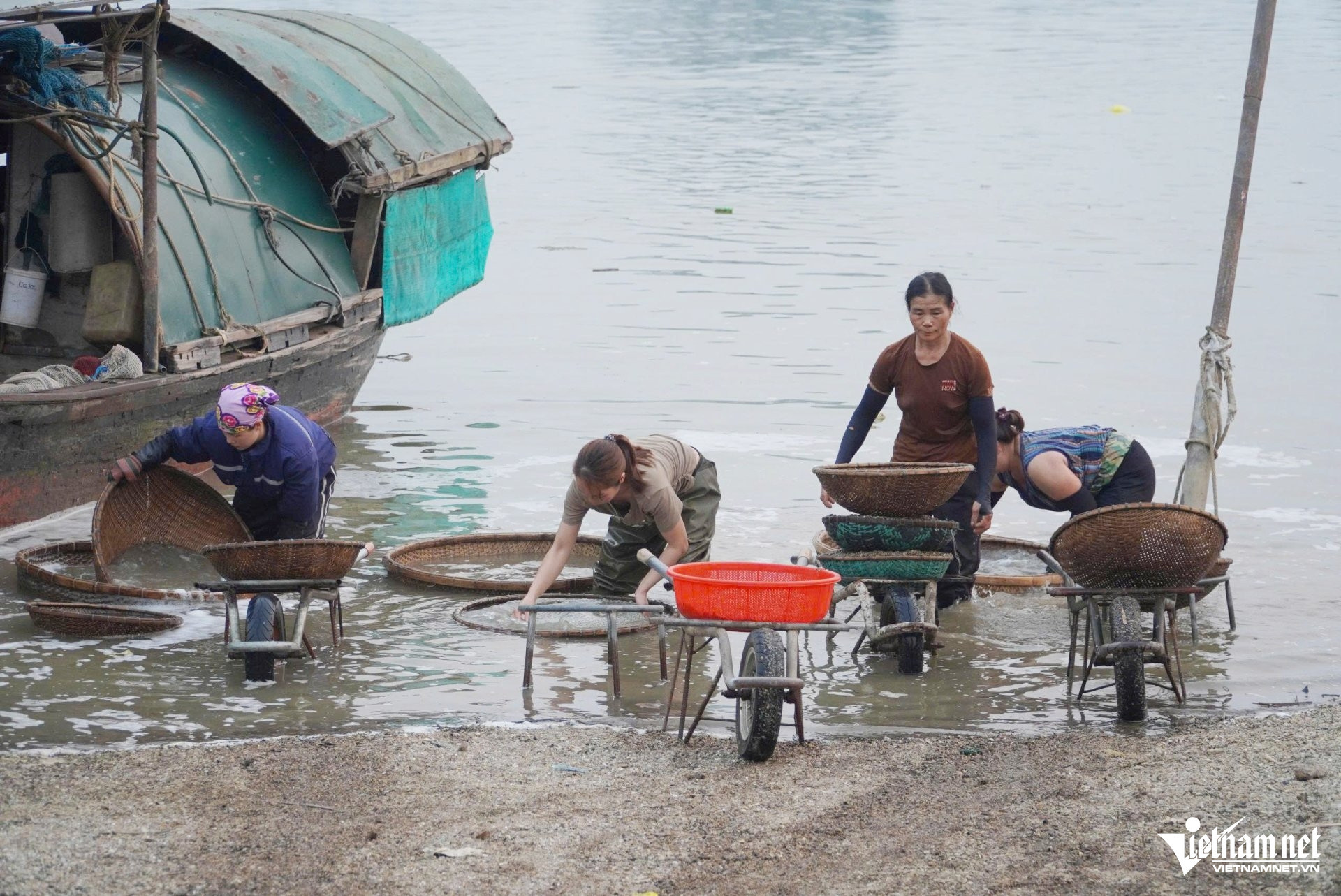
Each day, when the river level falls, small boats fan out in search of mussel beds. The work may appear simple, but harvesters need an intimate understanding of the current, knowledge of where mussels live and the ability to choose the right time to collect them.
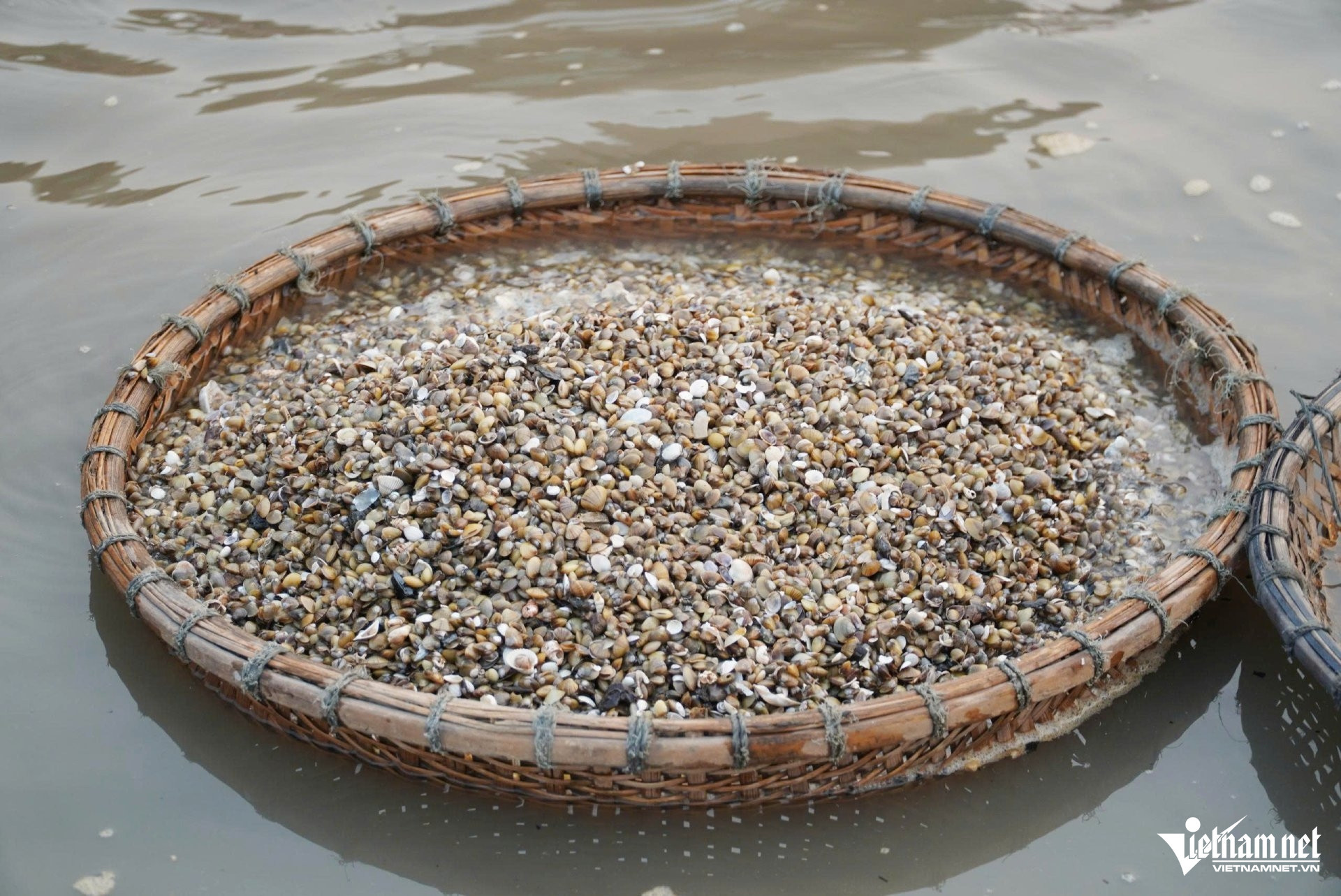
Once brought ashore, the mussels are soaked to purge mud and sand before being transferred to large boiling pots. When the shells open, residents separate the meat, rinse it clean and package it. Every stage requires skill to preserve the mussels' natural sweetness.
In Ben Hen Village, men are responsible for harvesting mussels, while women soak them to remove mud and sand, light the fires and boil them while they are still fresh.
Nguyen Thi Tam, a resident of Duc Minh Commune who has worked in the trade for more than 30 years, said mussels are her family's main source of income.
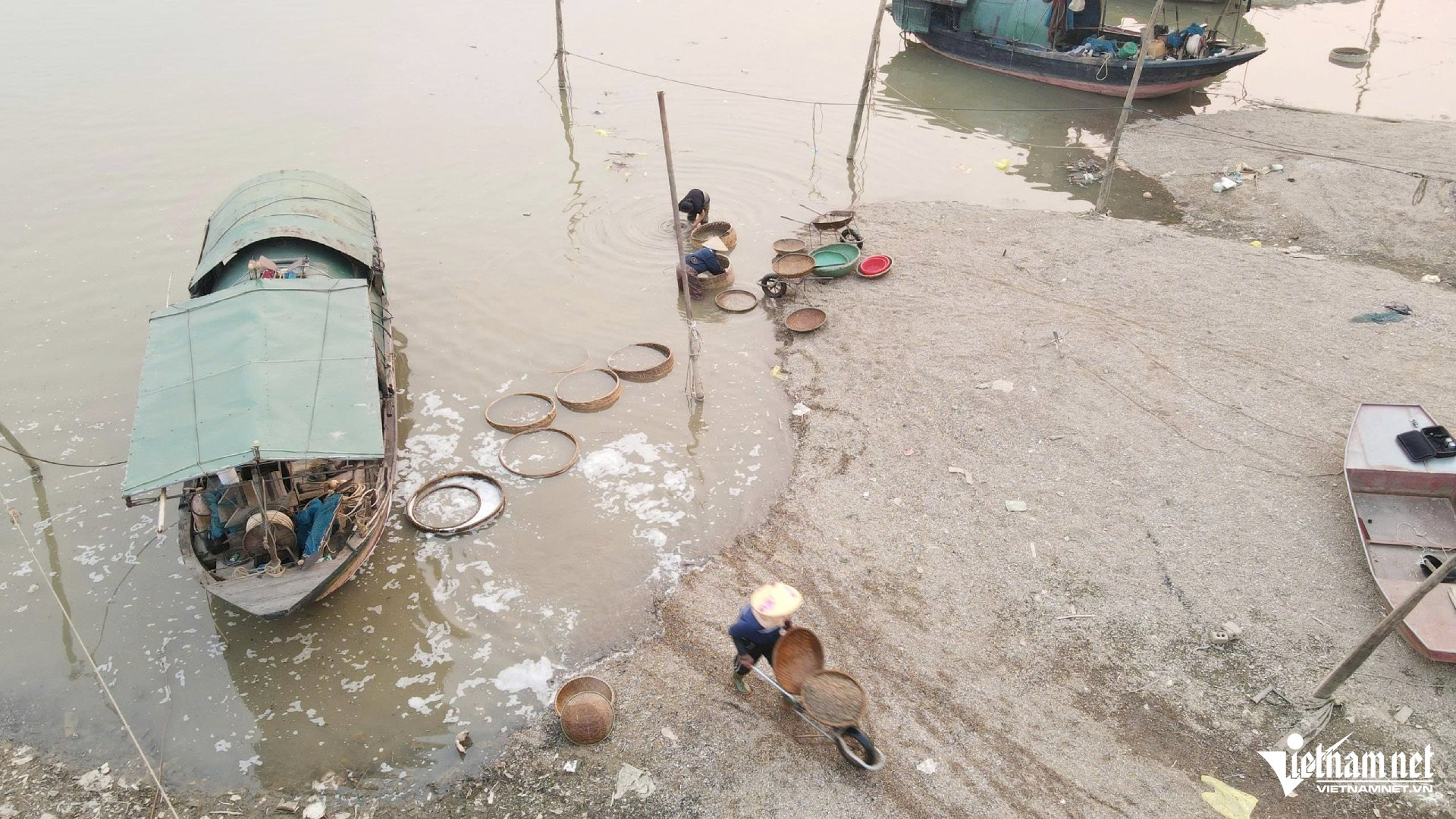
"This job does not bring in a very high income, and it depends on the weather and the river conditions. But if we work hard, on a good day my family can earn about VND1 million (around $38). Thanks to that, our life is more stable and our children have been able to receive a proper education," Tam said.
After the mussels are cleaned, residents transport them to the cooking area for processing.
According to Tam, processing mussels is hard work but well suited to local conditions. Within each family, members take on different tasks, from harvesting mussels and tending the fires to separating the meat and packaging the finished product.
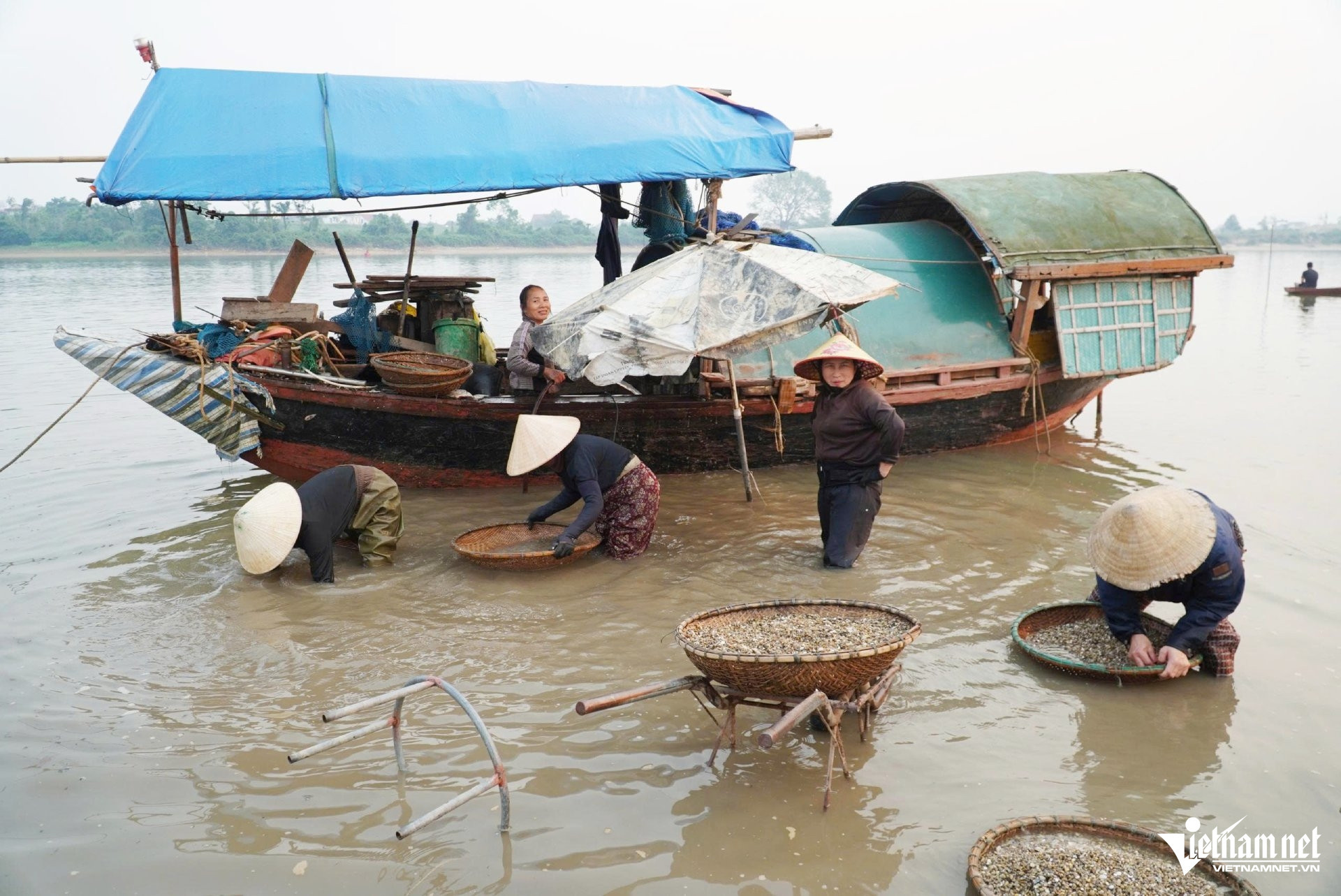
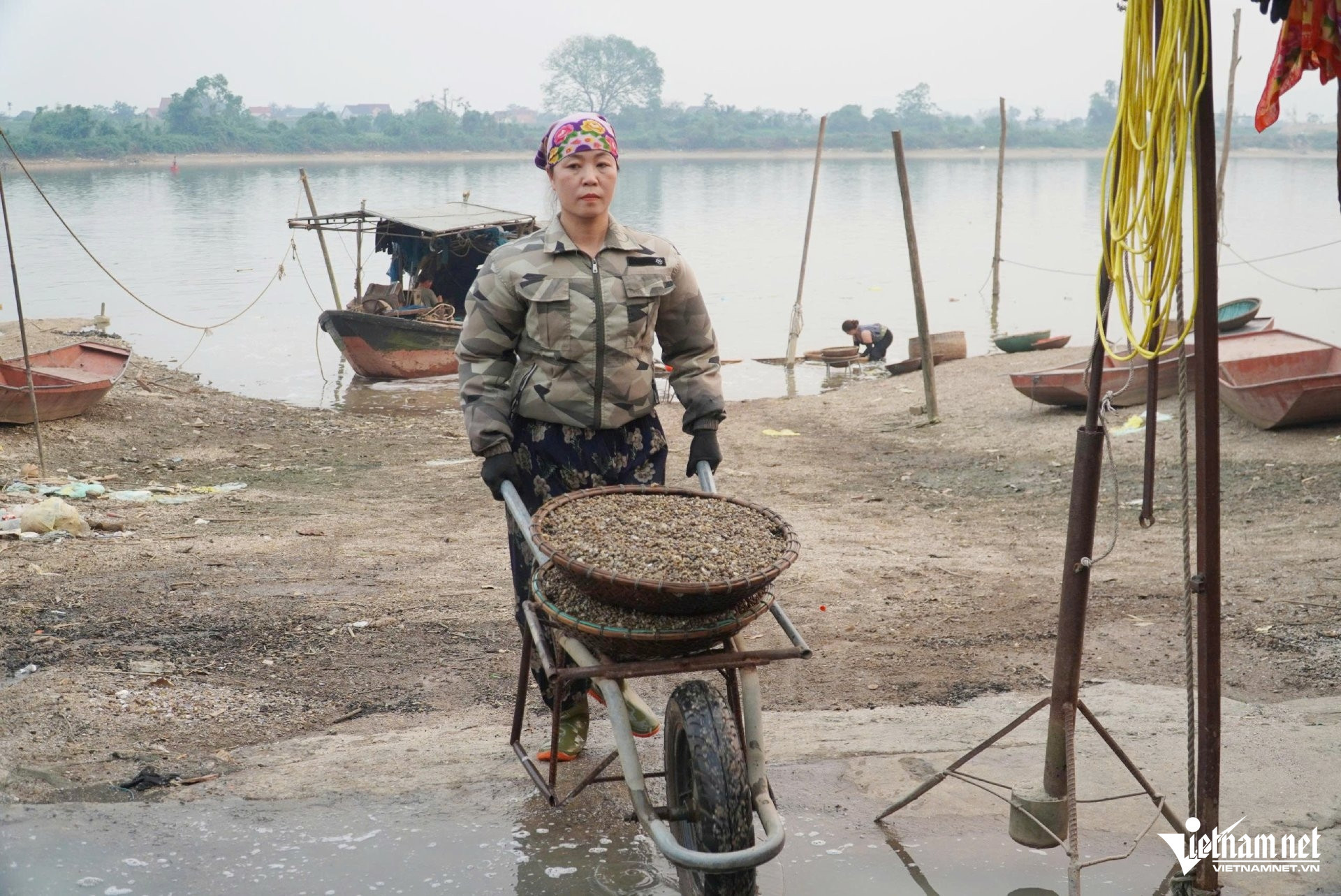
As a result, many middle-aged and older residents can continue working in their hometown.
For women living along the La River, the work has become part of their daily routine.
La River mussels are not only consumed within Ha Tinh Province. Traders also buy them for distribution to other localities. The mussel meat is used in a range of rustic dishes, while the shells are also reused as raw materials in production and soil improvement, helping increase the value of the catch.
Local residents said mussel meat is purchased on site for VND160,000-170,000 per kg ($6-$7). On average, each boat can harvest several hundred kilograms of mussels a day, yielding about 50-70kg of meat after processing.
Phan Thi Hoa, a resident of Duc Minh Commune, said that for people in Ben Hen Village, the river is not merely a source of livelihood but also a valuable asset that must be protected so it can continue to provide its "water bounty" for future generations.
"Every day, my family earns a fairly stable income from harvesting mussels. The work is quite hard because there are days when we have to work for many hours, but I still want to keep doing it to remind our children and grandchildren about our family's traditional riverside trade," Hoa said.
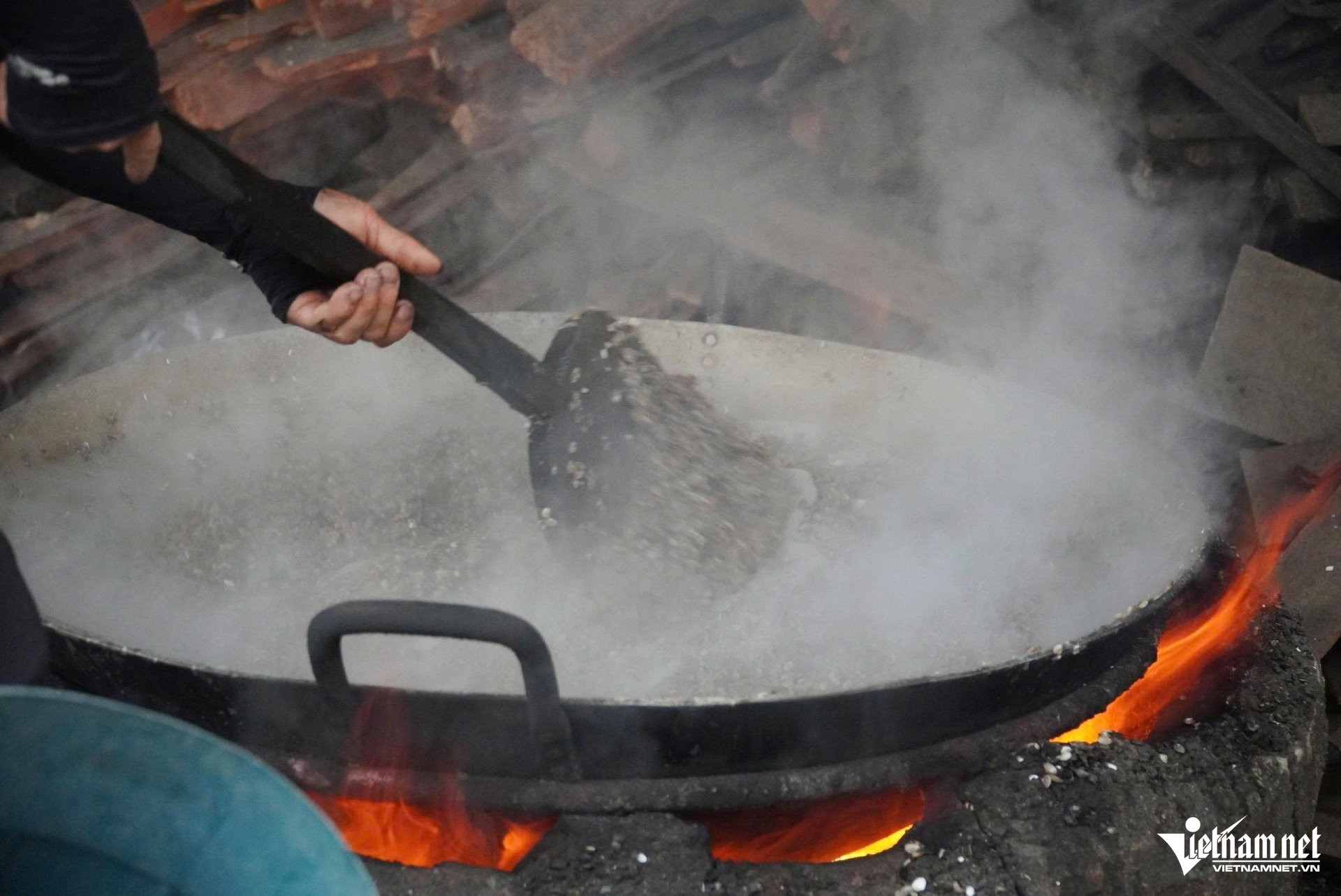
Each batch contains about 3-5kg of mussels and is boiled for 15 minutes.
"The fire used to boil the mussels must always be blazing to maintain a stable temperature, helping the shells open evenly without overcooking the meat and preserving its sweetness," a Duc Minh Commune resident said.
According to leaders of Duc Minh Commune, about 120 households currently work in mussel harvesting and processing. The trade involves many labor-intensive stages but provides residents with relatively high incomes.
The local government has designated a processing area and created favorable conditions for businesses and households to develop the trade. Many families earn hundreds of millions of dong each year.
Commune leaders also said the mussel trade helps retain rural workers and increase incomes for people living along the river. Alongside preserving the traditional occupation, the locality is studying the development of a craft village linked with experiential tourism and the promotion of local cuisine and culture, with the aim of creating greater value from La River mussels.
Thien Luong
.svg)
