 Vietnamnet.vn

 Podcast



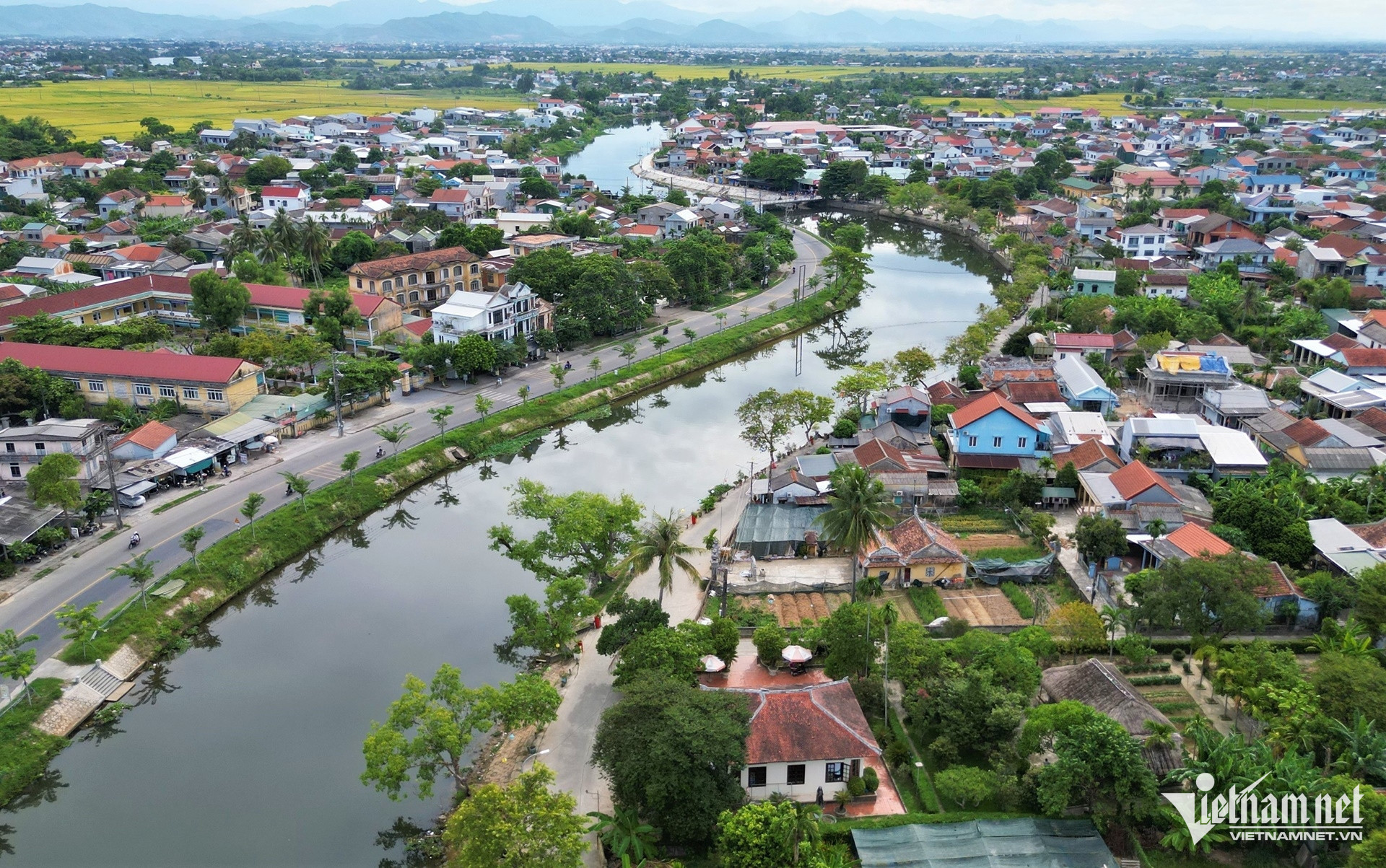
Duong No Village, in Duong No Ward, lies along the Pho Loi River, about seven kilometers from central Hue.
It was here that Nguyen Sinh Cung - the childhood name of President Ho Chi Minh - lived and studied with his father and elder brother from 1898 to 1900.
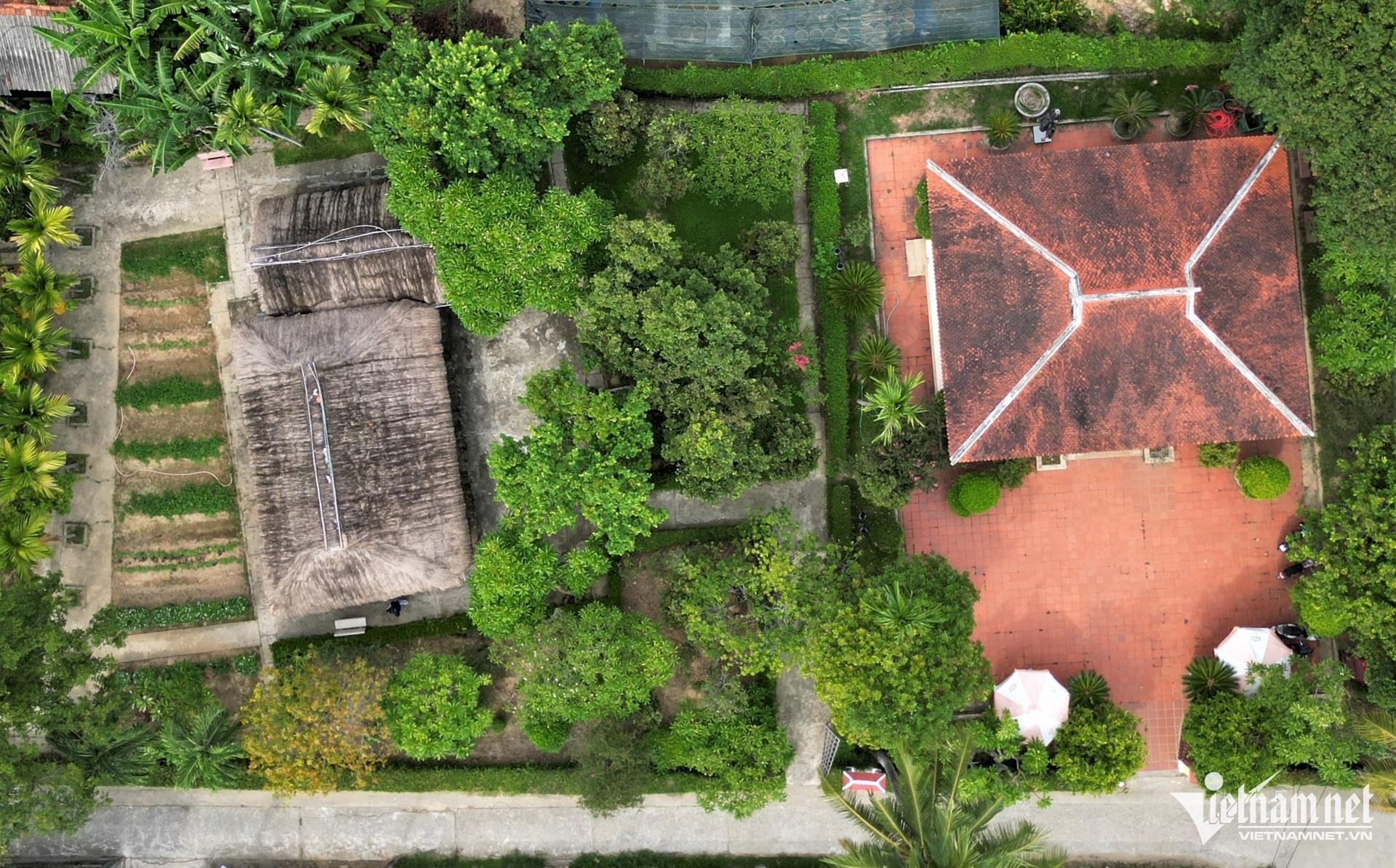
Seen from above, Duong No still retains the character of a traditional riverside village, with homes nestled among greenery and rice fields. Scattered through the historic village are several places associated with President Ho Chi Minh’s early years.
According to the Ho Chi Minh Museum in Hue, in 1898 Nguyen Sinh Sac was invited by Nguyen Si Do to Duong No to teach. His two sons, Nguyen Sinh Khiem and Nguyen Sinh Cung, accompanied their father to the village.
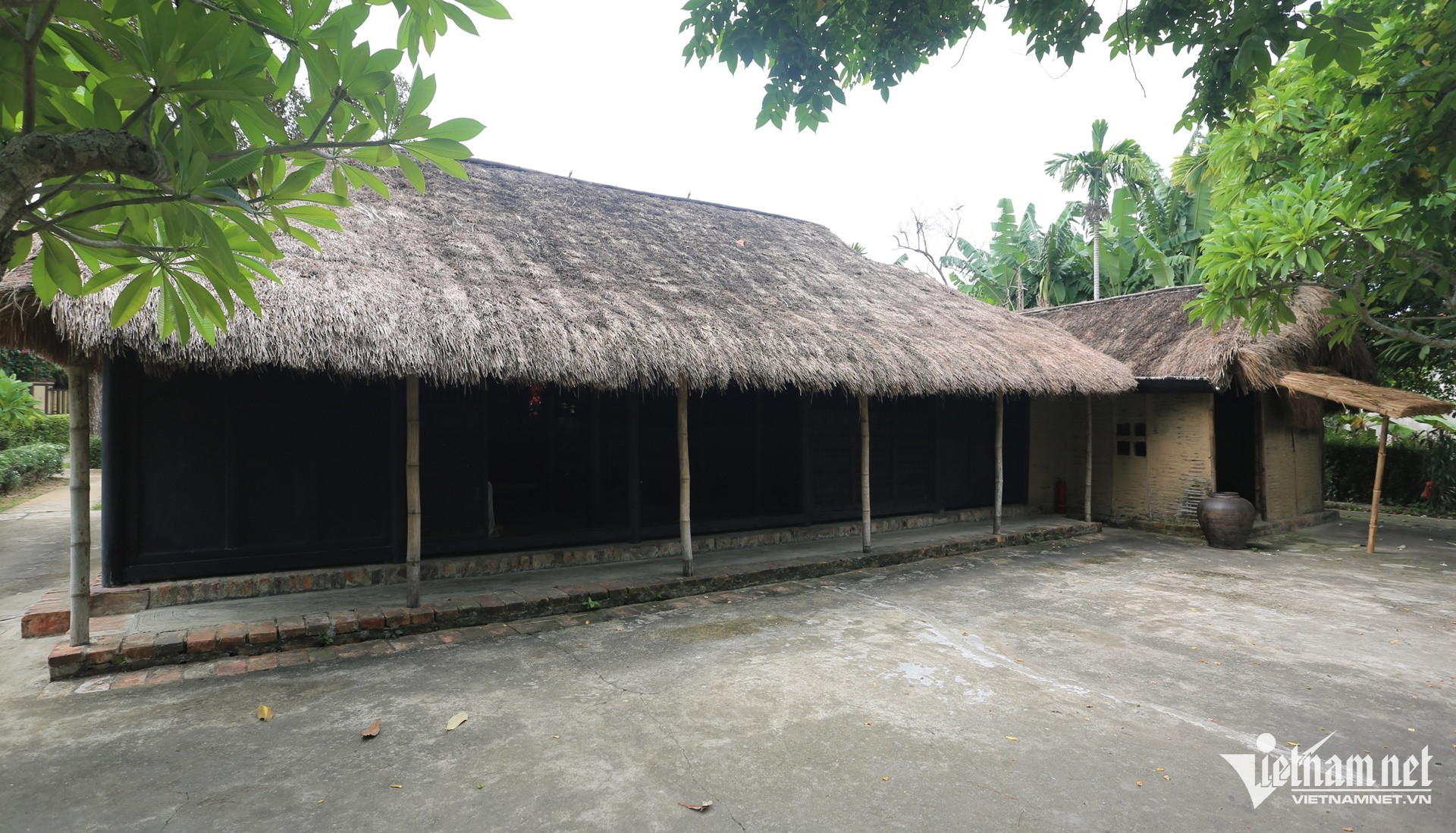
Do’s family provided the father and his two sons with a traditional three-compartment, two-wing thatched house, where Nguyen Sinh Sac also opened a class to teach local students.
It was in this house that President Ho Chi Minh and his elder brother began studying under their father’s guidance.
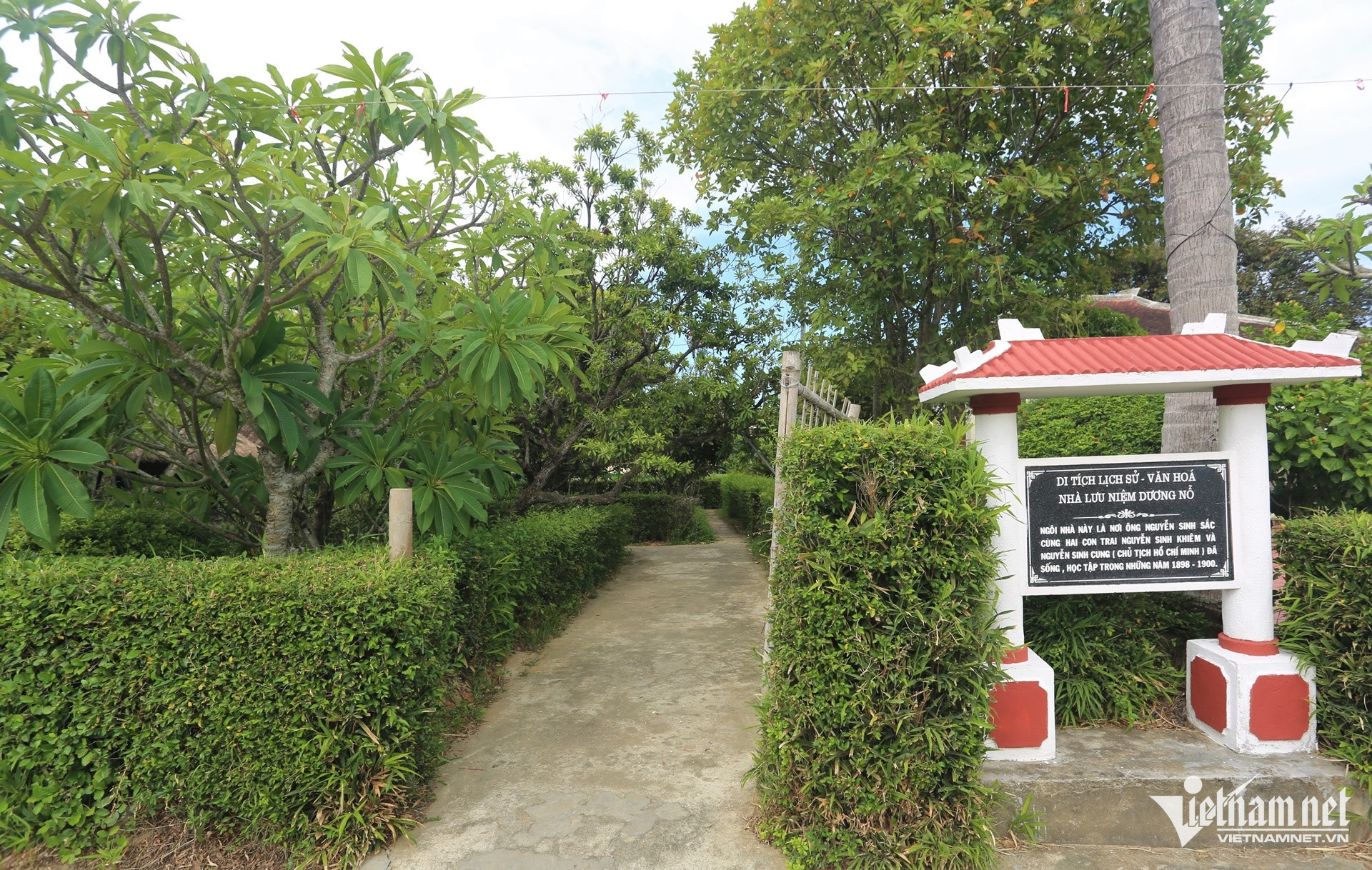
The path leading to the house is lined with lush green che tau hedges, a familiar feature of Hue’s traditional garden houses. Trees and plants shade both sides of the walkway, giving the setting a quiet, rustic charm.
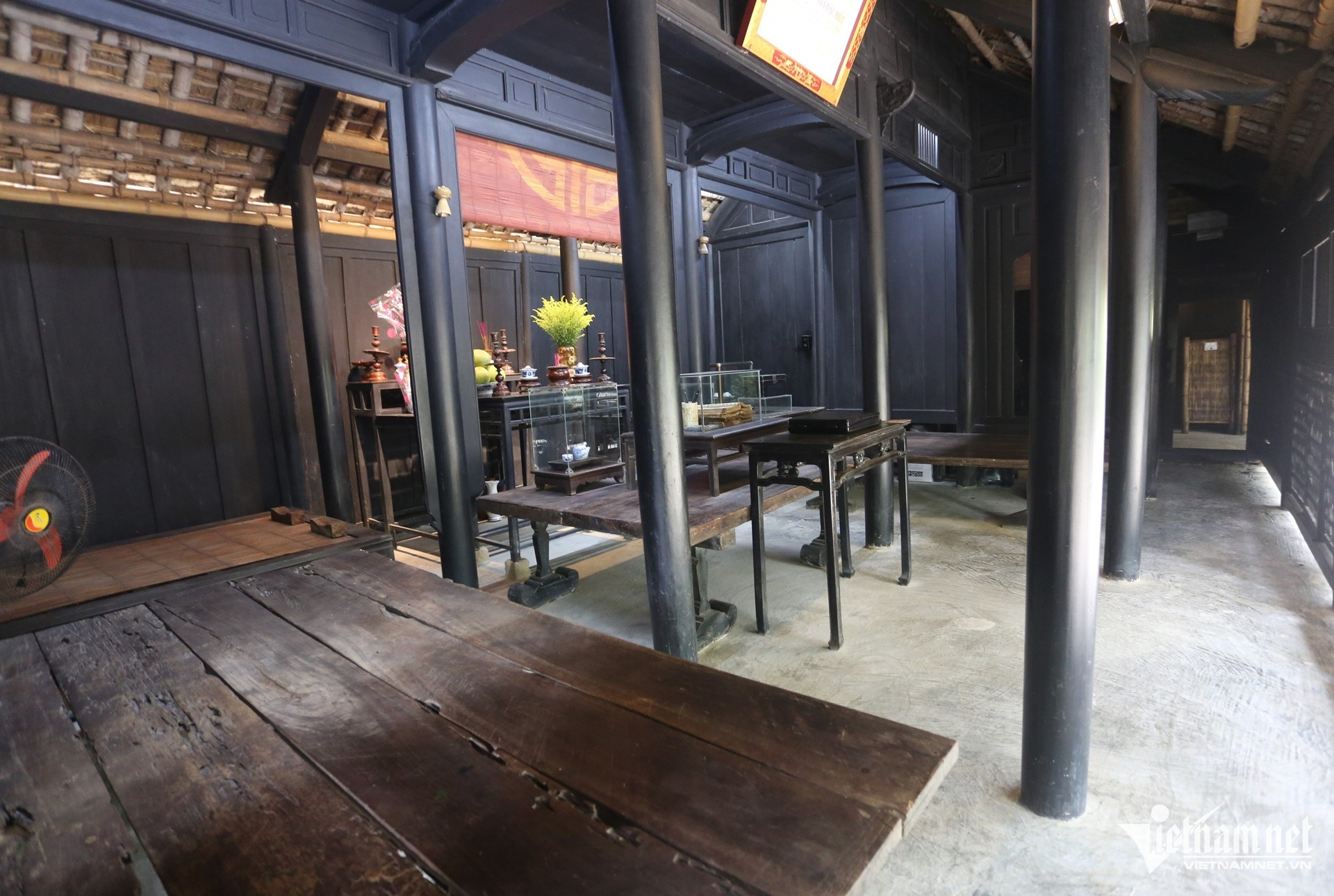
Inside, the house has been arranged to recreate the daily life and studies of Nguyen Sinh Sac’s family during their time in Duong No.
Alongside several original artifacts, objects dating from the same period have been collected and displayed to evoke the domestic setting of the late 19th century.
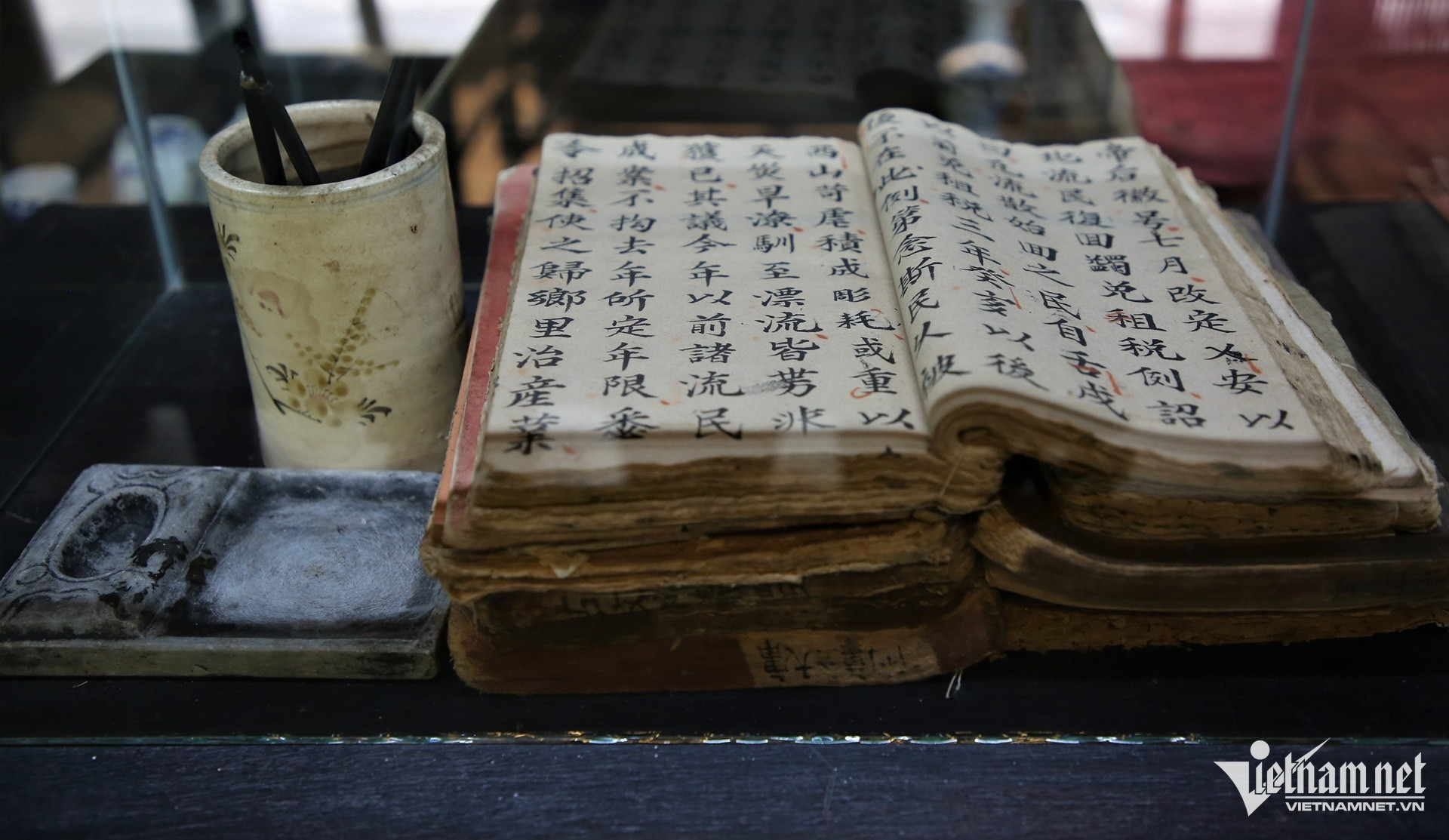
Books, an inkstone and other study materials on display recall the classroom where Nguyen Sinh Sac taught in the late 19th century.
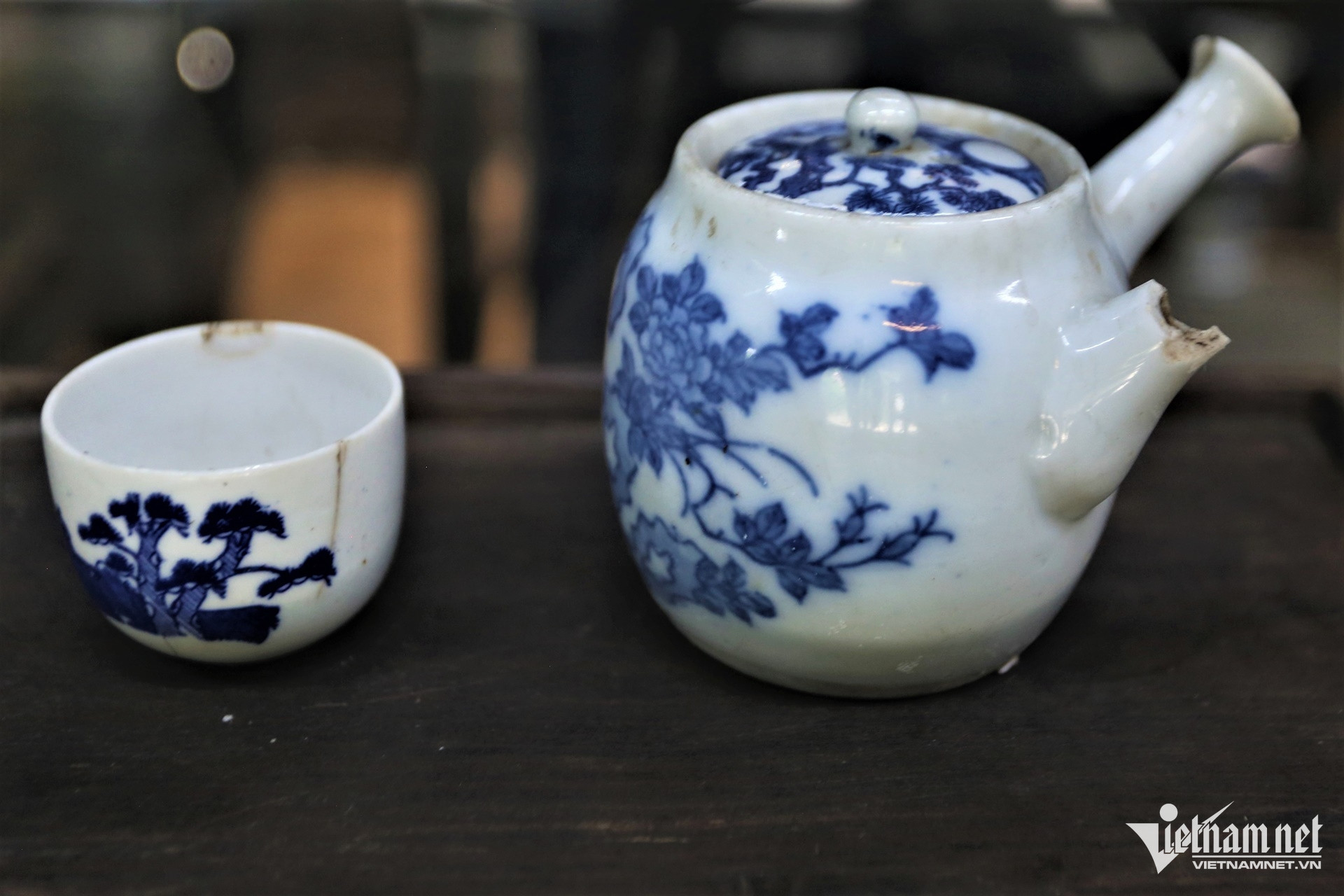
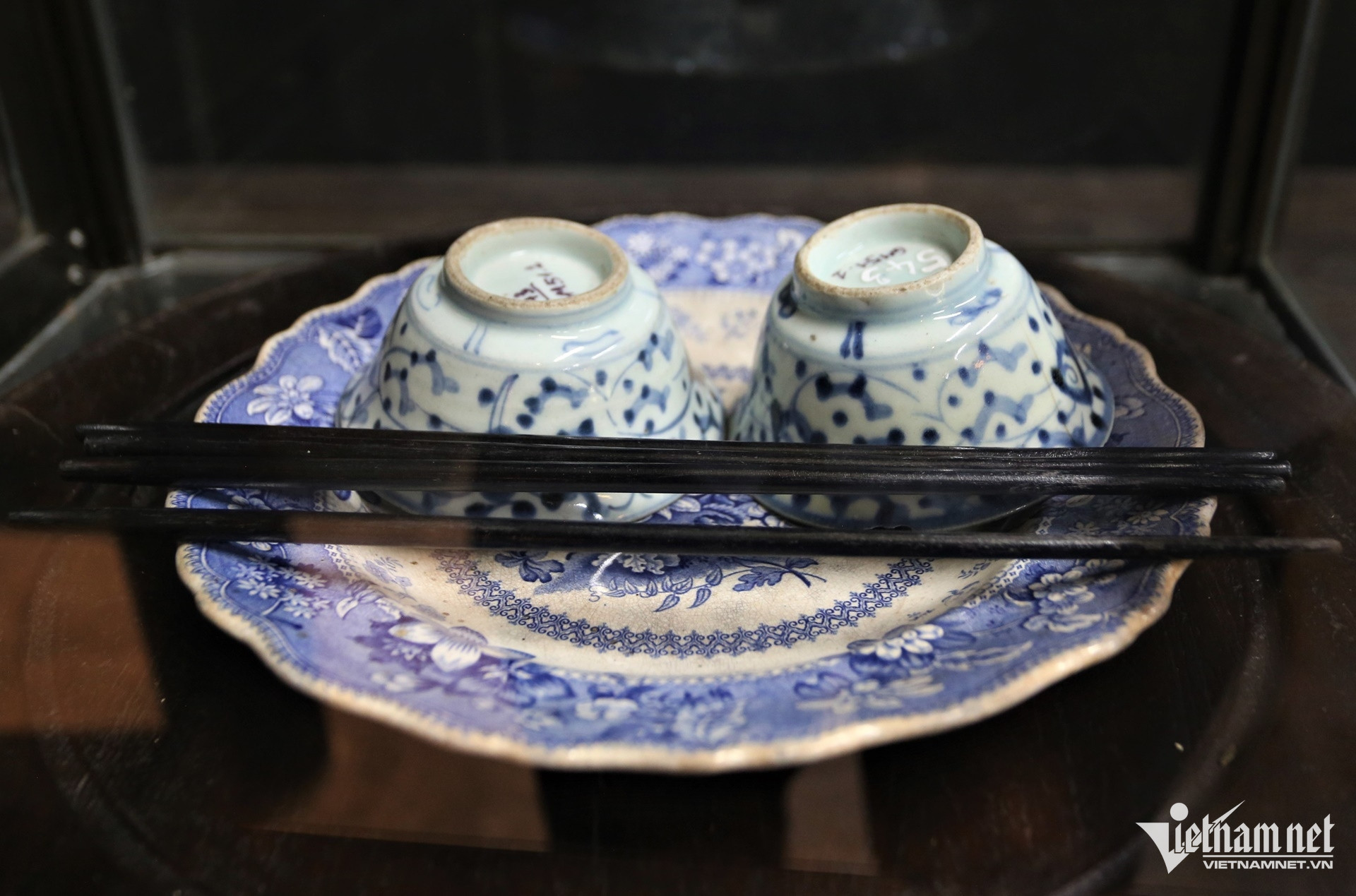
Tea sets, bowls, plates and other household items are also displayed, offering a glimpse into the everyday life of a rural family at the time.
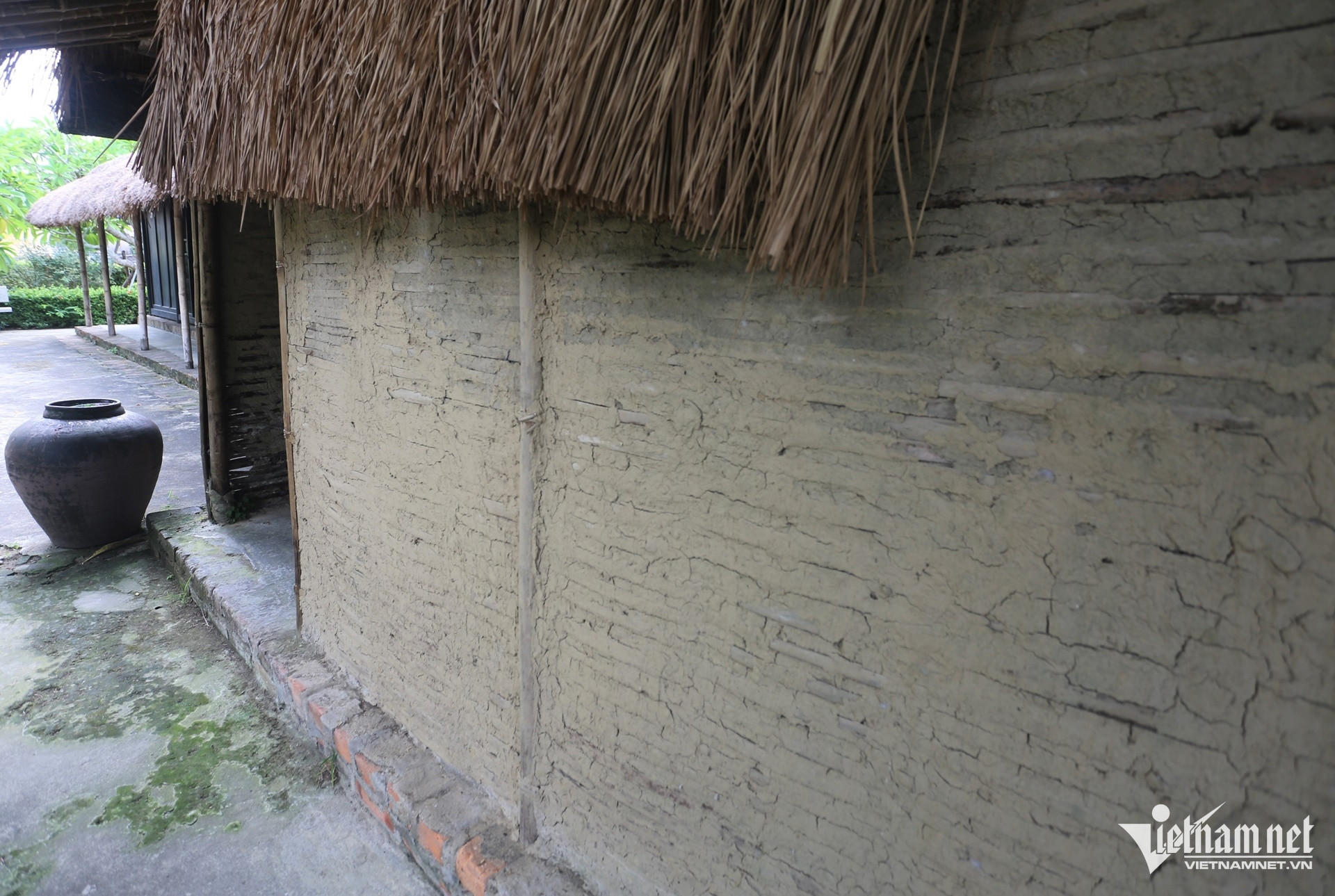
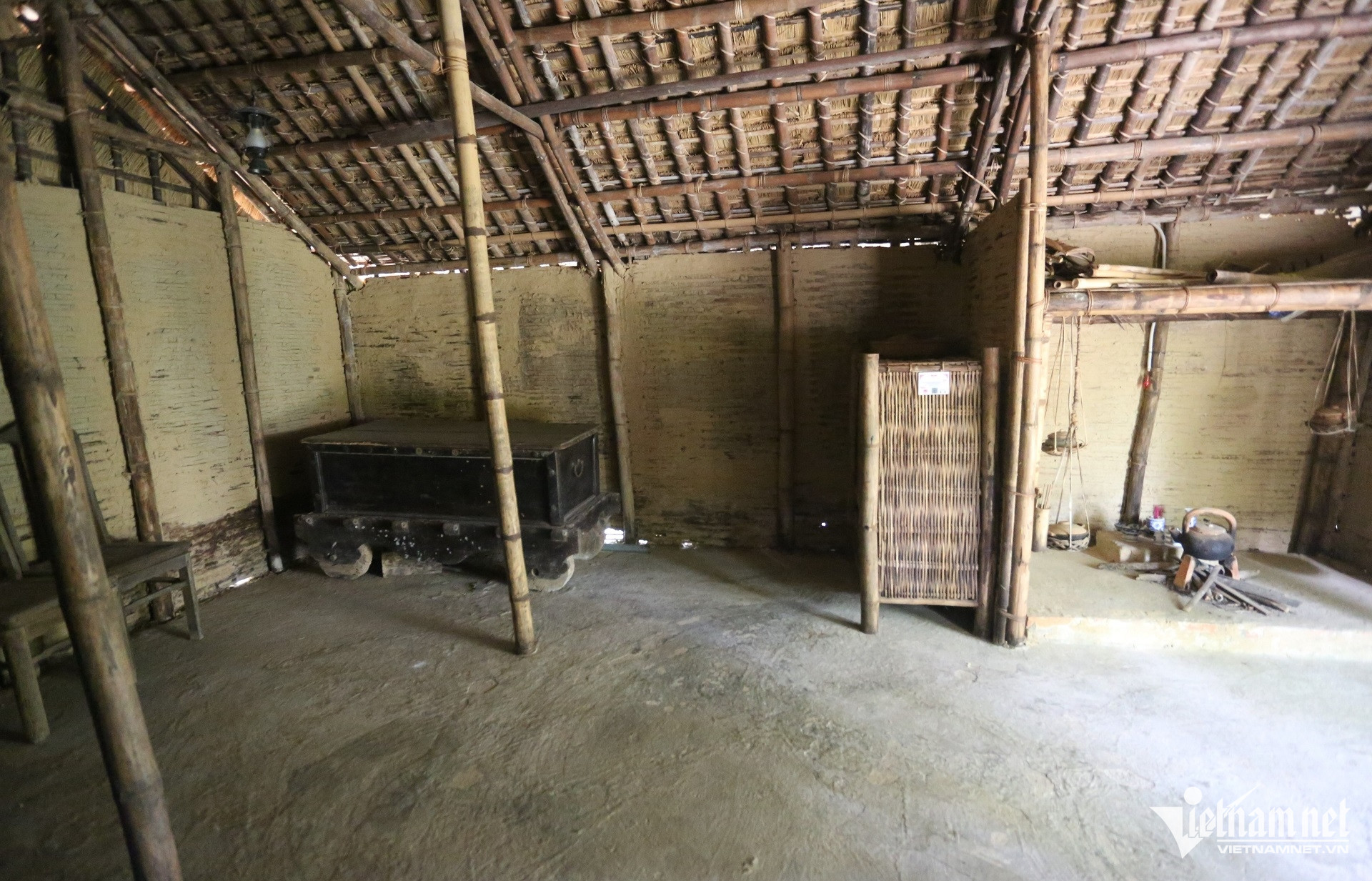
Connected to the main house is a kitchen made of bamboo and thatch, with walls coated in earth. Its thatched roof, bamboo-and-timber structure and earthen walls recreate the simple appearance of a village kitchen in the late 19th century.
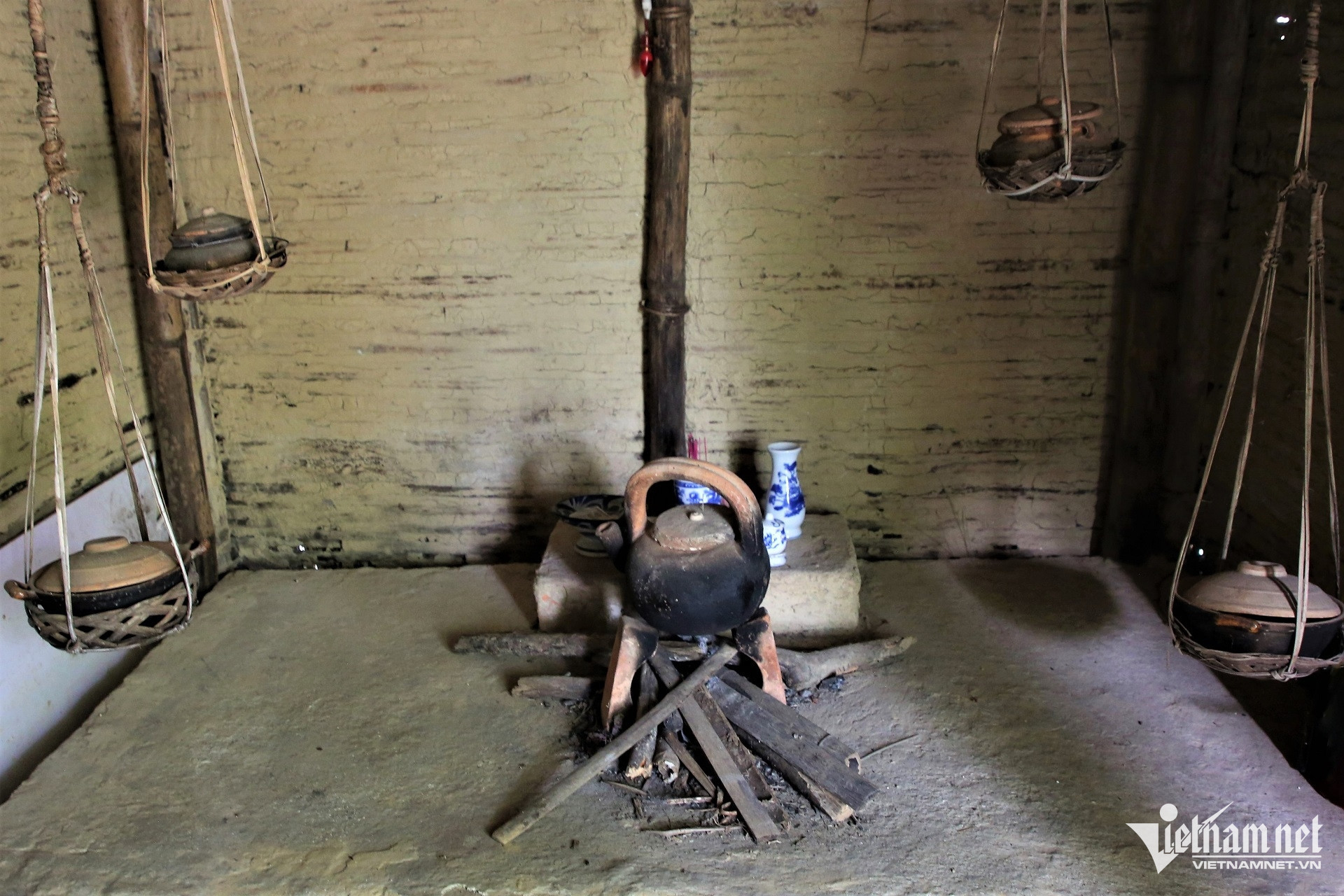
The kitchen consists of three compartments and contains a wooden chest once used for storing food, a cupboard for bowls and dishes, cooking pots, a water jar and other everyday household items.
The cooking hearth, pots and other utensils further evoke the rhythms of daily life in a rural Vietnamese household in the late 19th century.
The memorial house marking President Ho Chi Minh’s childhood years in Duong No was recognized as a national historical and cultural relic in 1990. In 2020, it became part of the system of President Ho Chi Minh memorial sites in Hue, which was designated a special national relic.
The heritage complex is now managed and preserved by the Ho Chi Minh Museum in Hue and is open to residents and visitors seeking to learn about its history.
The thatched-roof memorial house stands beside the exhibition building within a leafy compound.
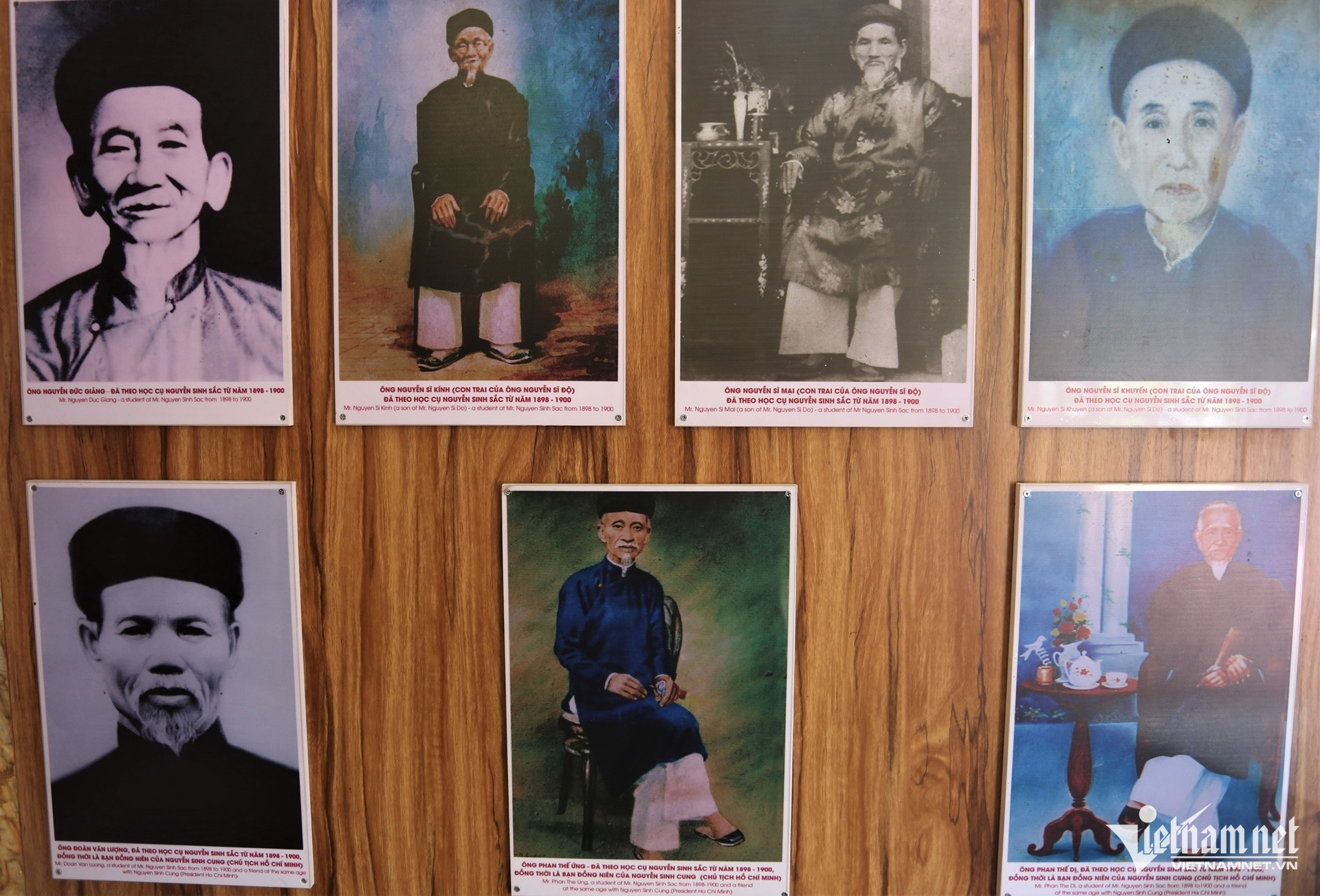
The exhibition building also displays portraits of several people who studied under Nguyen Sinh Sac between 1898 and 1900, including some who were contemporaries of Nguyen Sinh Cung.
Beyond the house itself, several other sites around the village preserve traces of President Ho Chi Minh’s childhood experiences.
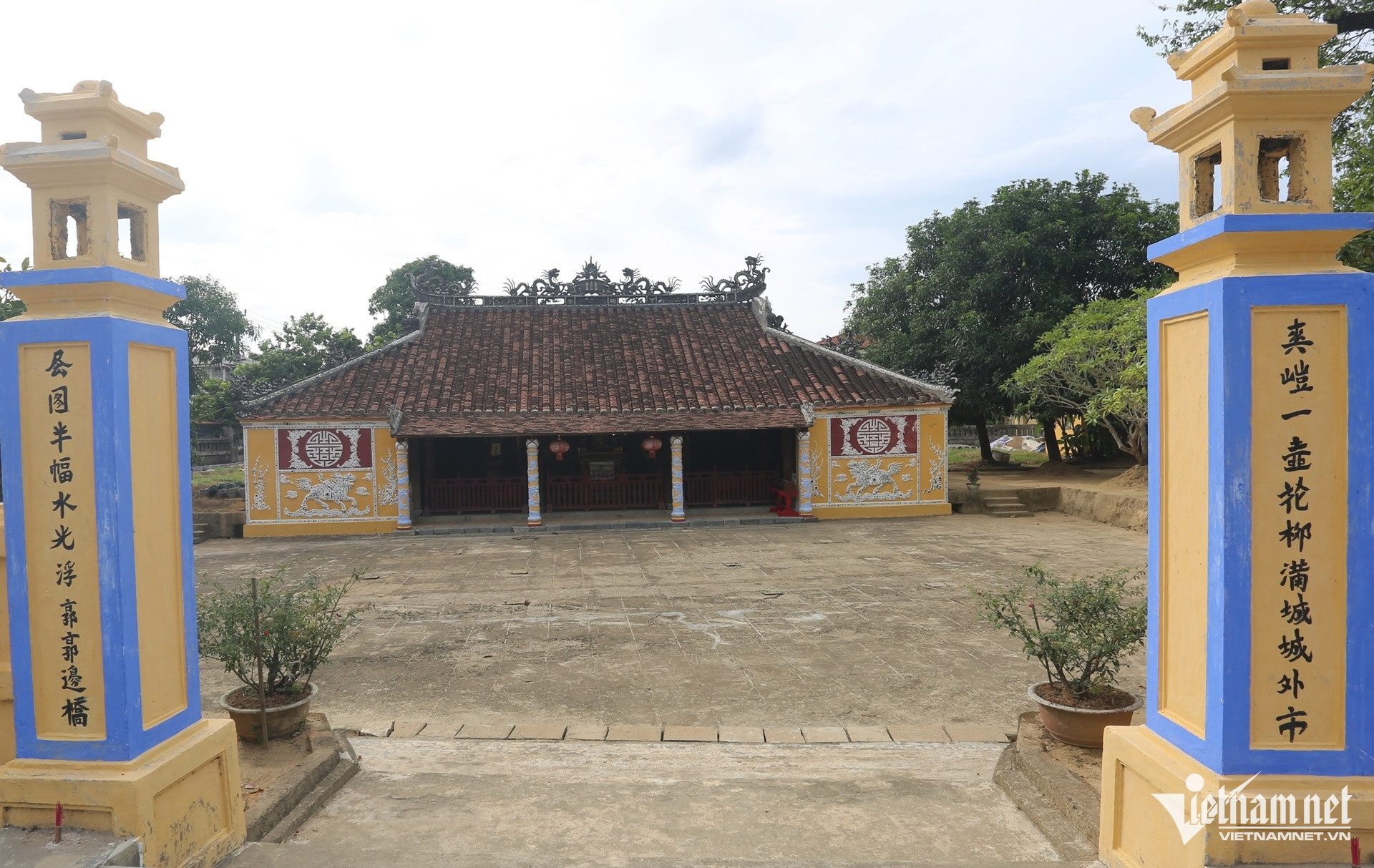
Duong No communal hall was built in 1471 during the reign of King Le Thanh Tong. Between 1898 and 1900, Nguyen Sinh Cung often visited the communal hall and its surroundings.
More than 550 years old, the communal hall retains distinctive architectural, artistic and cultural features of traditional village institutions in Hue. It was recognized as a national historical and cultural relic in 1995 and, in 2020, became part of the system of President Ho Chi Minh memorial sites in Hue designated as a special national relic.
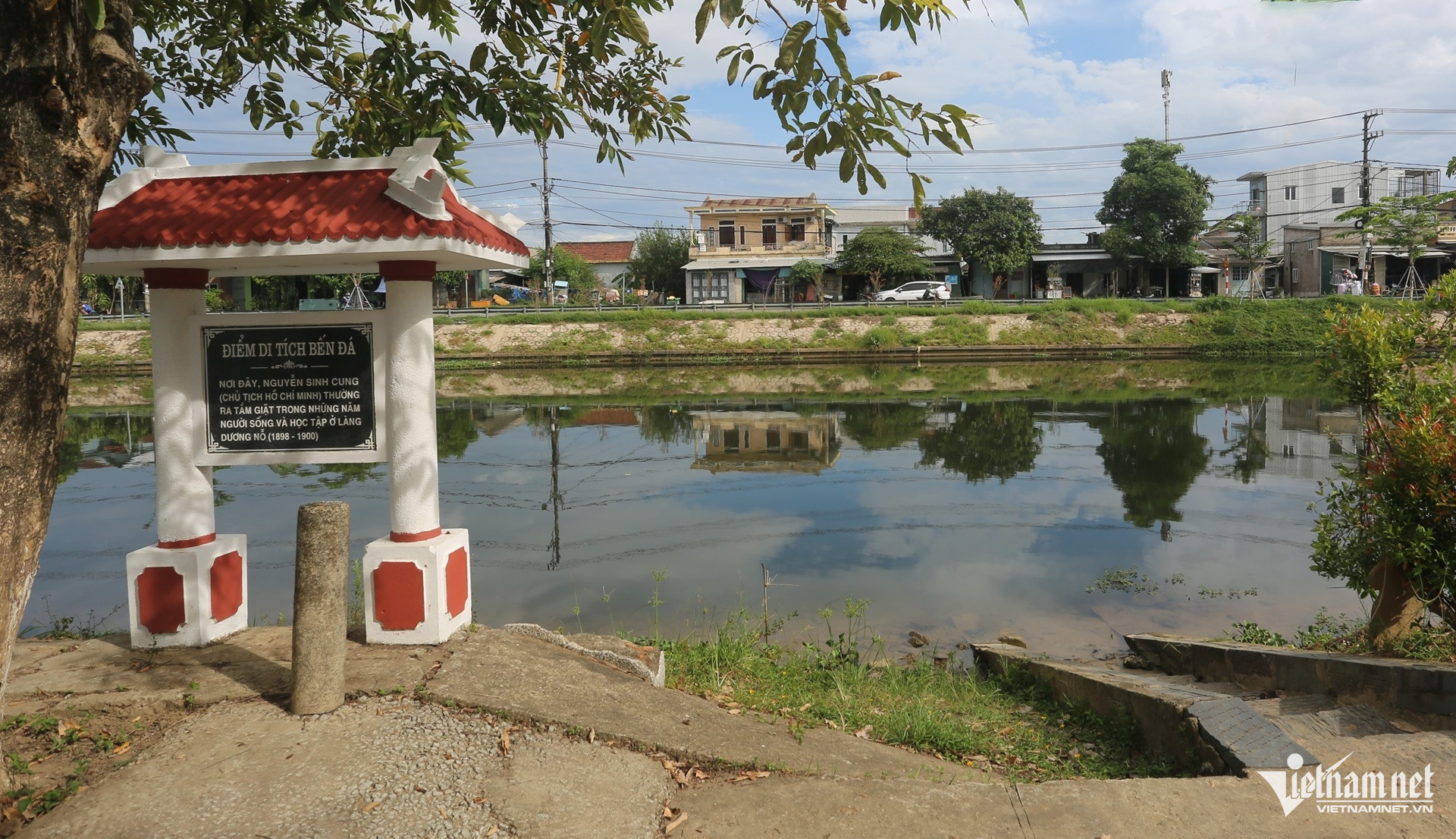
Ben Da, or the Stone Wharf, along the Pho Loi River is another site associated with President Ho Chi Minh’s childhood.
About 300 meters from the memorial house is the Am Ba relic, shaded by an ancient tree. The site recalls the occasions when Nguyen Sinh Cung came here to enjoy the cool air and study during the years he lived with his family in Duong No Village.
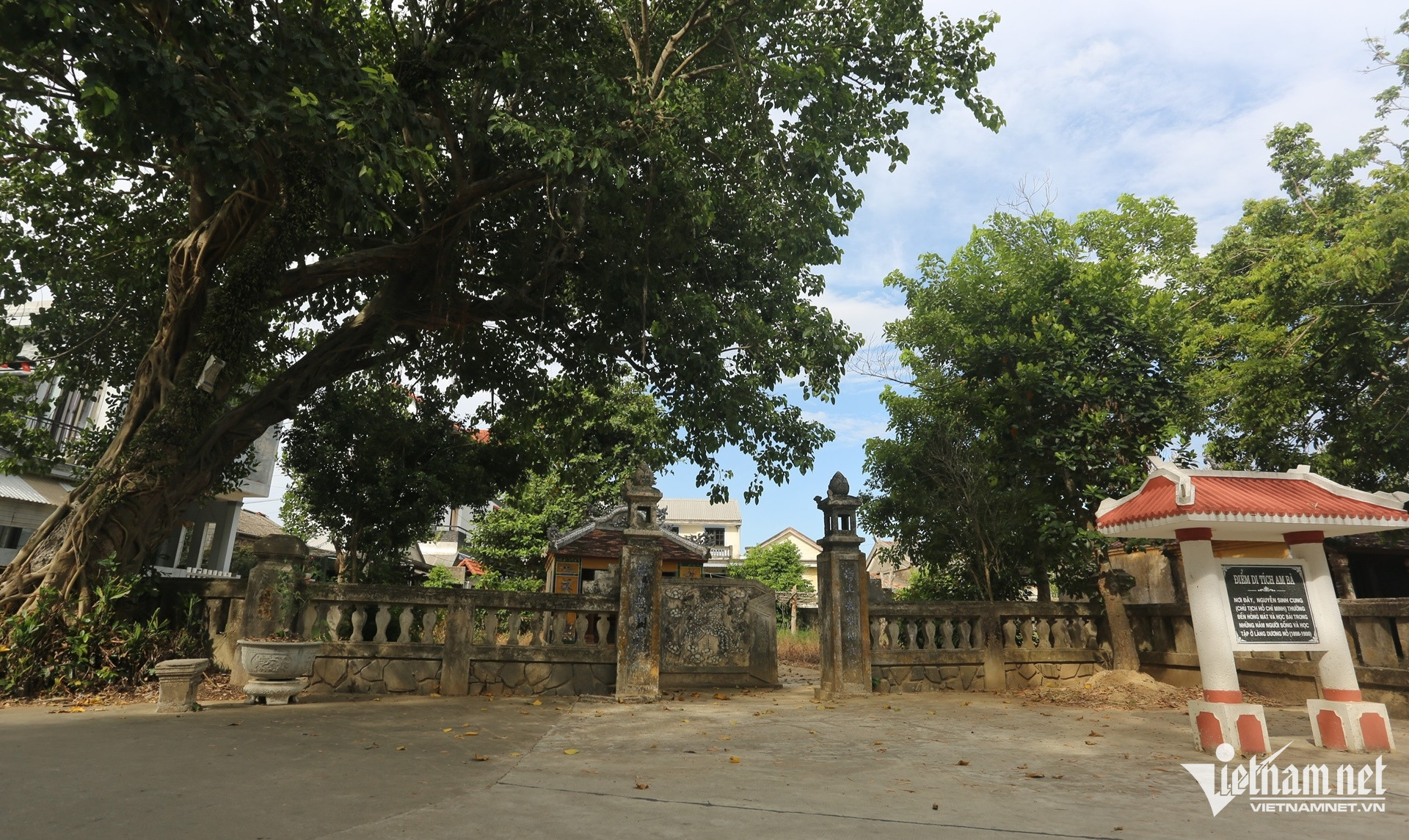
Around 300 meters from the memorial house, the Am Ba relic marks a place where Nguyen Sinh Cung would come to enjoy the cool air and study during his years in Duong No.
Ha Nam
.svg)
