 Vietnamnet.vn

 Podcast



For Ho Chi Minh City’s Cham Muslim community, the mosque is far more than a sacred place of worship. From Friday prayers to evening lessons for children, it is also where faith, language, culture and community ties are passed from one generation to the next.
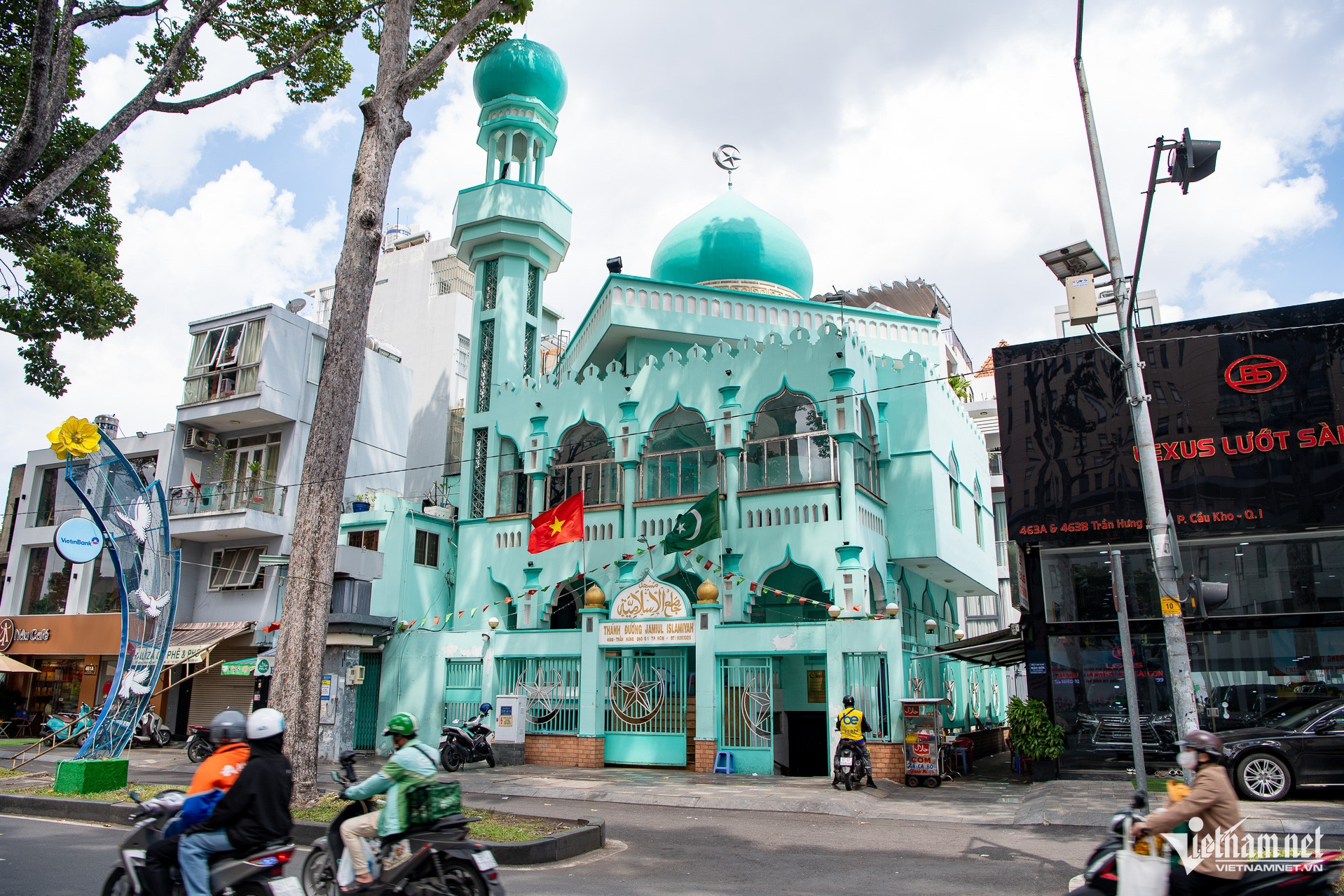
Located on Tran Hung Dao Street in Cau Ong Lanh Ward, Ho Chi Minh City, Jamiul Islamiyah Mosque stands out in the heart of the city with its castle-like architecture and distinctive shades of green.

First built in 1950, the mosque has undergone two reconstructions, the most recent completed in March 2003. Beyond serving as a place of worship for the Cham Muslim community, it also attracts visitors interested in learning about Islamic culture in Ho Chi Minh City.
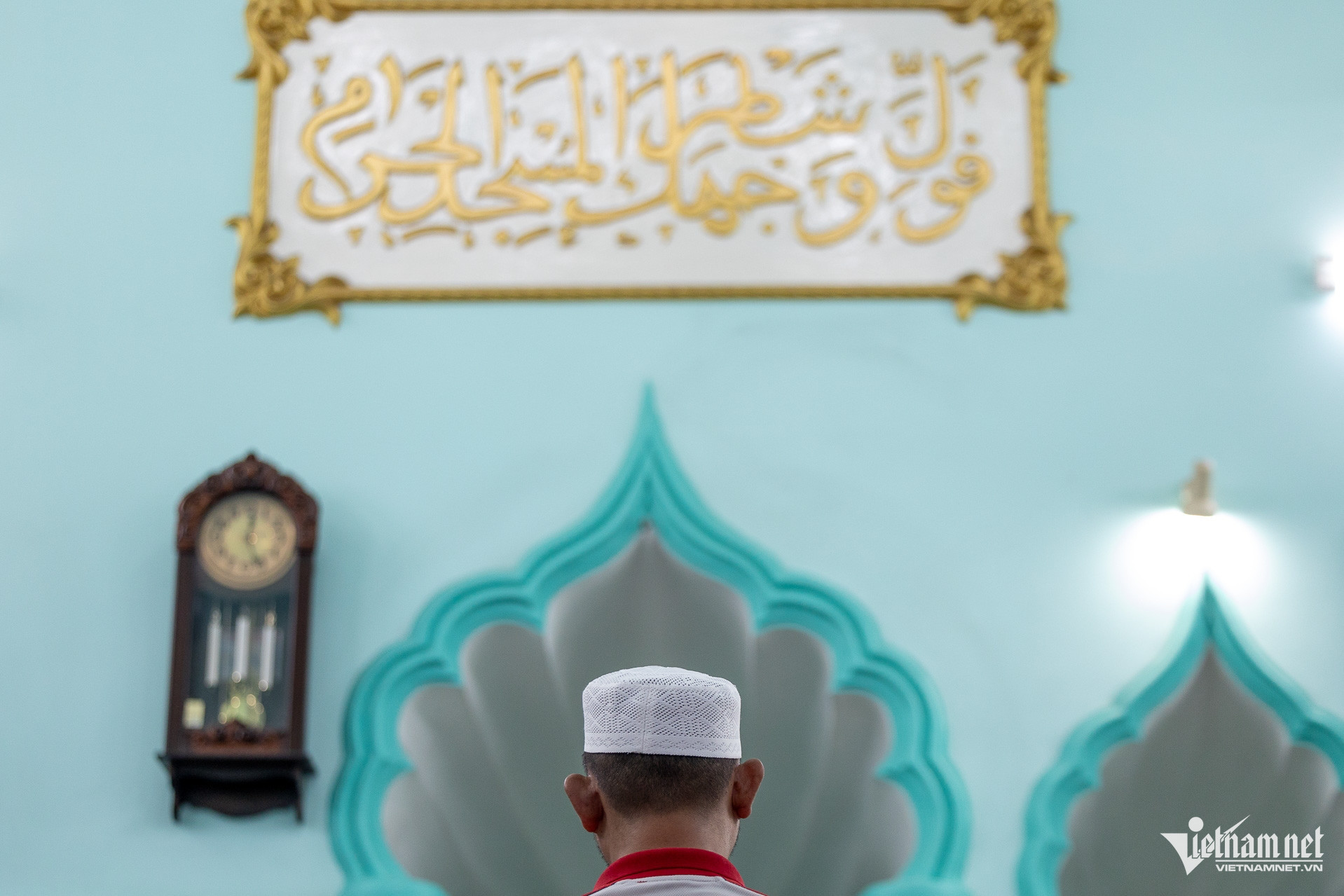

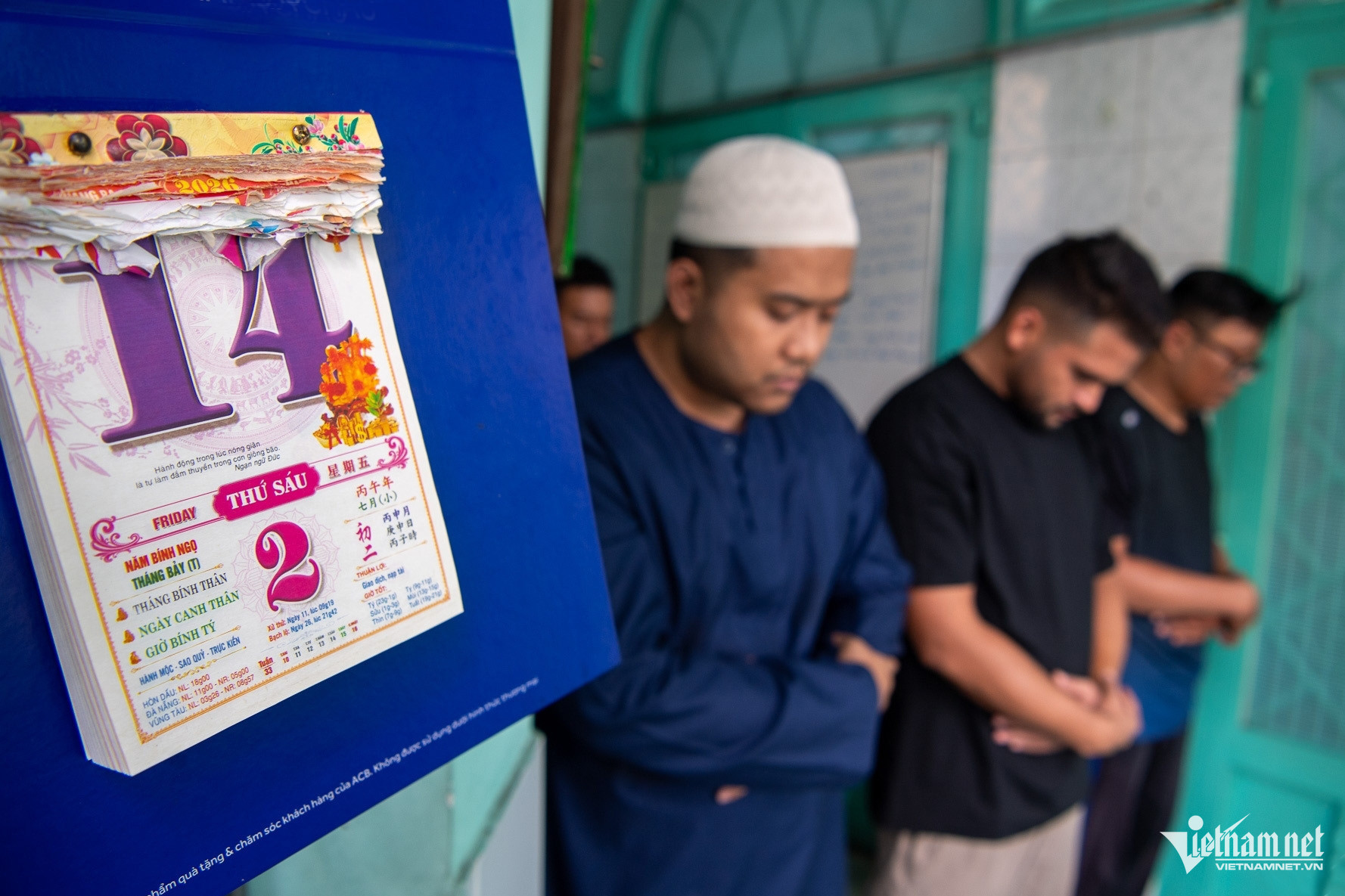
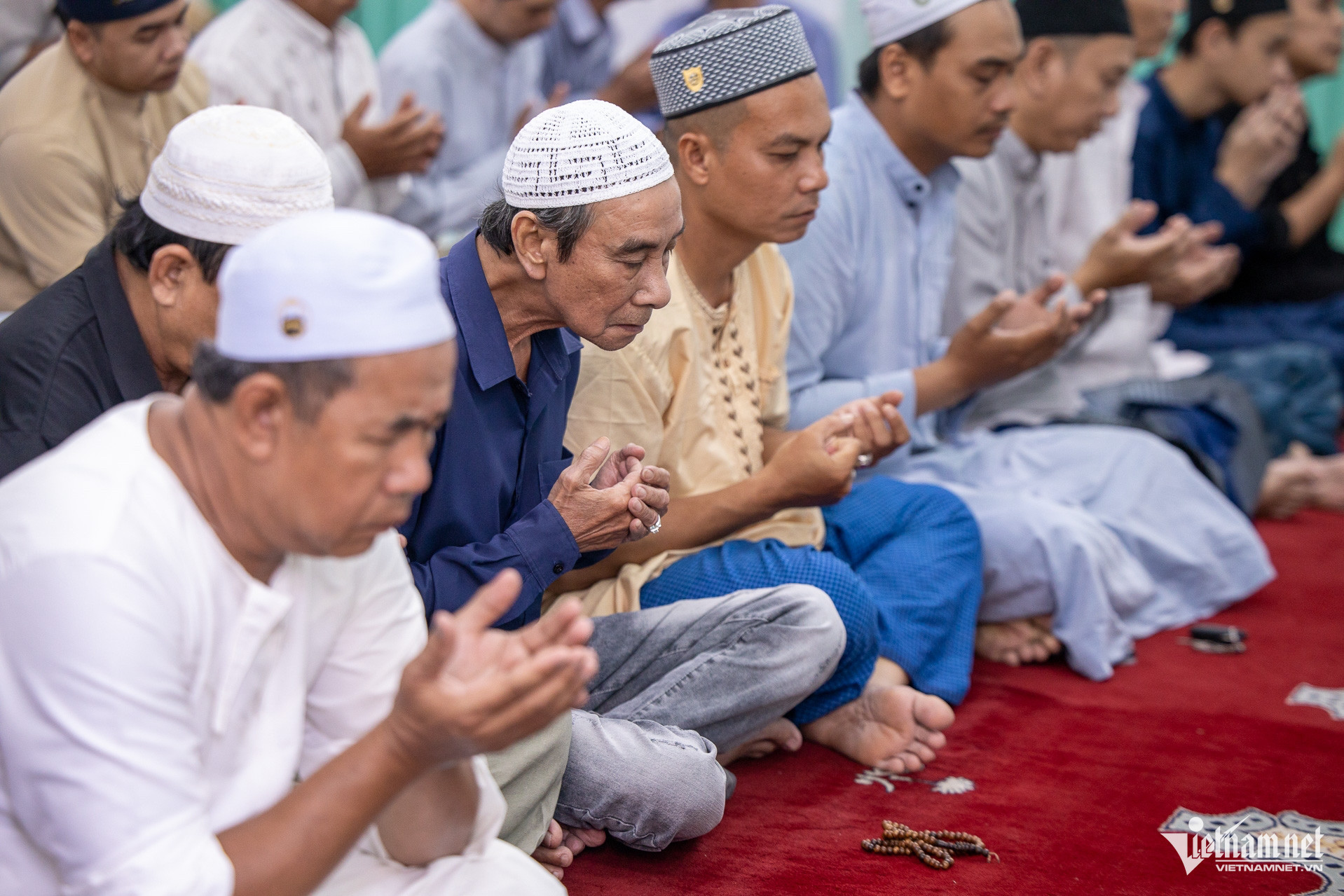
Every Friday at noon, Cham Muslim worshippers gather at the mosque for Jumu'ah, the important weekly congregational prayer in Islam.
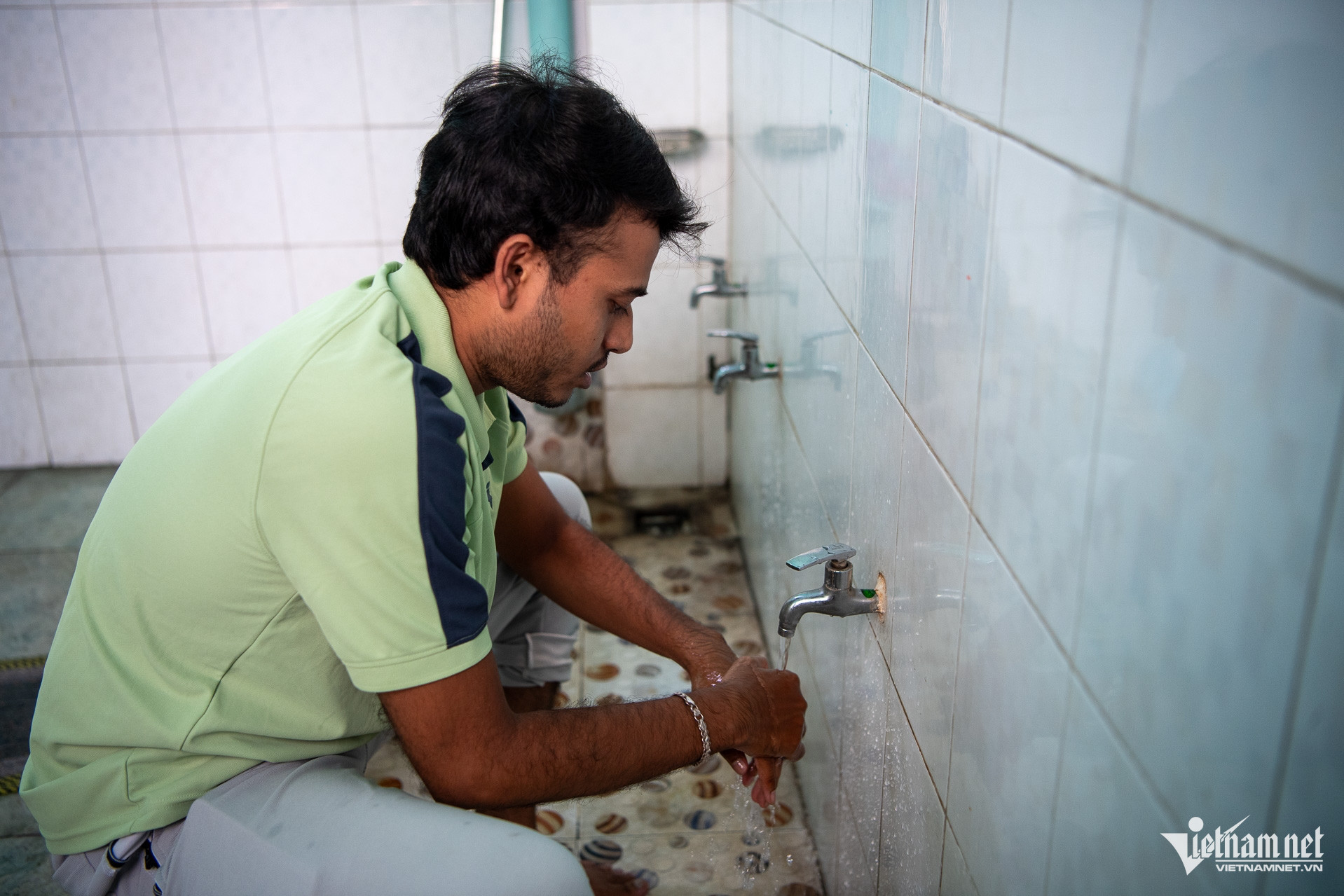
Before entering the prayer area, worshippers perform wudu, the ritual purification required before prayer. It involves a series of steps including washing the hands, rinsing the mouth and nose, washing the face and arms to the elbows, wiping the head and washing the feet. The ritual is regarded as essential preparation, both physically and spiritually, for prayer.
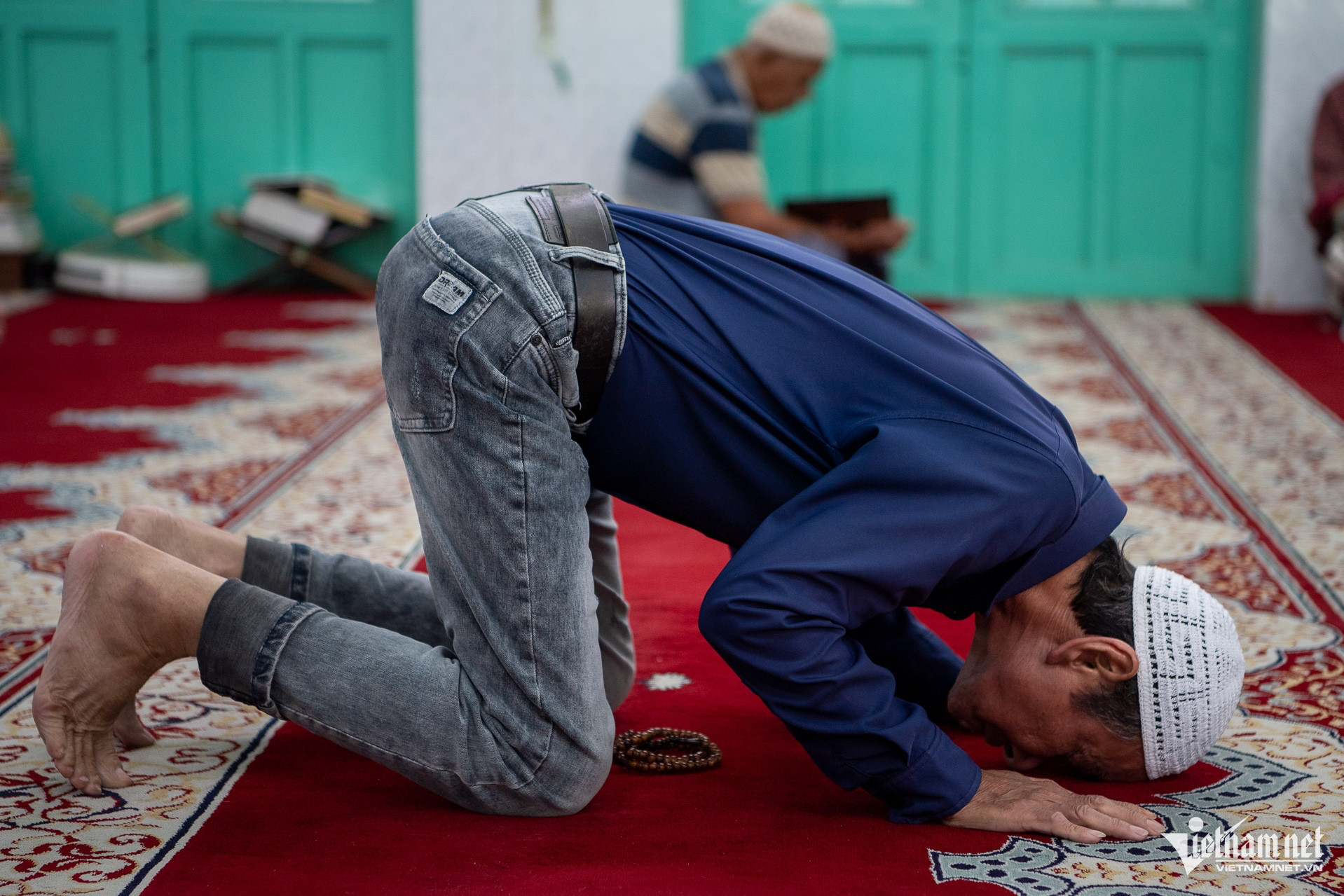

Inside the mosque, worshippers perform sujud, bowing down with their foreheads touching the floor during prayer at Jamiul Islamiyah Mosque, an expression of humility and devotion before Allah.
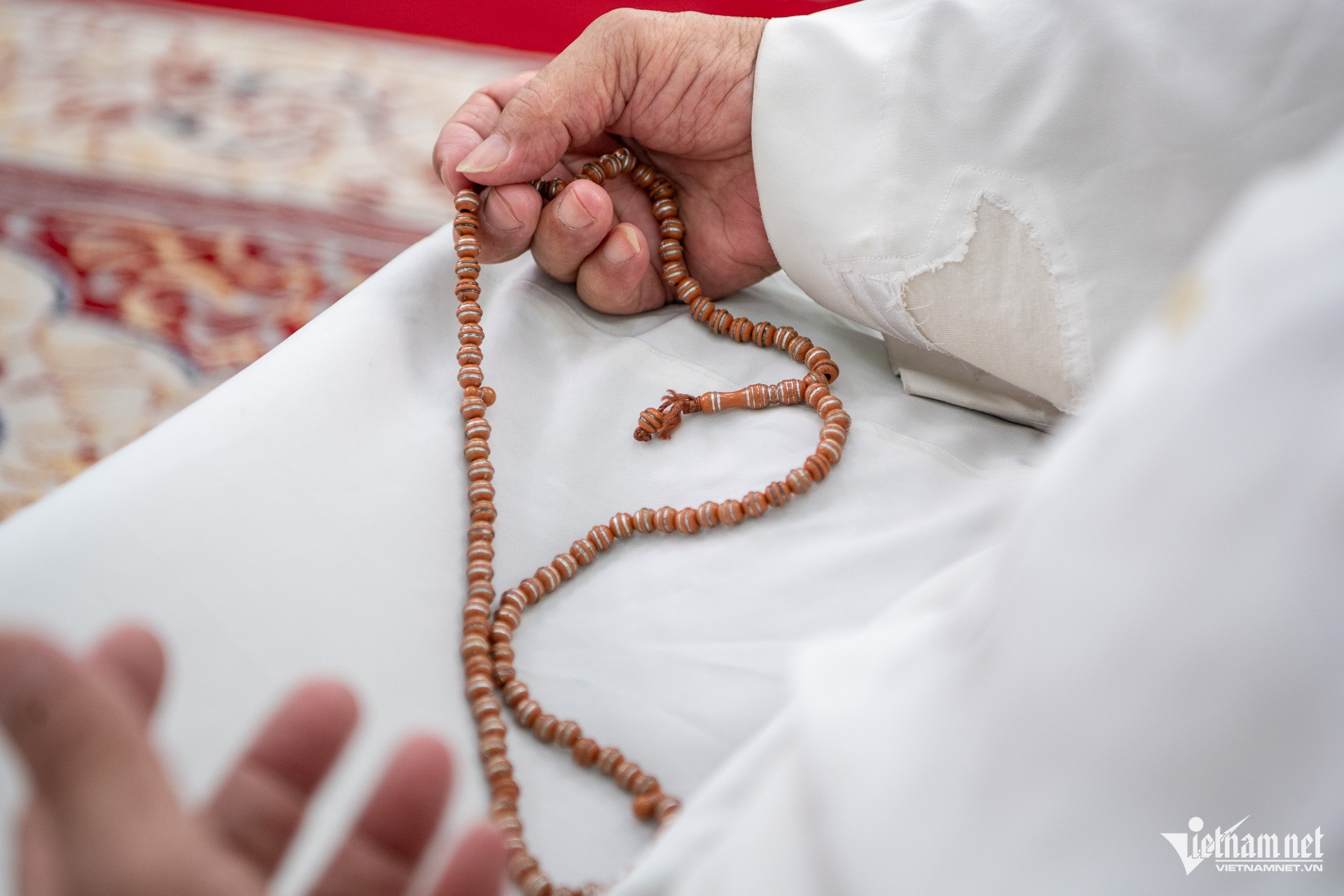
Ysa, a Cham Muslim who was born and raised in Ho Chi Minh City’s Cau Ong Lanh Ward, said Muslims pray five times a day. Friday is the most important day of worship during the week, when believers are expected to attend congregational prayers at the mosque. Worshippers are also expected to dress modestly, respectfully and neatly.

Around 60-70 worshippers gather inside the mosque for Jumu'ah prayers on Friday at noon. In the solemn atmosphere, they turn their devotion toward Allah and perform the prayer together.
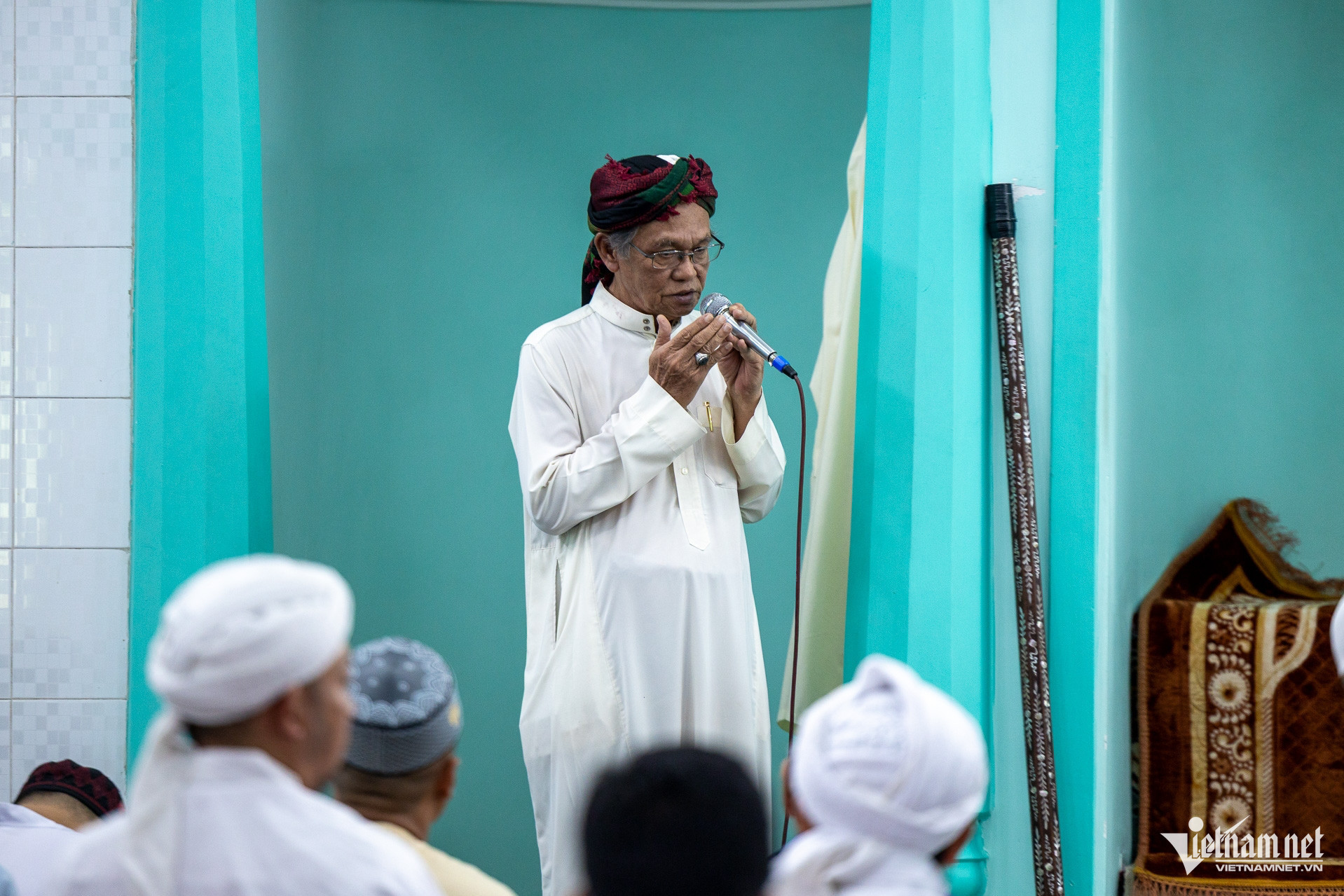
Du So, deputy head of the mosque’s management board, said Cham Muslims place great importance on following Islamic teachings and observing the five daily prayers, with Friday regarded as the most significant day of worship each week. The Friday service lasts about 45 minutes to an hour.
During the gathering, he often delivers sermons reminding worshippers to do good, avoid wrongdoing and live harmoniously with one another while strengthening solidarity within the community. When local authorities introduce new policies or guidelines, he also shares the information and encourages community members to follow them.
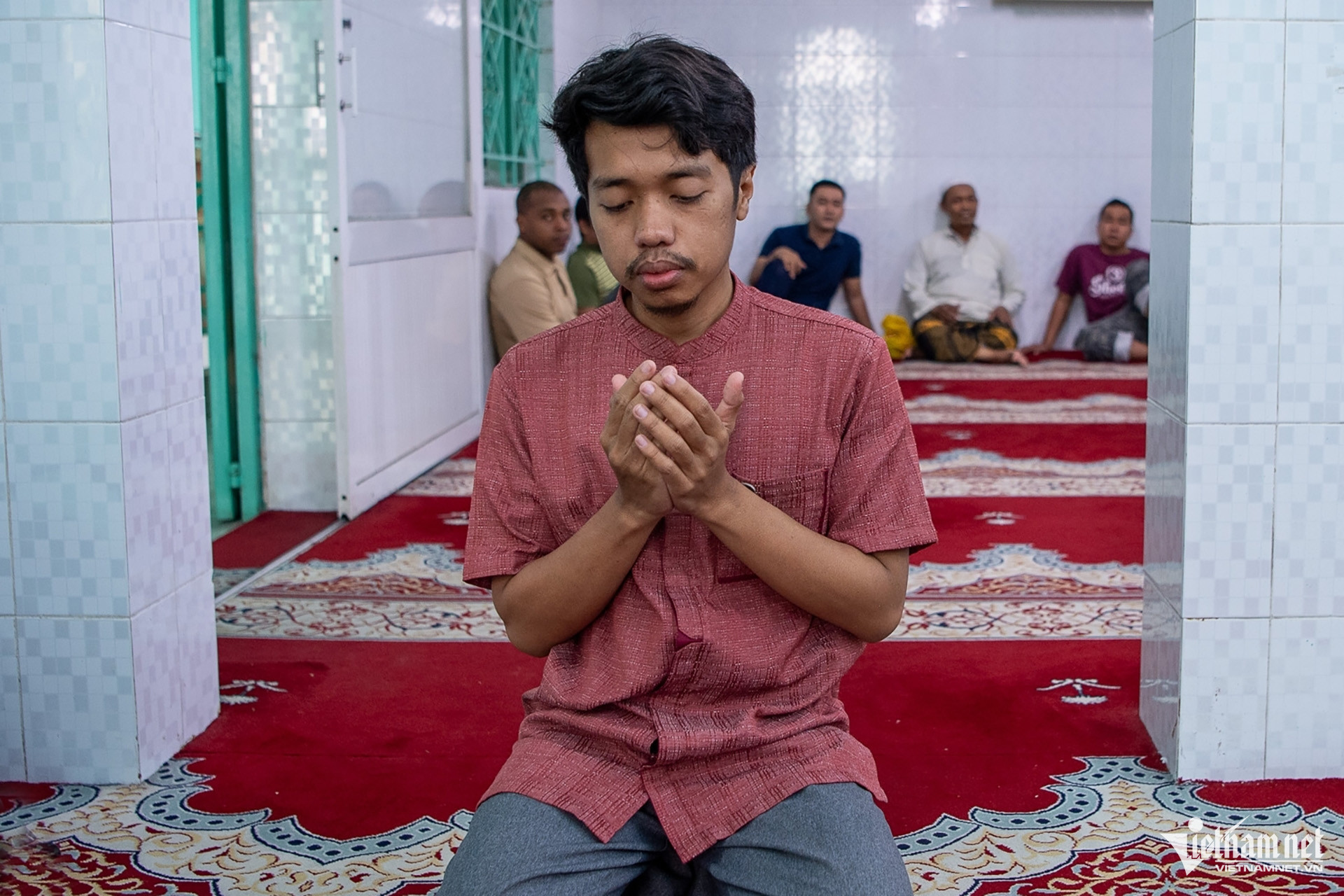
Yunnus Rizkiawan, an Indonesian visitor, said he discovered the mosque on a map while on a business trip to Vietnam. Impressed by its size, he decided to visit and pray there. He described the mosque as spacious and airy, with many features resembling mosques in Indonesia.
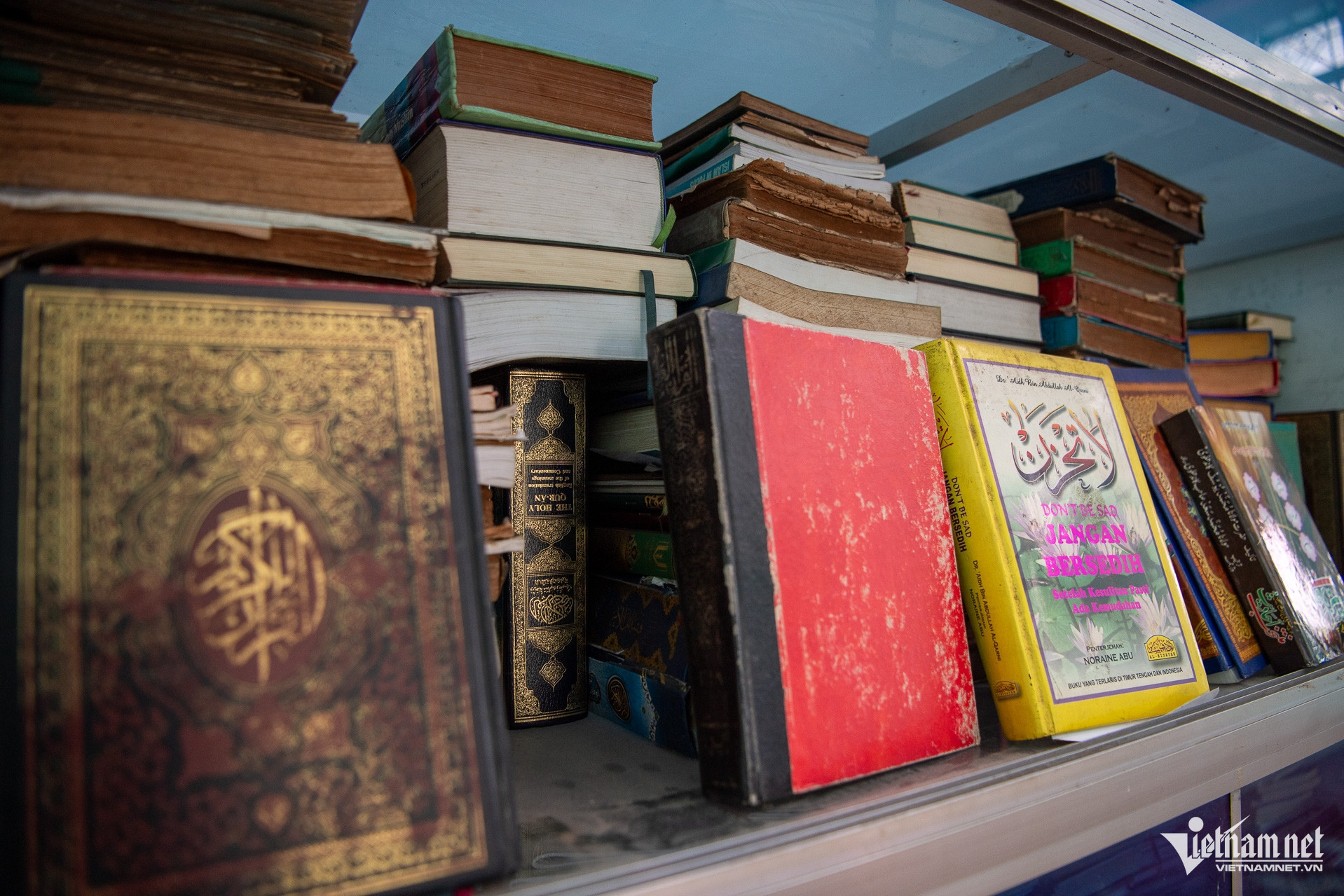
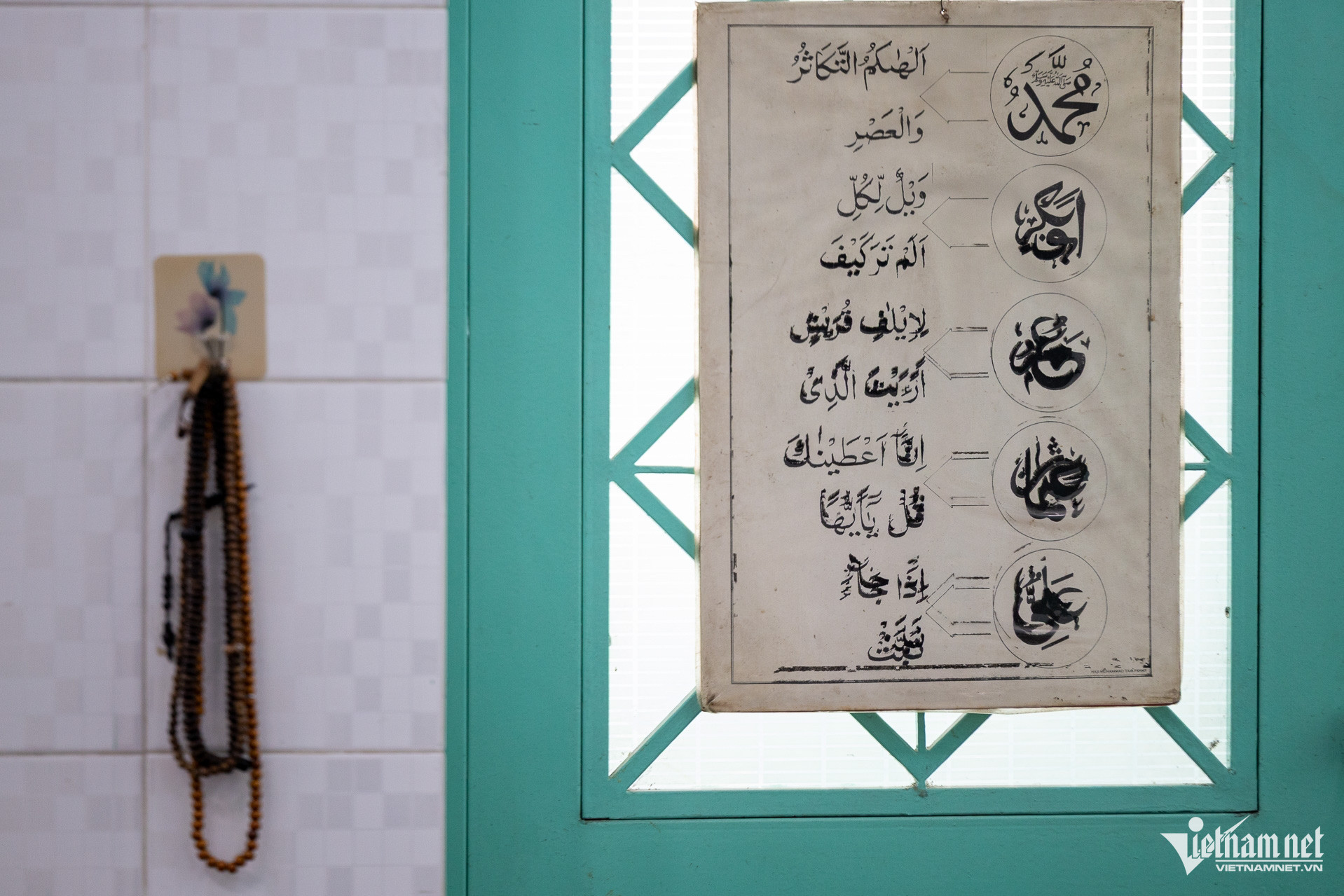
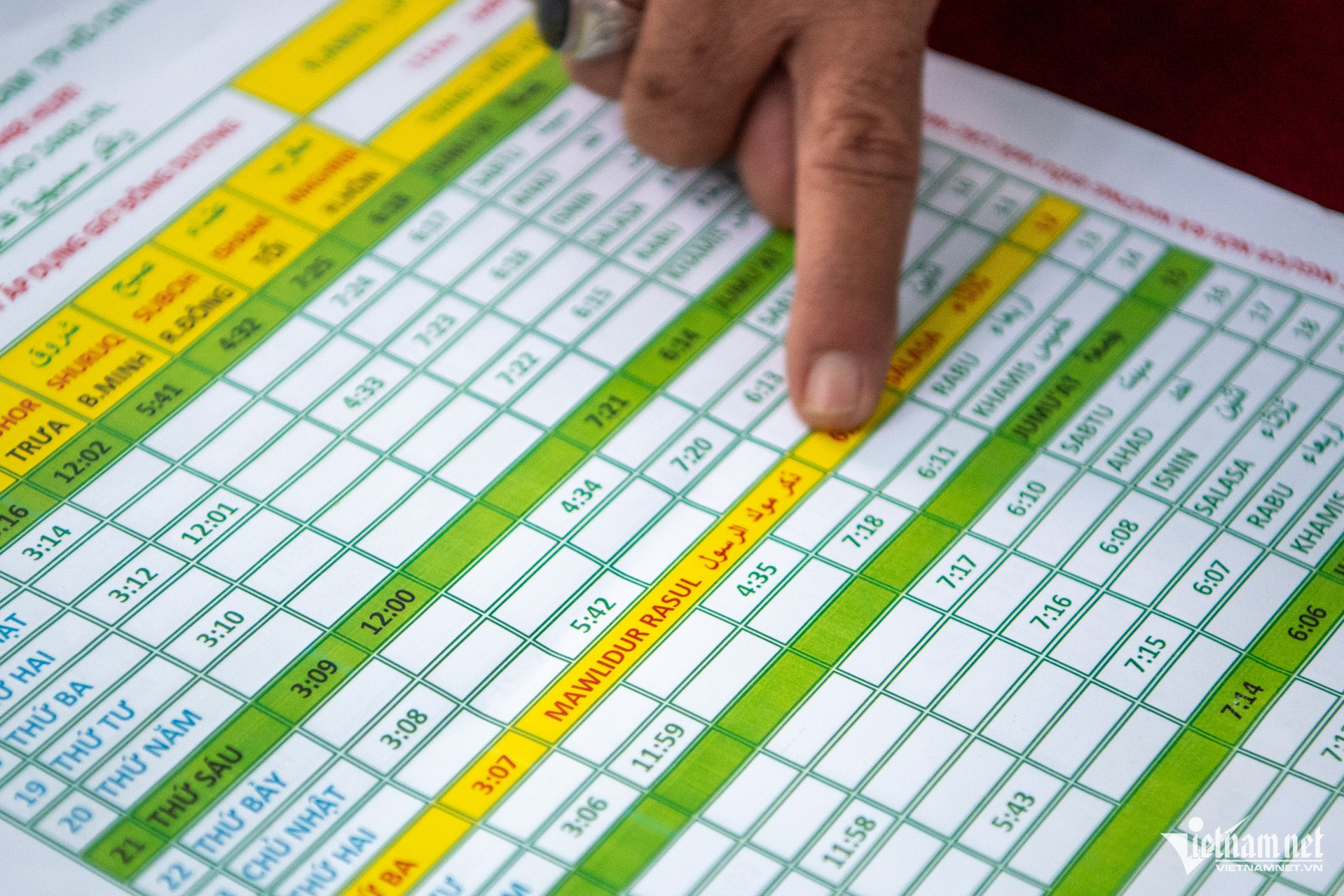
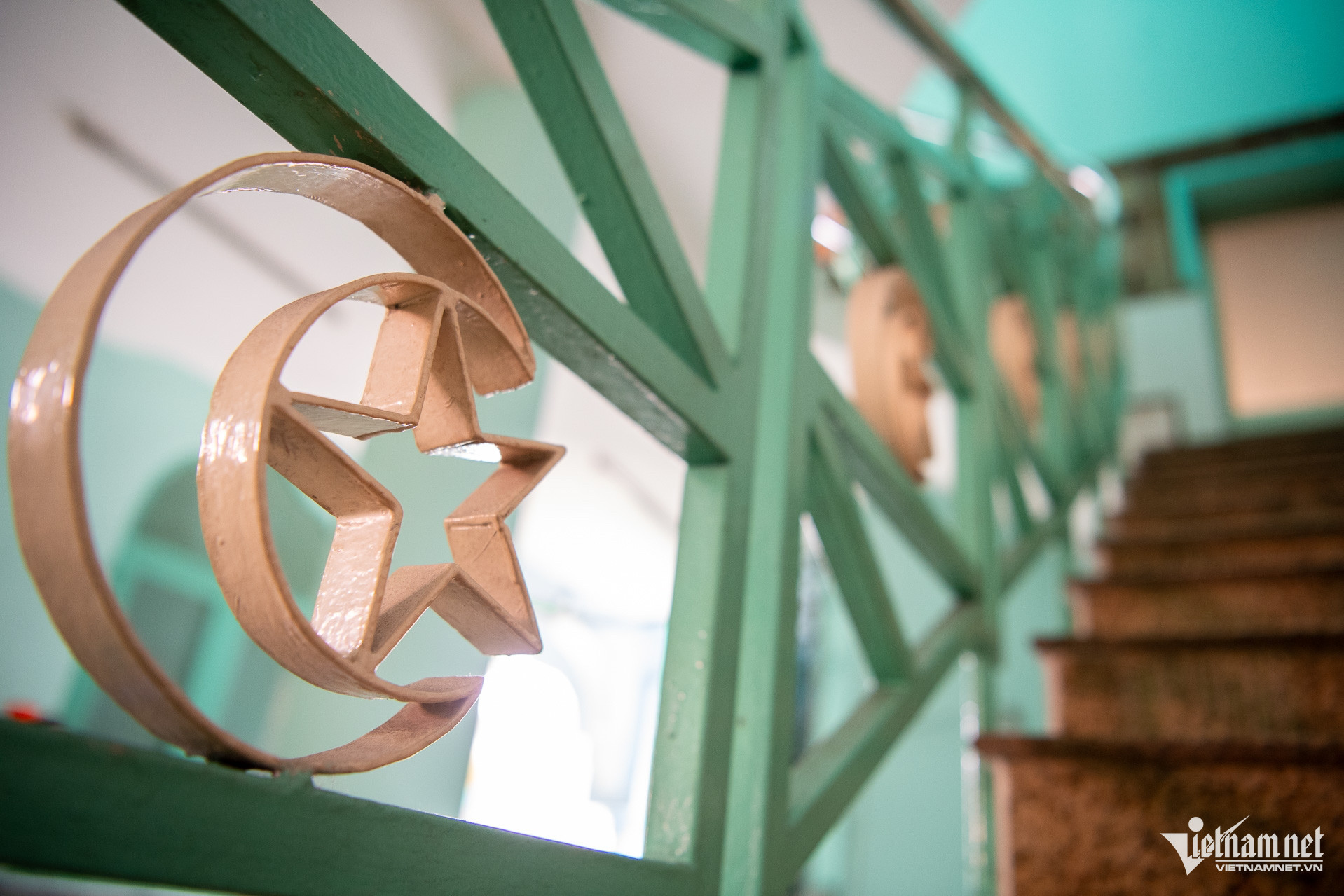
The mosque also houses numerous copies of the Quran, books on Islamic teachings and spiritual life, as well as the Hijri calendar used in the community’s religious activities.
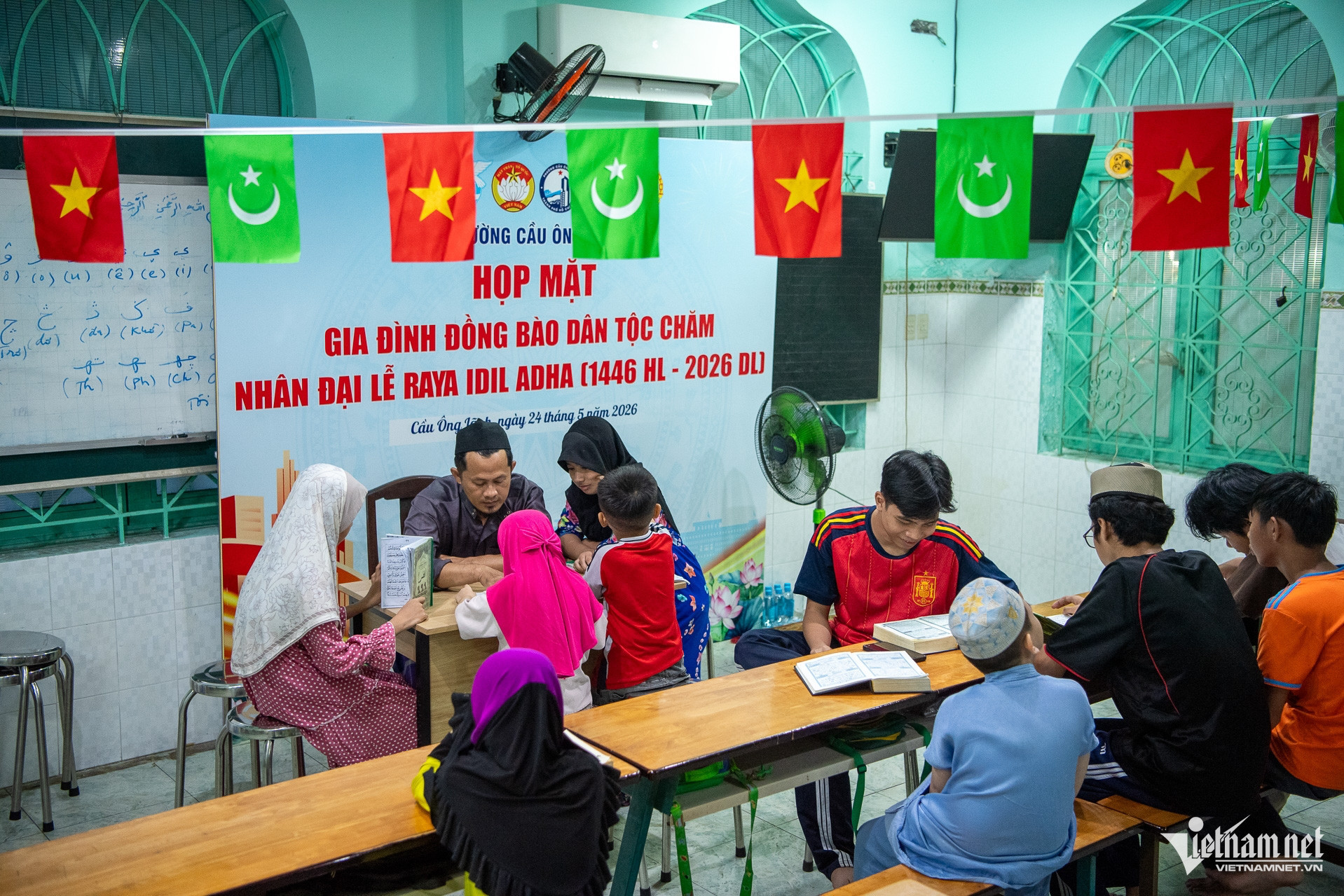
At around 6:30pm, a small class begins inside the mosque. Children learn the Arabic alphabet, practise reading the Quran and study the basic teachings and rules of Islam. They also gradually learn the Cham language, helping them better understand their community’s culture and religious life.

Fatimah Mohamath, a seventh-grade student at Duc Tri Secondary School, said she has attended classes at the mosque for around three to four years. After the family learned about the classes through an acquaintance, her older siblings began attending, followed by Fatimah and a younger sibling. She can now read and write some Cham.
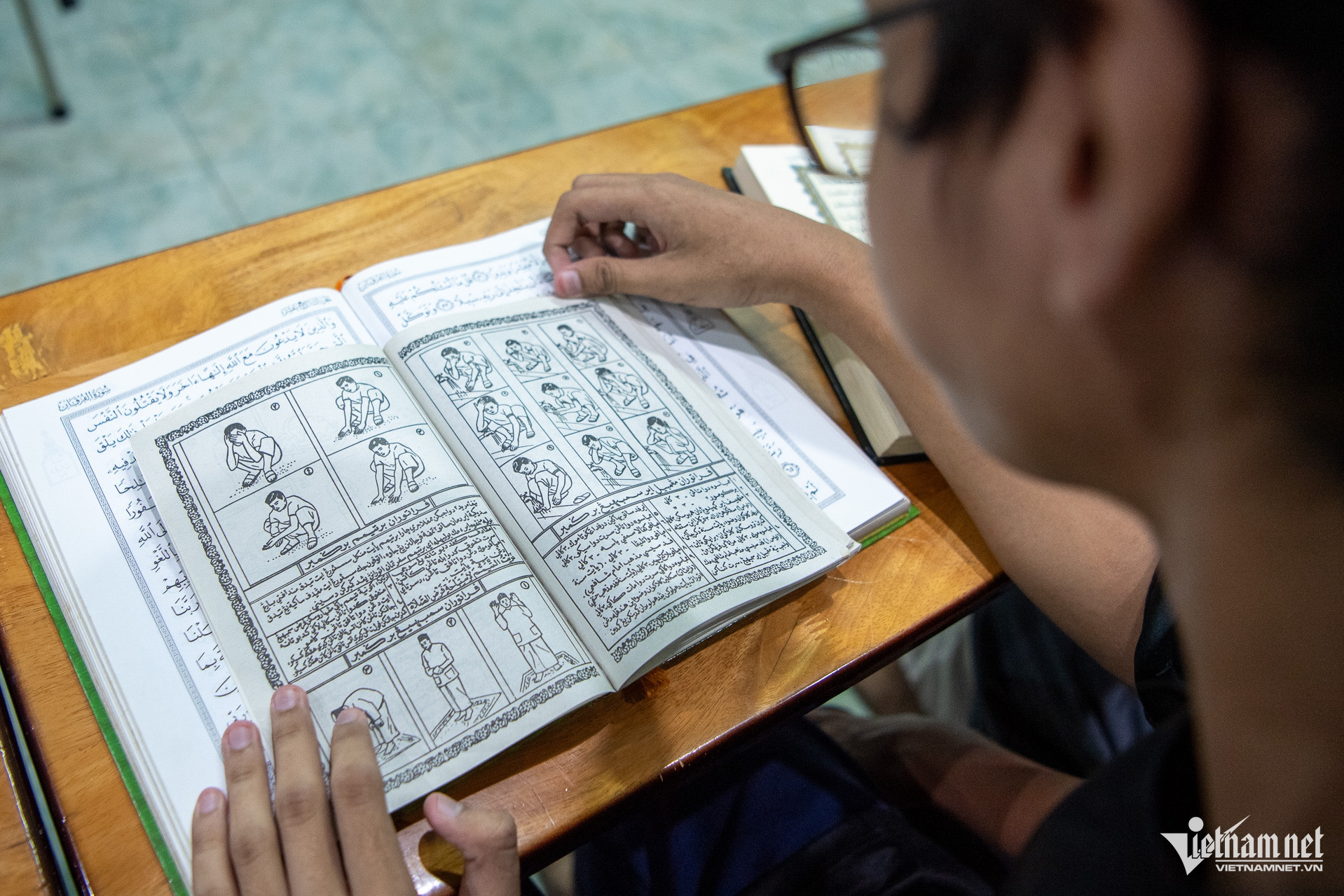
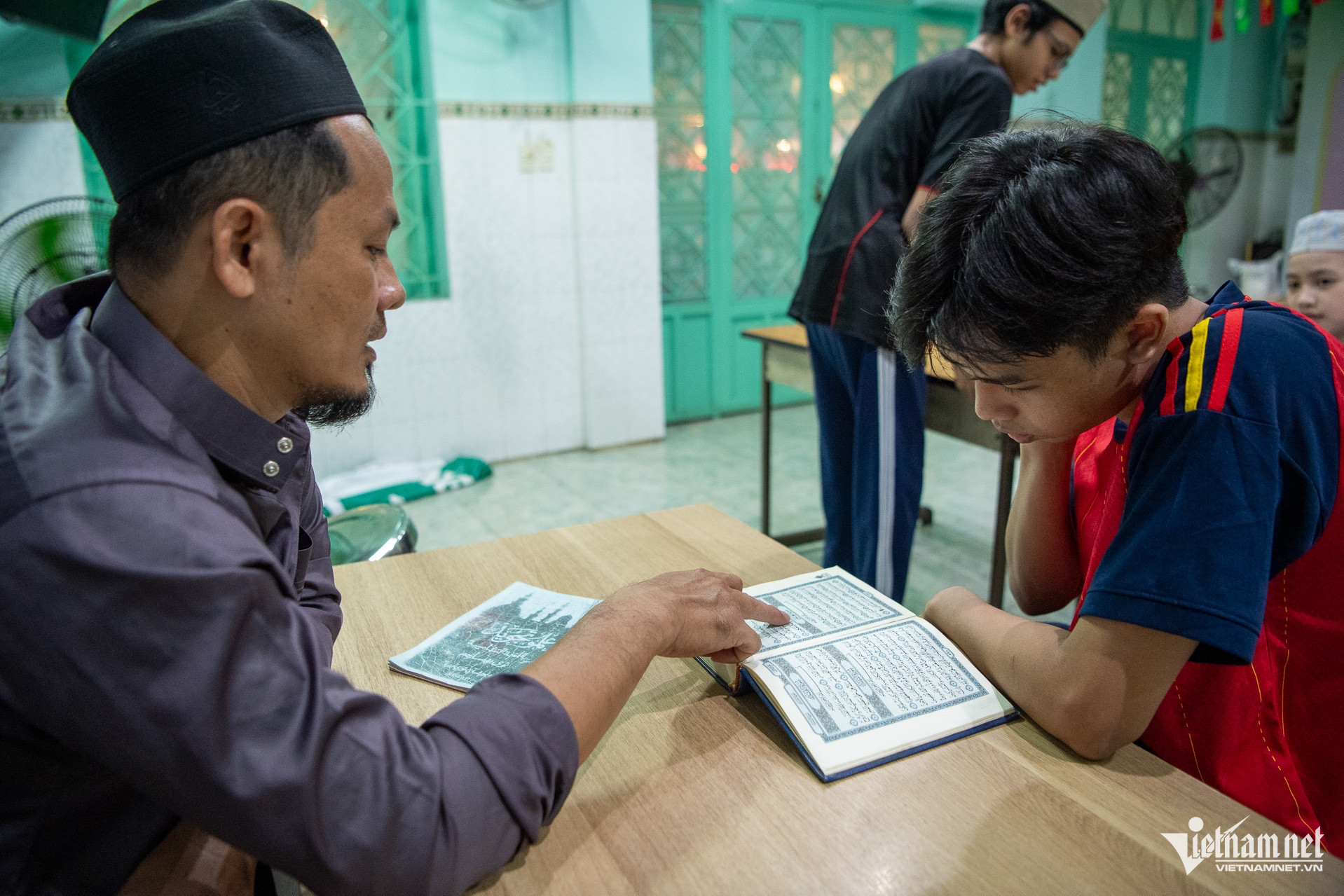
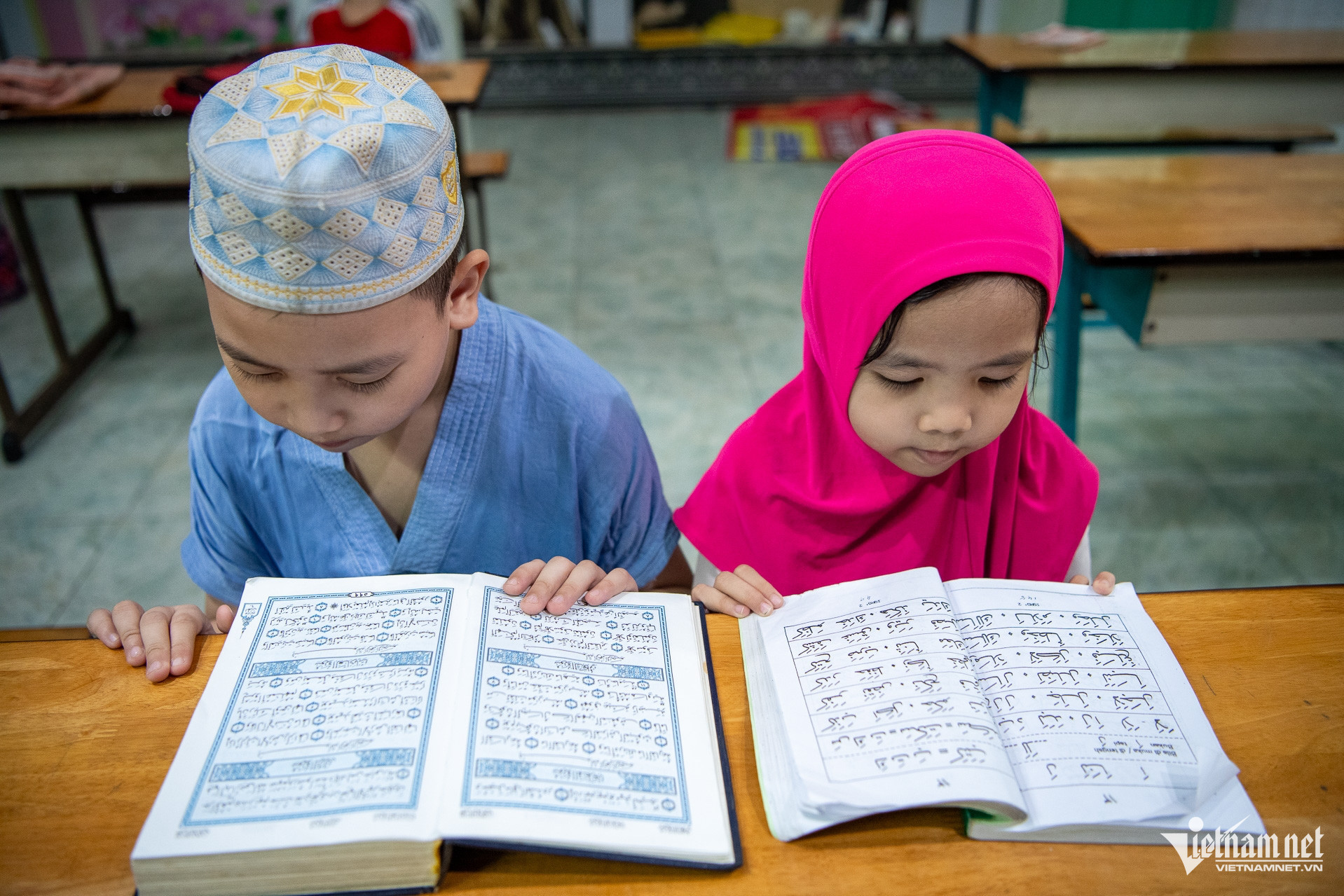
Mohammad Ibrahim has studied at the mosque for six years and grew up speaking Cham with his family. He is now fairly proficient in Arabic and has a basic command of Cham.
He believes learning the two languages helps him communicate with others and introduce Cham culture. It could also allow him to guide people of Cham descent who do not speak the language, helping them learn more about their cultural heritage and how to pray.

Ho Chi Minh City is currently home to more than 9,000 Cham Muslim worshippers living across different areas. Beyond their role as places of worship, mosques continue to provide instruction in the Quran and Cham script, as well as lessons in ethics and life skills.
They also help disseminate information about laws and regulations, contributing to community cultural life and strengthening social bonds.
Tuan Hung
.svg)
