 Vietnamnet.vn

 Podcast



Tuan Kiet
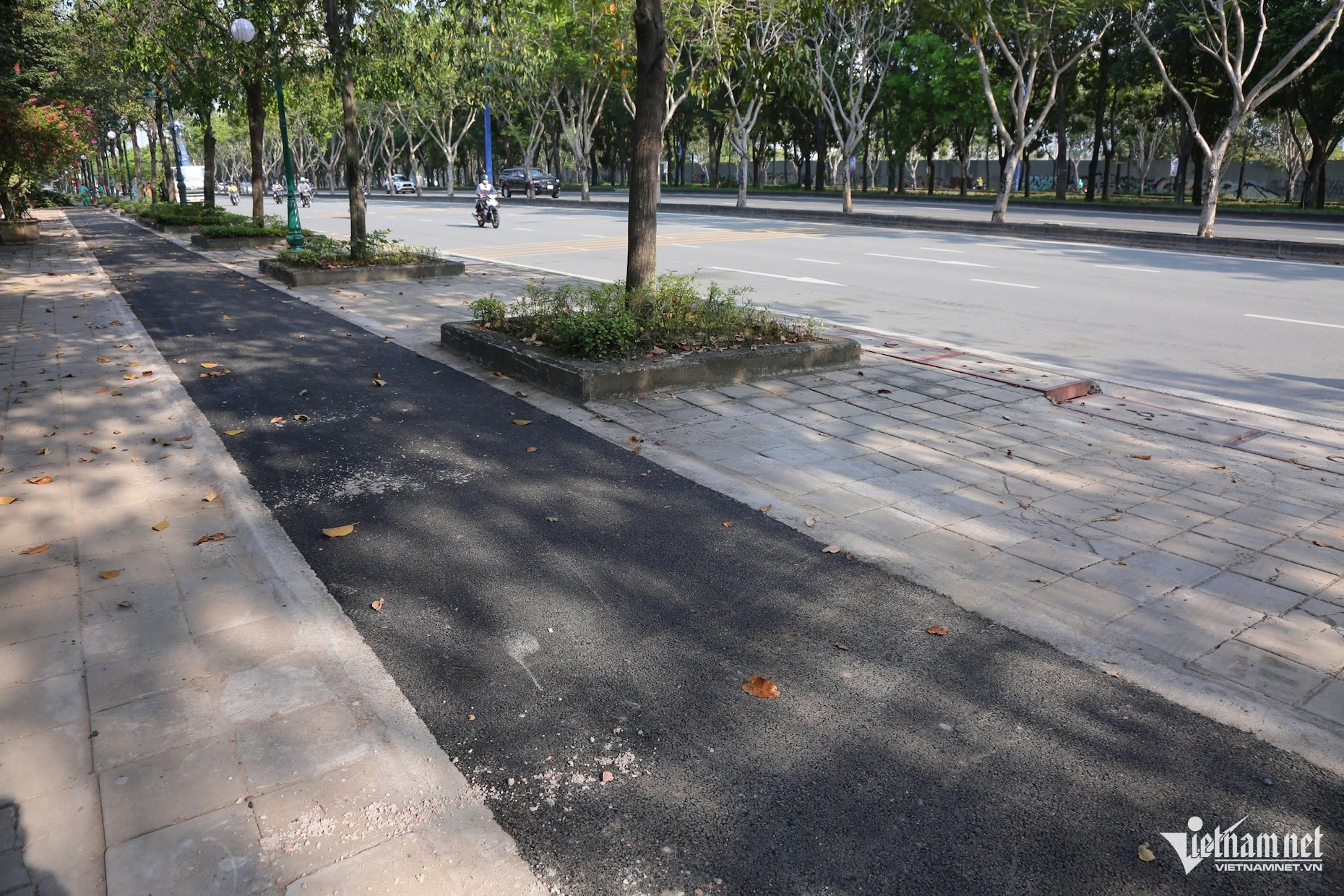
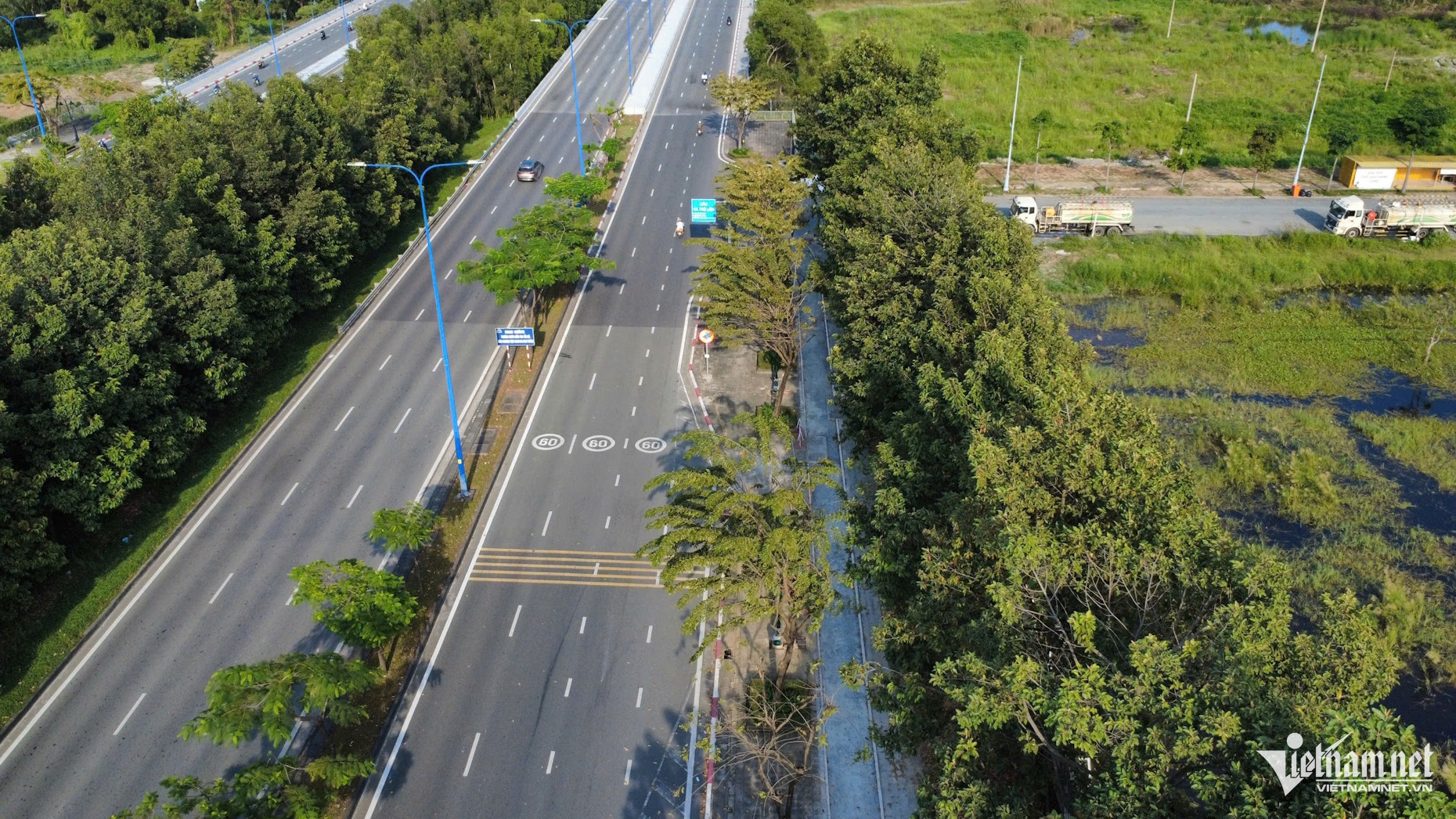
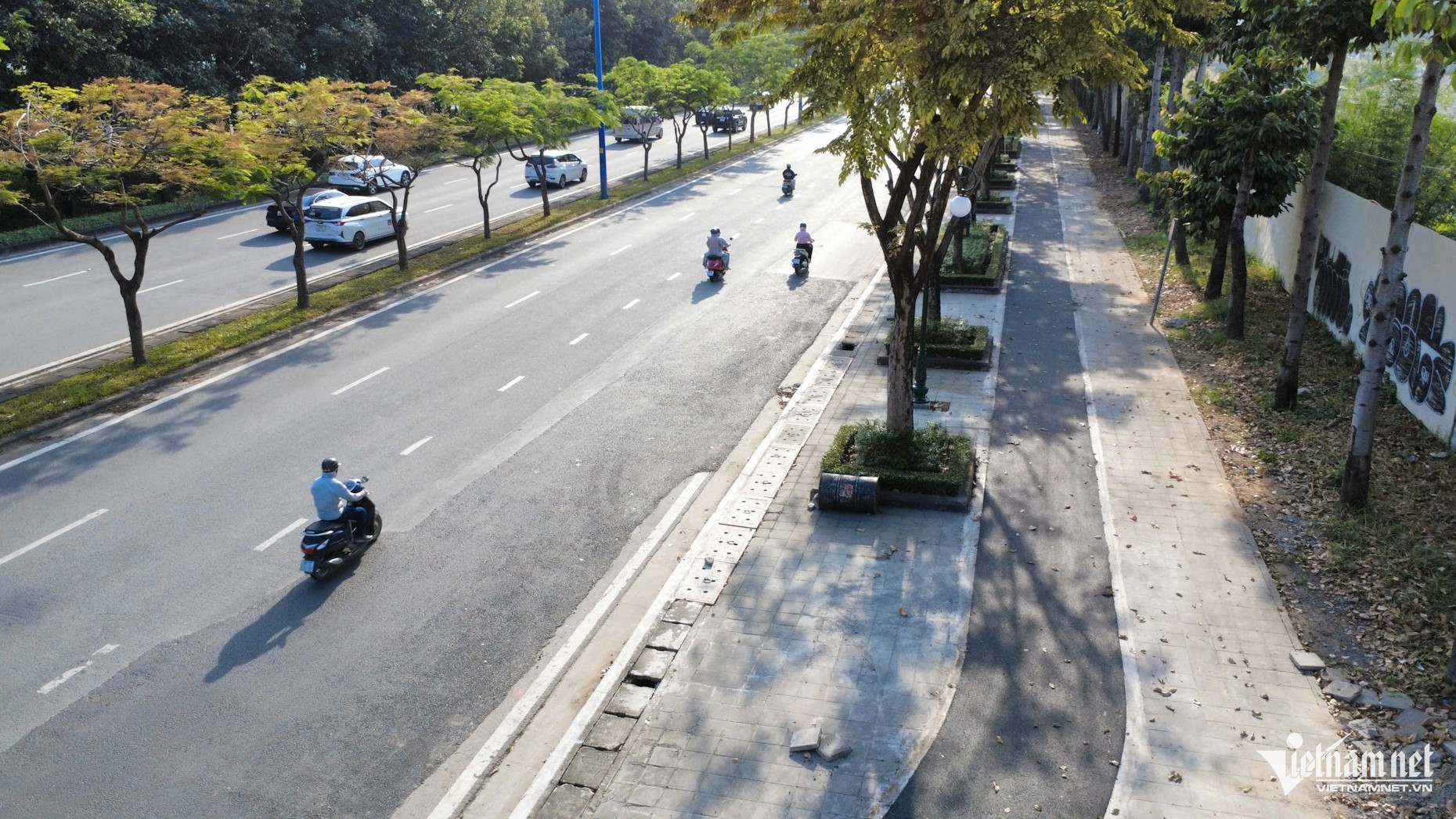
In late December 2025, asphalt strips for bicycles had been laid along both sides of the boulevard between Nguyen Co Thach Street and D1 Street.
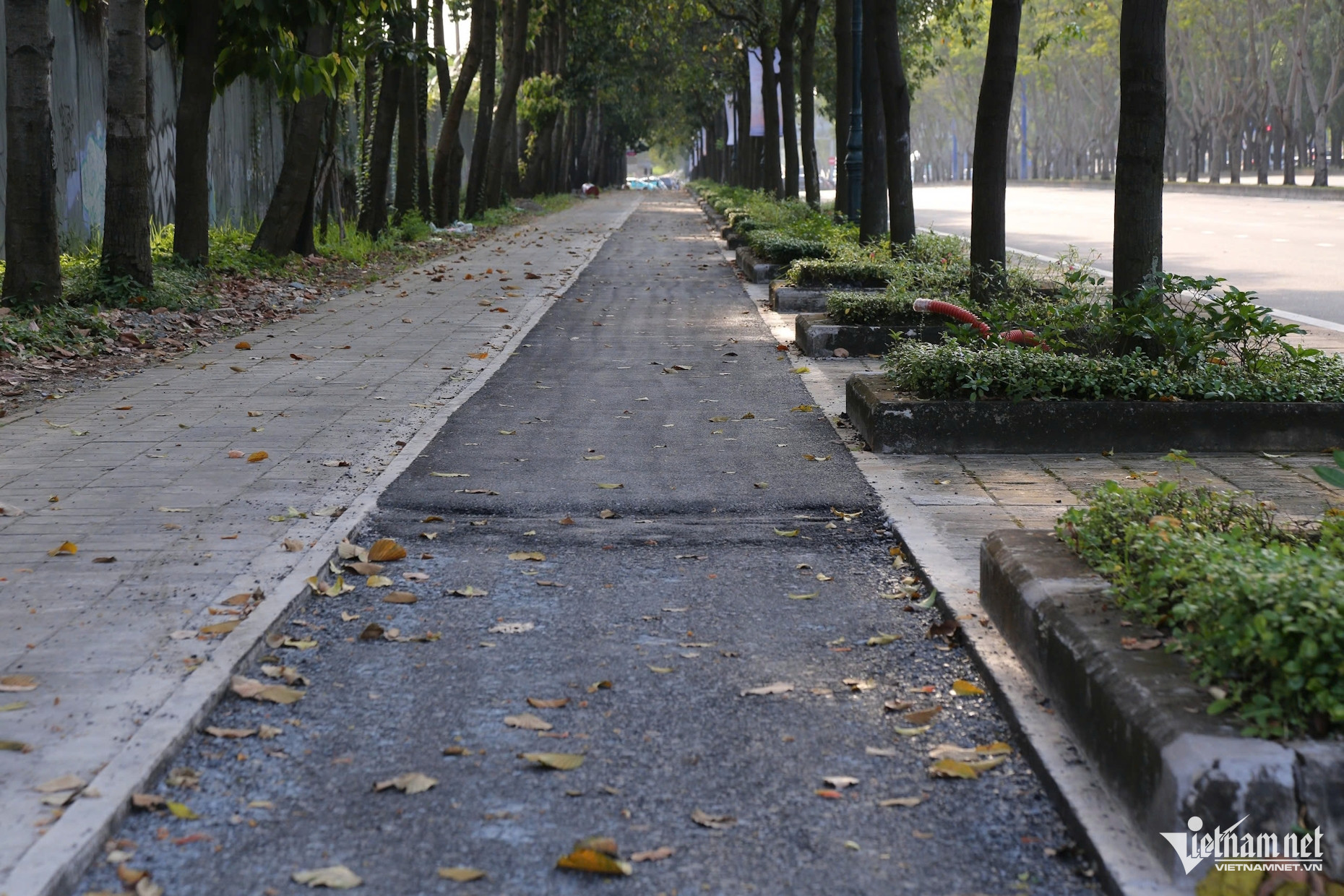
Stretching nearly 6 kilometers in both directions, the 2-meter-wide lanes curve gracefully beneath rows of green trees on the sidewalks, completely separated from the motor traffic below.
The project, managed by the Urban Transport Management Center under the Ho Chi Minh City Department of Construction, carries a total investment of more than 12.7 billion VND (about USD 500,000). Work began on October 1 and was expected to be completed within three months.
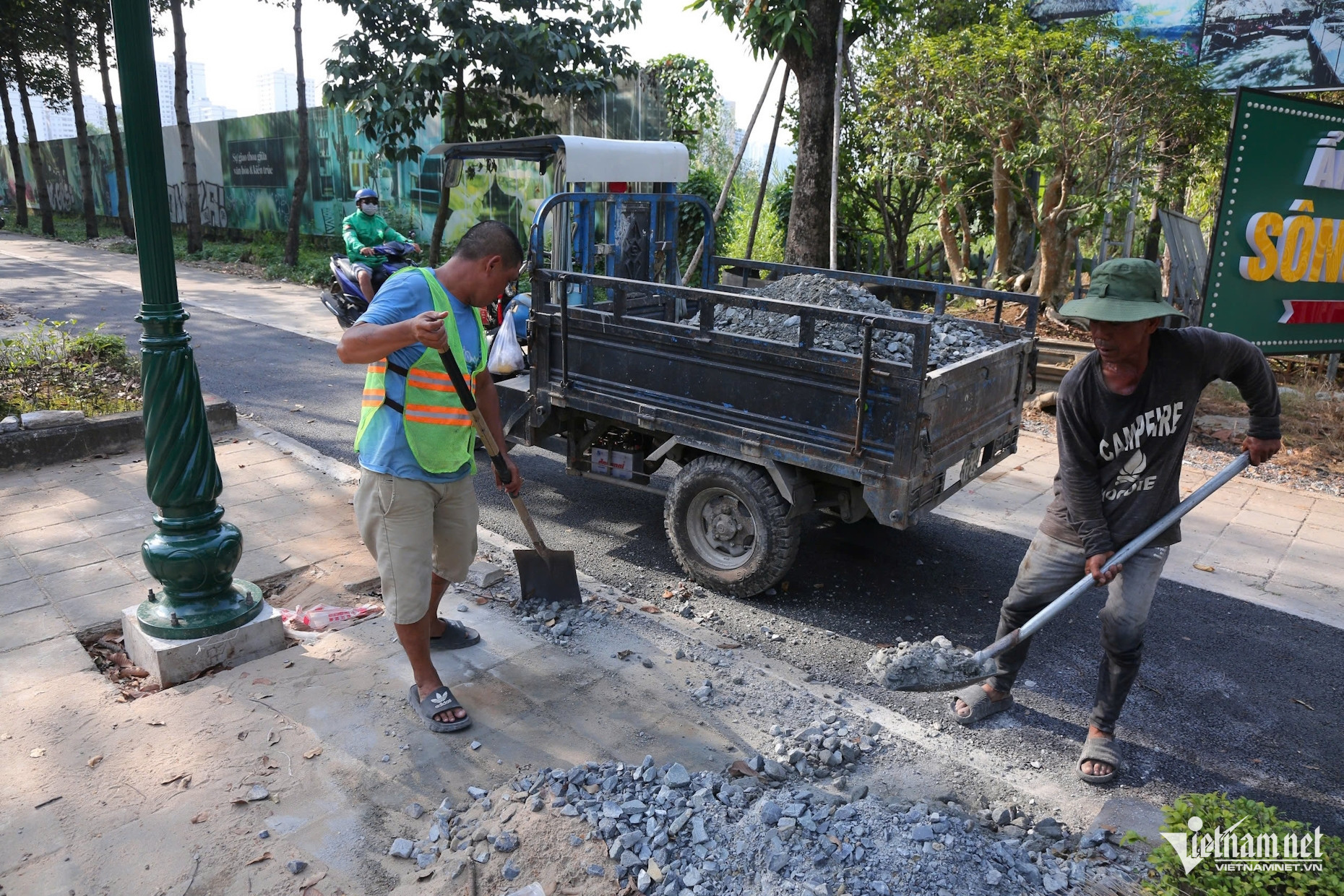
To date, more than 95% of the construction has been completed. Workers are finalizing the last details, including thermoplastic road markings, traffic signage, and the finishing touches for public bicycle stations. The project is expected to be handed over on December 31, 2025.
A representative from the construction unit said the bicycle lane is not only meant for commuting but also designed as a “green corridor” connecting major urban areas such as Sala and New City with metro stations, aiming to create a sustainable transport ecosystem.
The appearance of this dedicated cycling lane has received strong support from residents living along Mai Chi Tho Boulevard and from those who often cycle for exercise.
Nguyen Van Nam, 38, a resident of the Sala urban area, shared that before, every cycling session meant sharing lanes with motorcycles - and sometimes even cars - posing constant risks.
“Buses and trucks passing close by always made me anxious about accidents. Now, with this dedicated lane on the sidewalk, I feel much safer and can even let my children join me without worrying about traffic collisions,” Nam said.
Office worker Minh Anh, who works in the Saigon ward area, expressed excitement and hopes the lane will help change daily commuting habits.
“If the route is convenient and safe, I’m ready to ride my bicycle and combine it with taking the bus to work. Avoiding traffic jams and exhaust fumes during rush hours has always been my wish. I hope the city expands this model to more roads so we can move continuously by bike,” she shared.
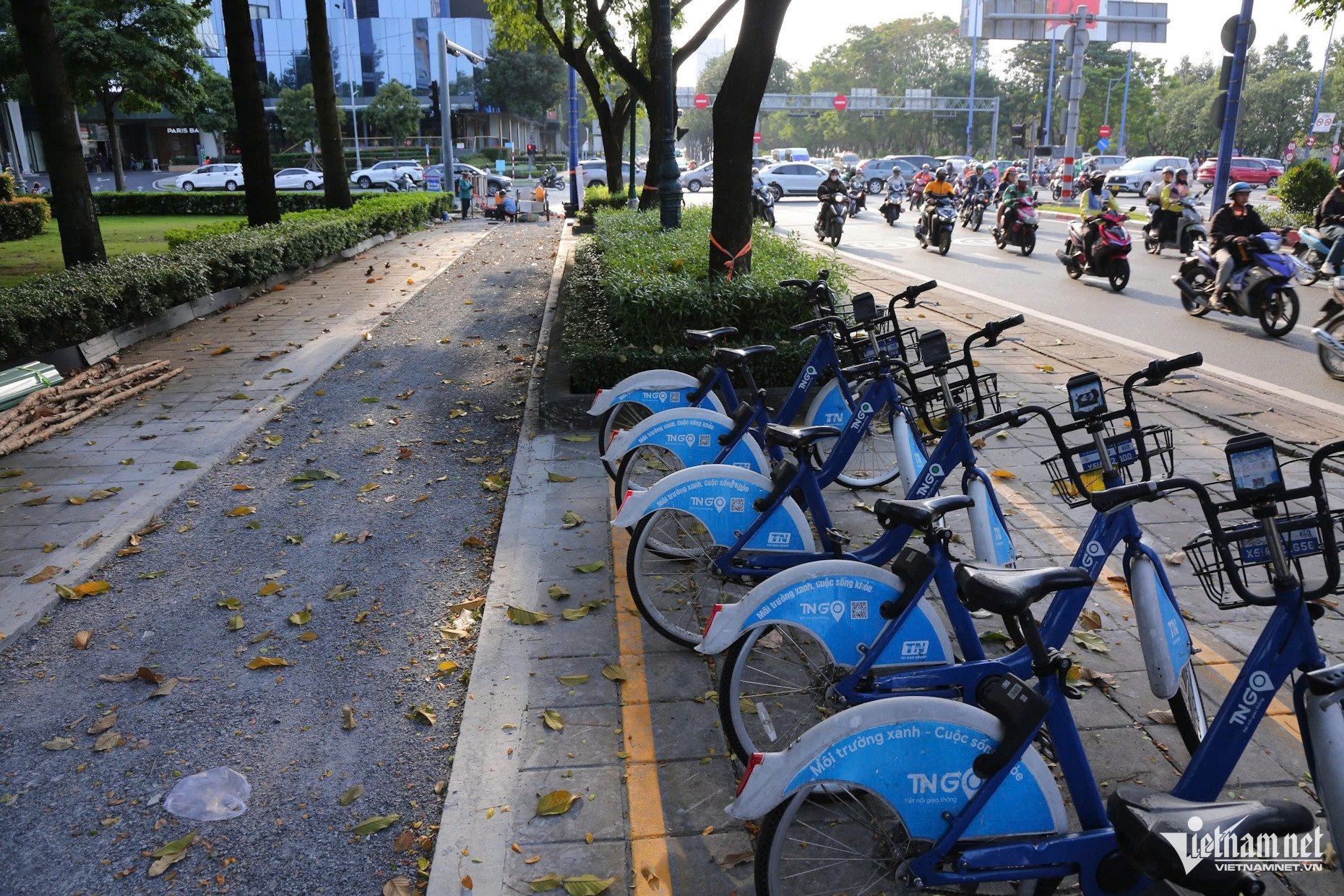
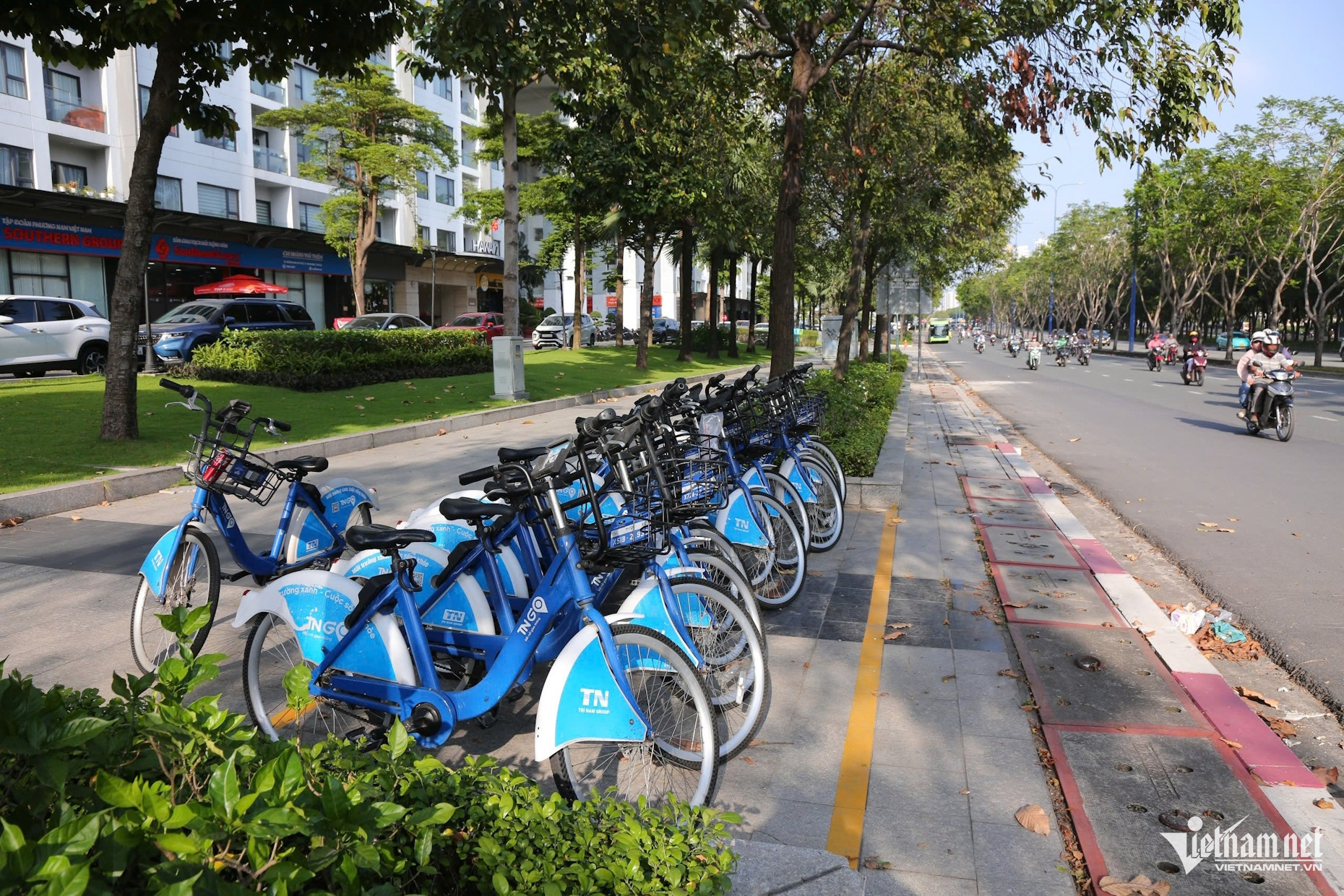
The project not only enhances traffic safety but also represents a concrete step in Ho Chi Minh City’s carbon reduction strategy. Along the route, five public bicycle stations have been installed, allowing residents to connect easily with other public transport options.
Once operational, the Department of Construction will evaluate the pilot’s effectiveness to decide whether to expand the dedicated bicycle lane network in central areas and link them directly to Ben Thanh – Suoi Tien metro stations.

.svg)
