 Vietnamnet.vn

 Podcast


After five consecutive pregnancy losses, Le Thi Linh, 33, from Hanoi, has experienced an emotional journey to welcome her premature daughter, who weighed just 750 grams at birth.
High risk of premature birth
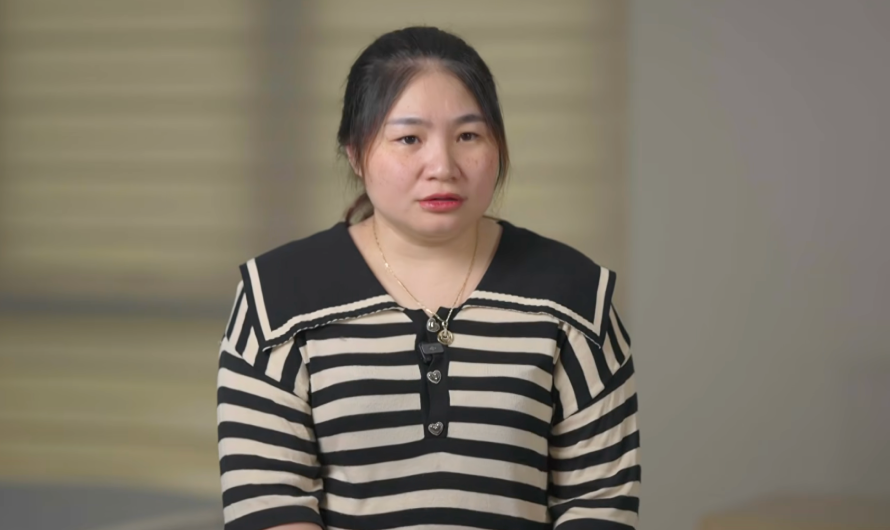
Linh already has a six-year-old daughter. For years, her family had hoped to welcome another child, but those hopes repeatedly ended in heartbreak.
She had experienced five pregnancies that ended in extremely premature deliveries between 18 and 27 weeks of gestation, with none of the babies surviving.
When she became pregnant again, her happiness was overshadowed by anxiety.
At 12 weeks, she underwent a cervical cerclage procedure, in which the cervix is stitched closed to help reduce the risk of premature birth.
Despite close medical monitoring, Linh was hospitalized on May 17, when she was just 21 weeks and one day pregnant, with an extremely high risk of premature delivery.
Her cervix had shortened, the amniotic membranes were beginning to bulge, and the fetus weighed approximately 400 grams.
Had the baby been born at that stage, her chances of survival would have been extremely slim.
For a mother who had already lost five babies, the complications brought back painful memories.
Doctors decided to make every effort to prolong the pregnancy without compromising Linh's safety.
Over 32 days and 32 medical shifts, the team continuously monitored bleeding, uterine contractions, infection risks, signs of labor and the baby's condition.
Every additional day in the womb gave the baby another opportunity to develop.
On June 18, at 25 weeks and five days of pregnancy, Linh began experiencing stronger contractions, and the baby's head descended.
With the risk of complications increasing, doctors decided to remove the cervical stitch and allow the baby to be delivered.
A baby girl weighing just 750 grams was born.
Following delivery, Linh developed uterine atony, a potentially life-threatening condition in which the uterus fails to contract properly. The medical team provided emergency treatment and successfully preserved her uterus.
Meanwhile, her daughter, affectionately nicknamed Gau, began her fight for survival in the neonatal department.
The remarkable journey of a 750-gram baby
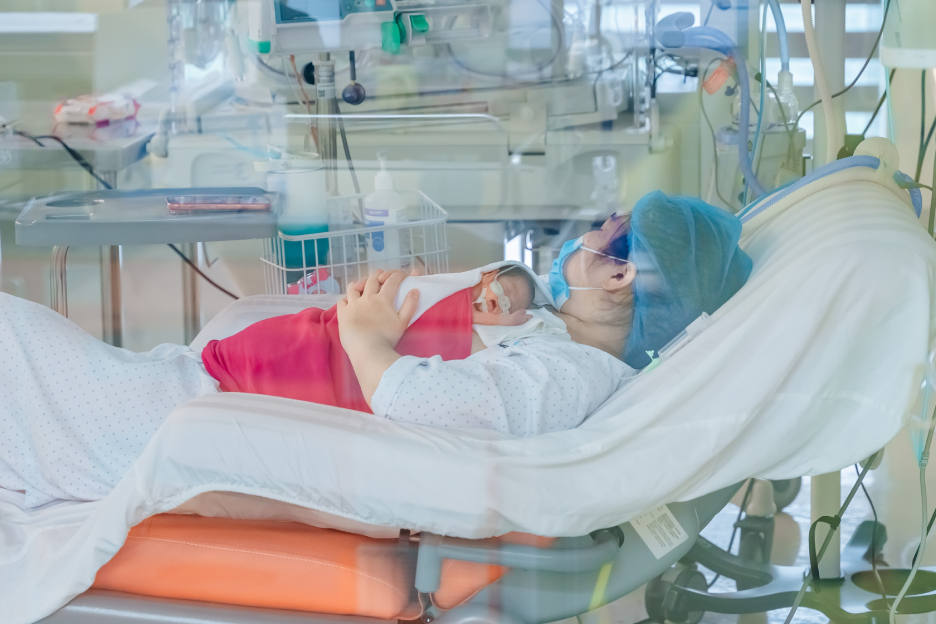
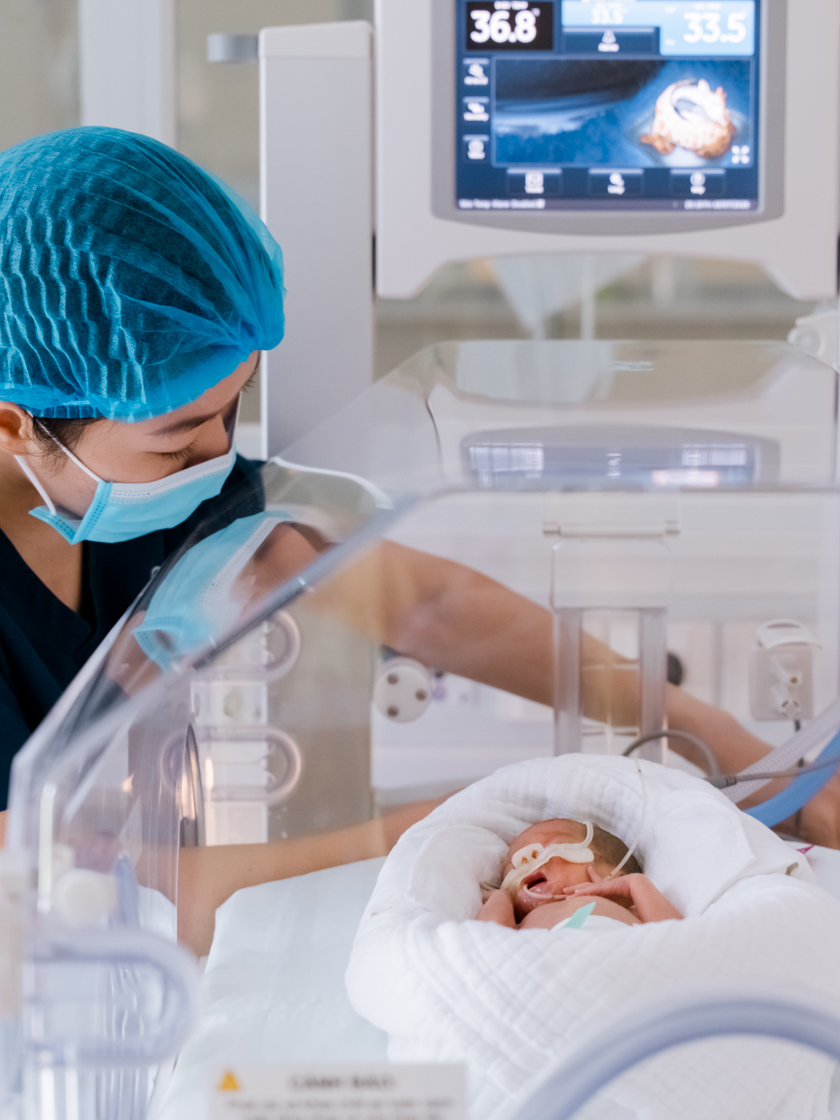
Linh was discharged from hospital on June 24.
Twelve days later, she returned, not for treatment, but to hold her daughter and provide skin-to-skin care.
Recalling the first time she held her baby, Linh struggled to contain her emotions.
"The nurses placed her on my chest. She was so tiny that she could fit in the palm of my hand," she said. "She was so small that my whole body went stiff because I was afraid to move. I had never imagined she would be that tiny. But seeing her long little arms and legs made me happy."
During her daughter's hospitalization, Linh found joy in the smallest signs of progress.
A phone call from the nurses saying that Gau had finished her milk, passed urine or stool normally, or shown another positive development was enough to lift her spirits.
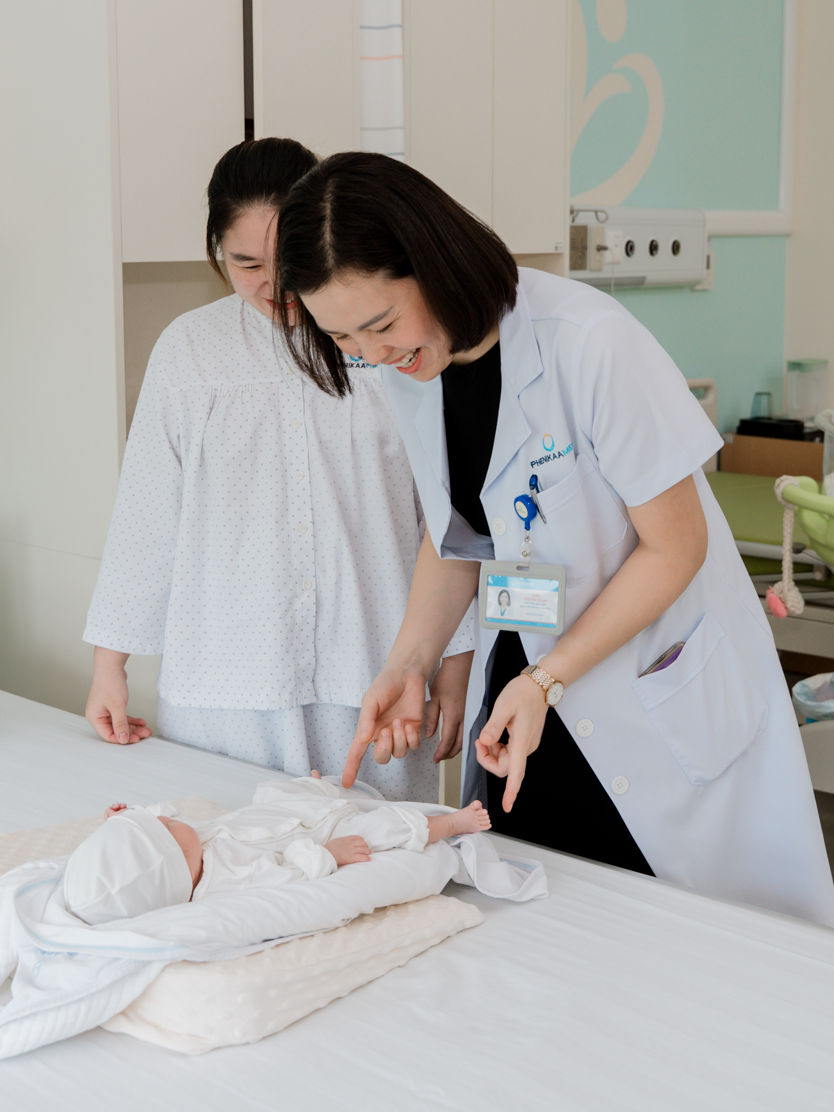
Linh also carefully learned how to care for an extremely premature baby.
She received guidance on feeding, changing diapers, monitoring the color of her daughter's lips and skin, and recognizing warning signs, particularly episodes in which the baby might temporarily stop breathing.
On September 6, Gau weighed 2.6 kilograms and was considered healthy enough to leave the hospital with her mother.
Two months later, her weight had increased to 5.2 kilograms.
Dr. Nguyen Thu Hang from the Neonatal Department at Phenikaa University Hospital said Gau was unable to breathe independently immediately after birth.
Doctors intubated the newborn and administered medication to help her lungs function.
Every medical decision had to be made quickly and with close coordination among the specialists involved.
"The first three to five days were particularly critical because of the risks of brain hemorrhage, pulmonary bleeding and unstable circulation," Hang explained.
However, Gau continued to improve with each passing day.
The doctor said the baby is now healthy, alert and responsive, with active eye movements and good interaction with people around her.
Gau's survival and recovery required close cooperation among numerous medical specialties, including obstetrics, fetal medicine, diagnostic ultrasound, microbiology, genetics, clinical pharmacy, anesthesiology and intensive care, laboratory medicine, blood transfusion services, neonatology and nursing.
Phuong Thuy

