 Vietnamnet.vn

 Podcast



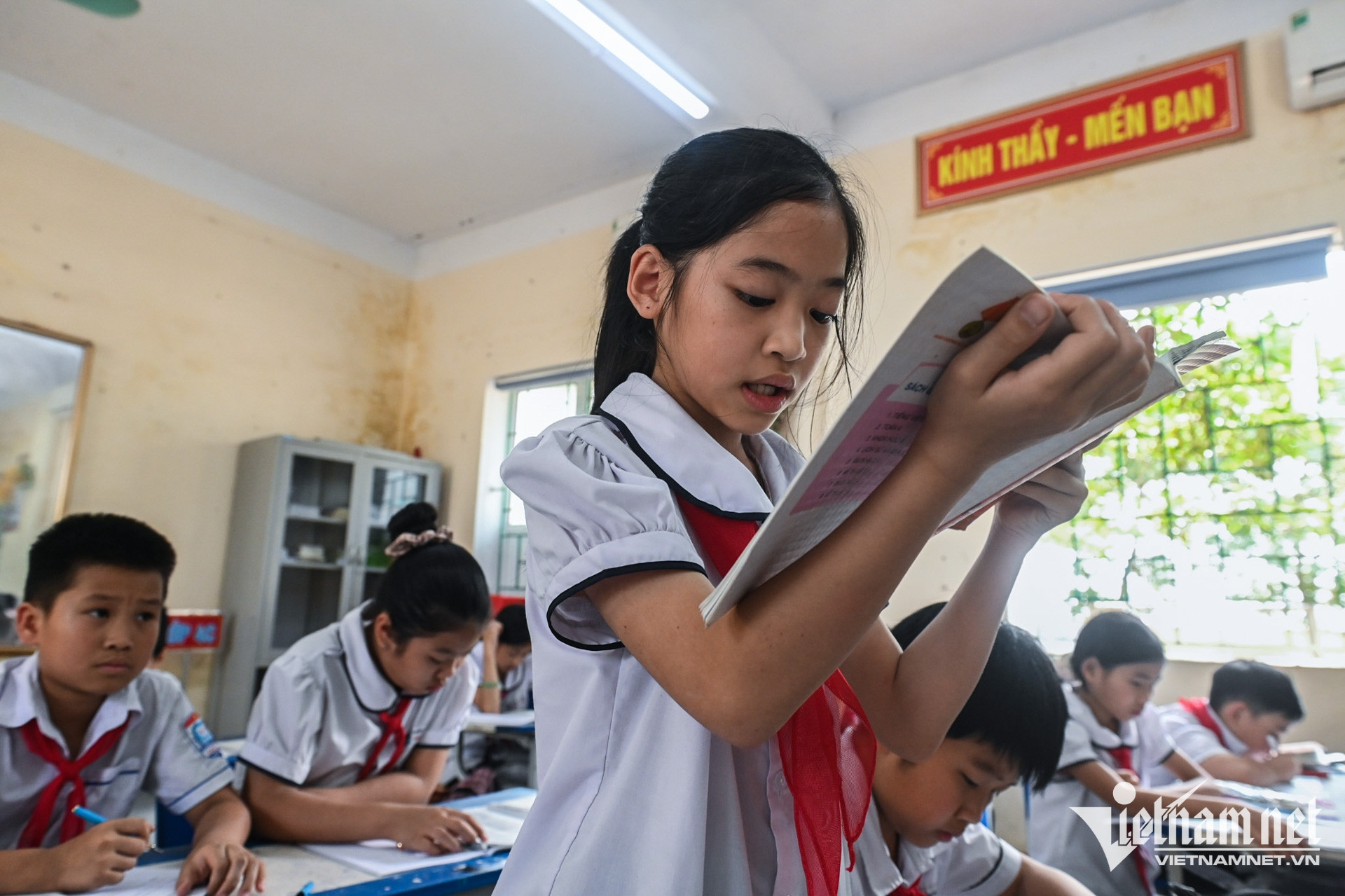
The Vietnamese government has issued Decree No. 271/2026, introducing a nationwide policy on free textbooks for general education students, alongside tuition-free national defense and security education textbooks and course materials for students in higher education and vocational education institutions.
The decree adopts a borrowing-and-return system that allows textbooks to be reused multiple times. It prioritizes making full use of existing textbook inventories and transferring books between schools through interconnected library networks within the same locality before purchasing new ones. The policy aims to reduce pressure on the state budget, protect the environment, minimize waste and improve the management of public assets.
The free textbooks covered by the decree include those listed in the national textbook catalog approved for nationwide use by the Minister of Education and Training, as well as adapted textbooks or alternative learning materials designed to meet the learning needs of students with disabilities.
At the beginning of each school year or semester, every student will be entitled to borrow one complete set of textbooks corresponding to their grade-level curriculum. Students are required to return the books to the school library after completing the school year or semester.
For students transferring schools, the decree requires them to return all borrowed textbooks to their current school before completing transfer procedures.
The receiving school must provide the transferring student with the necessary textbooks from the day of enrollment to ensure there is no disruption to learning.
Textbook management in school libraries must comply with library standards for preschool and general education institutions issued by the Ministry of Education and Training.
By June 15 each year, schools must complete the receipt, inventory and storage of textbooks to ensure sufficient quantities for the upcoming academic year. Schools are also required to update data in the library management system and label, code and classify books in preparation for student borrowing.
Regarding textbook transfers, provincial People's Committee chairpersons will use data collected from educational institutions to coordinate transfers between libraries within their jurisdictions to maximize efficiency. Priority will be given to textbooks that remain in good condition, with complete content and no damage that could affect students' learning.
Students will borrow textbooks from school libraries at the beginning of each school year or semester. Every lending transaction must be recorded in either a borrowing log or library management software, including confirmation of the number of books and their physical condition, specifying whether each book is new or previously used at the time of handover.
On textbook collection after the school year, the decree stipulates that students must return all borrowed textbooks within 15 working days after the end of the academic year, or upon transferring schools or leaving school, unless they need to continue using them for review, make-up examinations or completion of their study program in accordance with regulations.
Schools are responsible for inspecting the returned textbooks, assessing their condition and classifying them into books suitable for continued use, books requiring maintenance or repair, and books proposed for disposal under regulations governing public asset management.
Localities encouraged to introduce free textbooks earlier
For private educational institutions, textbooks supported by the state budget must be managed and used for their intended purpose, ensuring efficiency, cost-effectiveness and direct support for teaching and learning. When textbooks are no longer needed, schools must compile and hand them over to the relevant authorities for possible redistribution to other educational institutions.
Under the implementation mechanism, the state will purchase textbooks and provide them to school libraries, allowing students to borrow and return them during each school year or semester in accordance with school regulations.
Educational institutions are responsible for organizing textbook lending and collection. After each period of use, textbooks will be retrieved, inventoried and preserved for reuse in subsequent academic years.
Textbook management will be conducted through registration systems or library management software. Schools must carry out annual inventories to determine the number of usable books and identify additional procurement needs.
The government also encourages the development of digital textbooks and other digital learning materials to help students access educational resources more conveniently while supporting Vietnam's ongoing digital transformation in education.
The nationwide free textbook policy will take effect from the 2029-2030 academic year and will apply to all students across Vietnam.
Localities with sufficient financial capacity, including those able to mobilize social funding, are encouraged to implement the policy earlier than the national timeline. Priority should be given to border areas, islands, ethnic minority and mountainous regions, and areas facing particularly difficult socio-economic conditions, depending on local budget capacity and practical circumstances.
Tran Thuong
.svg)
