 Vietnamnet.vn

 Podcast



APEC 2027 is not only a landmark political and economic event, but also a powerful catalyst set to propel Phu Quoc into a new phase of development, where the real estate sector stands to benefit directly and sustainably.
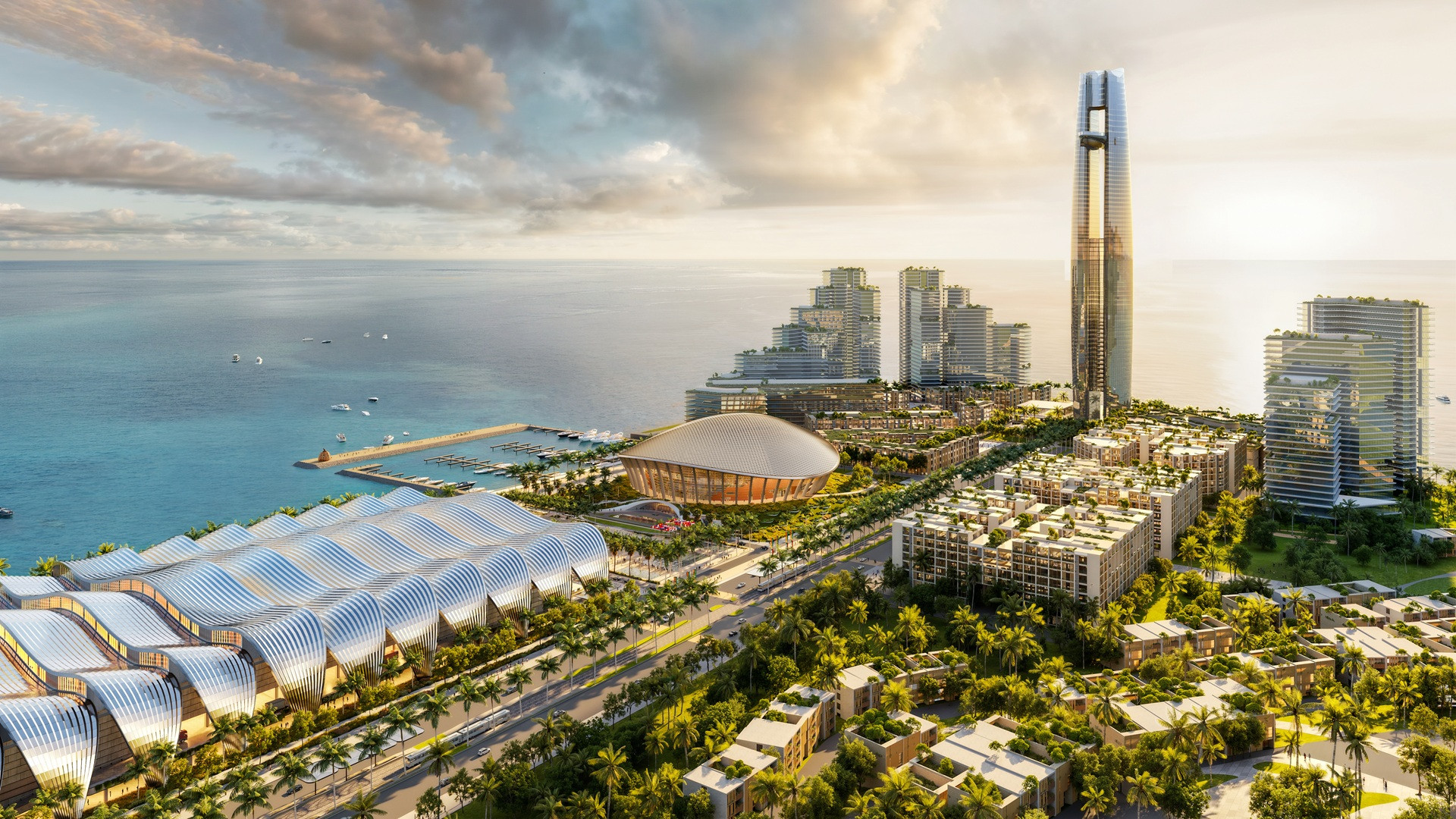
A boost for economy and tourism
Host cities of the APEC Summit typically undergo a wave of large-scale infrastructure investment as they prepare to meet the stringent standards required to welcome heads of state, global leaders and thousands of international delegates. These upgrades often lay a durable foundation for long-term growth, enabling multiple sectors, particularly real estate, to enter a new expansion cycle.
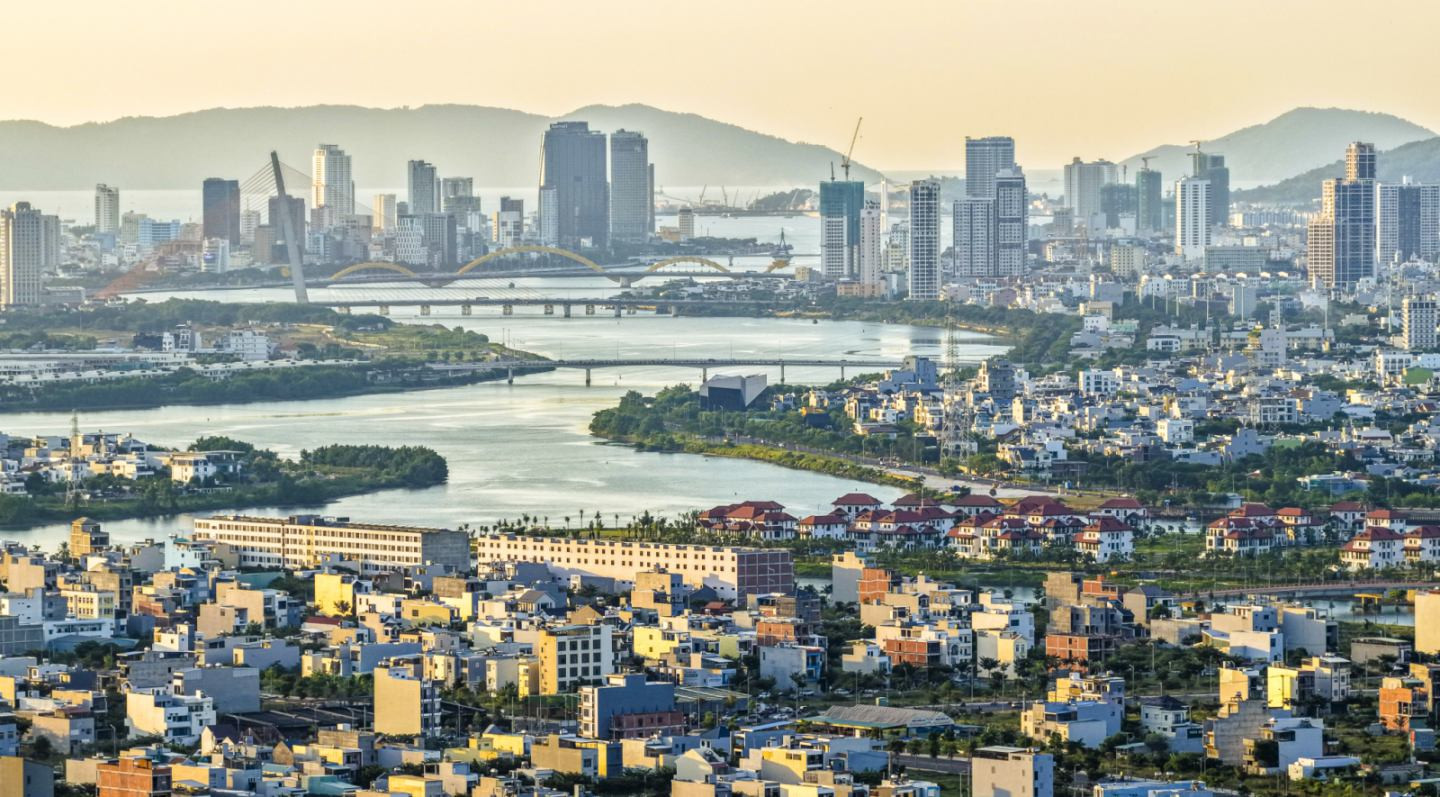
Da Nang’s trajectory following APEC 2017 offers a compelling precedent. Infrastructure enhancements, including airport upgrades, road expansions and major resort developments, later became strategic assets underpinning the city’s rapid advancement in tourism and property markets. Comparing pre- and post-summit periods, land prices in several areas increased by 10-30%, while residential transaction prices in the southern districts rose by 10-20%. Notably, this upward momentum remained stable for many years after the event.
A similar pattern can be observed in Gyeongju, South Korea. According to the Daegu Gyeongbuk Development Institute, the APEC 2025 Summit is projected to generate an economic impact of 972 billion won, alongside the creation of approximately 8,000 jobs.
Beyond short-term stimulus, these figures point to sustained growth in tourism and real estate. This trajectory is expected to repeat in upcoming host destinations, most notably Phu Quoc - a location that has already established itself as a world-class resort island.
In 2025, the Pearl Island welcomed approximately 8.1 million visitors, including 1.8 million international arrivals - nearly double the previous year’s figure. Sunset Town in South Phu Quoc alone attracts between 15,000 and 20,000 visitors daily. Travellers are drawn by experiences such as the world’s longest three-wire cable car, the iconic Kiss Bridge at sunset and large-scale multimedia performances. The area also offers direct access to Kem Beach, consistently ranked among the most beautiful beaches in the world.
“My properties have been operating at full capacity since last November, with demand remaining exceptionally strong. The surge in visitors over the past two years has enabled investors like myself to achieve rapid capital recovery. I expect our business to scale even further following APEC,” said Vo Thi Kieu Thu, an investor at Sun Grand City Hillside Residence.

Real estate takes off via infrastructure launchpad
In preparation for APEC 2027, Phu Quoc is entering one of its most intensive infrastructure development phases in recent years, particularly in the southern part of the island. Guided by Sun Group’s long-term vision, these projects extend far beyond serving the summit itself. They form part of a broader strategy to position Phu Quoc as a global tourism hub capable of welcoming millions of visitors annually.
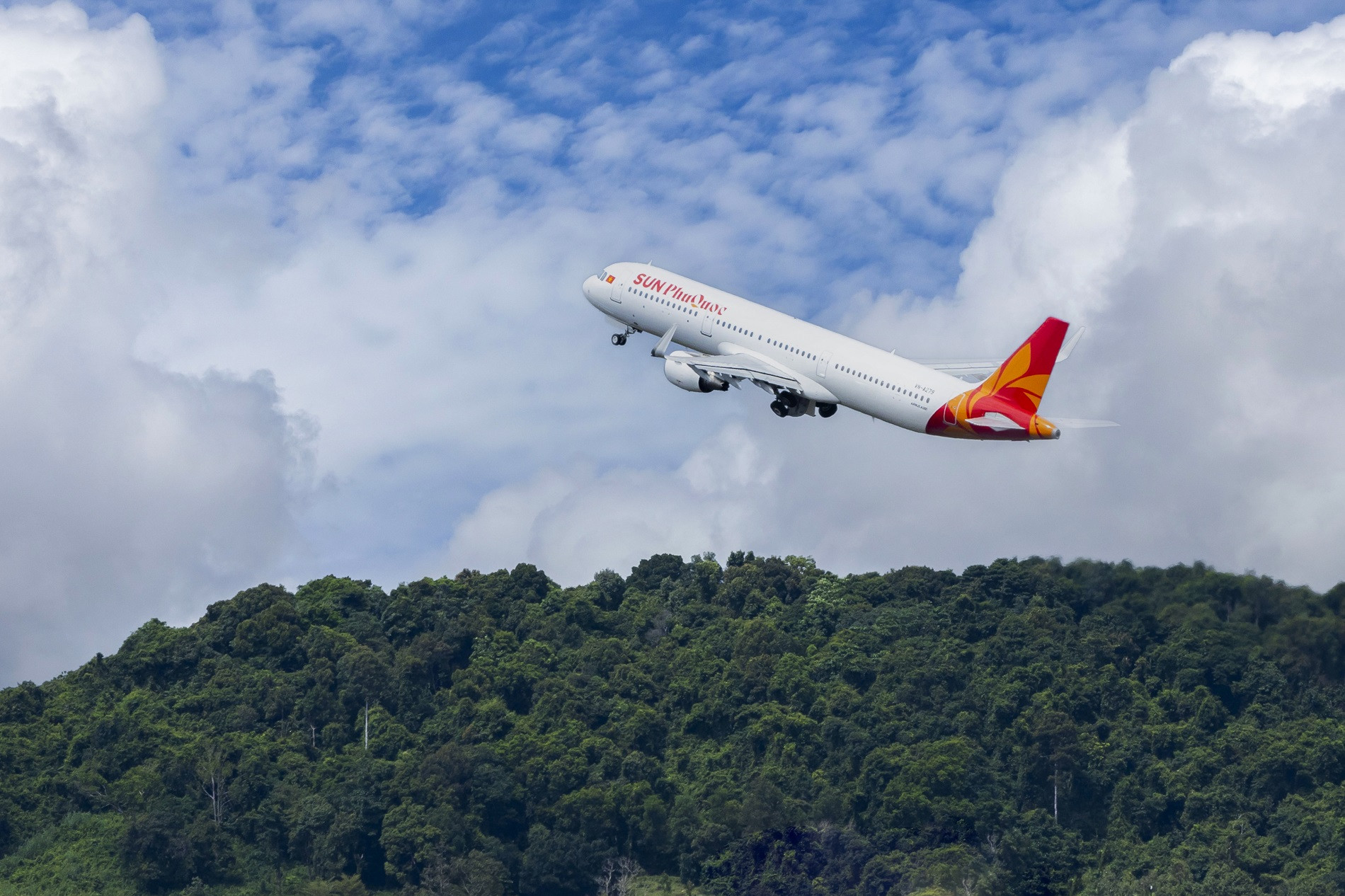
“Following the upgrade, Phu Quoc International Airport will be able to accommodate wide-body aircraft and handle up to 20 million passengers per year. At the same time, the launch of Sun PhuQuoc Airways is strengthening the island’s connectivity with international markets. Since its debut, the airline has also maintained one of the industry’s highest on-time performance rates,” a Sun Group representative said.
In parallel with aviation development, the island’s ground transport infrastructure is being strategically expanded. Provincial Road DT.975, spanning more than 19 km with a planned width of 62 meters and at least 10 lanes, is envisioned as the central corridor linking the airport to the APEC Convention and Exhibition Center, as well as key tourism destinations in southern Phu Quoc. Once completed, the route will not only reduce travel time but also contribute to reshaping the island into a multi-center urban model, creating significant upward pressure on property values in the south.
Complementing this network, Phase 1 of the urban railway will extend 18 km with six stations, including one underground stop, and is designed to accommodate more than 4,500 passengers per hour. Once operational, the system will seamlessly connect tourism, retail, entertainment and conference zones, bringing Phu Quoc closer to the standards of leading global resort cities. With total investment of nearly VND 9 trillion (US$360 million) and a targeted completion date in 2027, the railway is expected to enhance mobility while driving value appreciation for real estate along its corridor.
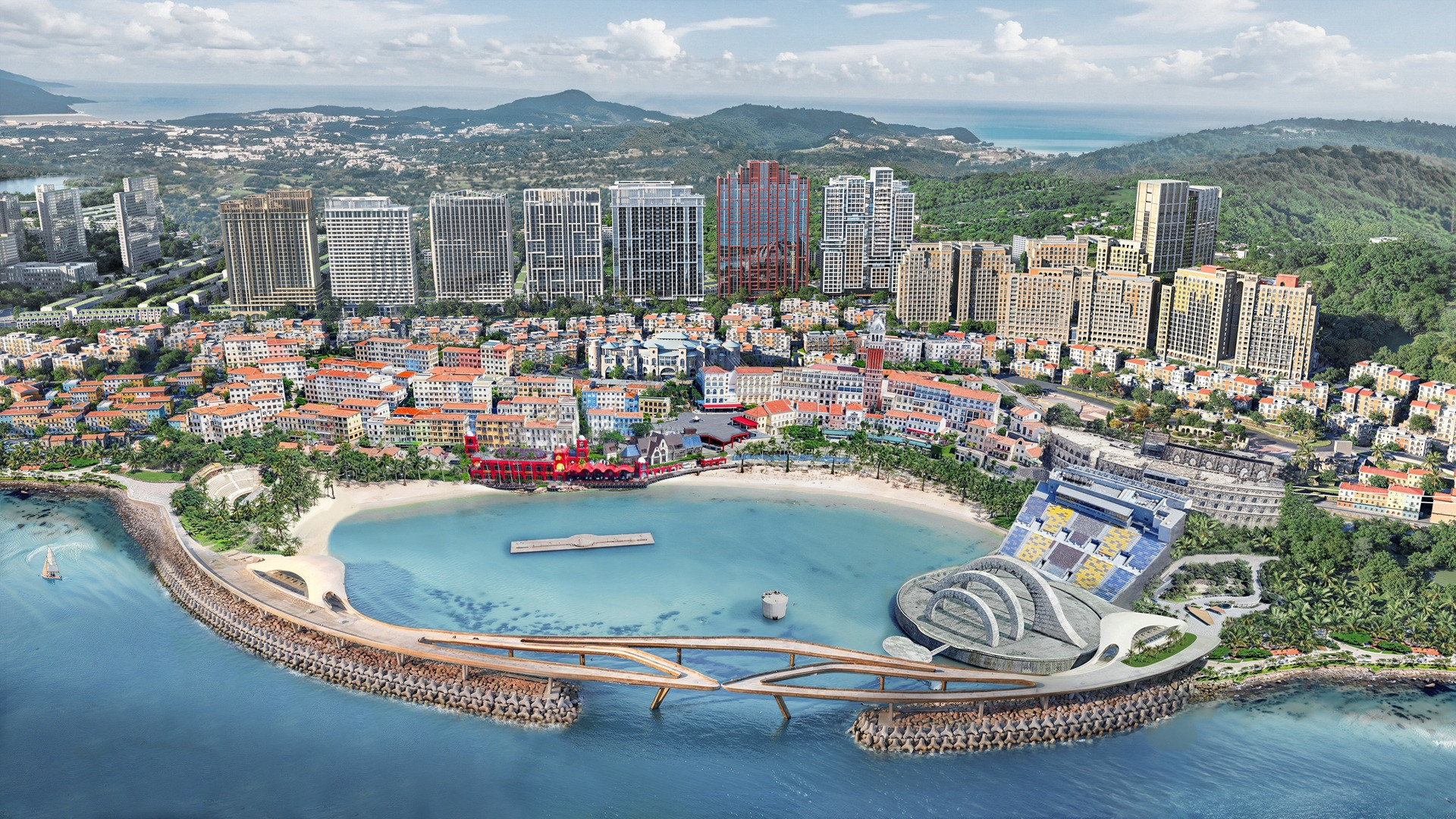
At the core of the APEC-oriented infrastructure ecosystem is the Convention and Exhibition Center, with total investment estimated at VND 21.8 trillion (US$880 million). Spanning 16.06 hectares, the complex will feature an APEC park, a multi-purpose theatre and a convention and exhibition centre. It is envisioned as an international cultural and events hub capable of hosting film festivals, major artistic performances and large-scale entertainment programmes. These activities are expected to generate a steady flow of visitors for nearby hospitality developments, including the Bai Dat Do multifunctional urban area and Sun Grand City Hillside Residence.
“Hosting an international event such as APEC requires infrastructure that meets significantly higher planning and construction standards. This will not only establish a long-term urban foundation for Phu Quoc but also create unprecedented opportunities for the real estate market and early-stage investors,” said Nguyen Van Dinh, Chairman of the Vietnam Association of Realtors.
PV
.svg)
