 Vietnamnet.vn

 Podcast



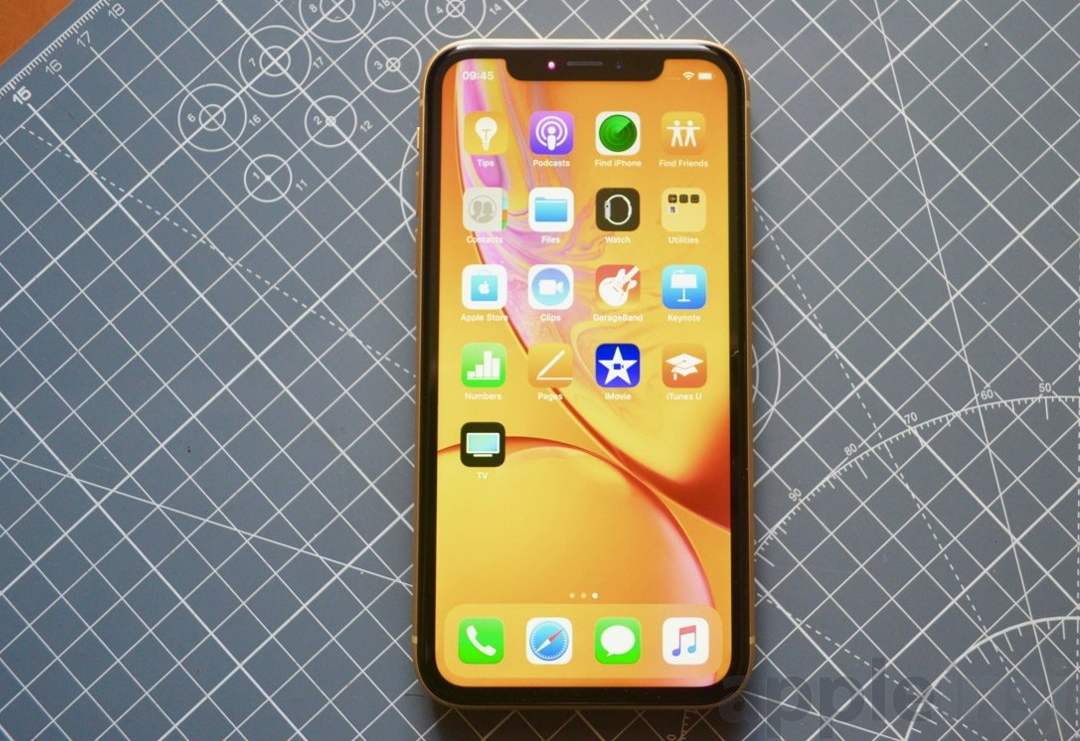
Though these updates are less prominent than major iOS releases, the move shows that Apple continues to maintain security support for aging hardware - especially important as modern cyber threats grow more sophisticated.
Older iPhones such as the XR and XS have received a crucial security patch.
According to AppleInsider, via IsTheAppleStoreDown.com, Apple rolled out several minor firmware builds earlier this week for a limited number of devices.
These updates are lightweight and only partially linked to the current 26.2 software generation.
Apple introduced two separate firmware versions, each addressing a specific hardware group.
Neither update adds new features, focusing instead on system stability and security reinforcement.
The first firmware, labeled “iOS 26.2” with build number 23K54, is in fact the tvOS 26.2 release that originally went public on December 12.
This build, however, is tailored specifically for the fourth-generation Apple TV (model AppleTV5,3), also known as Apple TV HD, and the first-generation HomePod (model AudioAccessory5,1).
Apple’s decision to release a dedicated tvOS version for Apple TV HD signals its continued effort to patch vulnerabilities in home entertainment devices - even those long past their prime.
The second firmware, iOS 18.7.3 with build number 22H217, applies to select iPhones and iPads.
On iPad, it targets the seventh-generation model, covering both Wi-Fi and cellular versions.
For iPhones, the update is designed for the XR, XS, and XS Max models distributed in the Chinese market.
This hardware-specific targeting suggests Apple is addressing security or stability issues found only on certain configurations.
As with many smaller patches, Apple did not release detailed notes for these updates, leaving their precise contents undisclosed.
Historically, Apple has issued similar “silent” patches to fix device-specific vulnerabilities rather than ecosystem-wide flaws.
Typically, updates for devices no longer running the latest OS version focus solely on bug fixes and security improvements rather than new features.
Apple’s last major public release occurred on December 12, when it launched version 26.2 of its operating systems.
That update introduced several notable changes - such as AirDrop improvements - and included a wide range of security fixes, addressing WebKit issues and a serious kernel vulnerability that could allow attackers deep system access.
Although Apple has not confirmed it, these latest patches for older hardware are likely to include equivalent fixes, adapted for systems that can no longer install the newest OS.
This ongoing support is particularly important for users of the iPhone XR, XS, and iPad 7 - devices still in widespread use globally.
In an era of escalating cybersecurity threats, Apple’s continued updates for legacy hardware reaffirm its commitment to maintaining a baseline level of protection for all users, even when their devices have passed their commercial peak.
Hai Phong
.svg)
