 Vietnamnet.vn

 Podcast



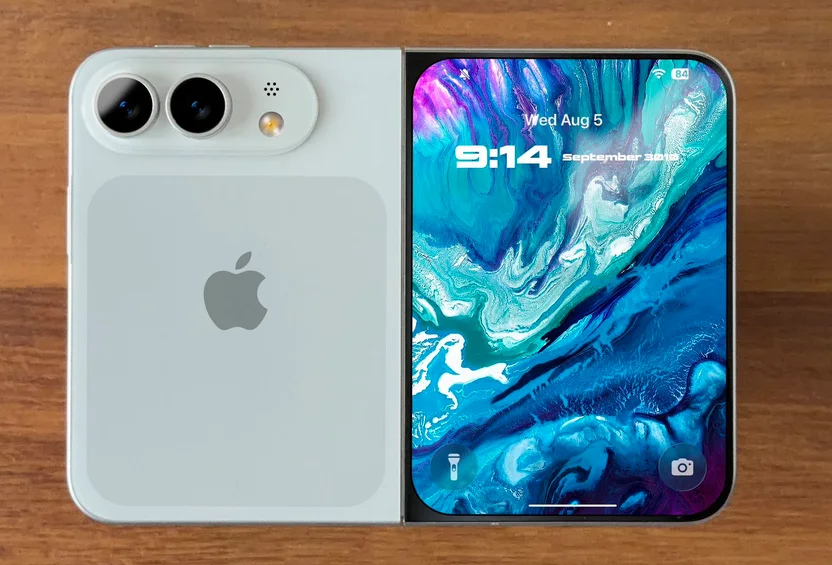
Apple is widely expected to unveil the long-rumored iPhone Ultra this fall as part of its annual iPhone launch event in September.
Yet even before the first model has officially reached the market, Apple is reportedly planning several generations ahead.
According to Mark Gurman, Bloomberg’s longtime Apple watcher, writing in his “Power On” newsletter, Apple is not only preparing a second-generation iPhone Ultra expected to launch in 2027 but is also exploring a third generation that could arrive as early as 2028.
If accurate, the report suggests Apple already has a relatively long-term roadmap for its foldable iPhone lineup before the first generation even goes on sale.
Third-generation iPhone Ultra could get larger displays
One of the changes mentioned by Gurman is a potential slight increase in display size for the third-generation iPhone Ultra.
The change is reportedly being considered for both the main inner display when the device is unfolded and the smaller outer screen.
For now, however, specific details about the design and specifications of the third-generation model remain scarce.
Even the second generation has yet to be revealed in much detail.
In June, Gurman reported that Apple was preparing a second-generation foldable iPhone for release toward the end of 2027.
Notably, the device is expected to arrive around the time Apple marks the 20th anniversary of the original iPhone.
If that timeline materializes, Apple could continuously refine its foldable iPhone lineup during its first few years rather than releasing a single device and waiting to see how the market responds.
The idea that Apple is already working on a third-generation iPhone Ultra before even announcing the first may seem unusually ambitious.
In reality, however, such long-term planning is standard practice for a company of Apple’s scale and with a supply chain as complex as its own.
Apple cannot begin developing a new product just a few months before unveiling it.
Bringing an iPhone from concept to a finished commercial product requires years of preparation, spanning hardware design, displays, chips, components and software, as well as production lines and supply capacity.
Consumers may see iPhones arrive on a yearly cycle, but behind that schedule lies a development process stretching much further into the future.
Major changes in design and technology can take years to complete, while more iterative upgrades also typically require around 18 months.
Those lengthy development cycles allow Apple to work on two or even three future product generations simultaneously.
iPhone Ultra will be a major test of Apple’s strategy
The arrival of a foldable iPhone is expected to represent one of the most significant changes to the iPhone lineup in years.
Apple is entering the market considerably later than Samsung and several Android rivals, but the additional time could allow the company to refine its design and technology before bringing the device to consumers.
The fact that Apple is reportedly already considering a third-generation iPhone Ultra suggests the company is preparing for a long-term strategy rather than treating the device as a short-lived experiment.
Still, the success of the iPhone Ultra will depend on several factors, ranging from price and durability to the software experience and actual consumer demand.
If the market responds positively, Apple could move quickly to expand and refine the lineup.
If sales fall short of expectations, however, plans for future generations could still be adjusted or canceled.
Hai Phong
.svg)
