 Vietnamnet.vn

 Podcast



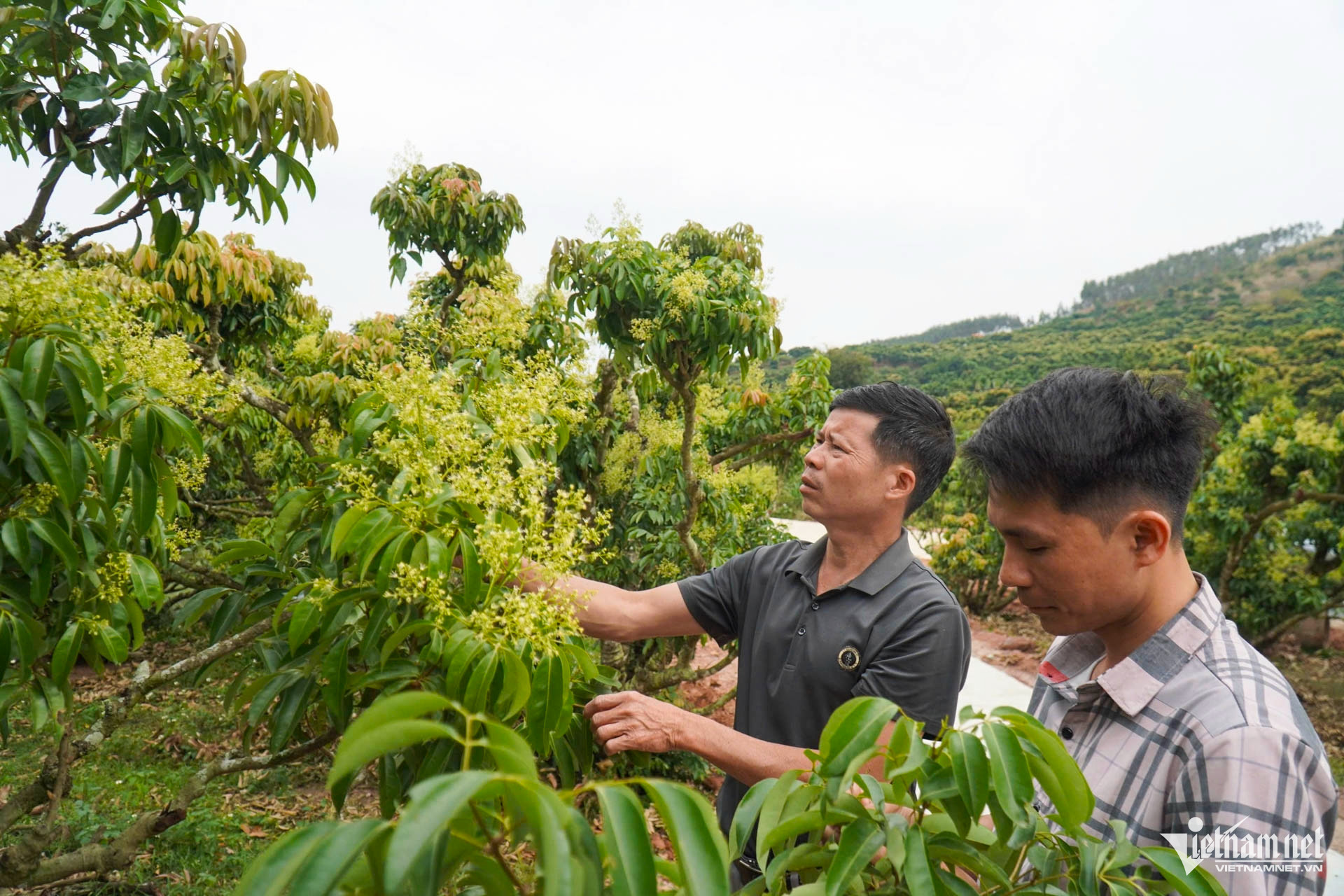
With less than two months before the main harvest begins, concerns are mounting in one of northern Vietnam’s key lychee-growing regions. According to Dang Van Tang, head of the provincial Sub-Department of Crop Production and Plant Protection, flowering rates this year are significantly lower than usual. Early-season lychee has reached around 60 percent flowering, while the main crop ranges between 40 and 50 percent.
As a result, total output is projected to decline by approximately 50 percent compared to 2025, with an estimated production of around 100,000 tons.
The primary cause lies in unusual weather patterns during a critical stage of plant development. In November and December 2025, when lychee trees typically undergo flower bud differentiation, temperatures were higher than average and accompanied by prolonged humidity and rainfall.
These conditions triggered off-season vegetative growth, disrupting the formation of flower buds and ultimately reducing flowering rates for the current crop.
Despite the overall decline, some orchards have achieved flowering rates of 70 to 80 percent by strictly following technical guidelines and proactively managing tree care. These models are now being considered for wider replication across the province.
In response to the challenges, the Bac Ninh Department of Agriculture and Environment has already implemented a production plan for the 2026 season. Specialized task forces have been established to oversee export-oriented growing areas, guiding farmers to follow standardized practices.
At the same time, the province is selecting high-quality orchards as benchmarks to promote effective cultivation methods.
Learning from the 2025 season, when heavy rainfall during harvest led to increased pest and disease outbreaks that affected fruit quality, authorities are placing strong emphasis on early disease control this year.
Common threats such as downy mildew and anthracnose are being closely monitored, as they can cause fruit rot under humid conditions. Farmers are being instructed on proper prevention measures, appropriate harvest timing and avoiding picking during unfavorable weather.
The use of biological and herbal plant protection products is being encouraged to reduce chemical residues. All pesticide use must comply with strict guidelines, including a minimum 15-day pre-harvest interval.
Export standards are also being tightened. Bac Ninh currently has 241 coded growing areas eligible for export to markets including China, the US, the EU, Japan and Australia, along with 42 certified packing facilities.
All export shipments must undergo rigorous inspection for food safety, particularly pesticide residues, with only compliant batches approved for shipment. For the Chinese market alone, 127 growing area codes and all 42 packing facilities have been authorized, and these are subject to ongoing review, with non-compliant units facing revocation.
Traceability is being strengthened in parallel. Production zones of 10 hectares or more have been digitized, with electronic farming logs introduced to ensure transparency in cultivation and pest management practices.
Currently, about 40 percent of Bac Ninh’s lychee output is exported, while the remaining 60 percent is consumed domestically. As a result, applying export-level standards also helps improve quality in the local market.
More than 70 percent of the province’s lychee-growing area now meets VietGAP, GlobalGAP or organic standards, broadly aligning with export requirements. However, the proportion of officially certified areas remains limited.
To expand market access, Bac Ninh plans to step up trade promotion efforts, bringing lychee into supermarket systems and major domestic markets such as Ho Chi Minh City, Dong Nai and Can Tho, as well as industrial zones.
Despite a challenging season ahead, the province remains focused on maintaining quality and safeguarding its reputation in both domestic and international markets.
Bao Khanh
.svg)
