 Vietnamnet.vn

 Podcast


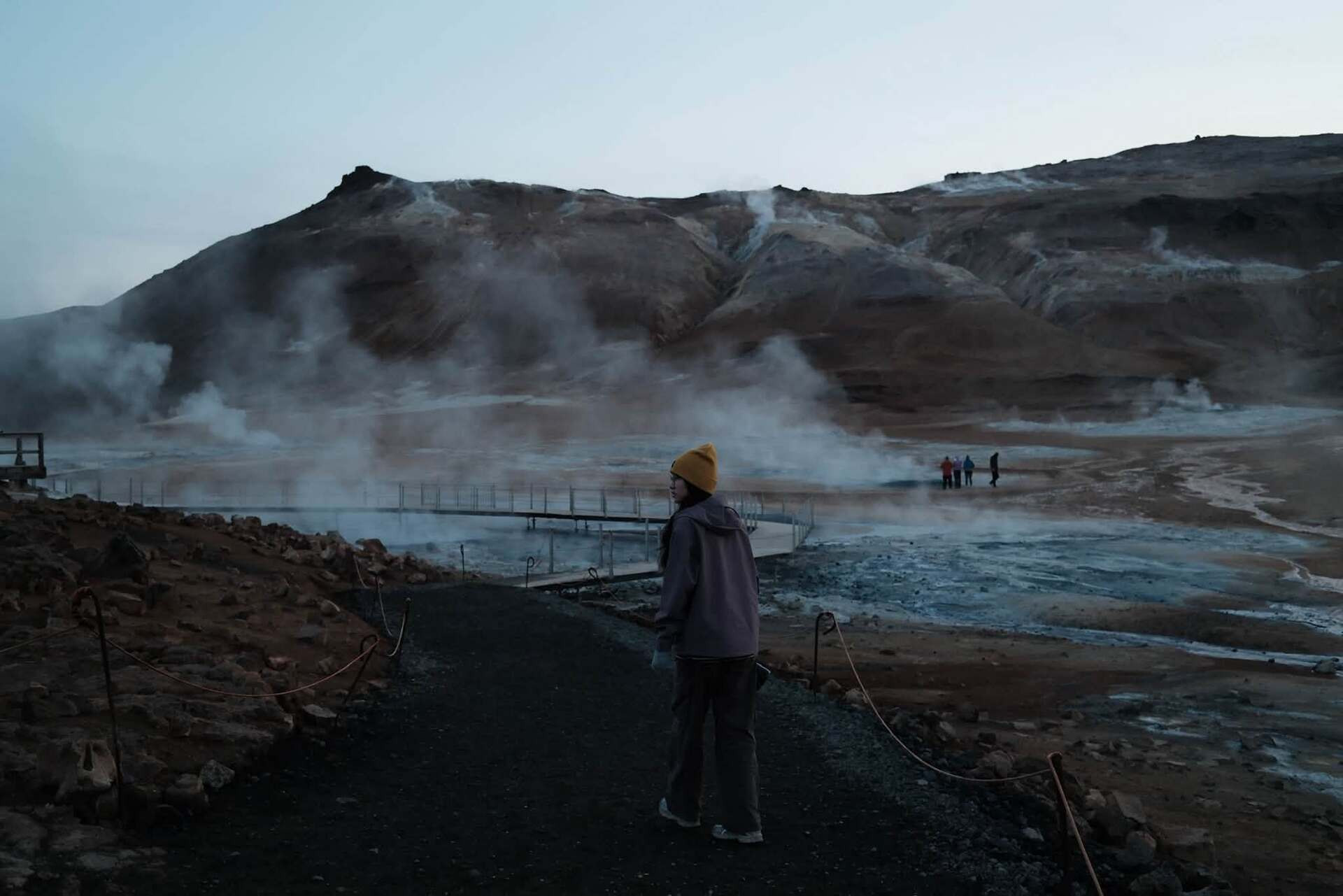
Iceland is the 10th country that Hoa has visited as part of her journey to explore unique destinations around the world.
Hoa said that late August and early September are not the peak months for northern aurora hunting, when large numbers of tourists flock to Iceland. However, the weather in is relatively mild at this time, ranging from 6 to 14 degrees Celsius, and the roads are generally dry, making driving easier while the scenery remains picturesque.
Driving more than 3,000km
Dong Hoa loves experiential travel and exploring nature. Before visiting Iceland, she had traveled to several countries in Asia and Africa.
“Iceland is a place I had long dreamed of visiting because it has landscapes that are unique in the world,” Hoa said.
She began preparing for the trip in late 2025. She tracked airfares, worked out when to apply for a visa and spent about a week sketching out an itinerary. After finding two suitable travel companions, the group researched car rental options, accommodation and stops along the way in detail.
This was Hoa’s first visit to Iceland and her first time driving abroad. However, because she frequently drives long distances in Vietnam, she felt confident picking up the rental car and adapting to Icelandic traffic.
“I don’t have an international driving permit, but Iceland accepts Vietnamese bilingual PET-format driving licenses, which are printed in both Vietnamese and English,” Hoa explained.
The Vietnamese travelers applied for visas to France, spent a few days there and then continued to Iceland. They rented a five-seat car.
“For our 10-day trip, we had three large checked suitcases and two carry-on suitcases, so we prioritized a vehicle with higher ground clearance and enough luggage space without being too expensive. We drove along the ring road around urban areas, towns and cities, and had no plans to take on adventurous routes,” Hoa said.
On the first day, the group rested and explored Reykjavik, Iceland’s capital. Over the following days, they drove to the Golden Circle, the South Coast with Seljalandsfoss and Skogafoss waterfalls and Reynisfjara beach, Jokulsarlon glacier lagoon, Diamond Beach, Vestrahorn mountain, Lake Myvatn, Husavik and the Snaefellsnes Peninsula.
The group drove more than 300km a day on average. Hoa was surprised that driving in Iceland was easier than she had expected. With the country’s low population density, the group encountered virtually no traffic jams throughout their journey of more than 3,000km.
The most challenging stretch was the drive from Vestrahorn toward Stuolagil Canyon. Much of the road was covered in small gravel and stones rather than smooth pavement, while foggy weather and very little passing traffic made the journey more difficult.
Watching whales in the ocean
When planning their Ring Road trip around Iceland, the destination Hoa looked forward to most was Husavik, known as “Europe’s whale-watching capital.”
At 7 am, Hoa boarded a boat in Husavik and headed into Skjalfandi Bay to look for whales. After about an hour, the silhouette of a large whale suddenly appeared on the water. The passengers fell almost completely silent, watching its every movement on the surface for fear that any noise might scare it away.
For Hoa, seeing the whale surface in the middle of the ocean was enough to make the Husavik excursion one of her most memorable experiences in Iceland.
While the visit to Husavik had been planned in advance, the double rainbow that appeared at Skogafoss was an “unexpected gift from nature” for Hoa.
That day, the group was lucky enough to see two rainbows appear simultaneously right in front of the waterfall. One member of the group was moved to tears at being able to stand so close to the foot of a rainbow and see its bands of color so clearly.
Hoa said the trip cost about VND105 million per person. Of this, airfare accounted for around VND43.4 million, car rental for 10 days was about VND19 million per person, and fuel for the roughly 3,000km journey was VND2.7 million per person.
For accommodation, the group mainly chose basic guesthouses with kitchens, which suited their constantly changing itinerary and allowed them to cook their own meals. The three travelers bought groceries at supermarkets, alternating between cooking and eating out. This kept food expenses to around VND7 million per person for the entire trip. After nine nights, each person had paid about VND19.5 million for accommodation.
Linh Trang

