 Vietnamnet.vn

 Podcast


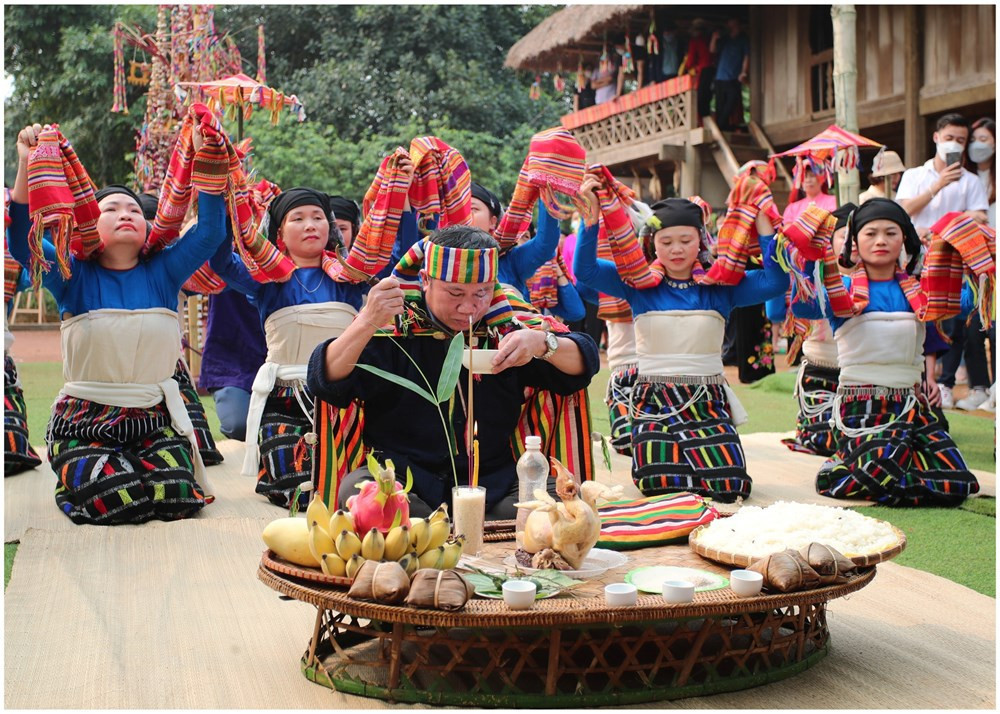
Cha Mun Festival in the spiritual life of the Black Thai people
The rhythms of traditional drums, the sounds of gongs, folk dances and reenacted rituals offer residents and visitors a glimpse into the distinctive cultural heritage of the Black Thai ethnic community in Yen Thang commune, Thanh Hoa province, north-central Vietnam.
For the local Black Thai people, the Cha Mun Festival is deeply connected to folk beliefs and traditional healing knowledge passed down through generations.
The festival consists of four main stages: preparation, welcoming the spirits, performing sacred rituals and bidding farewell to the spirits as they return to Muong Troi, the heavenly realm in Black Thai spiritual belief.
Traditional healers and community members knowledgeable about local customs play an essential role in conducting the ceremonies.
From ritual prayers and gong rhythms to traditional songs and dances, each element reflects the community's spiritual worldview and the rich body of folk knowledge preserved through generations.
Lo Viet Lam, a resident of Ngam Poc village in Yen Thang commune, is regarded by the local community as a guardian of the festival's cultural and spiritual traditions.
"The Cha Mun Festival is a sacred part of the Black Thai people's cultural and spiritual identity," Lam said. "We are extremely proud that it has been recognized as national intangible cultural heritage. I and other village elders will continue encouraging our community to preserve and promote the festival so that its cultural beauty can reach a wider audience."
Connecting cultural heritage with community-based tourism
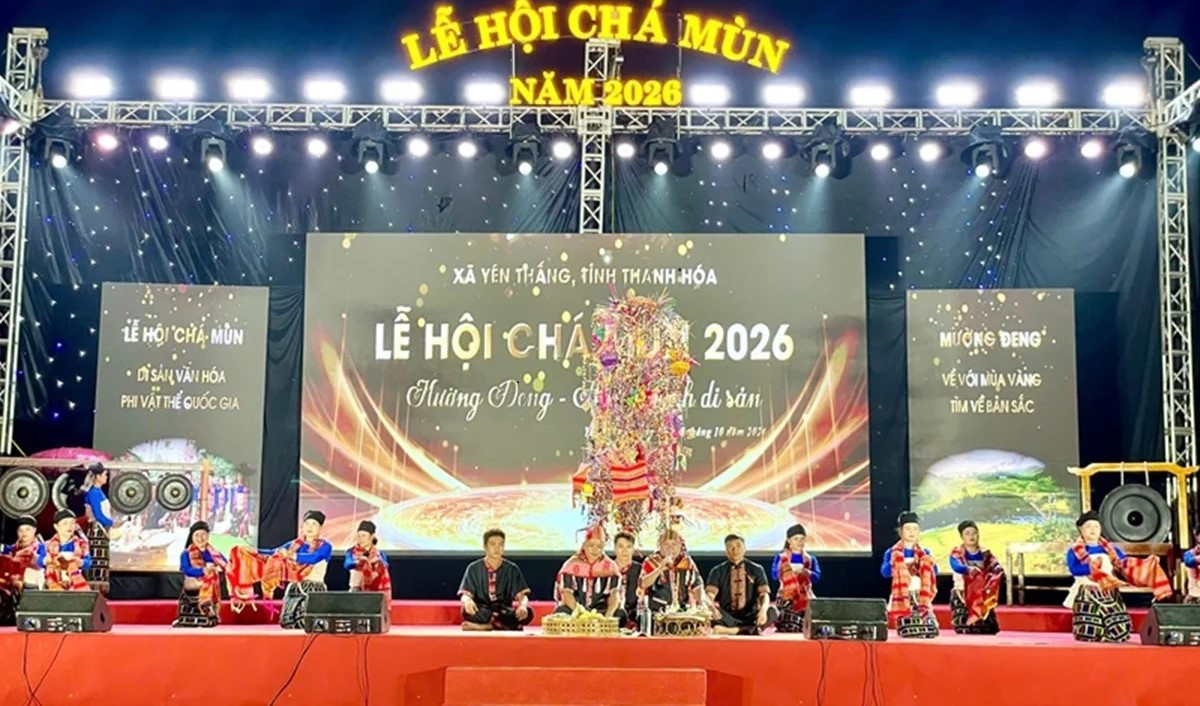
Alongside its sacred ceremonies, the festival features a lively program of traditional games and cultural performances that encourage interaction between residents and visitors.
Activities include nem con, a traditional game involving throwing a colorful cloth ball through a raised ring, crossbow shooting, stilt walking, and singing and dancing around a ceremonial decorative tree known as cay bong.
These activities create opportunities for visitors to experience the community's traditions beyond the formal rituals.
Duong Duy, a visitor from Hac Thanh ward in Thanh Hoa province, said he was eager to discover the festival for the first time.
"I had never attended the Cha Mun Festival before, so I was very curious," he said. "When I learned that this year's event would feature a wide range of cultural and sporting activities, I decided to arrive early to explore the local scenery and cuisine."
Growing interest from visitors is creating new opportunities to introduce Black Thai cultural traditions to a broader audience.
It also offers local authorities a way to connect the festival with experiences showcasing the region's natural landscapes, traditional food and everyday community life.
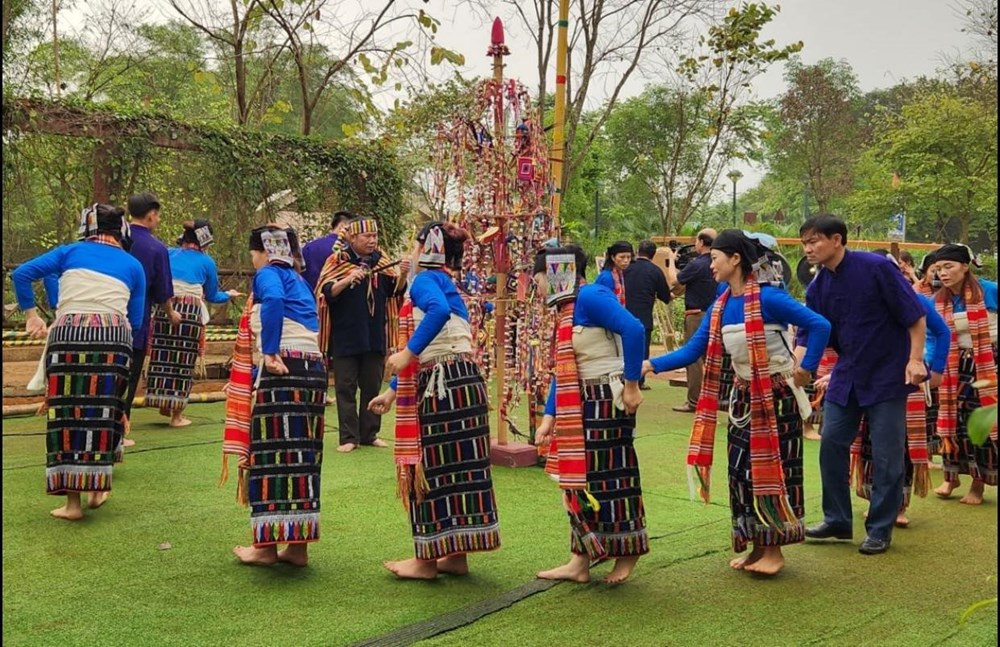
Vu The Vinh, chairman of the Yen Thang Commune People's Committee, said the locality aims to integrate the preservation and promotion of the Cha Mun Festival with the development of ecotourism and community-based tourism.
The approach is intended to showcase the Black Thai community's distinctive cultural identity while attracting visitors interested in authentic local experiences.
It could also provide opportunities for residents to introduce local products, expand tourism-related services and improve their incomes.
From its revival in 2017 to its recognition as national intangible cultural heritage in October 2025, the Cha Mun Festival has gained new opportunities to remain a living part of contemporary community life.
Continuing traditional ceremonies, supporting the involvement of knowledgeable elders and practitioners, and connecting cultural preservation with sustainable livelihoods will be essential to ensuring that the heritage remains valued and practiced by the Black Thai community itself.
Quynh Tram

