 Vietnamnet.vn

 Podcast



Round 12 of the V-League saw standout performances from several overseas Vietnamese players, but it's far from enough to guarantee them a spot on Vietnam’s national or U23 squads, as coach Kim Sang Sik remains measured in his response.
A glowing round for overseas Vietnamese talent
After a long break, the LPBank V-League returned with a series of fairly high-quality matches. Yet, the main spotlight of Round 12 belonged unmistakably to the overseas Vietnamese players.
Names like Khoa Ngo, Lee Williams, and Tran Thanh Trung all left a strong impression. Their contributions either helped secure victories for their clubs or firmly established their value upon returning to Vietnam’s domestic football scene.
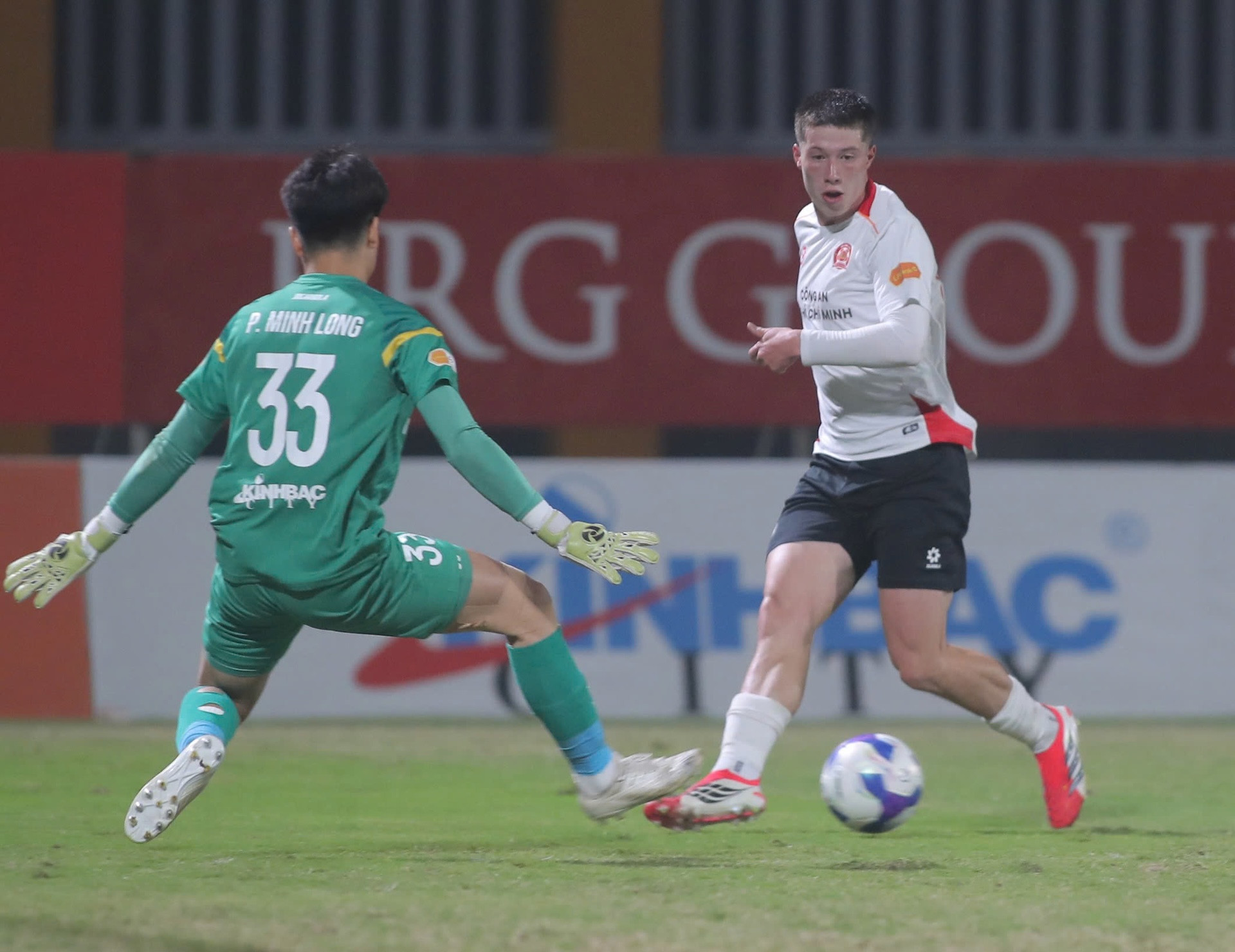
It’s no surprise that their performances quickly caught the attention of pundits, renewing public expectations about their potential to contribute to the national team system in the near future.
The excitement is even more palpable considering all three remain relatively young - unlike earlier generations of returning players who often arrived past their peak.
Why coach Kim Sang Sik isn't ready to celebrate yet
However, for head coach Kim Sang Sik, impressive club-level displays are not a sufficient reason to get carried away. The reality is, the V-League and the national team operate in vastly different arenas.
Excelling in a handful of matches is no guarantee of long-term consistency - something both the coaching staff and Kim himself value highly at this stage.
Integration also poses a significant question. While overseas Vietnamese players often come with strong foundations, they still need time to adapt to the pace and specific tactical demands of the V-League.
History offers more than a few cases where promising returns failed to deliver on the field - reminders that expectations and actual contributions are not always aligned.
Adding to this, Kim Sang Sik faces the delicate task of maintaining squad balance. The arrival of overseas Vietnamese players offers more options, but also compels him to carefully consider how such additions might disrupt the existing structure or the morale of domestic players.
This is especially pressing as the national team navigates injury troubles and a generational transition. Every personnel decision must be approached with caution.
That’s why instead of celebrating prematurely, the Korean coach prefers to continue observing these players’ consistency, their ability to sustain form, and their compatibility with the team’s long-term strategies - rather than being swayed by brief moments of brilliance.
Overseas Vietnamese players have sent a promising signal. But to truly become part of the solution for Vietnam’s national team - or earn a place in the U23 squad - they still have much to prove.
Duy Nguyen
.svg)
