 Vietnamnet.vn

 Podcast



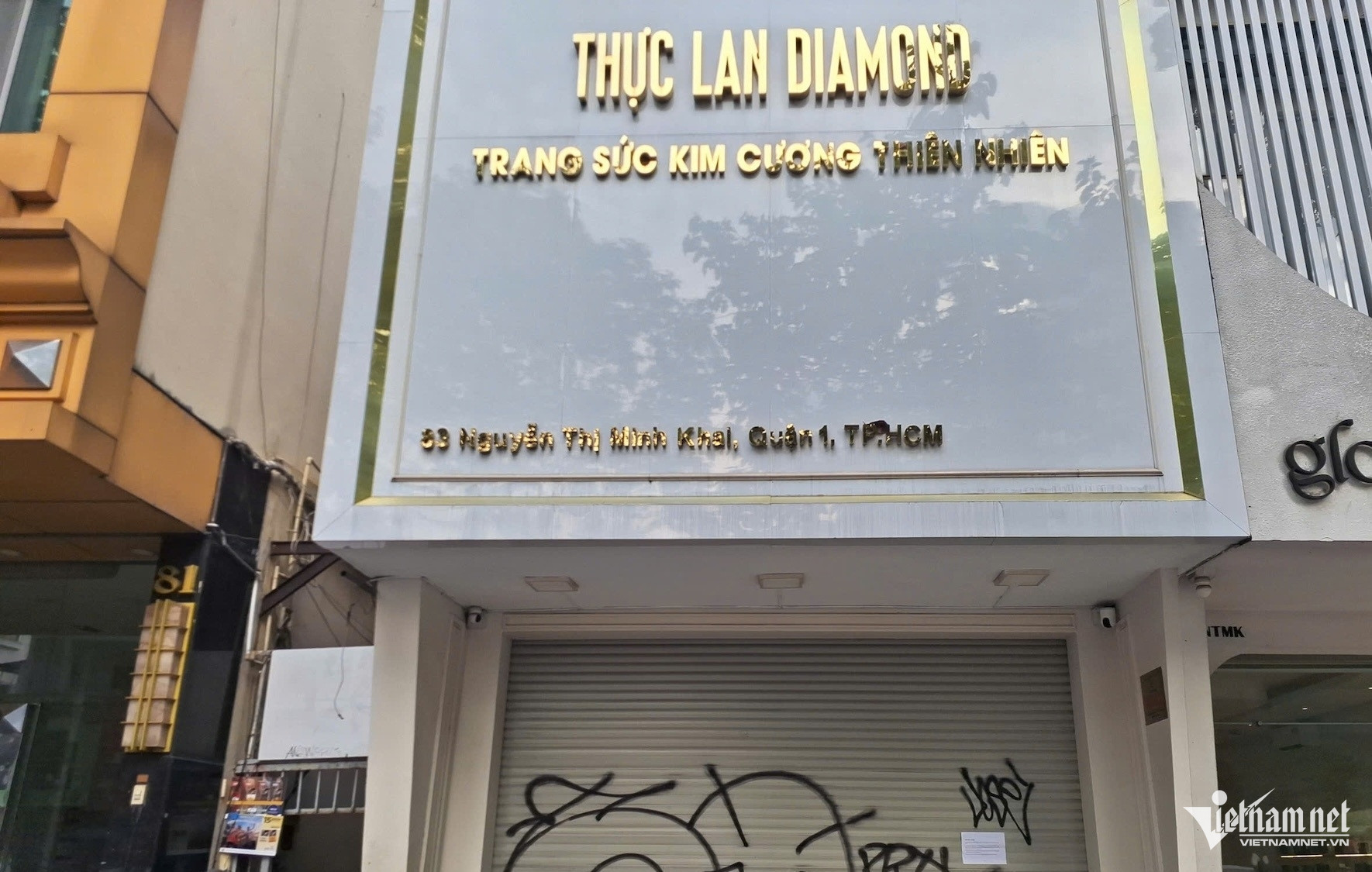
Thuc Lan Diamond Jewelry (HCMC branch) unexpectedly announced the temporary suspension of operations on June 16. Just two days earlier, the company’s Facebook page was still posting sales promotions as usual.
Founded in May 2023, Thuc Lan Diamond describes itself as operating three branches in Bac Ninh, Hanoi, and HCMC.
Nguyen Thi Lan, born in 1997 and residing in Bac Ninh, currently serves as the company’s director and legal representative. In February, the company increased its charter capital from VND20 billion to VND55 billion.
On its official fanpage, the company said that over the past 20 days, Vietnam’s diamond jewelry market has experienced a major crisis.
Triggered by a seemingly unrelated incident, a domino effect and crowd mentality left 80 out of 100 of diamond buyers in Vietnam panicked and anxious. The number of new diamond buyers shrank too rapidly, while the number of people wishing to liquidate their jewelry has scaled up.
“Every day, we face a large number of customers wanting to sell diamonds, while revenue is almost zero. Liquidity has slowed dramatically and is nearly frozen. This is why the company has to suspend all business activities to review procedures and reassess its business strategy in response to market volatility,” the company stated.
“This is a luxury product, not a store of value like gold or real estate. Once you buy a diamond, you will lose money. Diamonds, like supercars and luxury watches, are meant to reflect personal status and represent high-end jewelry that not everyone can own. Consumers should not allow unfounded rumors to equate natural diamonds with synthetic diamonds or worthless stones.”
A wave of closures and temporary suspensions has spread rapidly among diamond retailers in HCMC, each citing different reasons.
Earlier, on June 8, Long Ngoc Luxury Jewelry Co., Ltd. closed its store. Another well-known diamond business, Kim Hong Gold Shop Services Co., Ltd., announced a six-month suspension beginning June 10. The company’s official Facebook page is also no longer accessible.
Disappointment and controversy
The diamond crisis was sparked after information circulated on social media alleging that some gemstone retailers had sold diamonds dishonestly. The issue reportedly came to light when customers attempted transactions in international markets.
As a result, customers rushed to sell products associated with the controversy, despite efforts by jewelry store representatives to reassure buyers through the media.
The panic soon spread to other diamond retailers as customers sought to resell diamonds they had previously purchased.
Le Van Tam, owner of Tam Luxury, acknowledged on Facebook that the information circulating online had affected consumer sentiment. The sudden spike in customers seeking to sell diamonds forced the company to process buyback and exchange requests through an appointment system.
VietNamNet contacted Tam Luxury about its diamond buyback policy but did not receive a response after several days.
Field observations on June 17 showed that both Kim Ly and Tam Luxury remained open for business, though customer traffic appeared light.
Meanwhile, Thuc Lan Diamond’s HCMC branch declined to comment on its repurchase policy. Instead, the company reiterated that the suspension was intended to review and adjust its business plans amid major market fluctuations.
“The suspension is temporary. Customers who follow our fanpage or Zalo account will be notified as soon as operations resume,” the company said.
According to ExportGenius, a global trade data platform, Vietnam imported more than 58,000 diamond shipments worth $340.44 million (about VND9 trillion) between December 1, 2024, and November 28, 2025.
During that period, nearly 3,000 legal entities in Vietnam conducted transactions with more than 3,700 foreign partners. The top three diamond suppliers to Vietnam were China, Japan, and South Korea.
Confidence falls
Nguyen Ngoc Tu, vice director of the Vietnam Gemstones Jewellery and Art craft Institute (GJA), said consumers who want to determine whether a diamond is genuine or not should bring it to a reputable testing center.
“Distinguishing diamonds with the naked eye is nearly impossible. Only highly experienced professionals can sometimes detect differences based on the way a diamond reflects and disperses light,” he explained.
Tu added that the market currently offers several diamond-like products, including Cubic Zirconia (CZ), which may cost only a few thousand dong per stone; Moissanite, ranging from tens of thousands to several million dong depending on size; and lab-grown diamonds, which can range from hundreds of thousands to tens of millions of dong.
Manh Ha
.svg)
