 Vietnamnet.vn

 Podcast



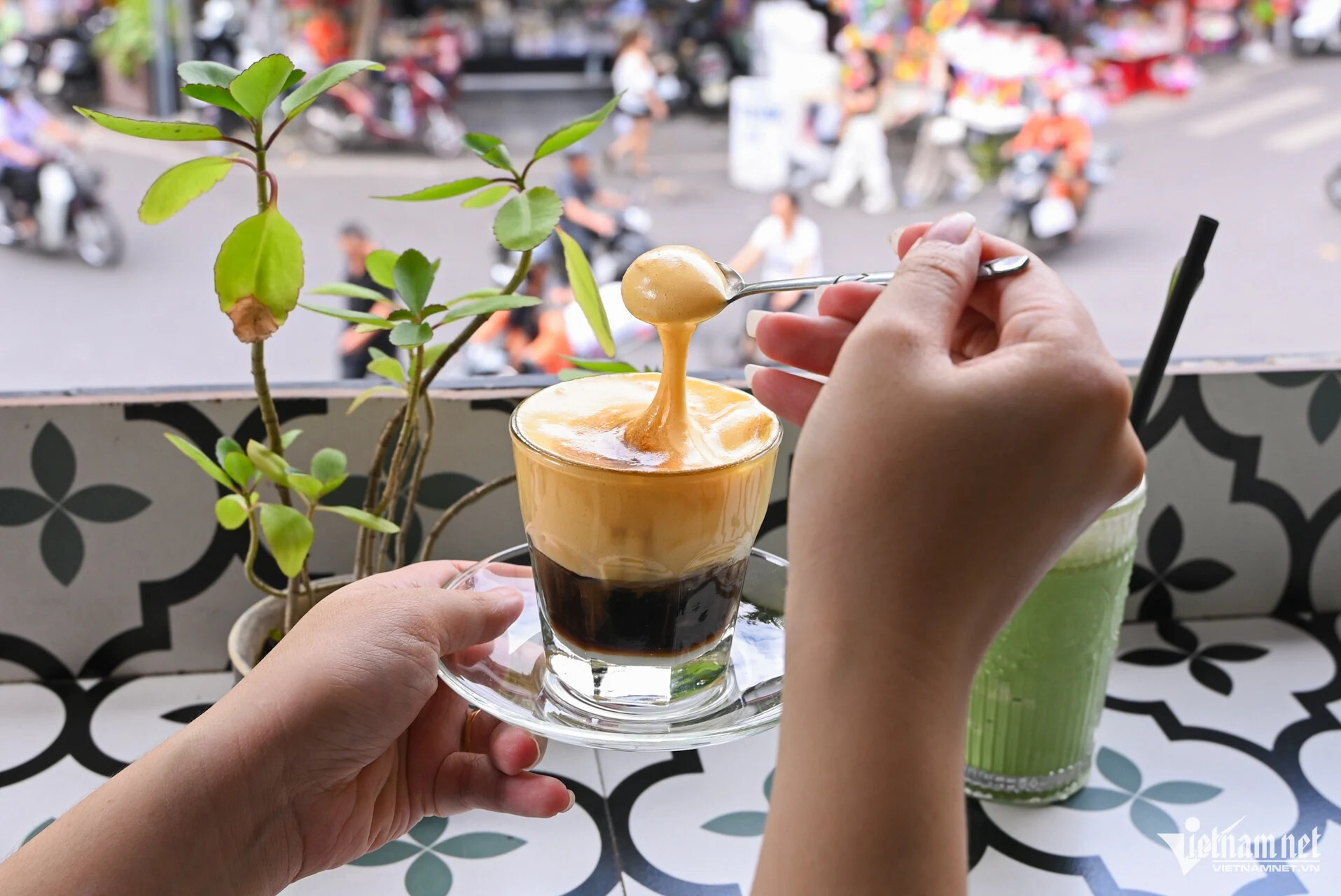
On social media, a story from this café has triggered many different reactions. A group of young women came to the café at 9am to study. During their 10-hour stay, they ordered only a few drinks. They even went out to eat, kept their seats, and returned to rest at the café.
When the café charged an additional VND40,000 per person for bringing in outside food and drinks, the group left and then gave the café a one-star rating.
This is not an isolated case but a common occurrence at many cafés, especially during peak hot days. As outdoor temperatures rise, many people turn to cafés as ideal places to study, work, and avoid the heat.
In reality, cafés do not only sell drinks but also sell an experience, including space, Wi-Fi, air conditioning, and lighting. When customers use these amenities beyond what they pay for, it puts pressure on cafés. Operating costs rise while revenue per seat remains low.
Tuan Linh, a café owner in Hanoi, said that during peak hours, many customers have to wait for tables. Yet some groups stay from morning to evening, charging laptops all day while ordering only one drink. This creates real pressure to the cafes’ operation. If staff gently remind them, they risk upsetting customers; if not, the café bears the loss.
As costs for rent, utilities, and labor continue to rise, every seat carries economic value. When a group occupies a table for hours, or even all day, while generating little revenue, the café loses the opportunity to serve other customers.
According to Linh, each table needs to generate around VND200,000–400,000 per day (even higher in prime locations) just to break even or earn a small profit. With typical drink prices ranging from VND40,000 to VND70,000, a table needs at least 4–6 customer turns per day, or repeat orders from the same group over time.
If a group stays for 6–10 hours but orders only one to two drinks, revenue per table may reach just VND50,000–100,000, less than half the required level. This gap forces cafés to absorb losses and reduces their ability to serve other customers during peak hours.
What should owners do?
Facing long-staying but low-spending customers, many café owners wonder how to respond while maintaining service quality and ensuring business sustainability.
Most agree that “asking customers to leave” is a last resort and rarely desirable. Instead of reacting harshly, many cafés adopt softer measures, such as limiting seating time during peak hours, requiring additional orders after a certain period, or applying surcharges for outside food and drinks.
Tran Khanh Minh Son, an expert in the F&B industry, noted that cafés are not free spaces. Customers have the right to use services but should understand they are consuming an ecosystem of space, amenities, and time. Forcing customers to leave is not an optimal solution.
Cafés should clearly communicate policies such as minimum spending, seating time limits, or zoning (study areas, conversation areas) to suit different customer groups. Clear rules from the outset can help avoid conflicts.
During peak hours, enforcing policies on table usage time, minimum orders, or limiting seat reservations is necessary to ensure turnover. This helps optimize revenue per table, prevents long stays with low spending, and creates opportunities to serve new customers.
Son emphasized that communication is key. Cafés should use friendly, tactful language or train staff in communication skills to handle sensitive situations. Rather than pushing customers away, the goal is to ensure both sides feel treated fairly.
For customers who need to study or work for long hours, it is advisable to choose study cafés, co-working spaces, or hourly-rate cafés, where they can stay comfortably without pressure to order more drinks or concern about being reminded.
Many young people have agreed with the solution.
On her first visit to a café in France, Nguyen Thu Trang, a Vietnamese student, was surprised to discover an unwritten rule. She said that an espresso at the counter typically cost between 1.5 and 2.5 euros. If customers choose to sit indoors, the price can increase to around 2.5–4 euros. Sitting outdoors is even more expensive, ranging from 3.5 to 6 euros. This can be applied by Vietnamese café owners.
Duy Anh
.svg)
