 Vietnamnet.vn

 Podcast



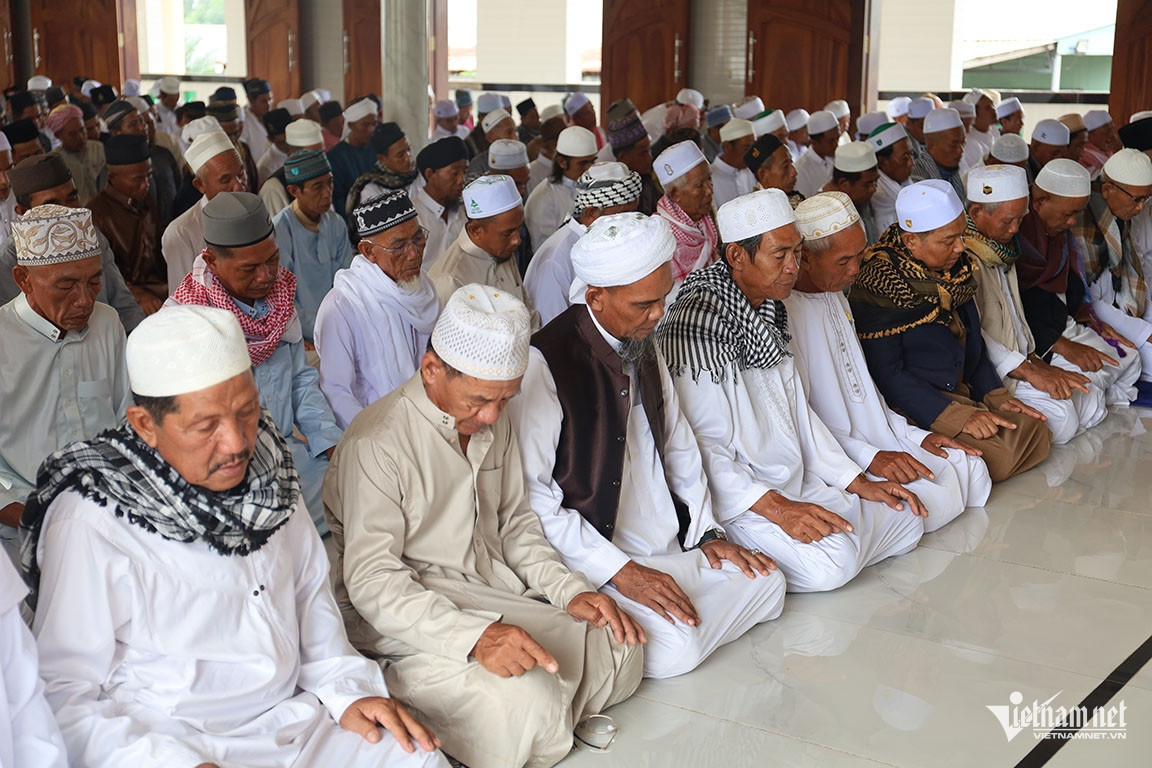
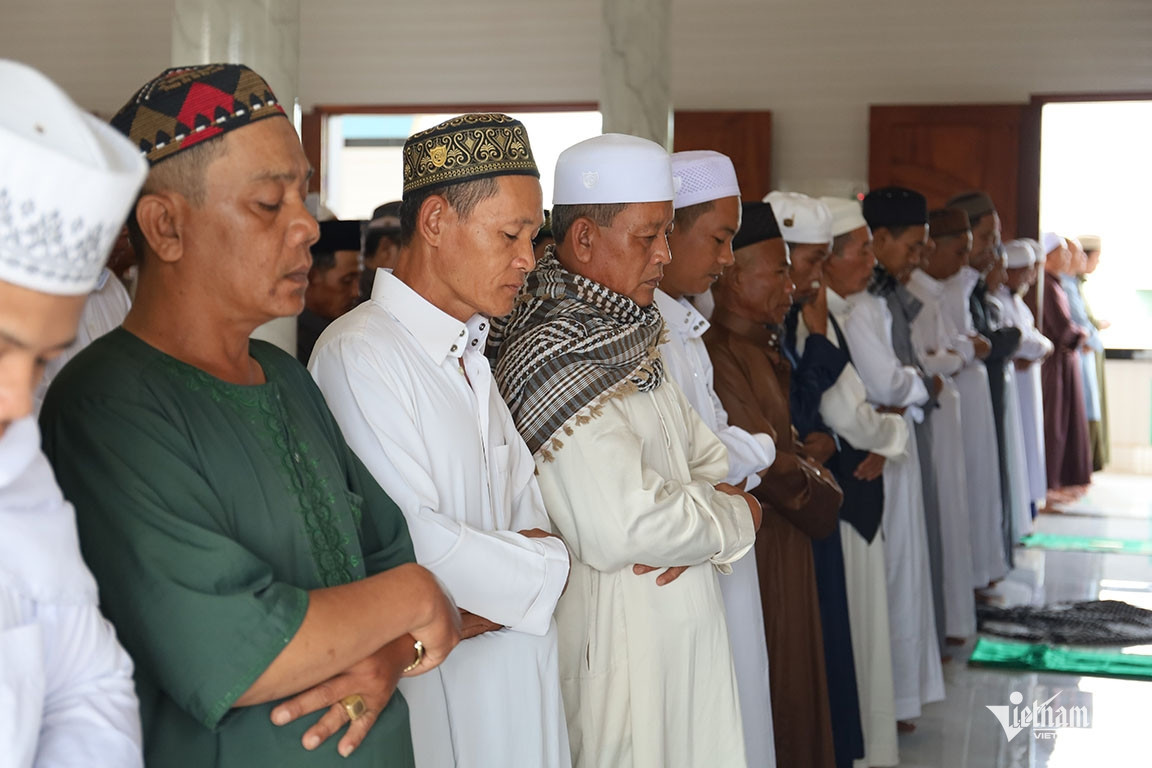
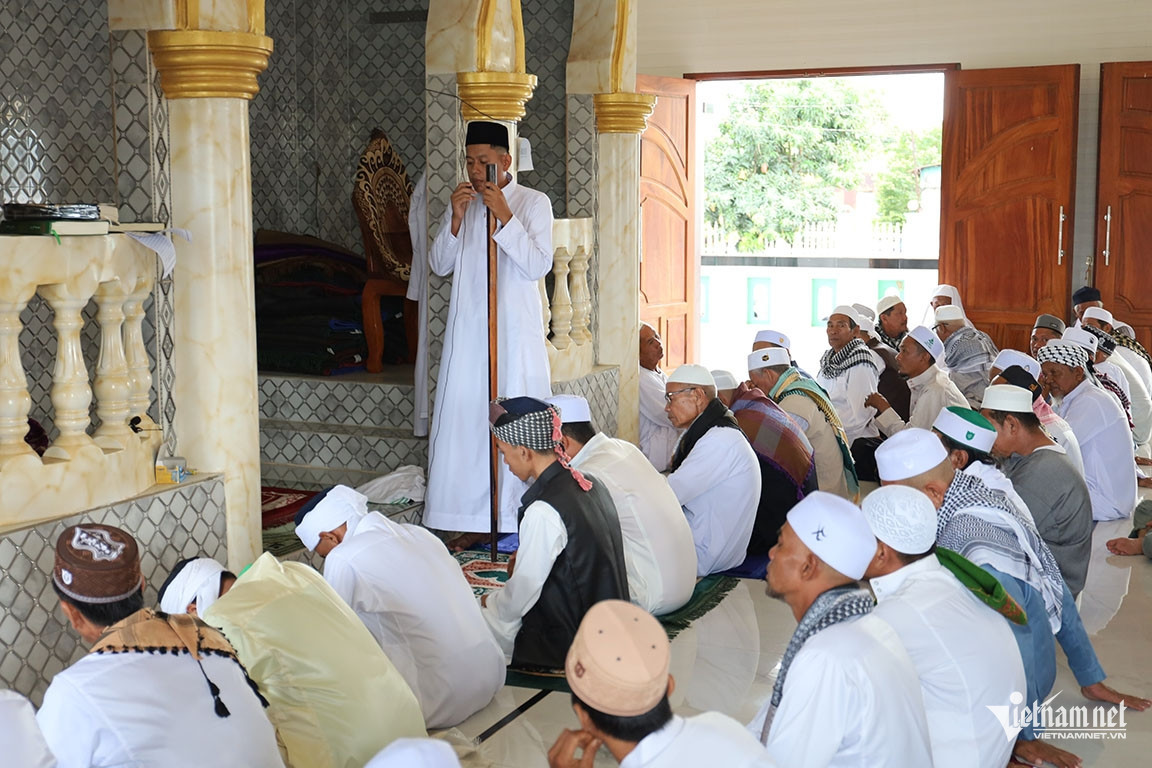
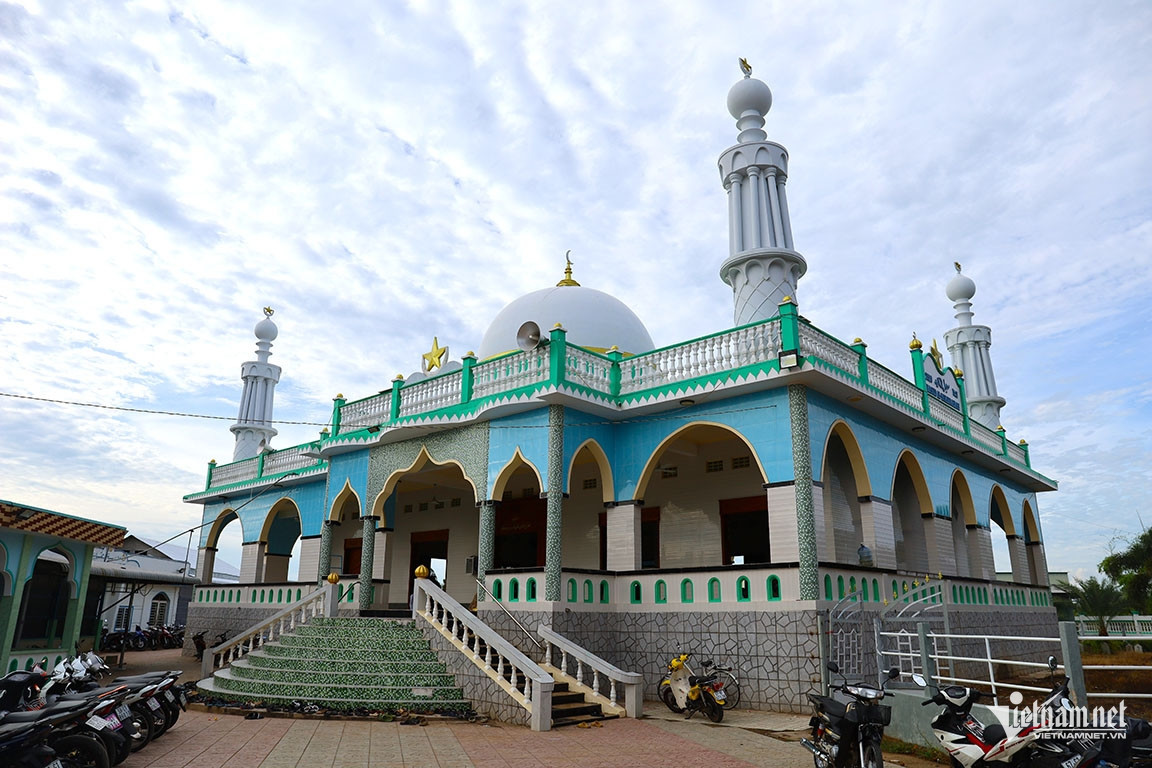
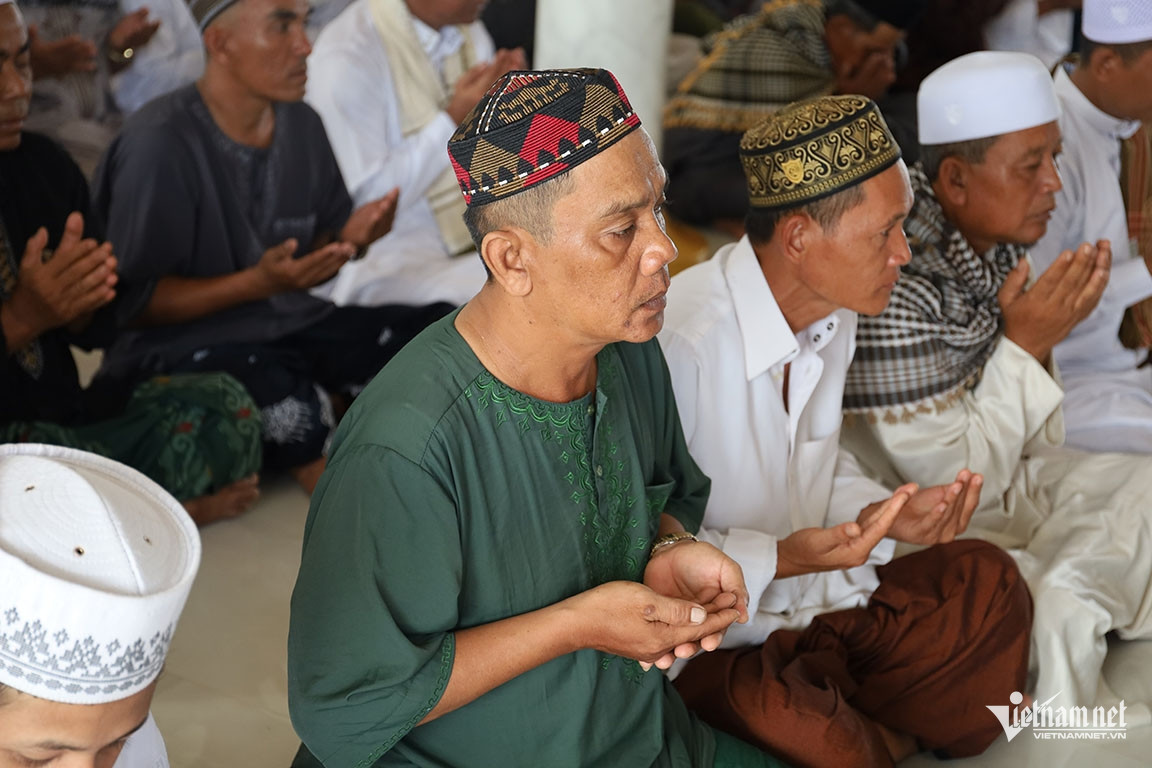
This year, Roya Haji takes place from May 27 to 29. Inside the solemn atmosphere of Al-Mukarramah Mosque, prayers echoed throughout the space, creating a deeply spiritual ambiance. Worshippers prayed for peace, family happiness, favorable harvests and a stronger, more united community.
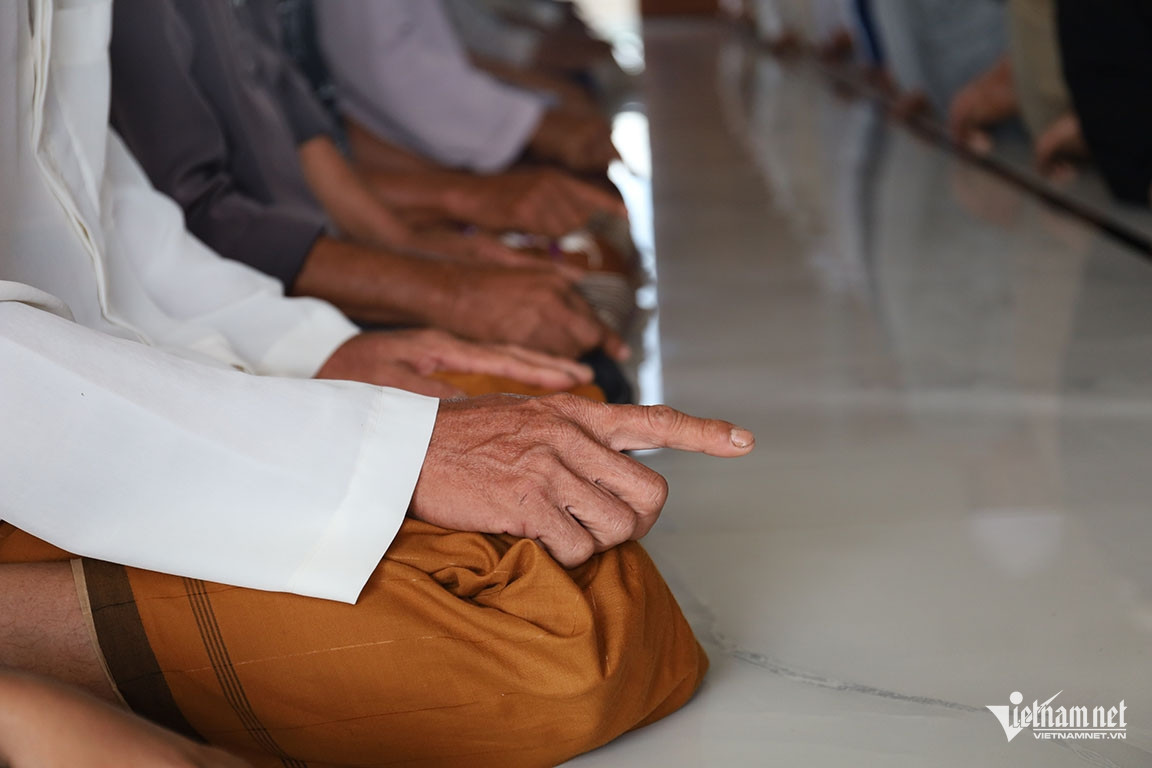
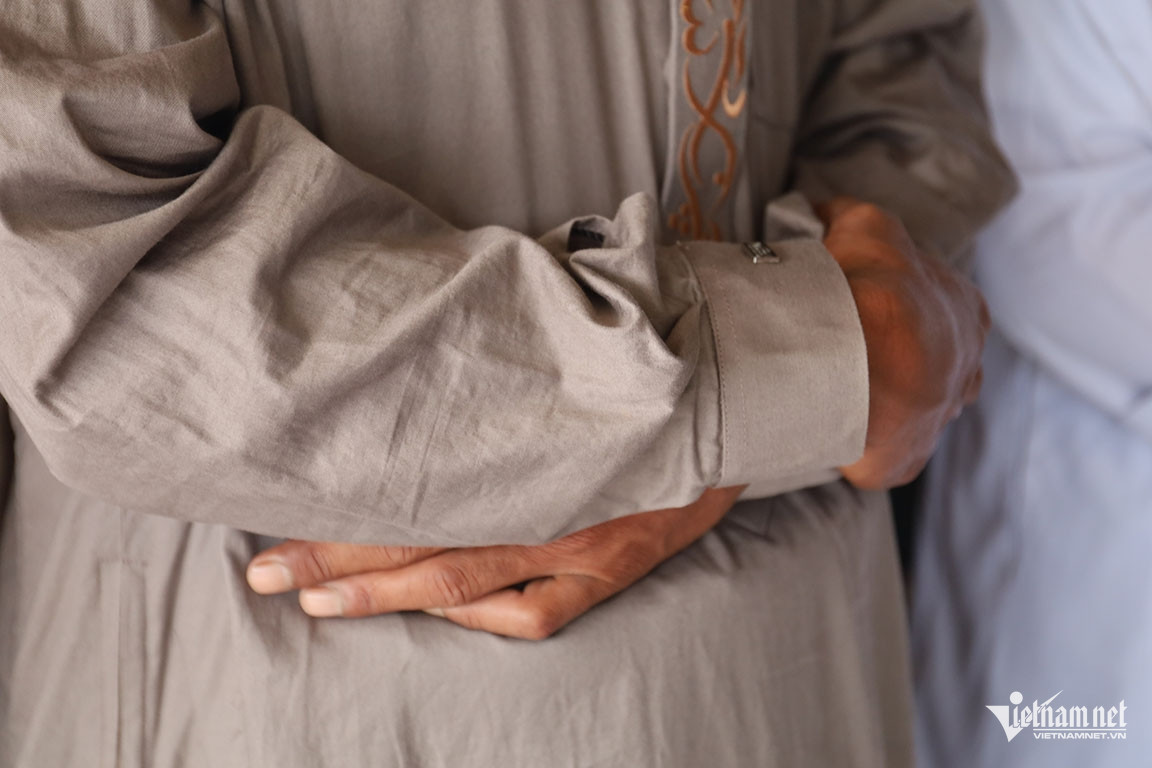
The hand gestures performed during the ceremony reflect the worshippers’ absolute devotion to Allah.
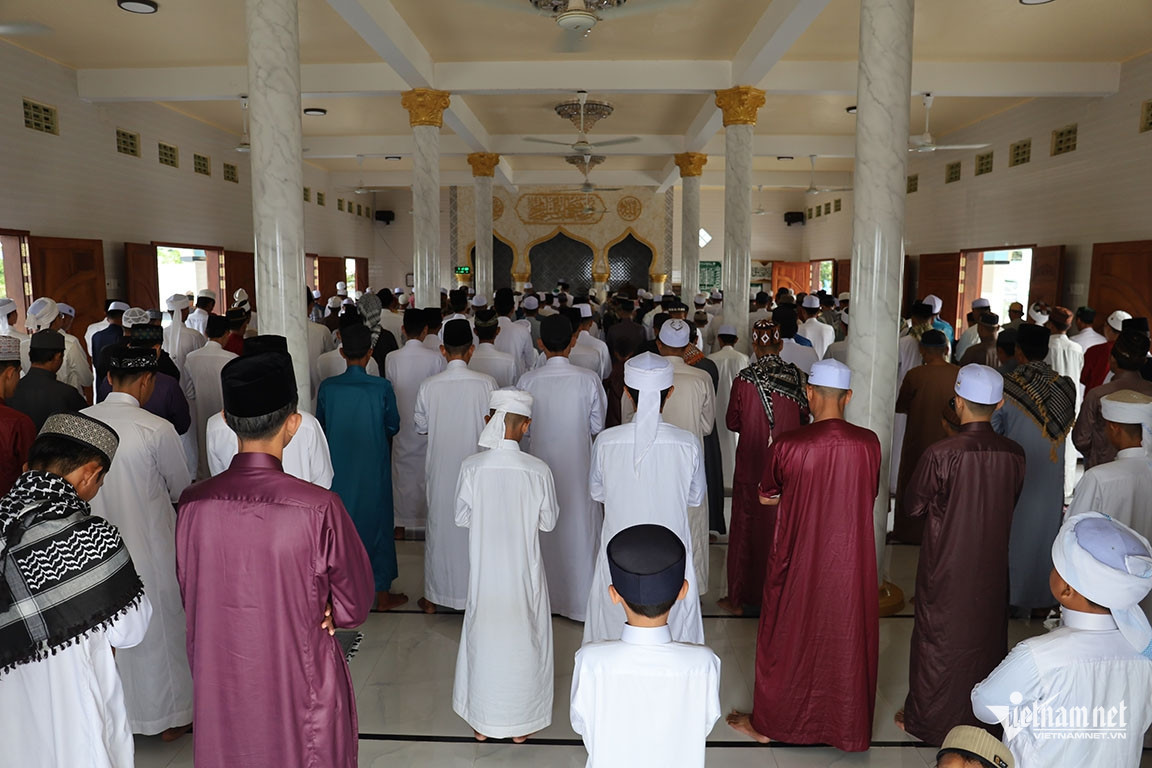
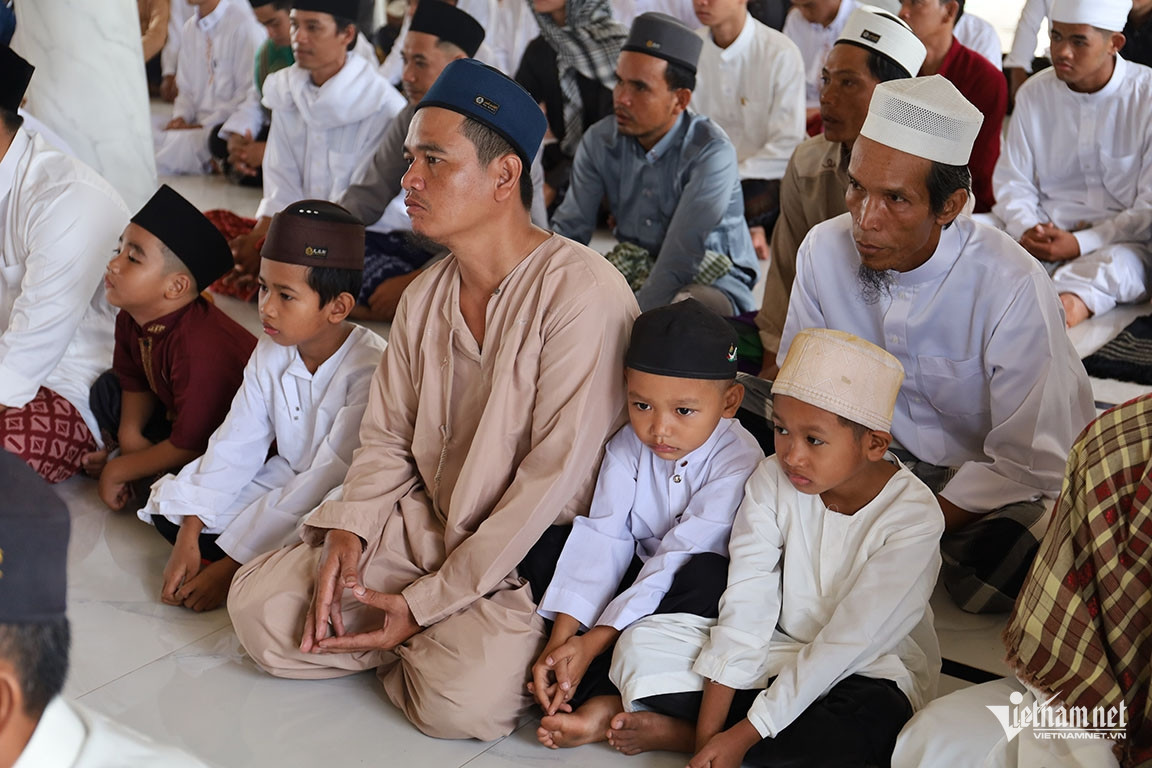
According to Cham tradition, it is typically the men who go to the mosque for prayers, while women perform rituals at home and spend time preparing traditional dishes to welcome relatives, neighbors and guests joining the festivities.
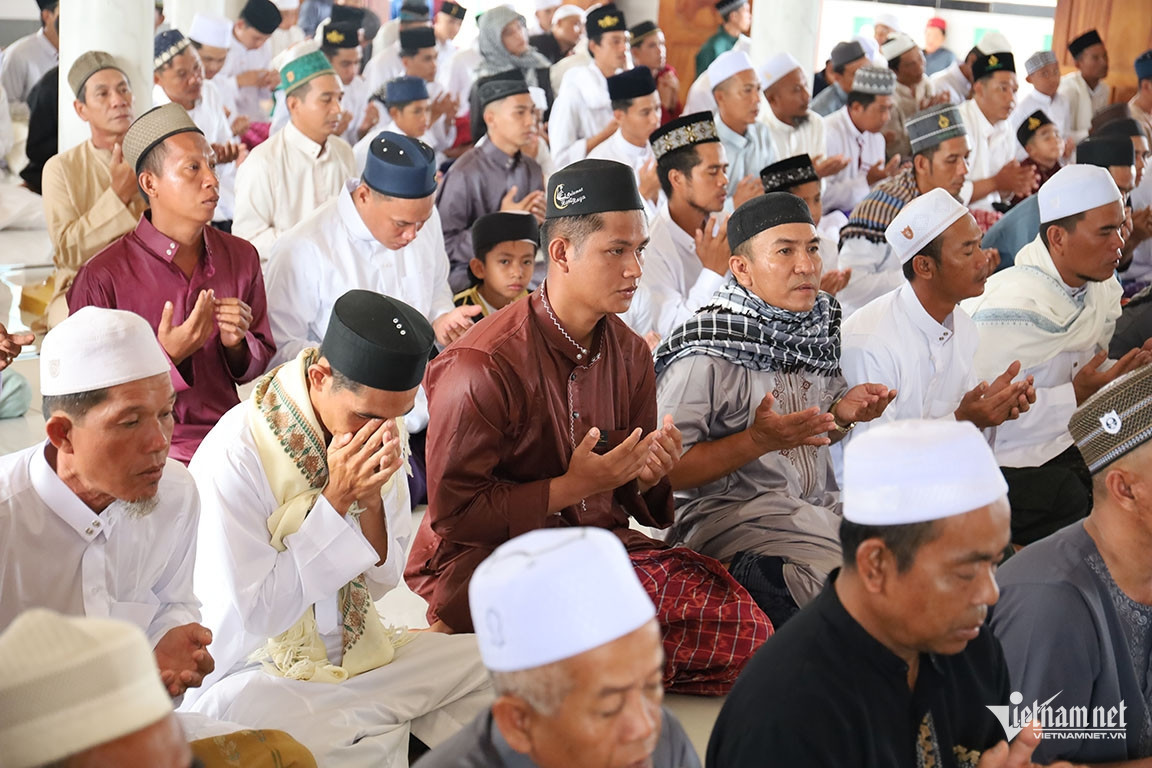
ANa, deputy head of the management board of Al-Mukarramah Mosque and a respected member of the Muslim representative committee in Khanh Binh Commune, said: “For the Cham people, Roya Haji is not only a time for religious rituals but also a season of sharing, compassion and connection. These human values have been preserved and passed down through generations, becoming a beautiful part of community life.”
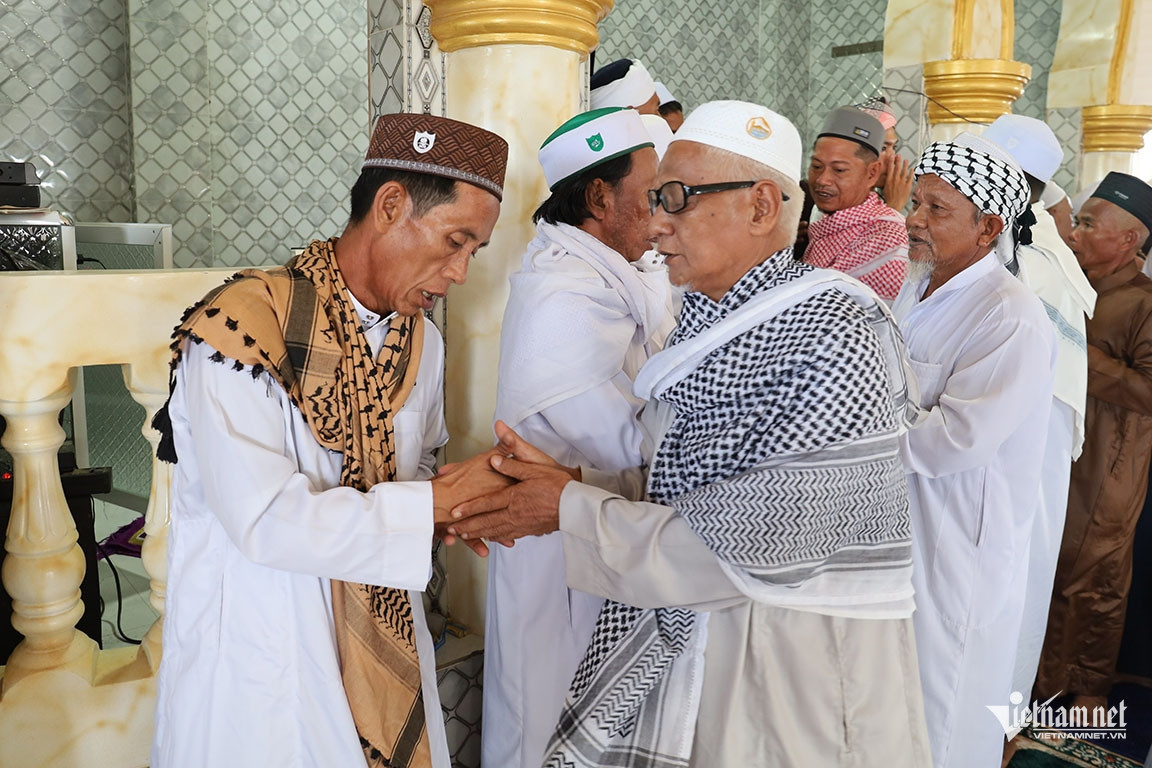
Y Xa, a Cham resident of Binh Di Hamlet in Khanh Binh Commune, shared: “After prayers, people visit relatives and neighbors and perform forgiveness rituals to let go of conflicts and grievances in life. This is a deeply humane cultural tradition of the Cham people in An Giang that has been preserved until today.”
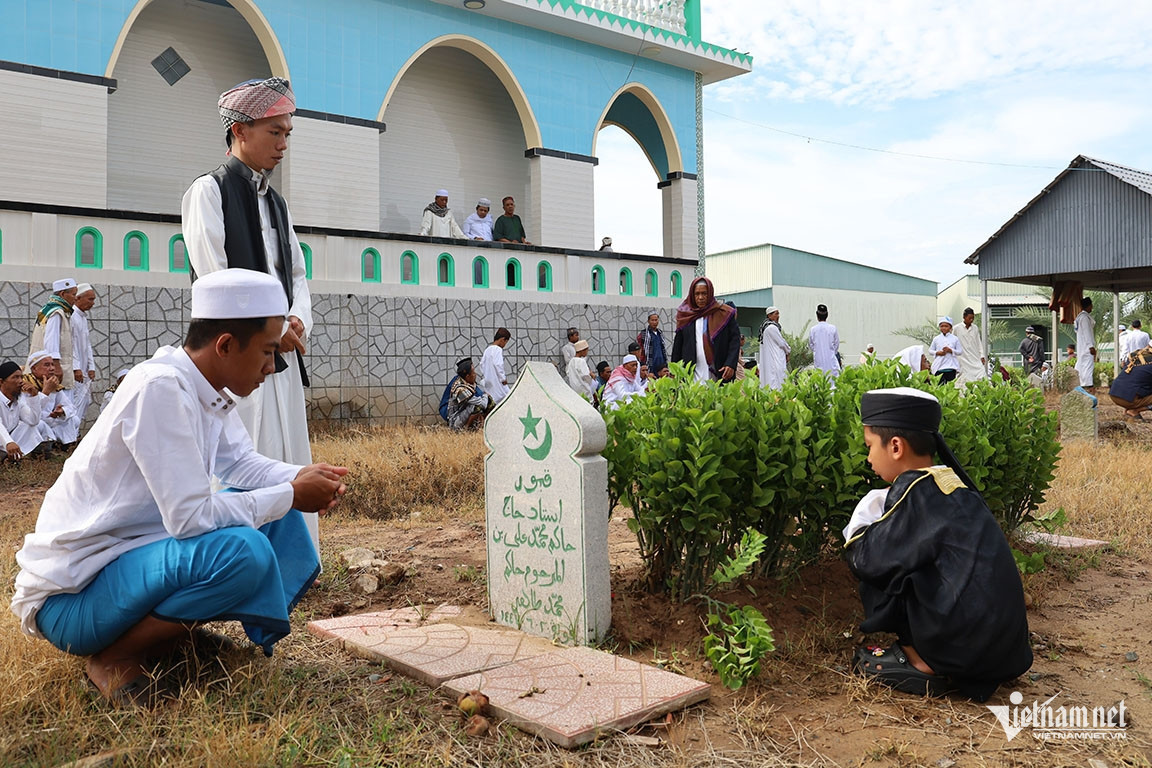
Following prayers at the mosque, Cham families visit the graves of grandparents, parents and deceased relatives to offer prayers. The practice reflects filial piety and gratitude toward ancestors, while also teaching younger generations about the tradition of remembering one’s roots.
An Giang Province covers nearly 10,000 square kilometers and has a population of close to five million people. The Cham ethnic community numbers 21,594 people, accounting for 0.43% of the province’s population. They mainly live in Chau Phong, Vinh Hau, Vinh Hanh, My Duc, Nhon Hoi and Khanh Binh communes.
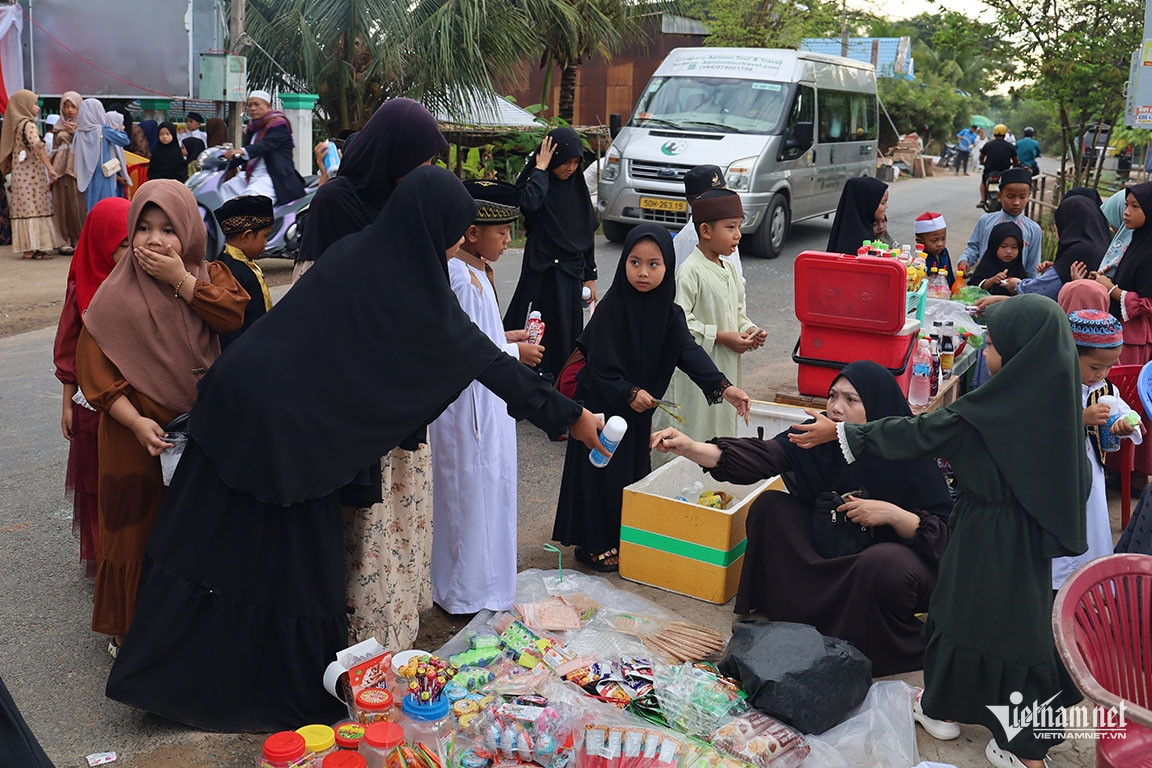
In localities with large Cham populations, preparations for Roya Haji begin many days in advance. Families clean their homes, prepare offerings, shop for food and sew new clothes for children.
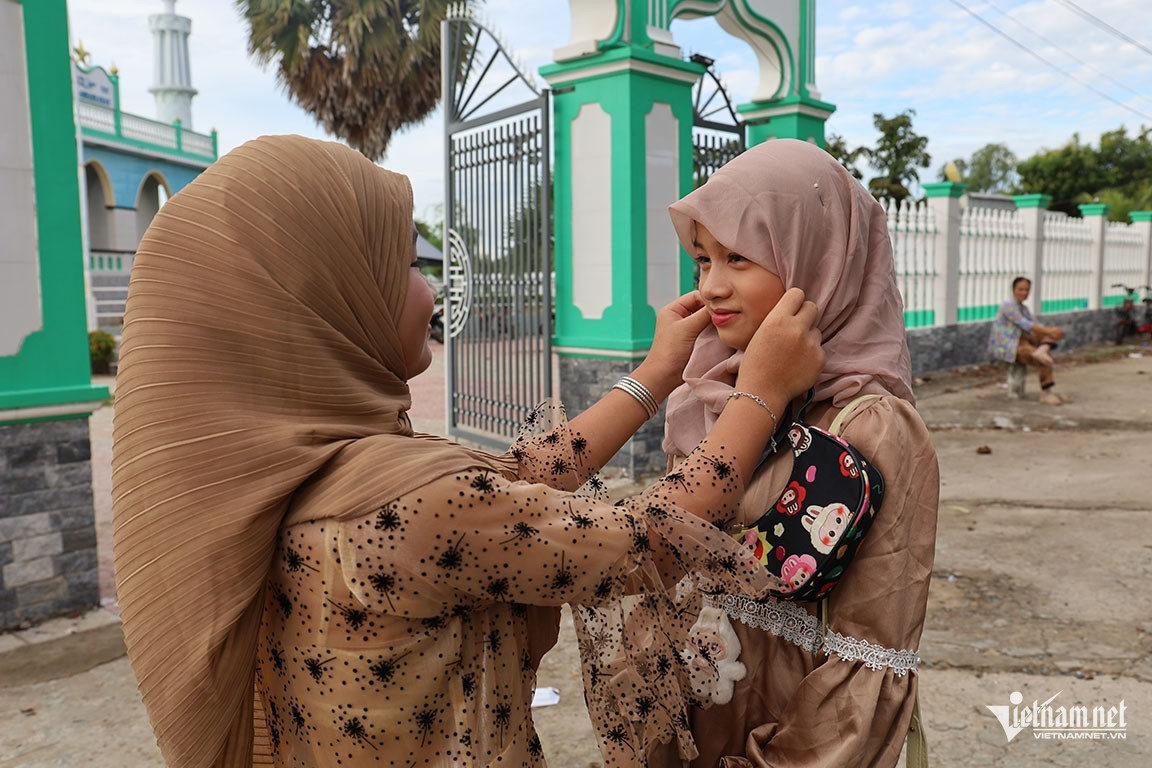
Beyond its religious significance, Roya Haji is also an occasion for families to teach younger generations about morality, compassion, forgiveness and responsibility toward the community. Stories about ethnic traditions and lessons of sharing and kindness are passed down by elders during family gatherings.
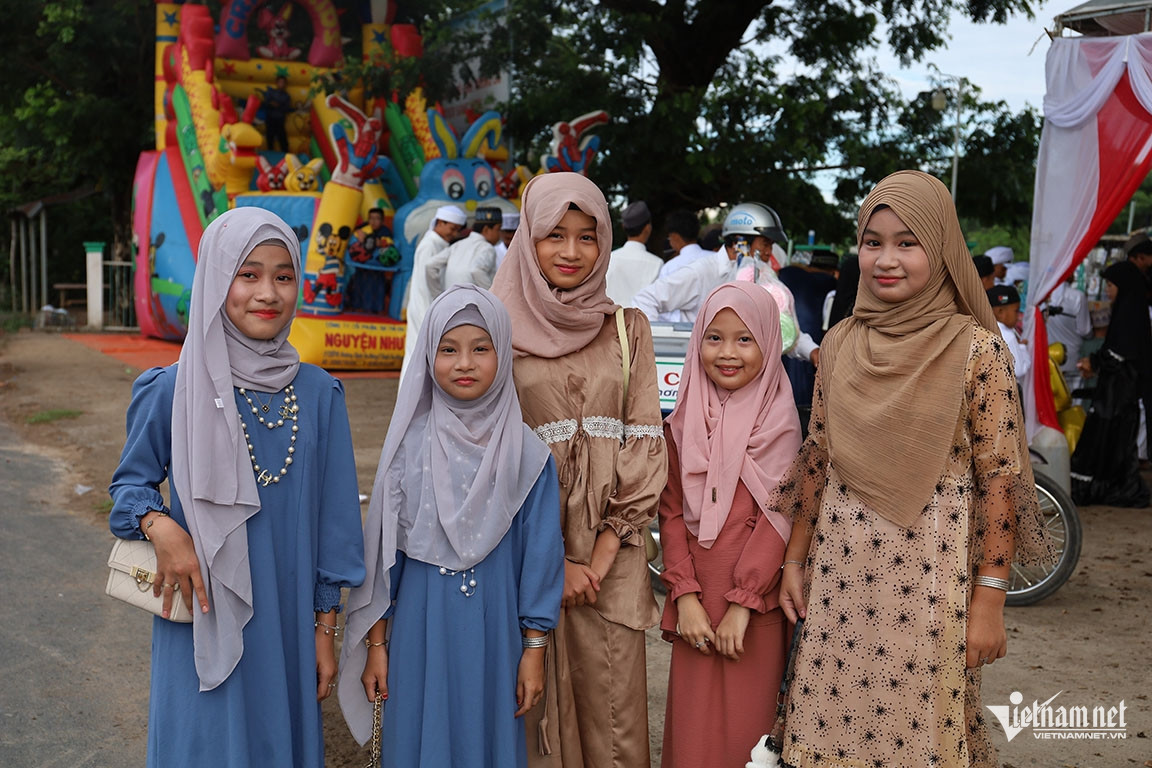
Despite the rapid changes of modern life, the Cham community in An Giang continues to cherish and preserve the traditional values of Roya Haji. Religious rituals, traditional costumes and family customs are all carefully maintained and handed down through generations, helping preserve the cultural identity of the Cham people.
Tao Dat
.svg)
