 Vietnamnet.vn

 Podcast



The Economic Police Department of the HCMC Police Department is expanding its investigation into the case of “violating food safety regulations” centered around a facility processing apple snails with industrial chemicals.
The site, operating without signage at 60 Rach Cat Ben Luc Street, Binh Dong Ward, was run by Huynh Van Truong (born 1979, from Can Tho), who has been officially charged in connection with the offense.
3,000 tons of snails tainted with sodium silicate
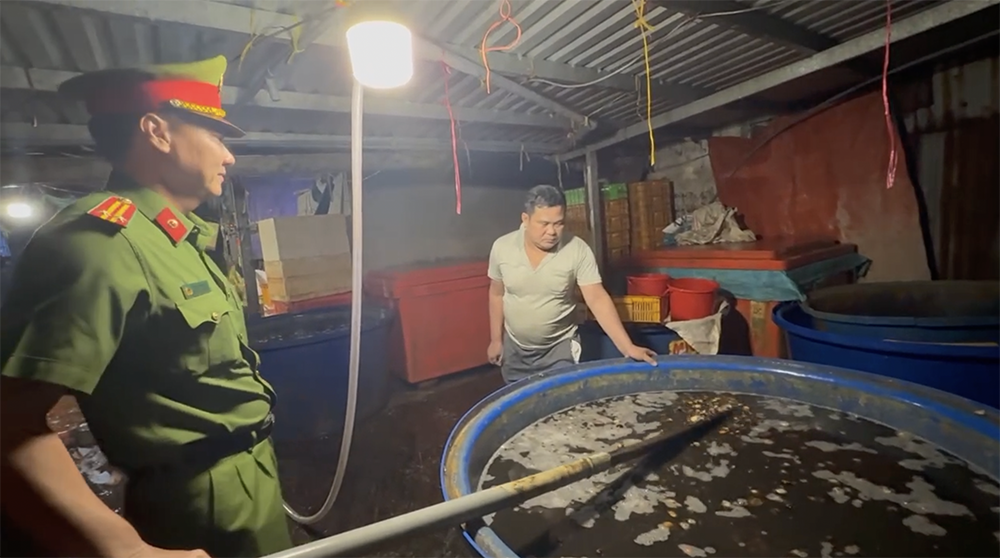
Authorities allege that from 2021 until now, Truong’s facility used around 500 tons of sodium silicate (Na₂SiO₃) to soak and process approximately 3,000 tons of apple snails, distributing them to the market and profiting significantly.
According to Lieutenant Colonel Tran Duc Loi, deputy head of Division 4 of the Economic Police Department, investigators began tracking large volumes of unmarked snails being transported from multiple provinces to cleared lots near Binh Dien wholesale market. However, rather than entering traditional markets, these shipments were rerouted to an off-grid location for chemical processing.
Surveillance revealed that the snails were being taken to an unmarked facility on Rach Cat Ben Luc Street. Authorities conducted a raid and discovered the location was processing chemically treated snail meat on a large scale.
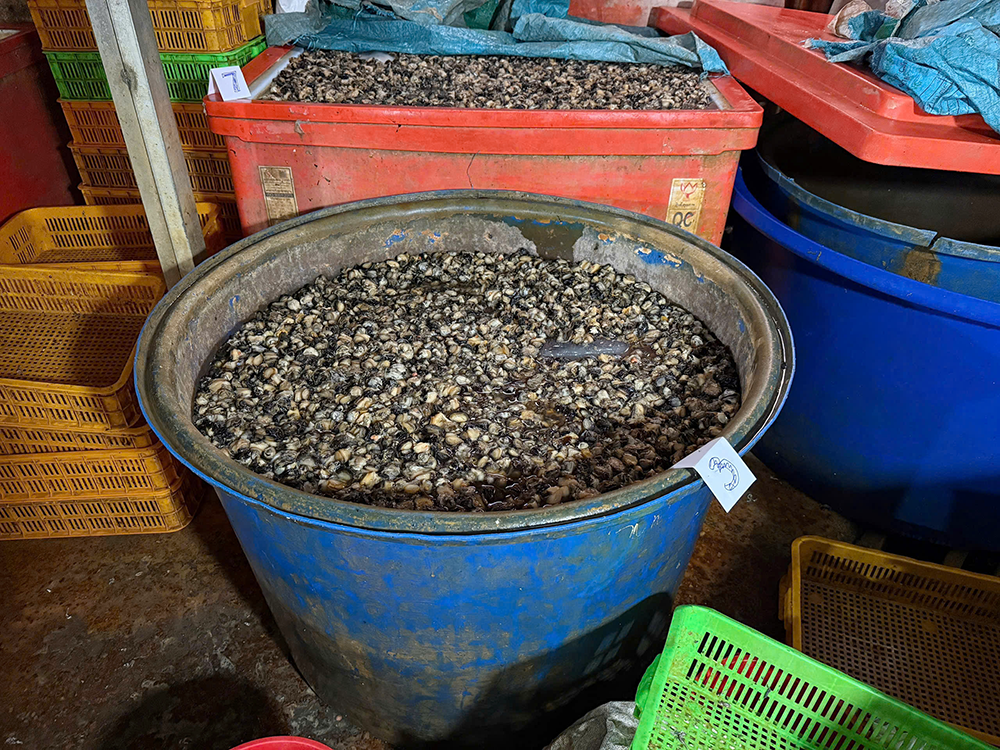
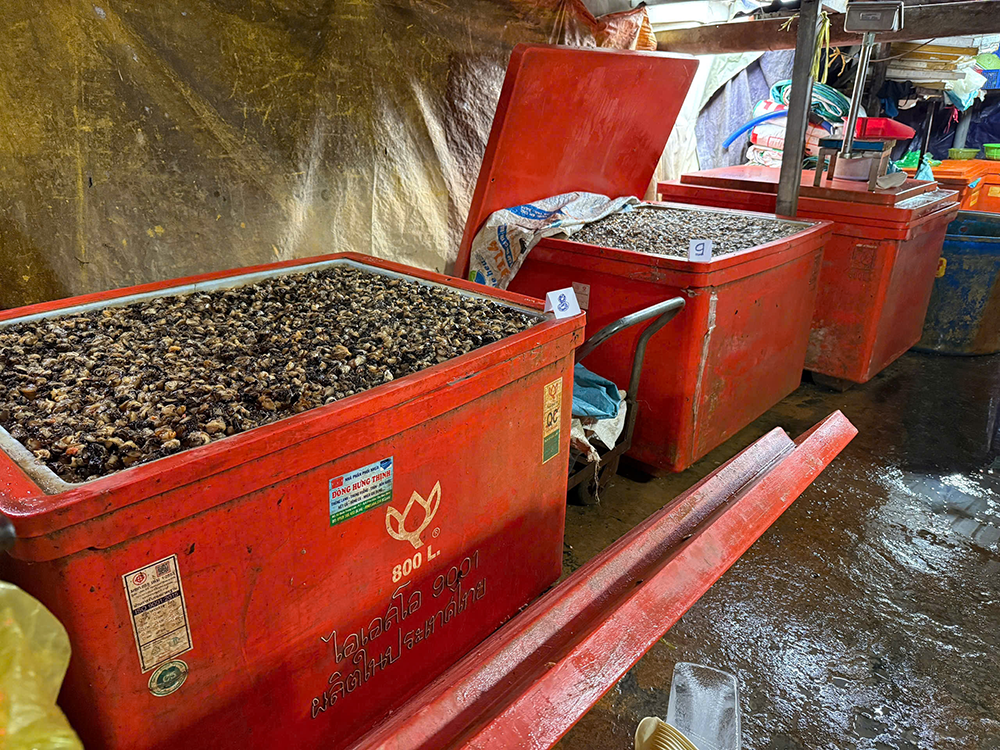
During questioning, Truong admitted to buying sodium silicate from Kim Bien Market at about 6,000 VND (USD 0.25) per kilogram. He instructed workers to soak 150 kg of snails with 5 kg of sodium silicate in water for four hours before rinsing and packaging them in 5 kg, 10 kg, and 20 kg batches, depending on customer orders.
At the time of the raid, police seized about 3 tons of pre-processed snail meat. Laboratory tests confirmed the presence of sodium silicate in all samples. Officers also confiscated another 1,575 kg of the chemical at the site.
Truong claimed the chemical was used to make the snail meat look shiny and appealing for sale and said he was unaware of its potential toxicity. He also told police that when he disclosed his intended use while buying the chemical, vendors gave no warnings or objections.

According to Senior Lieutenant Colonel Ngo Thuan Lang, deputy head of the Economic Police Department, investigators have identified the chemical suppliers and are collecting additional evidence.
“If there's insufficient ground for criminal charges, we will propose administrative penalties and license revocation,” Lang stated. “However, if the suppliers knowingly sold chemicals for use in food processing, criminal liability will be pursued.”
Why it took five years to uncover the operation
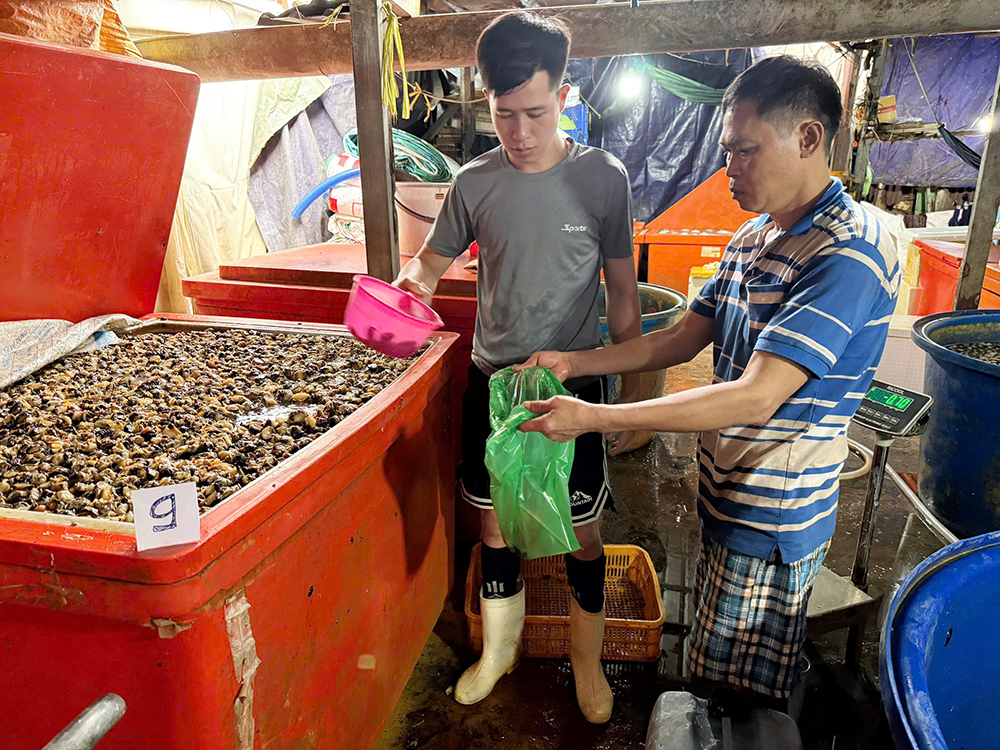
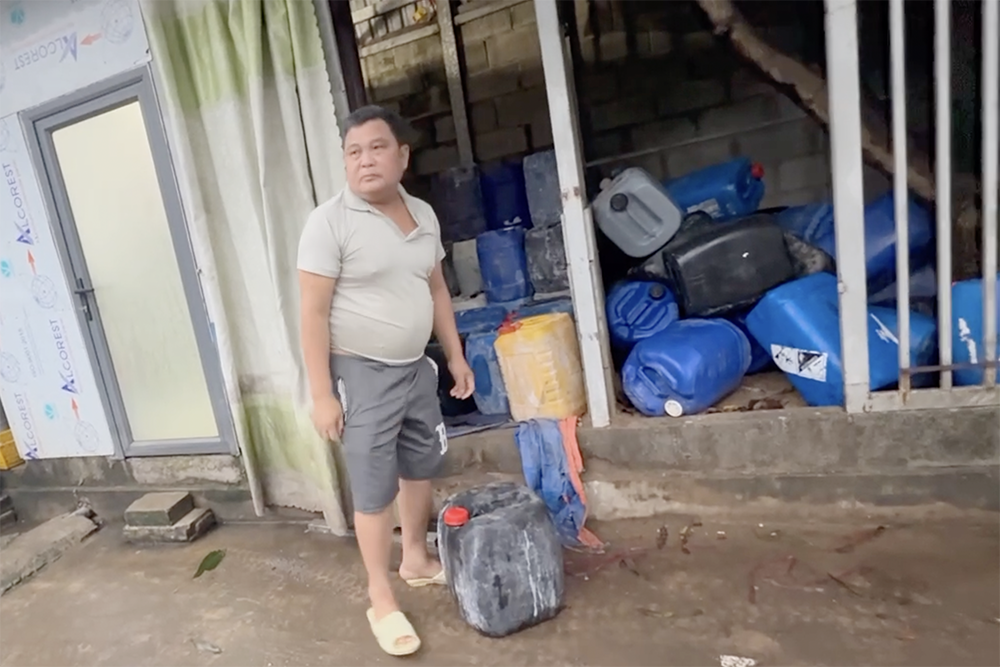
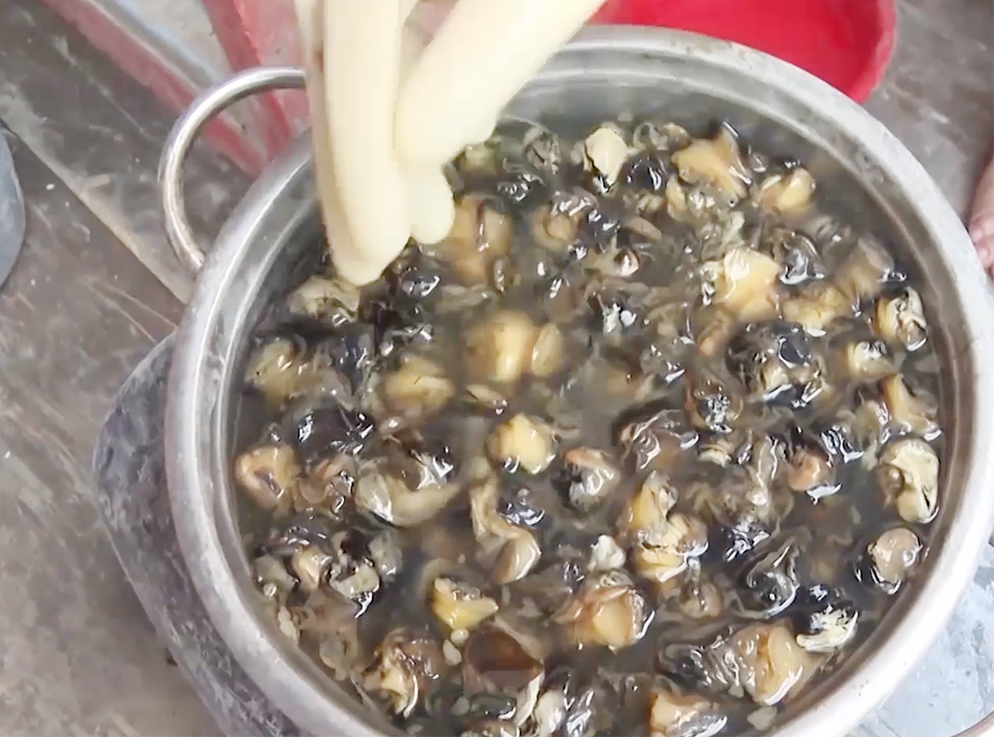
Investigators revealed that the tainted snail meat was mainly sold to vendors at Binh Dien wholesale market, traditional markets, restaurants, and street food stalls - ending up directly in consumer meals.
Police have begun inspecting these vendors and are preparing legal cases against individuals and organizations involved in distributing chemically contaminated food products.
The operation went undetected for years due to sophisticated tactics. Truong's team stored chemicals at separate locations to avoid suspicion and only transported them to the facility during processing.
He also relied heavily on family members - his wife, children, and relatives - to run the day-to-day operations. The facility was built in a remote, isolated area far from residential zones to minimize odors and avoid complaints.
According to the Economic Police, consumers would have had difficulty identifying the tainted snail meat by sight alone. As such, cooperation with forensic science agencies was needed to confirm the chemical presence through laboratory testing - forming the legal basis for prosecution.
Dam De
.svg)
