 Vietnamnet.vn

 Podcast



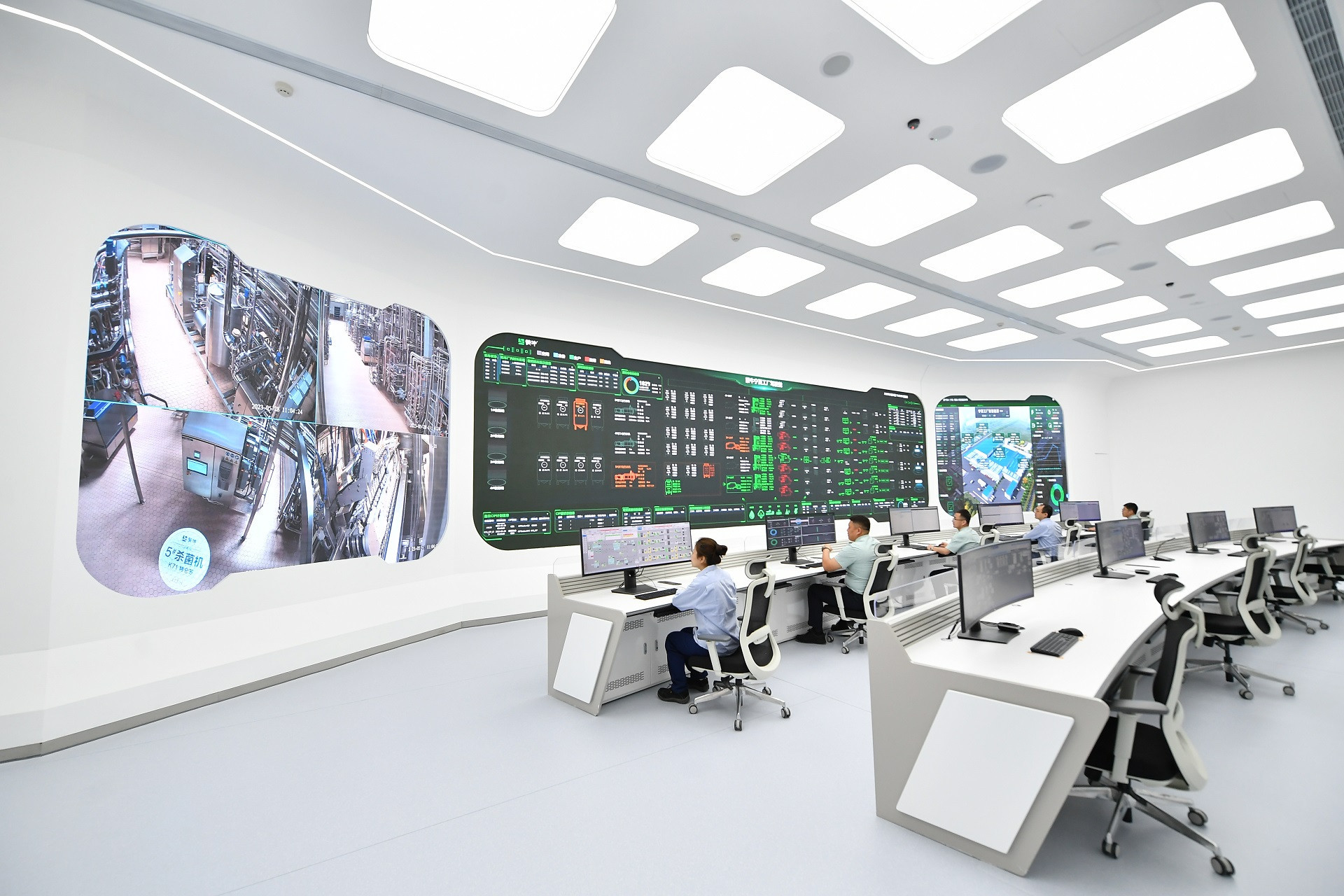
Capital investment is another major hurdle.
Most manufacturers cannot afford the enormous cost of discarding existing production lines and replacing their entire technology infrastructure in a single upgrade cycle.
Connecting old and new systems through open architecture
To address these challenges, software solutions based on open architecture, such as the Factory OS platform, are increasingly being adopted.
According to Tetra Pak, the core principle behind this approach is the creation of an integrated data platform that functions as an intelligent connection layer capable of communicating with equipment regardless of its technological age.
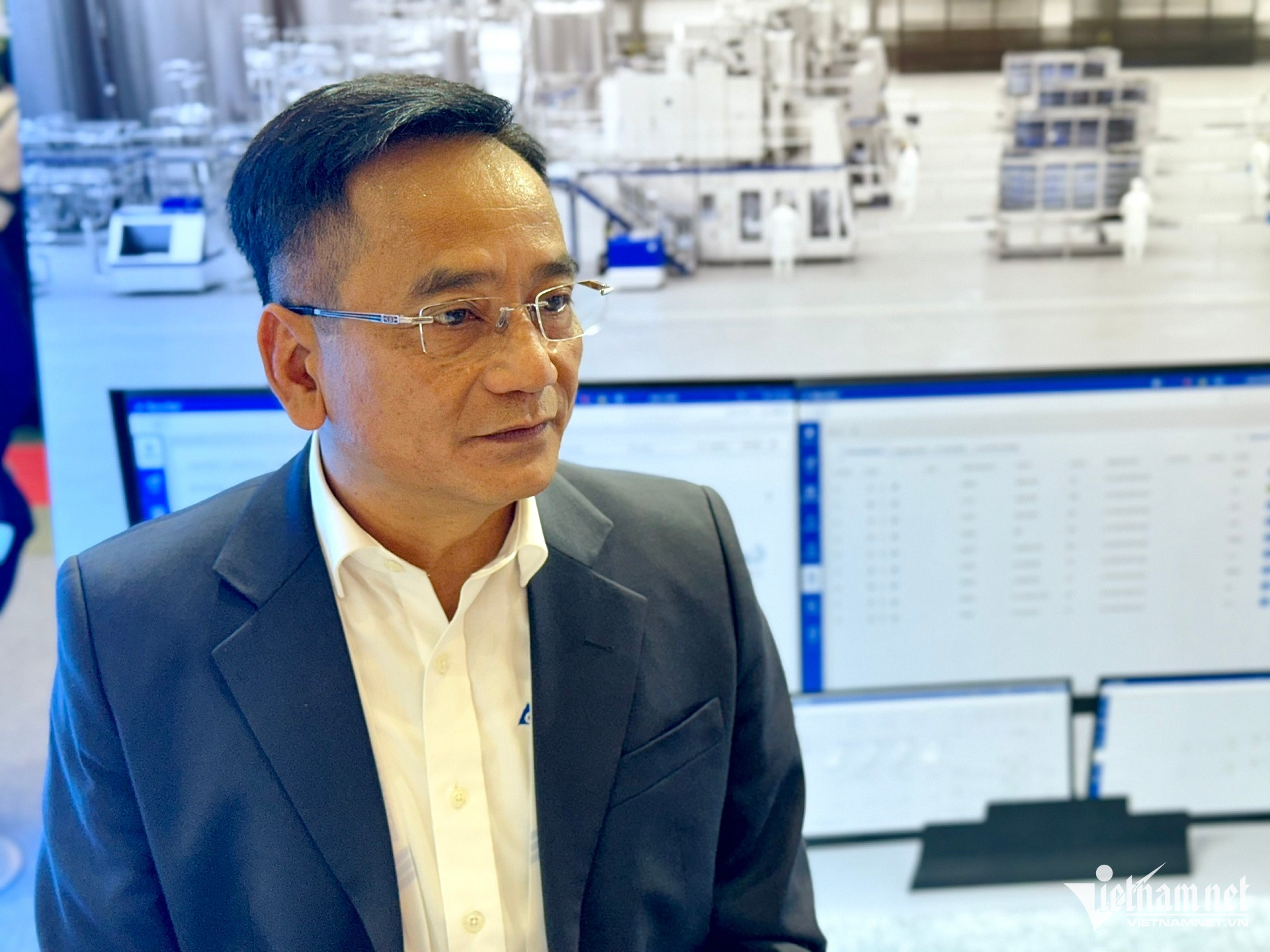
“The system standardizes fragmented data from everything ranging from legacy SCADA platforms to the latest generation of devices into a single source of truth that supports automation,” Nguyen Van said.
Rather than replacing equipment, Factory OS focuses on connecting and enhancing the value of existing assets, allowing manufacturers to improve operational efficiency without requiring massive upfront investment.
Its modular design also enables dairy companies to spread costs according to their actual needs.
Manufacturers can begin their digitalization journey on a smaller scale, such as establishing a centralized control room. After evaluating performance gains, they can then invest further in Manufacturing Execution Systems (MES) or integrate operations with Enterprise Resource Planning (ERP) platforms.
AI helps reduce operational risks
Beyond equipment compatibility issues, dairy manufacturers face significant operational risks linked to human error.
Dairy processing requires strict hygiene standards, and even minor mistakes can have serious consequences for product quality.
To mitigate these risks, artificial intelligence is increasingly being embedded into factory operations.
AI systems can digitize standard operating procedures and function as virtual assistants, providing step-by-step guidance and reminders to ensure employees follow sanitation and production protocols accurately.
This allows workers to perform tasks with greater confidence and consistency while supporting quality assurance, productivity and automation goals.
The growing adoption of comprehensive digital transformation solutions has already demonstrated tangible benefits globally, with average operating cost reductions of around 32%.
In Vietnam, major dairy producers are beginning to incorporate these technologies into their smart factory roadmaps, gradually narrowing the gap between local manufacturing operations and the world’s leading Lighthouse Factories.
Du Lam
.svg)
