 Vietnamnet.vn

 Podcast



The Ho Chi Minh City Department of Education and Training has formally requested the city’s Food Safety Authority to inspect the entire supply chain of semi-boarding school meals following the Sago Food scandal, in which expired meat was found in lunches served to students.
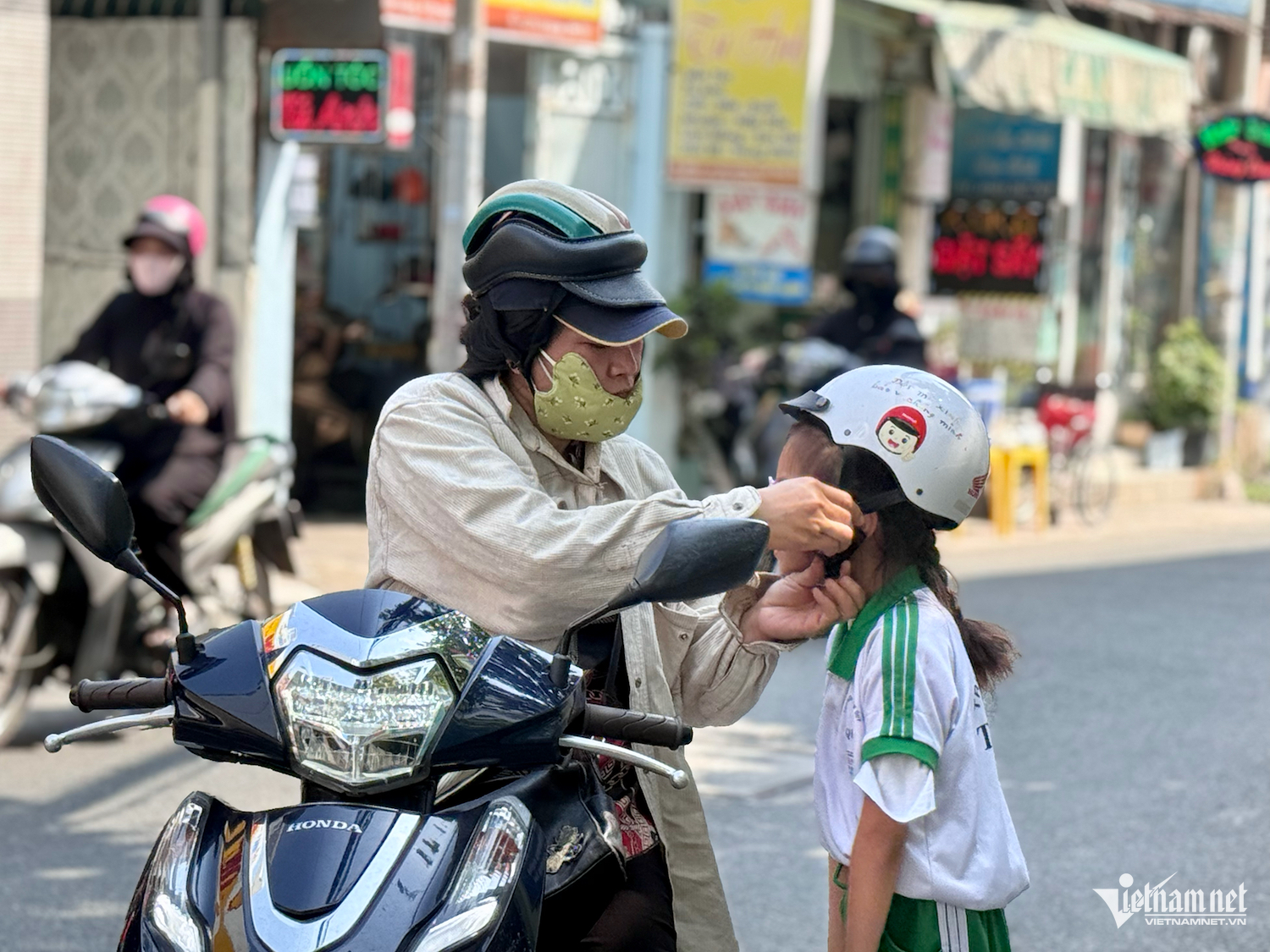
The Education Department noted that it has recently received a growing number of complaints and reports concerning potential food safety risks in school meals - particularly with industrially prepared meals and pre-cooked portions provided by centralized catering services for educational institutions.
While many meal suppliers hold proper legal permits and documentation, actual operations often reveal inadequate hygiene conditions and unsafe practices in food preparation, storage, transportation, and delivery. These risks have caused widespread concern among parents, schools, and the broader community.
The Department warns that if left unaddressed, these lapses could directly affect student health. It is now calling for stronger coordination with the Food Safety Authority to urgently implement several key measures:
First, conduct in-depth and realistic inspections - not only of legal paperwork but also of actual hygiene conditions and food handling processes at every stage. Inspections should be both periodic and unannounced, especially for large-scale suppliers serving multiple schools.
Second, apply stringent controls throughout the entire school meal supply chain - from ingredient sourcing, processing, and storage to transport and final delivery. Inspections must verify the three-step food checking protocol, proper food sample retention, and measures to prevent cross-contamination. Cooking oil, packaging, and food-contact tools and equipment must also be monitored.
Third, ensure swift enforcement and early risk alerts. If any food safety violations are detected, authorities must impose strict penalties within their jurisdiction.
In cases of potential danger, the Food Safety Authority is asked to promptly inform the Department of Education and Training so schools can be directed to suspend the use of affected suppliers immediately. Inspection findings should be shared with the education sector to inform school decisions and help maintain an up-to-date list of qualified, at-risk, or non-compliant meal providers.
The Department emphasized that this food safety control effort must be preventive in nature - aiming to detect and eliminate risks before incidents occur - in order to protect the health and lives of students, who are a highly vulnerable population.
Le Huyen
.svg)
