 Vietnamnet.vn

 Podcast



Kim Sang Sik’s winning formula
At the 33rd SEA Games and throughout 2025’s international tournaments, Coach Kim Sang Sik made a strong impression with his bold rotation policy.
Except for the goalkeepers, nearly every player on the registration list was given a chance to step onto the pitch.
The effectiveness of these substitutions was clear. Players like Thanh Nhan and Van Thuan delivered crucial goals after coming off the bench, helping Vietnam push through difficult moments.
These weren’t just procedural substitutions - they were strategic, based on timing and role.
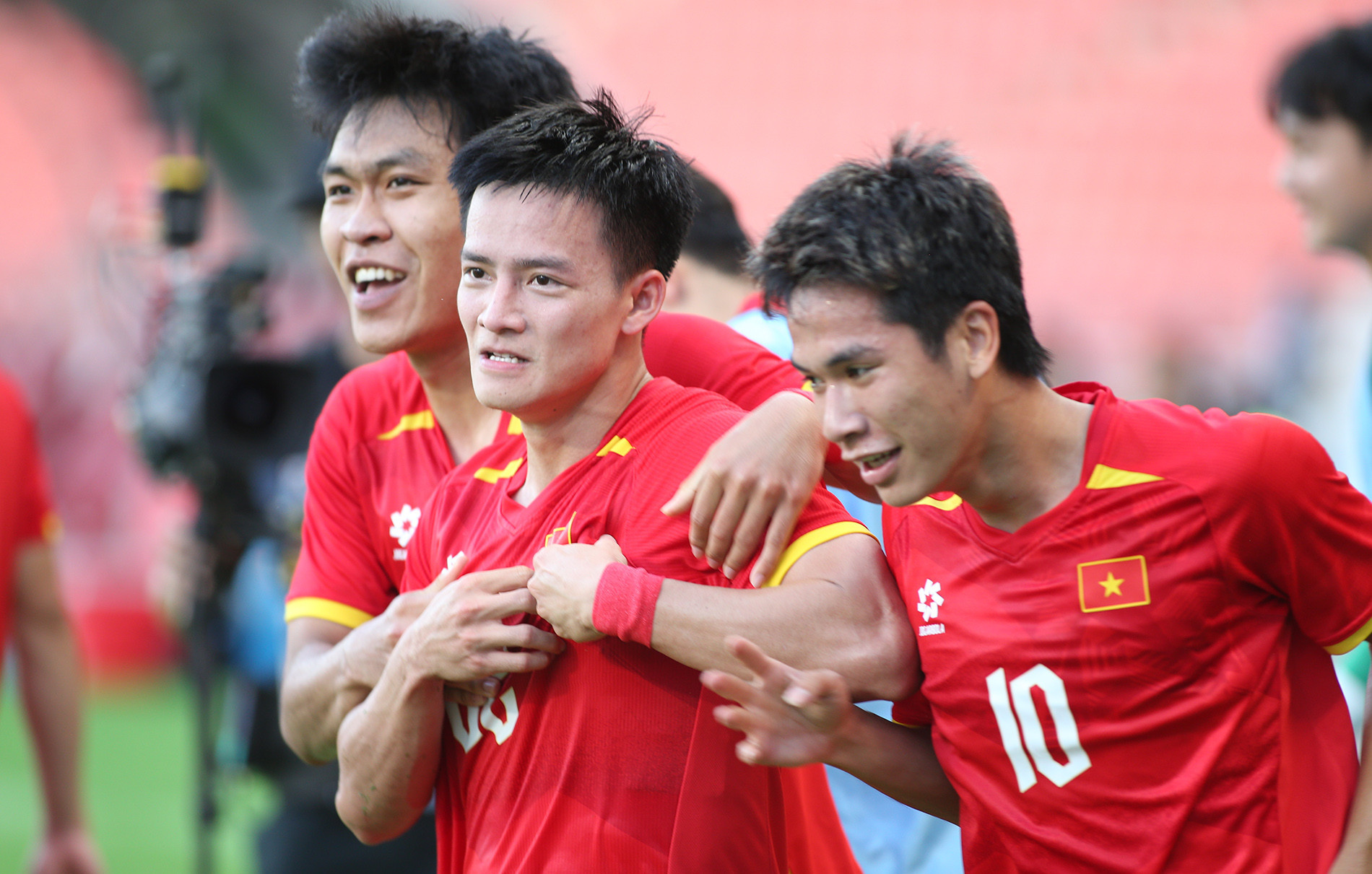
Utilizing the bench effectively brings several key benefits.
First, it helps maintain players’ physical condition and energy levels over a long tournament.
More importantly, it builds trust and readiness among the substitutes, who feel valued and prepared to make an impact.
This internal competition prevents complacency among the starting lineup and creates real squad depth, which is crucial for a high-stakes tournament.
The gap that remains
Still, looking deeper into Coach Kim’s substitution choices reveals a concern.
Aside from standouts like Thai Son and Thanh Nhan, most substitutes seemed out of sync with the team’s rhythm, tempo, and cohesion.
While their goals were significant, they often felt more like moments of individual brilliance than the result of a well-oiled system.
This gap between starters and substitutes may not be glaring at the regional level, where superior individual talent or team spirit can make up the difference.
But at the AFC U23 Championship, where pace, intensity, and opponent quality are significantly higher, that discrepancy becomes a real challenge.
Coach Kim will need to do more than just bring on fresh legs - he must ensure that bench players can seamlessly integrate into the team’s style and rhythm when called upon.
If this gap can be closed, U23 Vietnam has every reason to dream big at the continental level.
Duy Nguyen
.svg)
