 Vietnamnet.vn

 Podcast



Each year, Vietnam exports several dozen million tonnes of coal. However, Vietnam stepped into importing coal from 2011. National Council for Science and Technology Policy member Nguyen Dang Vang tells why.
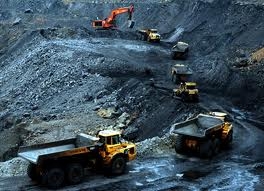
When the government licences the building of
new thermal power plants, particularly those positioned in the Mekong Delta the
decision of using coal from northern coal mine Quang Ninh province or importing
coal for power production is up to investors.
In fact, the transportation
fare when coal is imported from Indonesia into the delta is tantamount to that
when coal is transported from Quang Ninh into the delta region.
It is
worth to mention that the quality of coal in Quang Ninh is very good with heat
energy reaching 7,600-8,200 kcal/kg meanwhile coal used at thermo-power plants
require heat energy of just 5,000-6,000 kcal/kg.
Hence, to boost economic
efficiency, we have decided to import coal for power generation, while still
exporting coal at higher prices to take advantages of price
differences.
Would you shine further light on Vietnam’s coal
export situation?
In 2007, Vietnam shipped 32.1 million tonnes
of coal abroad, but the export volume kept falling since then. In 2009, just
19.4 million tonnes of coal were exported, slightly increasing to 19.8 million
tonnes in 2010 before falling to 16.5 million tonnes in 2011. Coal export is
relative to two following factors.
First, in recent years Vietnam mined
around 44 million tonnes of coal annually while local consumption is around 19
million tonnes per year. The redundancy is then bound for export.
Second,
since Vietnamese coal is of high quality, it enjoys higher prices than when it
is sold domestically. Hence, exporting coal with better prices would help the
coal sector balance expenses.
What about Vietnam’s current coal
deposits?
According to the Ministry of Natural Resources and
Environment, Vietnam is home to six coal basins, with Quang Ninh and the Red
River basins being the largest ones. The Quang Ninh basin has a deposit of 3.46
billion tonnes when mining at 400 metre depth which could be running out within
the next 60 years. Its total deposit is around 18.43 billion tonnes at 1,500m
depth. The heat energy for coal there is 7,800-8,600 kcal/kg.
The Red
River basin reports a coal deposit of 36.9 billion tonnes at 1,700m depth
underground. The heat energy ranges from 5,300 to 7,300 kcal/kg. State miner
Vinacomin figures showed that total forecast capacity of Red River basin’s
continental shelf is around 202.3 billion tonnes. This means Vietnam enjoys huge
untapped coal potential.
The Ministry of Finance has decided to
hike coal products’ export duty to 20 per cent from 15 per cent to reduce export
volumes. Why it was?
Any movement in Vietnam’s export and
import, including that of coal, must abide by World Trade Organization (WTO)
undertakings. Accordingly, we could not intervene using administrative measures
but we need to use the tax vehicle.
We have over-mined coal in some past
years compared to what we need. In the next years more coal will be required to
service growing development needs (about 8-10 million tonnes more in 2012,
surging to 28 million tonnes by 2015), meanwhile mining activities could not
keep pace with rising demands. Restricting coal import through raising coal
export duty comes on par with WTO requirements.
VIR
.svg)
