 Vietnamnet.vn

 Podcast



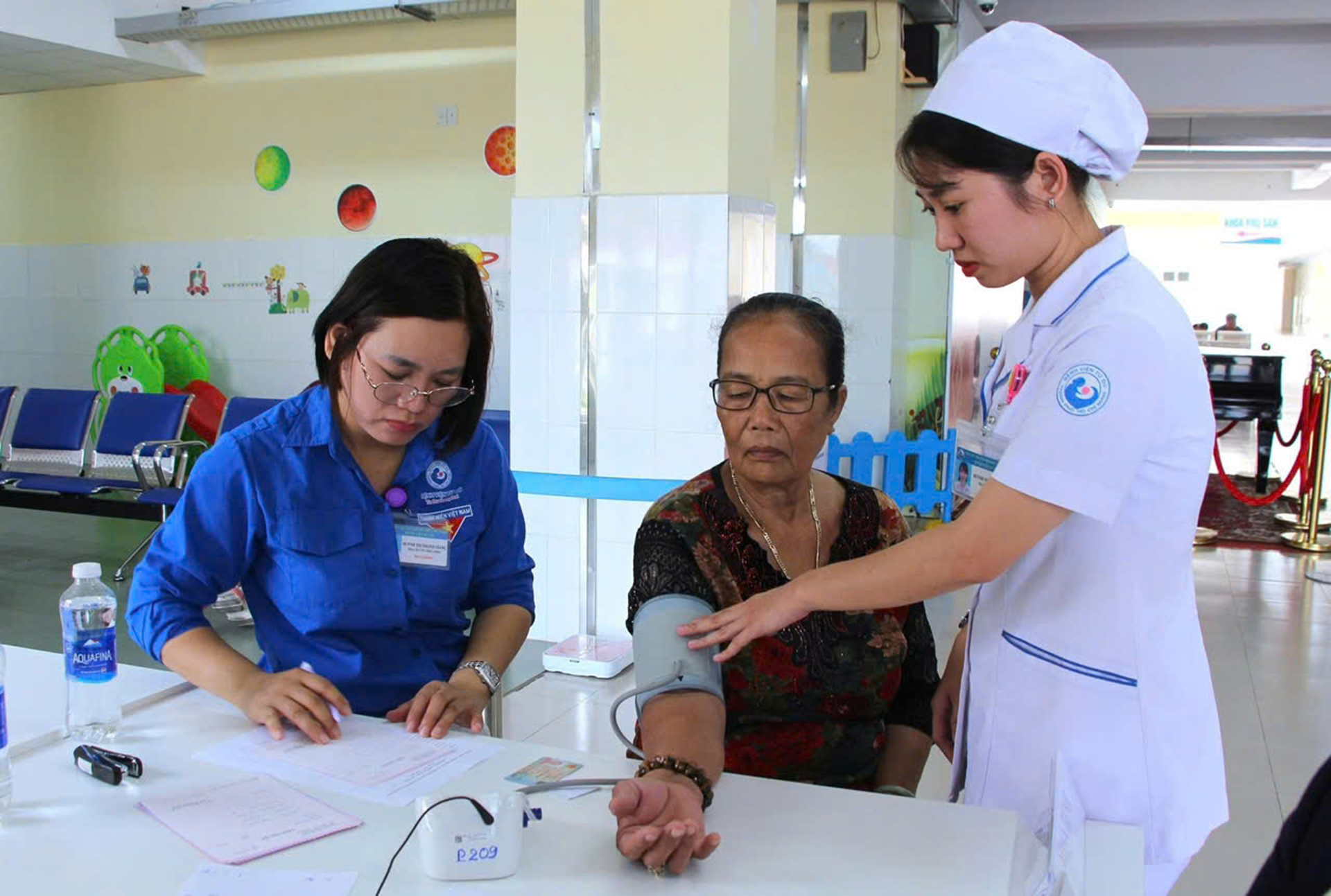
According to the municipal Department of Health, among 13,799 people who received free screenings, 8,784 individuals - equivalent to 63.7% - were found to have conditions requiring monitoring or medical intervention.
Of these, 4,206 cases were assigned to continued management at local health stations, while 4,578 individuals were referred to higher-level facilities for further diagnosis and specialized treatment.
A notable finding emerged from cancer screenings. Out of 1,180 examinations, 341 cases were flagged for referral - a considerable proportion that highlights the importance of detecting malignant diseases early within the community.
Chronic diseases accounted for the largest share of cases, with 7,642 screenings conducted. Among them, 3,434 individuals require ongoing monitoring at the primary care level, while 2,904 need advanced treatment. Cardiovascular screenings identified 86 cases requiring referral out of 1,079 examinations.
Eye-related conditions also showed a significant burden, with 877 screenings leading to 464 cases needing specialized intervention. In gynecology, 839 screenings resulted in 310 patients requiring further treatment.
Other specialties, including dermatology, gastroenterology, respiratory health, mental health, and dentistry, also recorded a substantial number of detected conditions.
Across multiple screening sites, residents arrived early in the morning to undergo blood pressure checks, laboratory tests, ultrasound scans, eye examinations, dental care, and specialist consultations. The atmosphere was described as both lively and orderly, reflecting strong public engagement with a model that brings advanced medical services directly to local communities.
For many residents, such programs provide a rare opportunity to assess their health status. Nguyễn Thị Tuyết, who participated in a screening organized by Nhan Dan Gia Dinh Hospital, shared that she regularly attends these sessions to stay informed about her health.
She noted that the process was efficient and well-organized, allowing participants to receive care comfortably without overcrowding. For busy individuals or those who rarely seek medical attention, these screenings offer a valuable chance to detect potential illnesses early.
Health authorities emphasized that community-based screening programs play a vital role in identifying hidden diseases, easing pressure on higher-level hospitals, and improving the overall quality of primary healthcare services in the city.
Phuoc Sang
.svg)
