 Vietnamnet.vn

 Podcast



For more than seven centuries, Con Son Pagoda has been not only a renowned Buddhist sanctuary of the Truc Lam Zen tradition but also a repository of traces linked to Nguyen Trai, celebrated historical figures and legends passed down through generations.
Here, history, spirituality and landscape merge, creating a distinctive cultural space deeply rooted in Vietnamese identity.
An ancestral home of a distinctly Vietnamese Zen tradition
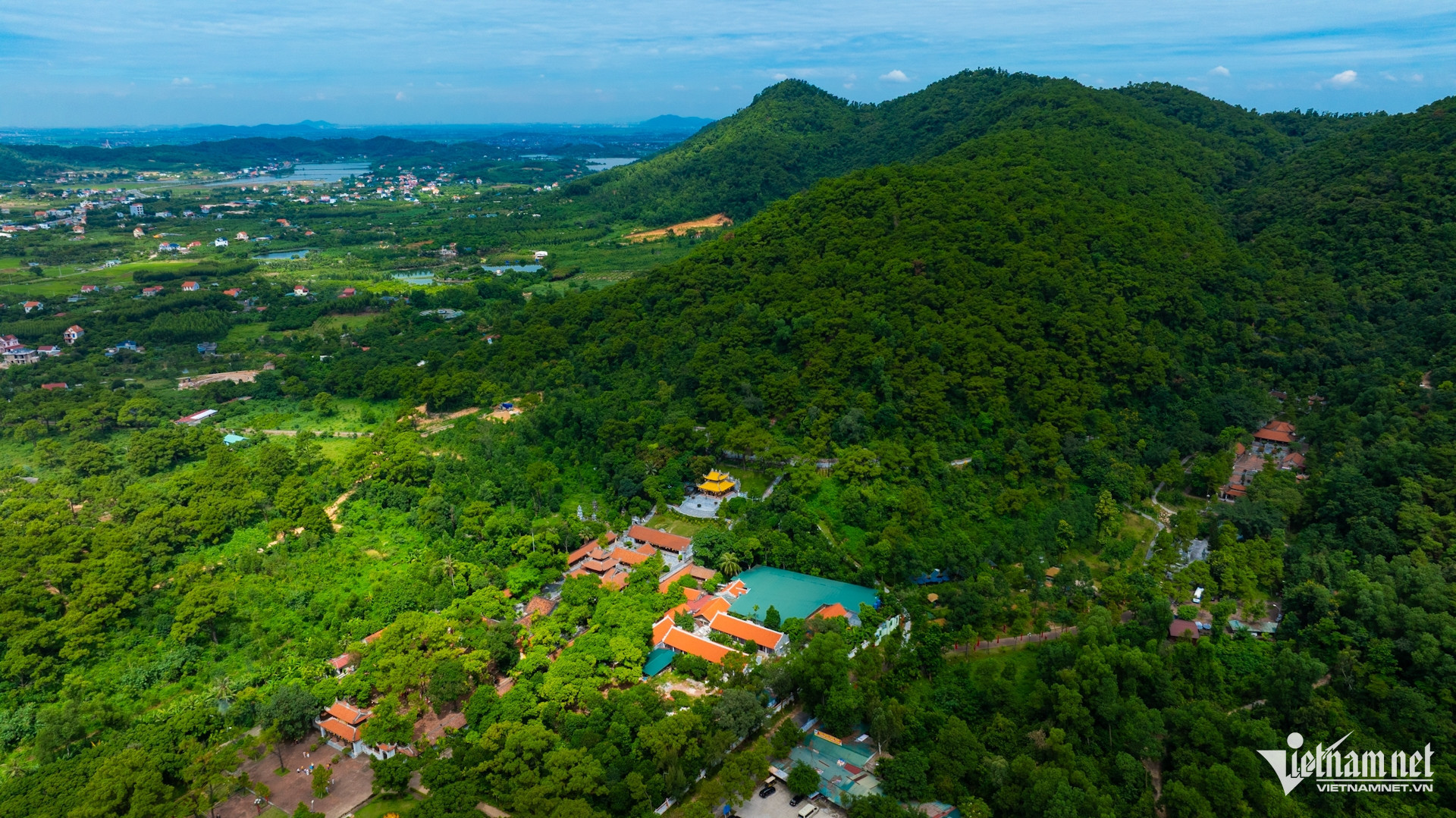
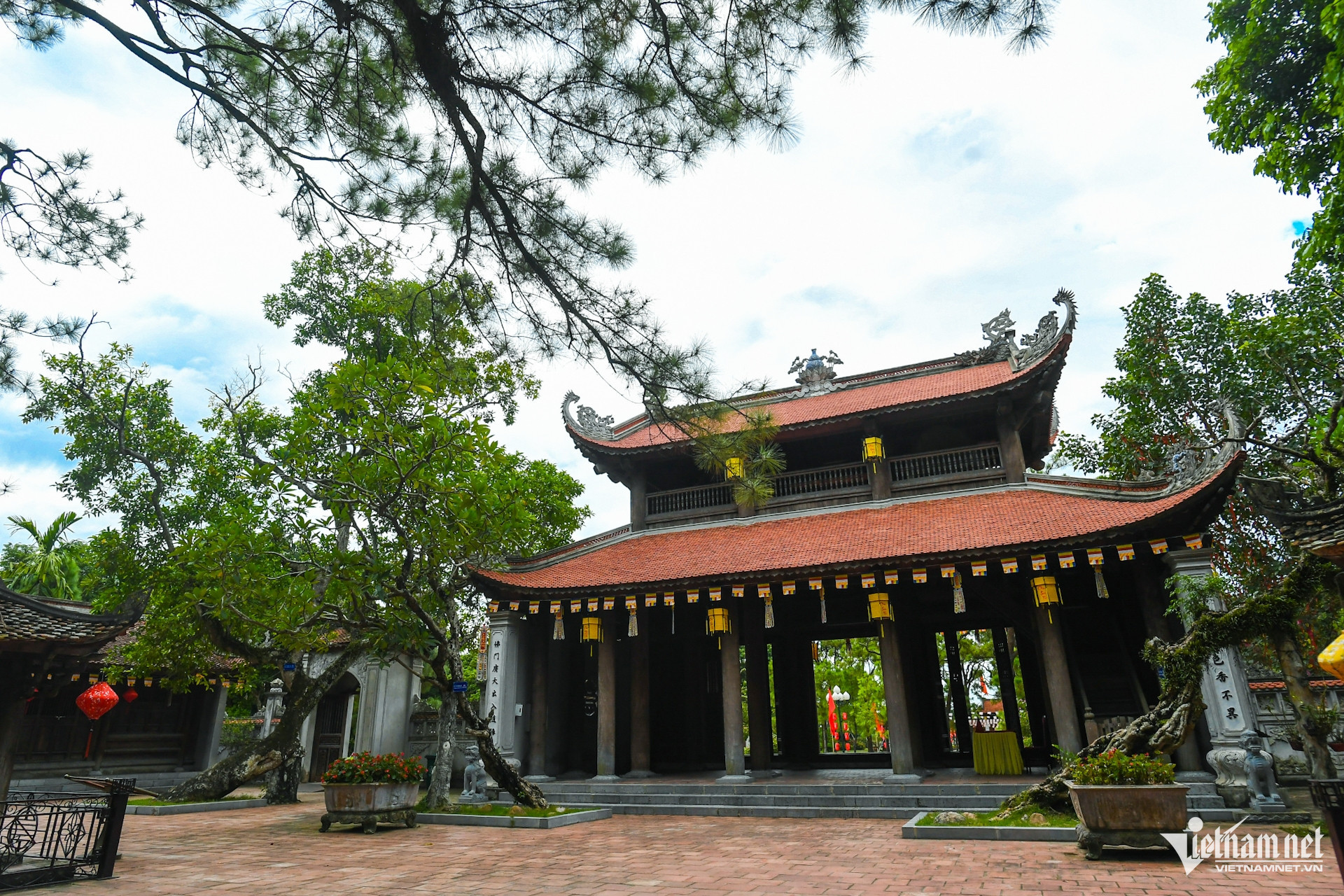
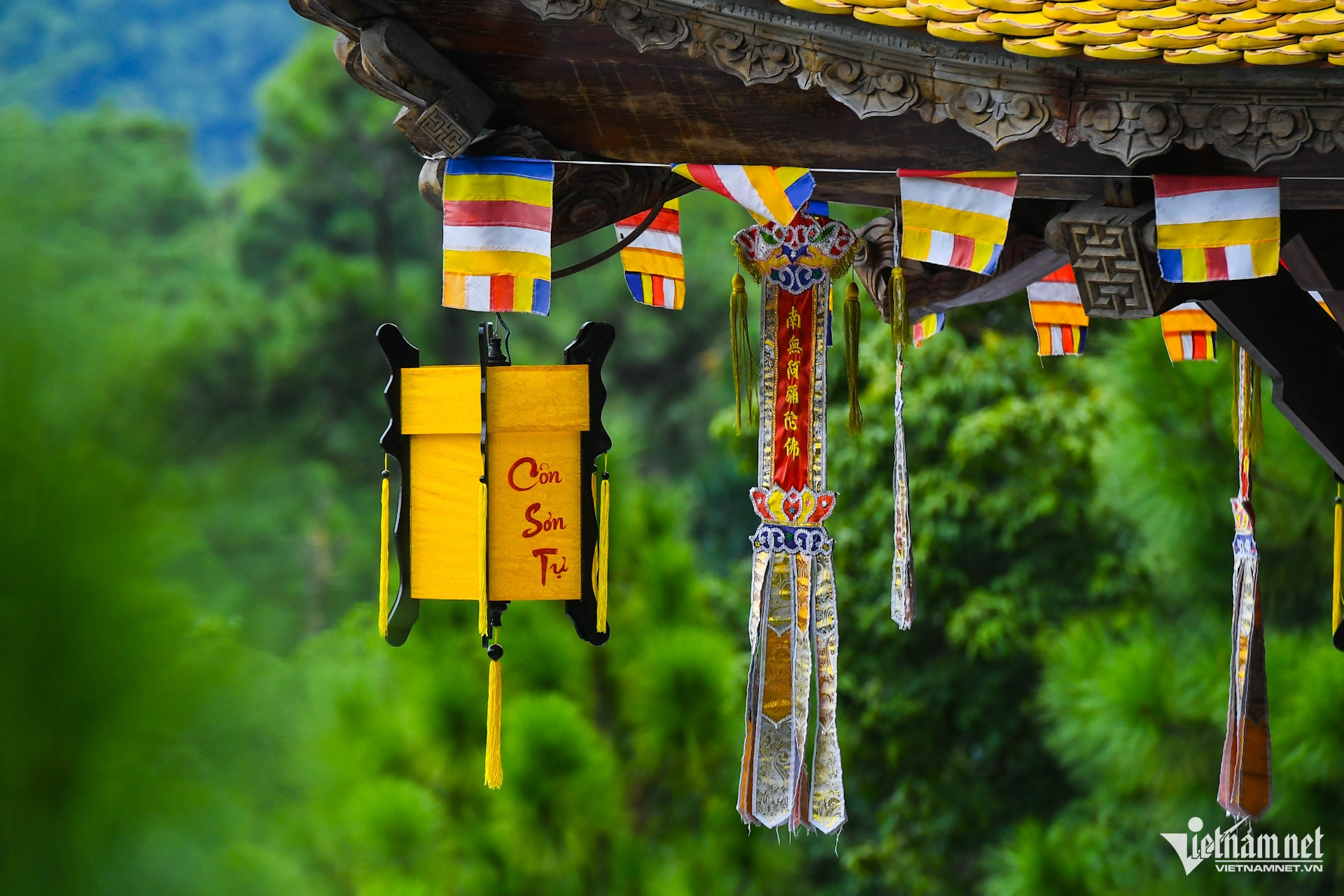
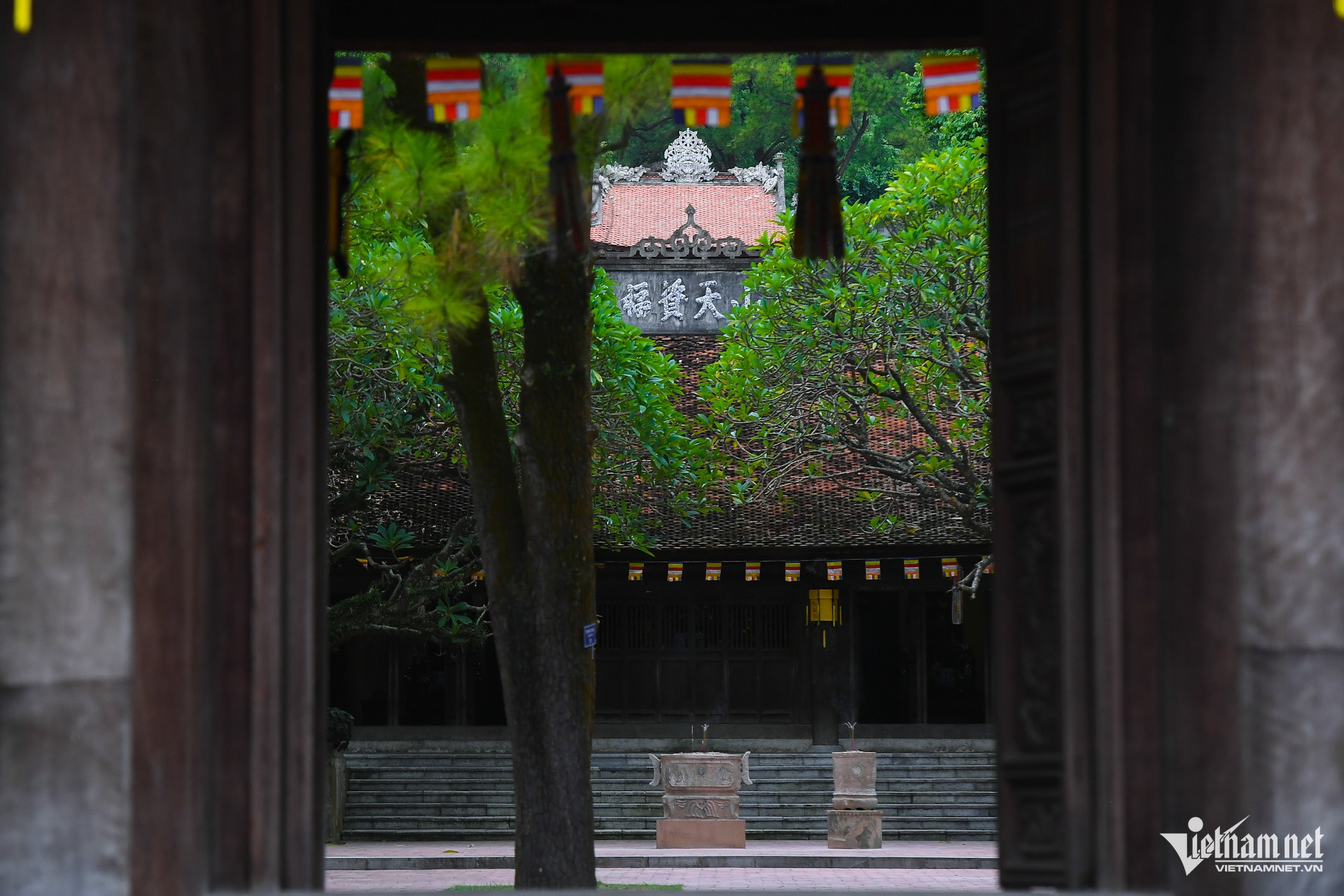
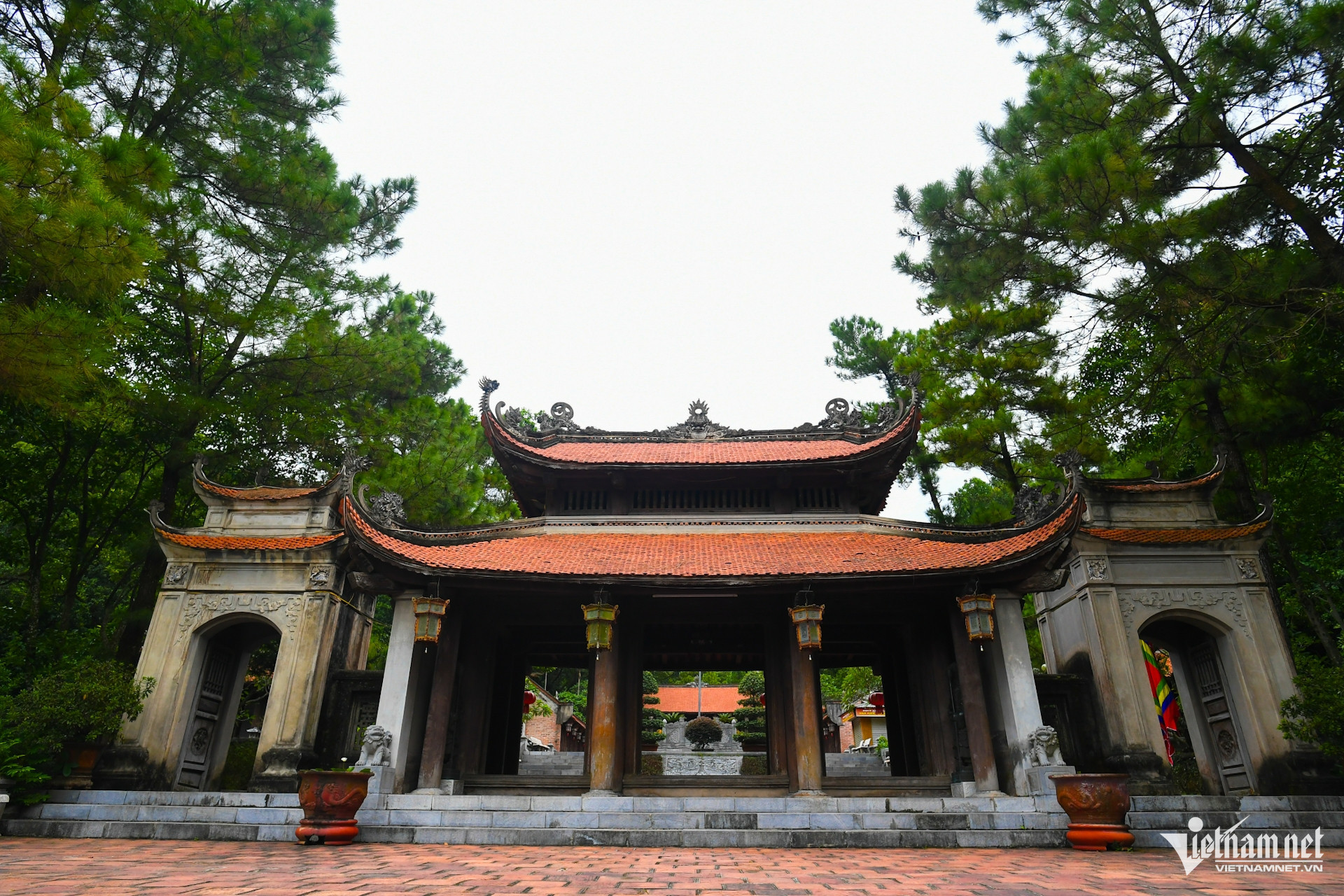
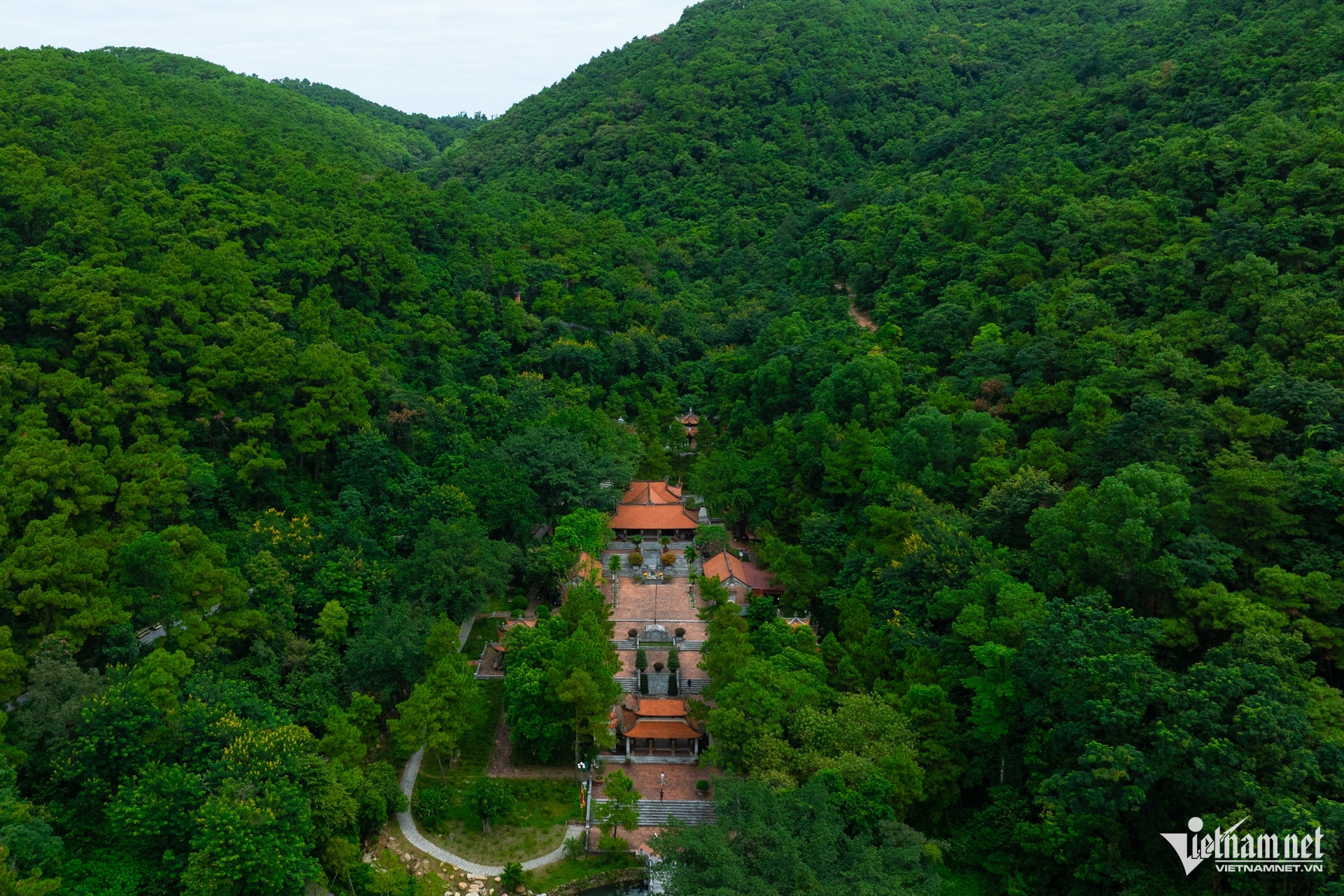
Nestled at the foot of Con Son Mountain amid forests, streams and stretches of pine, Con Son Pagoda -formally known as Con Son Thien Tu Phuc Tu and popularly called Hun Pagoda - carries within it many layers of cultural history.
Con Son is one of the important sites of the Truc Lam Zen Buddhist tradition. From the late 13th century, patriarchs of the school came here to practice and teach Buddhism. Phap Loa, the second patriarch, expanded the pagoda in 1329, while Huyen Quang, the third patriarch, served as its abbot and spent the final years of his life at Con Son.
Con Son, therefore, is far more than an ancient pagoda. It was once a major Buddhist center of Dai Viet, where Zen teachings spread through a tradition distinguished by its engagement with worldly life and a strong sense of national identity.
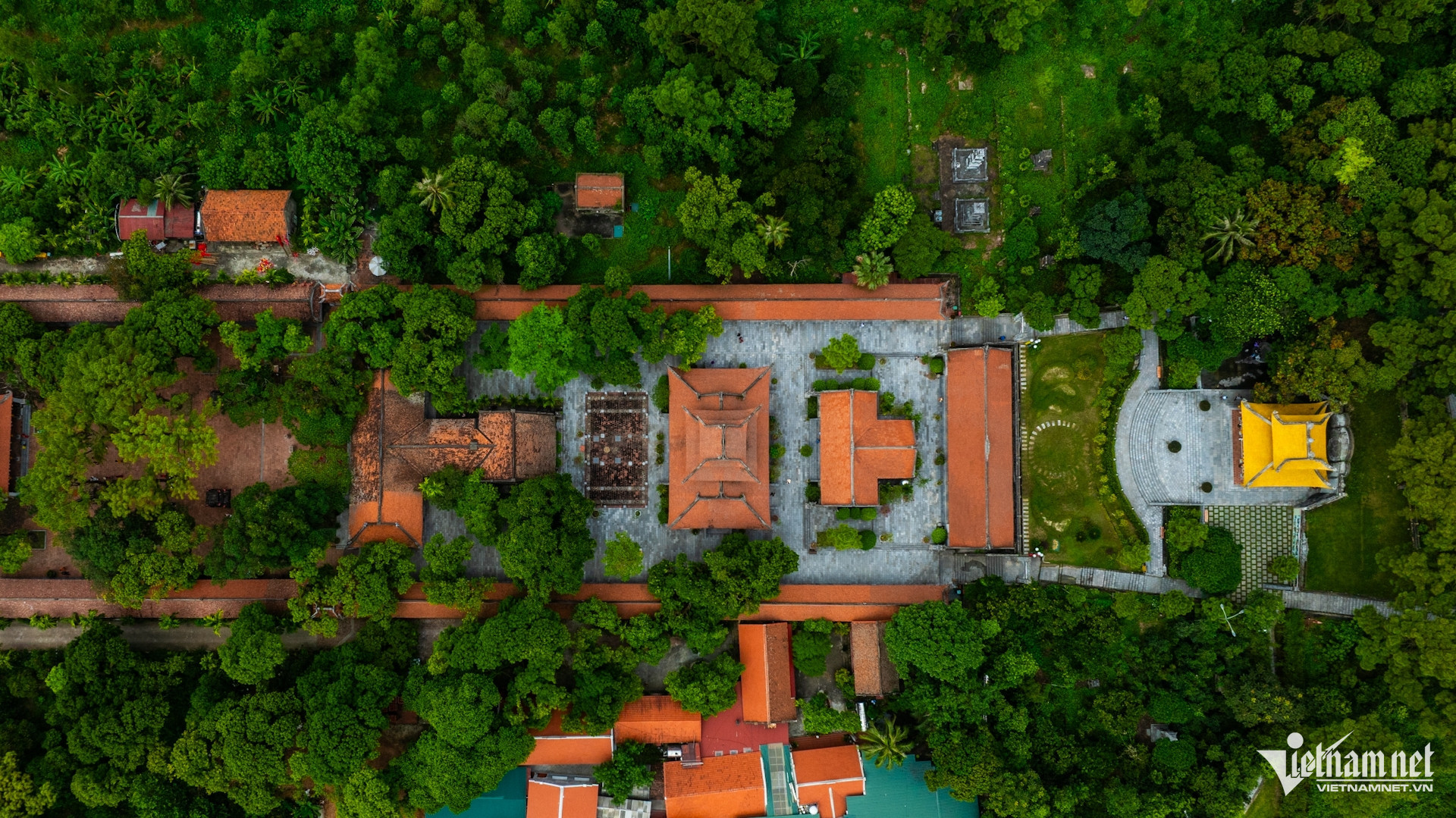
The surviving traces - from stone steles, Buddhist statues and ancient stupas to the pagoda’s architecture -offer later generations a glimpse of what was once a Buddhist center of considerable scale. Heritage records show that the pagoda has undergone numerous restorations while retaining vestiges dating from the Tran Dynasty and subsequent periods.
Standing within this landscape, pilgrims find not only the serenity of a Buddhist sanctuary but also a cultural continuum stretching from the Tran era to the present day.
Where Nguyen Trai found a place of peace
For Vietnamese people, Con Son is also inseparable from Nguyen Trai, a national hero and UNESCO-recognized cultural figure.
Nguyen Trai had a profound connection with this land. As a child, he lived at Con Son with his maternal grandfather, Tran Nguyen Dan. In the final years of his life, he returned here, living amid the mountains and forests and devoting much of his time to reading, writing poetry and reflecting on life and the affairs of the nation.
Con Son thus entered Nguyen Trai’s poetry almost as a kindred spirit. In Con Son Ca (The Song of Con Son), the sound of streams and pine trees, mountain rocks and the stillness of the landscape became defining images of a place to which he was deeply attached.
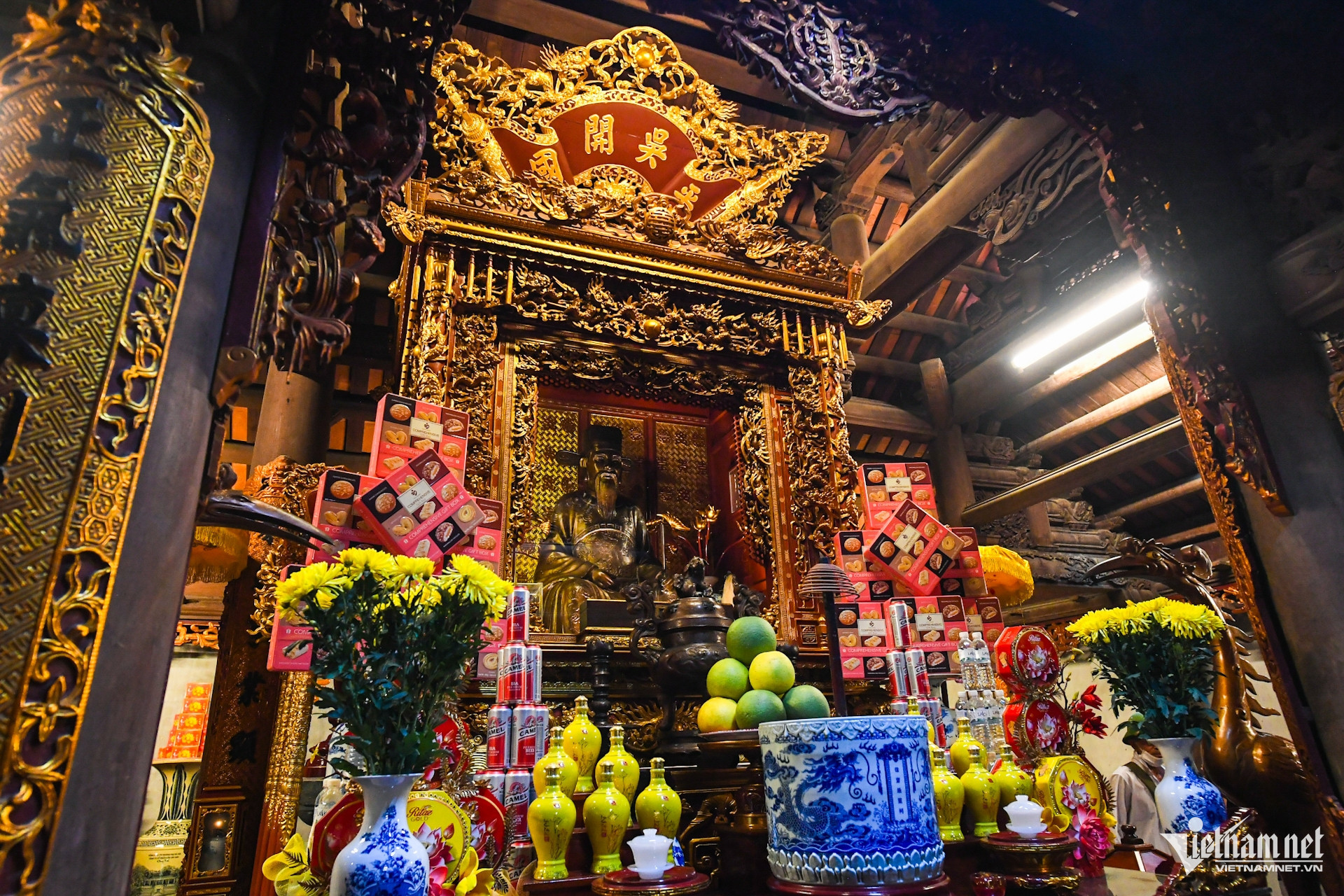
Today, the heritage complex includes a temple dedicated to Nguyen Trai, built in the Thanh Hu Dong area near sites associated with his family. The place of worship reflects a distinctive feature of Vietnamese spiritual life: alongside the worship of the Buddha, communities commemorate and honor eminent figures who made significant contributions to the nation.
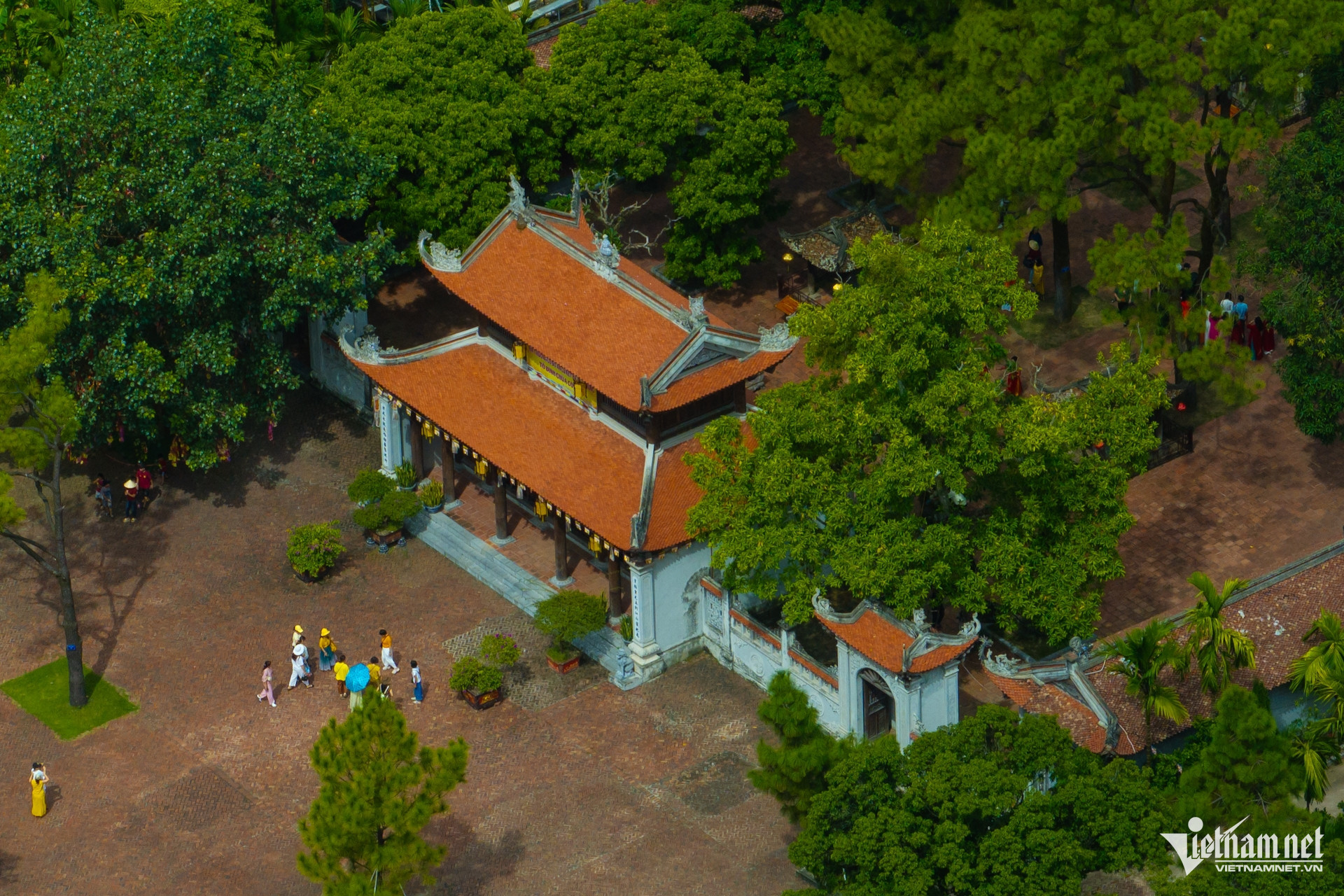
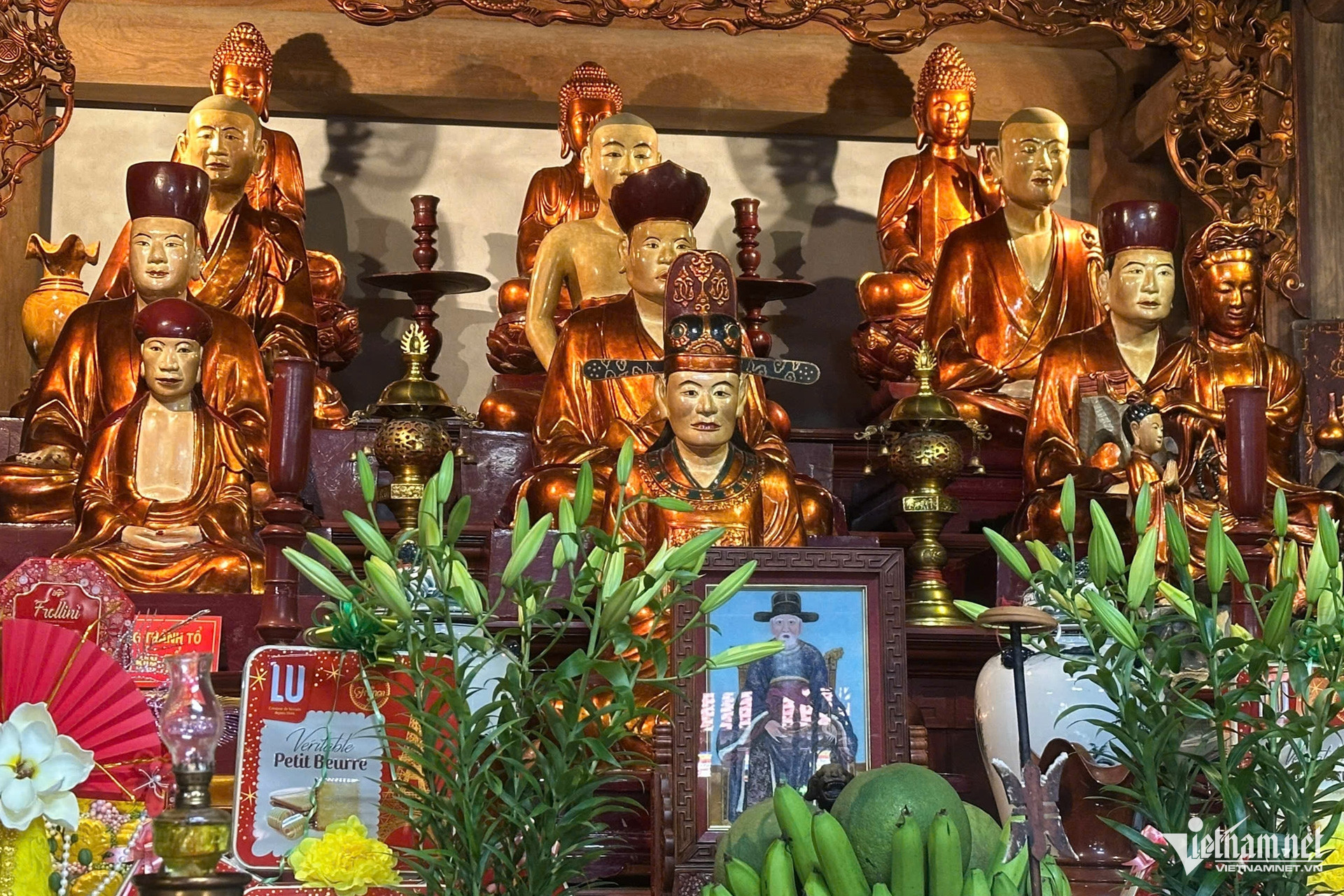
Nguyen Trai is also represented at the Ancestral House of Con Son Pagoda alongside the Truc Lam patriarchs and figures who contributed to the history of the area.
His presence makes Con Son a meeting point between Buddhism, the veneration of national forebears and the Vietnamese tradition of remembering those who came before.
Legends amid the mountains and forests
Con Son captivates visitors not only through what survives in historical records, but also through layers of legend passed down by local communities over generations.
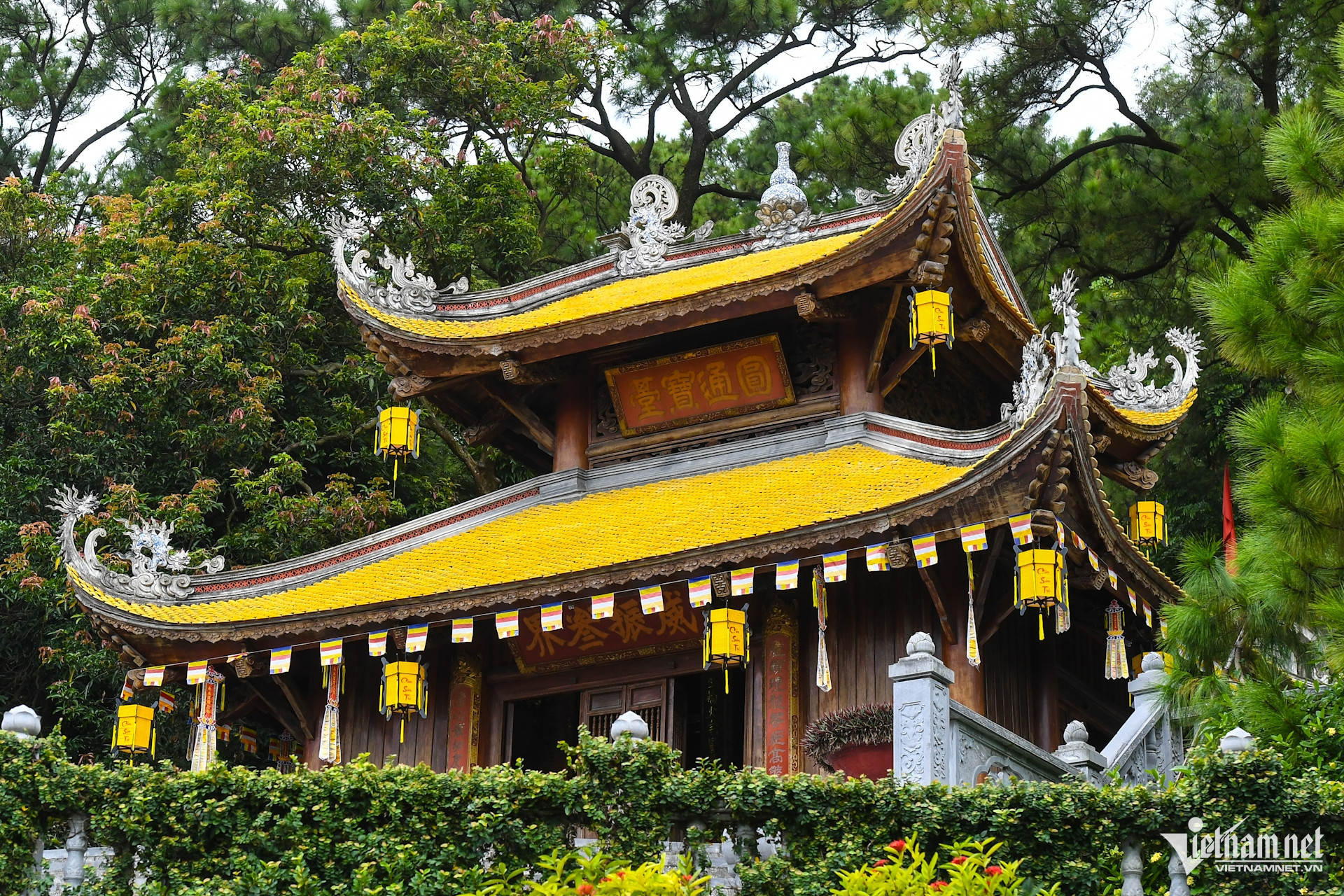
Behind the pagoda lies Ngoc Well, beside the Avalokitesvara Pavilion. According to local legend, its water is associated with the sacred nectar of Avalokitesvara Bodhisattva. People in earlier generations believed it to be a pure water source flowing from Ky Lan Mountain and used it in daily life at the Buddhist sanctuary.
The significance of Ngoc Well, however, extends beyond legend. Archaeological remains at Con Son also reveal the historical depth of the site. In 2012, excavations in the courtyard of the Ancestral House uncovered architectural remains of a Tran-era nine-tier lotus structure, providing further evidence of the scale of the ancient Con Son Buddhist center.
At the summit of Con Son Mountain is Ban Co Tien, or the Fairy Chessboard. According to folk interpretations, the site was once home to Bach Van Hermitage, a place of religious practice high in the mountains. The name Fairy Chessboard grew from the belief that this was a place where heaven and earth converged, and where immortals descended to play chess.
From Buddhist sanctuary to cultural heritage
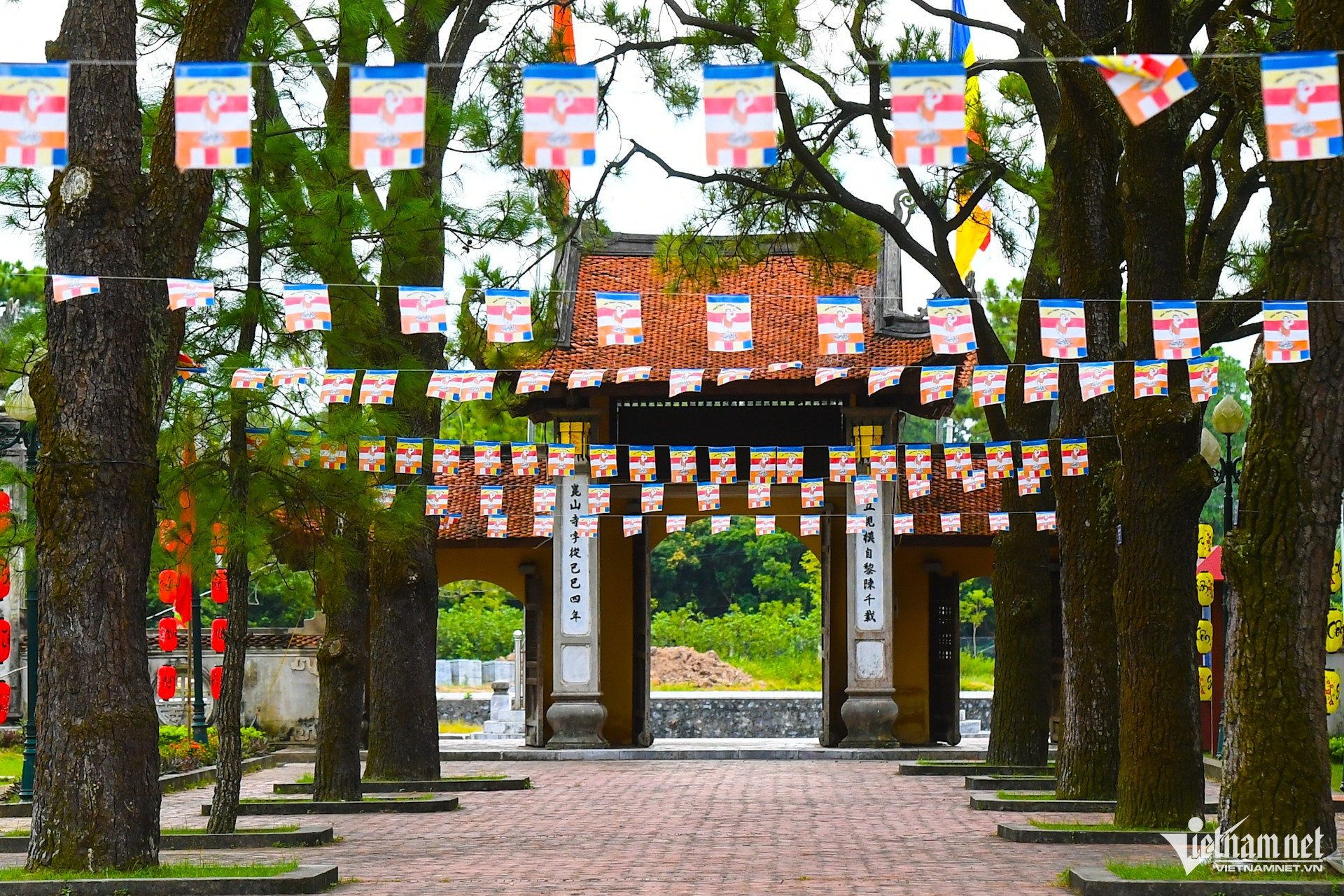
Visitors to Con Son today encounter many layers of culture existing side by side: the sound of pagoda bells, Buddhist statues, ancient stupas and stone steles, traces of celebrated historical figures, folk legends and traditional rituals.
The Con Son Pagoda Festival is held in spring to commemorate the death anniversary of Huyen Quang, the third Truc Lam patriarch, with rituals and activities steeped in Buddhist tradition. The festival has been recognized as part of Vietnam’s national intangible cultural heritage.
Within Con Son Pagoda, the commemoration of Huyen Quang, Nguyen Trai and other predecessors is not separate from the cultural life of the community. Religion here is expressed not only through worship and ritual but also through memory, customs, festivals and the way people engage with and preserve their heritage.
Those who come to Con Son may be Buddhists seeking tranquility, history enthusiasts tracing the footsteps of Nguyen Trai, pilgrims drawn by ancient legends, or simply travelers wishing to stand beside a mountain stream, listen to the wind through the pines and experience the quiet of the forest.
Behind those different journeys lies something shared: Con Son preserves the ways generations of Vietnamese people have carried on a dialogue with history, nature, spirituality and those who helped shape the nation’s collective memory.
Thach Thao - Thai An
.svg)
