 Vietnamnet.vn

 Podcast


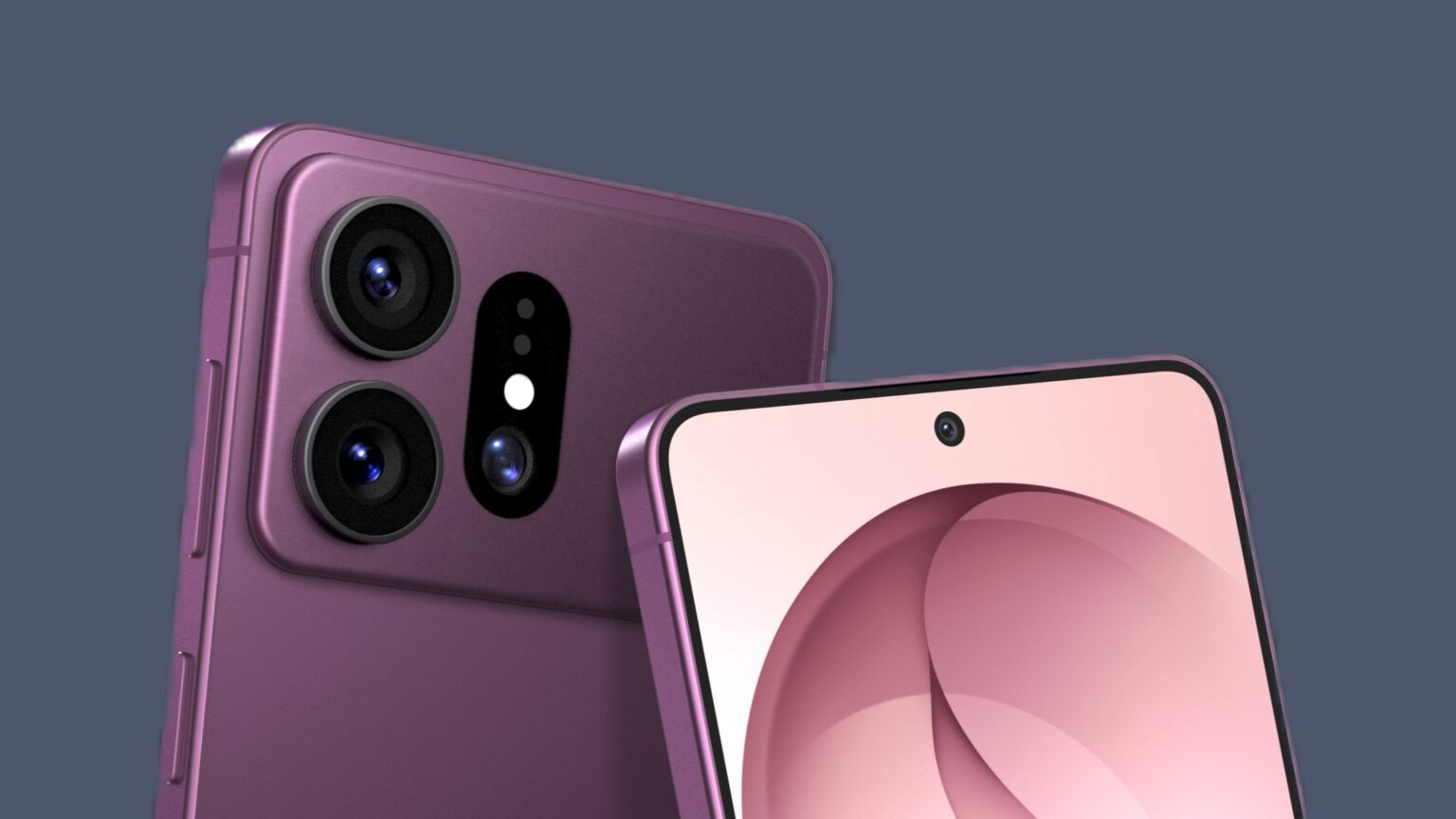
If Samsung can finalize the technology in time, the South Korean smartphone manufacturer could beat Apple in the race to introduce a truly bezel-free display, a feature rumored to appear on the 20th-anniversary iPhone in late 2027.
However, whether the Galaxy S27 Ultra will become the first device to incorporate this technology remains uncertain.
Samsung develops bezel-free display technology to rival Apple
According to supply chain leaks, Samsung is developing a display panel that almost completely eliminates surrounding bezels.
The technology could enable the company to create a new generation of smartphones with significantly higher screen-to-body ratios than current devices.
The information comes from Lanzuk, a South Korean technology leaker. Posting on Naver, the source claimed that Samsung could become the first manufacturer to introduce a smartphone with an exceptionally narrow bezel design in its upcoming Galaxy lineup.
Notably, the new display technology is reportedly similar to a panel another company is preparing to develop.
The leak cites a Samsung component supplier, while the other company mentioned is widely believed to be Apple.
Samsung is currently one of the leading display panel suppliers for the iPhone. It is therefore possible that the company is simultaneously developing new display technology for both Apple and its own flagship Galaxy smartphones.
According to Lanzuk, development of the new panel is progressing relatively smoothly, with no major obstacles reported so far.
However, the source did not disclose when the technology would be finalized or which specific devices would feature it.
A South Korean technology publication reportedly estimates the source's accuracy at approximately 50%. These claims should therefore be treated as rumors rather than confirmation that Samsung is ready to commercialize bezel-free displays.
Flat bezel-free displays present a major engineering challenge
Samsung is no stranger to ultra-thin display bezels.
Between 2015 and 2016, the company made its mark with the Galaxy Edge series, featuring screens that curved around both sides of the device, creating the impression of an almost bezel-free front.
However, there is an important distinction between a genuinely bezel-free display and one that merely creates the visual illusion of having no bezels.
On earlier Galaxy Edge models, Samsung used curved panels to reduce both physical bezels and the perceived boundaries of the display.
Curved displays were once a prominent trend among flagship smartphones but have gradually fallen out of favor. Only a handful of Chinese smartphone brands continue to pursue this design.
Nevertheless, Apple is reportedly exploring a display that curves around all four edges for its 20th-anniversary iPhone, expected to launch in late 2027.
The design aims to minimize bezels and create the impression that displayed content covers almost the entire front surface of the device.
The greatest challenge lies in developing a genuinely bezel-free flat display.
Flexible OLED panels still require certain physical structures and manufacturing tolerances to be integrated into smartphone frames.
Extending a flat display to the very edges of a device without relying on curved surfaces therefore presents a considerably more complex engineering challenge.
It remains unclear whether Samsung is developing a curved display to create an edge-to-edge visual effect or has discovered a way to manufacture a virtually bezel-free flat panel.
Galaxy S27 Ultra unlikely to become the first bezel-free smartphone
In theory, the Galaxy S27 Ultra could incorporate Samsung's new display technology. However, the likelihood of this happening appears relatively low.
The Galaxy S27 Ultra is expected to launch in early 2027. At this stage, the flagship smartphone has likely entered critical development and mass production preparation phases.
Making fundamental changes to its display architecture at this point would present a significant challenge for Samsung.
A separate rumor previously suggested that the Galaxy S27 Ultra could feature display bezels measuring just 1.28mm.
While this would be an impressive achievement for a smartphone, it would still fall short of a genuinely bezel-free design.
By comparison, the iPhone 18 Pro Max reportedly features bezels measuring approximately 1.18mm, while a concept display panel developed by Tianma can reportedly achieve a bezel width of just 0.35mm.
These figures highlight the considerable gap between today's ultra-thin bezel designs and the goal of virtually eliminating display bezels altogether.
A more plausible scenario is that Samsung will introduce the new technology on flagship models succeeding the Galaxy S27 Ultra or launch an entirely new Galaxy product line.
This would also give the company additional time to refine durability, display quality and mass production capabilities.
Hai Phong

