 Vietnamnet.vn

 Podcast



Temperatures across Vietnam expected to exceed seasonal averages
Nguyen Duc Hoa, Deputy Head of the Climate Forecasting Division at the National Center for Hydro-Meteorological Forecasting, said average temperatures across Vietnam are expected to be 1-2 degrees Celsius above the long-term average during the October 11-November 10 period.
In northern Vietnam and areas stretching from Thanh Hoa to Hue, temperatures could be 1.5-2.5 degrees above normal, with even greater differences in some locations.
Regarding rainfall, the northern mountainous region, southern Vietnam and Lam Dong Province are forecast to receive precipitation close to seasonal averages, although some areas could see 10-20% more rain than usual.
Elsewhere, rainfall totals are expected to be 20-40% below the long-term average.
Notably, some areas between Ha Tinh and Quang Ngai could experience rainfall deficits of 40-50% compared with the same period in previous years.
Fewer storms expected, but landfall risk remains
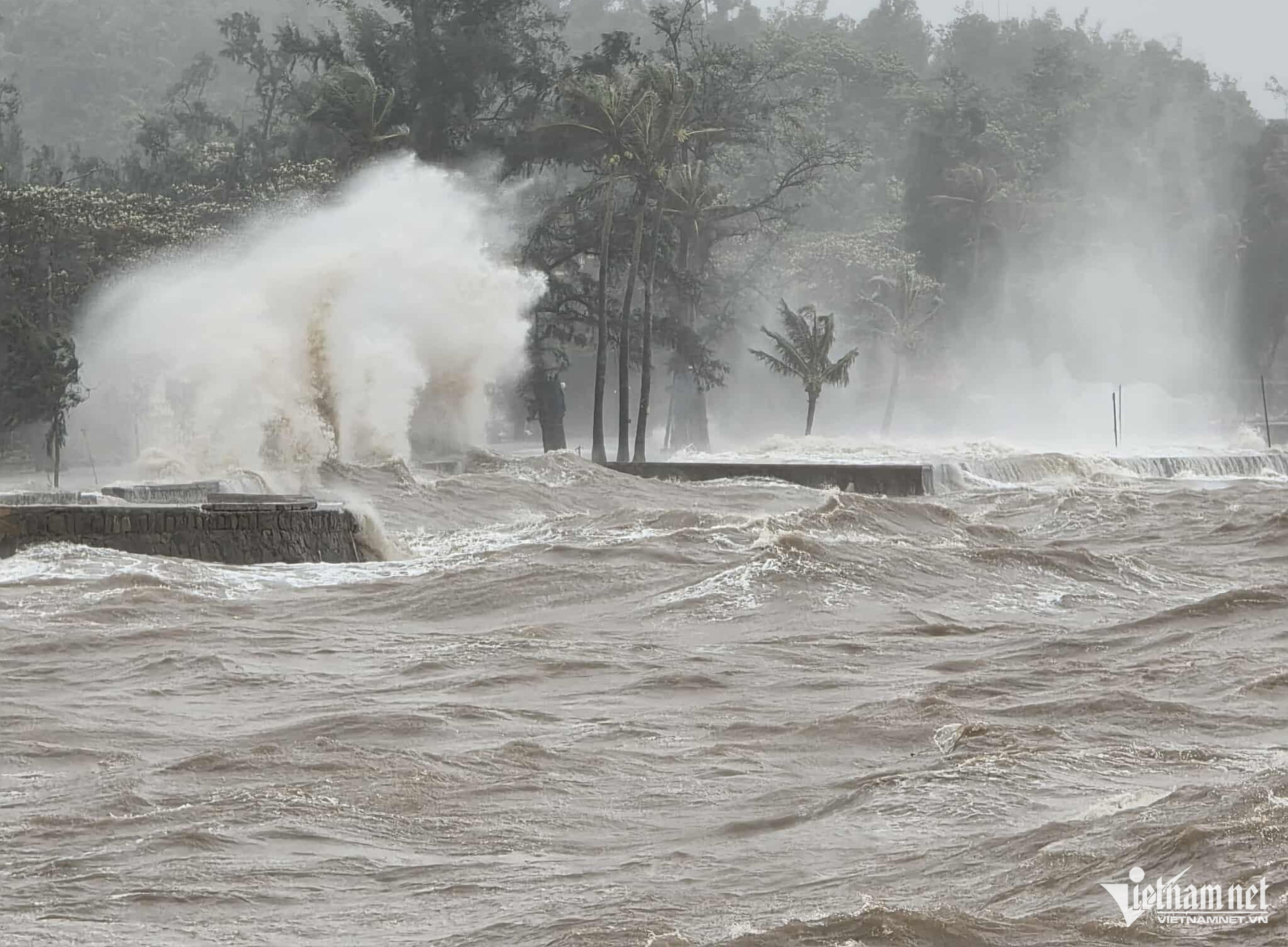
According to the national meteorological agency, tropical storms and depressions in the East Sea are expected to occur less frequently than the long-term average during the forecast period.
However, the possibility of a storm or tropical depression affecting mainland Vietnam cannot be ruled out.
Historical data show that the East Sea typically experiences around two tropical storms or depressions during the same period, with an average of approximately 0.8 systems making landfall in Vietnam.
Despite the outlook for below-average storm activity, widespread heavy rainfall remains a concern, particularly in central Vietnam.
Cold air outbreaks are also expected to occur less frequently than normal for this time of year.
Meanwhile, hazardous weather phenomena, including thunderstorms, tornadoes, lightning, hail and strong wind gusts, could continue to occur across the country.
Meteorologists warned that the interaction of several atmospheric systems could trigger widespread rainfall over mainland Vietnam.
These include the intertropical convergence zone, upper-level wind convergence, the southwest monsoon and cold air masses.
Their combined effects could also increase the risk of tornadoes, lightning, hail and damaging wind gusts.
As climate change contributes to increasingly complex weather patterns and more frequent extreme events, authorities and residents are urged to closely monitor meteorological forecasts and warnings, particularly short-range forecasts covering the next one to three days.
El Nino has also intensified to a very strong level and is forecast to reach peak intensity by the end of 2026.
Although its strength is expected to decline during the first months of 2027, the phenomenon is likely to remain very strong.
From now until the end of 2026, the number of tropical storms and depressions developing over the East Sea and affecting mainland Vietnam is expected to remain below the long-term average.
During the 2026-2027 winter, cold air activity is forecast to be weaker than usual, while severe cold spells are likely to arrive later and occur less frequently.
Rainfall deficits are another major concern.
Through the end of 2026, precipitation across the south-central coastal region, the central highlands and southern Vietnam could be 20-40% below normal.
The rainy season in these areas may also end earlier than usual.
During the first months of 2027, below-average rainfall and an early onset of hot weather are expected in southern provinces.
These conditions could increase the risk of drought, water shortages and saltwater intrusion, posing further challenges for communities and agricultural production.
Bao Anh
.svg)
