 Vietnamnet.vn

 Podcast



Among the La Ha people of Son La province, the Láng Pang Ả (Pang A) festival was once the spiritual heart of the community, held to give thanks to deities and ancestors, pray for good weather, bountiful harvests, and a prosperous, healthy life. It was also a time for bonding, knowledge transfer, and cultural preservation. Over time, however, it risked being lost entirely.
To save the festival, local authorities and artisans worked together to reconstruct every ritual, chant, dance, and song from the elders’ memories, documenting them for future generations.
In the mountainous areas, financial constraints were a major barrier to cultural restoration. Funding from Project 6 – aimed at preserving and promoting the traditional cultural values of ethnic minorities in connection with tourism – covered the costs of offerings, costumes, props, and event organization.
The revived festival not only restored sacred traditions but also became a unique cultural tourism product, attracting visitors and raising community awareness of heritage preservation.
Community-led preservation
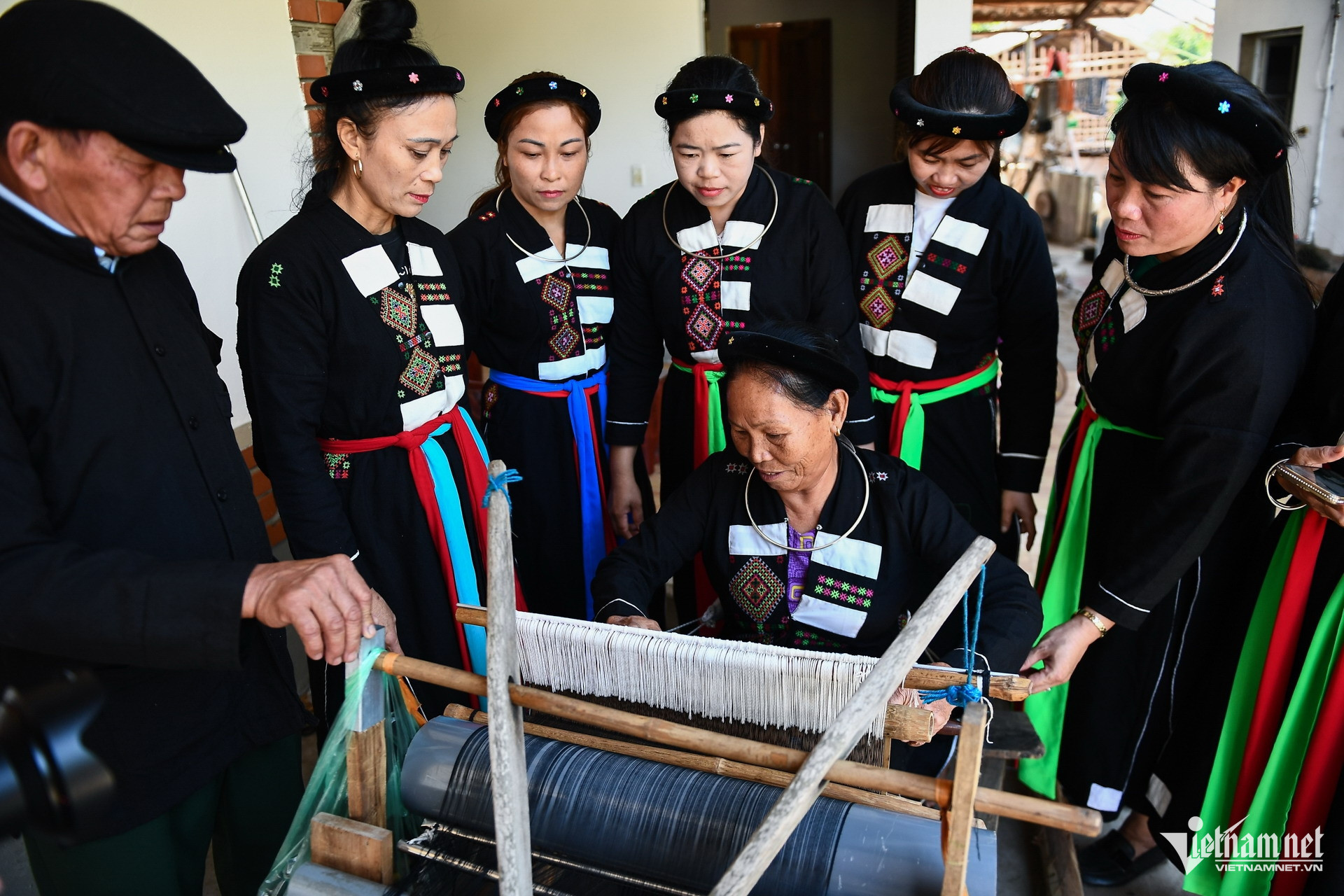
Láng Pang Ả is one of many festivals saved through Project 6, which also documents endangered heritage, supports ethnic minority artisans, trains young people in traditional arts, restores intangible cultural assets, and develops cultural models for tourism and livelihoods.
During 2021–2025, Project 6 funded preservation for 48 villages and 69 traditional tourist destinations; built or upgraded 4,409 cultural houses and sports facilities; restored 124 major ethnic minority festivals; supported 695 folk culture clubs and 5,760 traditional performance troupes; and implemented 33 programs for the least populous ethnic groups such as the Ơ Đu, Brâu, Rơ Măm, Pu Péo, and Si La.
The approach emphasizes community ownership and active participation, fostering both cultural vitality and socio-economic development.
Challenges and ‘bottlenecks’
While successes are clear in provinces like Son La, Nghe An, and Thanh Hoa, several issues remain:
Lack of consistency across legal documents slows implementation.
Delays in adjusting regulations and support norms cause uncertainty, especially for newer activities like artisan support and festival restoration.
Limited capacity and experience among local-level staff hampers planning and project execution.
Slow disbursement of non-investment funds disrupts cultural activities and training, largely due to late budget allocation and complex settlement procedures.
Experts stress the need for coordinated, decisive solutions at both central and local levels to unlock these bottlenecks. If fully effective, Project 6 can ensure sustainable preservation of traditional culture, making it a driver of national development.
Binh Minh
.svg)
