 Vietnamnet.vn

 Podcast



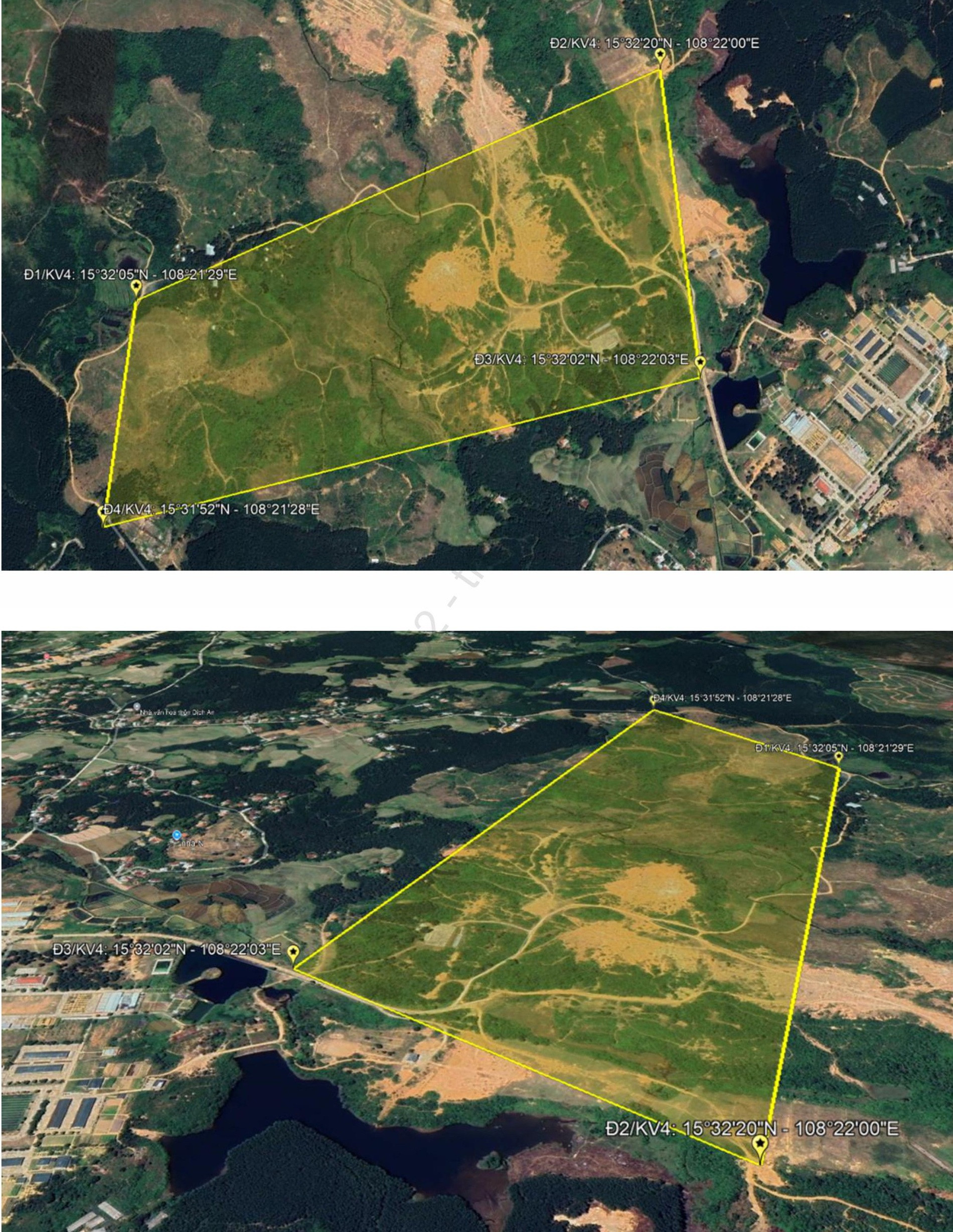
The Da Nang People’s Committee said on Sept. 16 that it had issued a decision establishing four airspace zones for organizations, associations and clubs that own or operate aircraft, including unmanned aerial vehicles (UAVs), drones and camera-equipped drones.
The zones are defined using coordinates under the World Geodetic System 1984 (WGS 84), a global reference system for geographic coordinates.
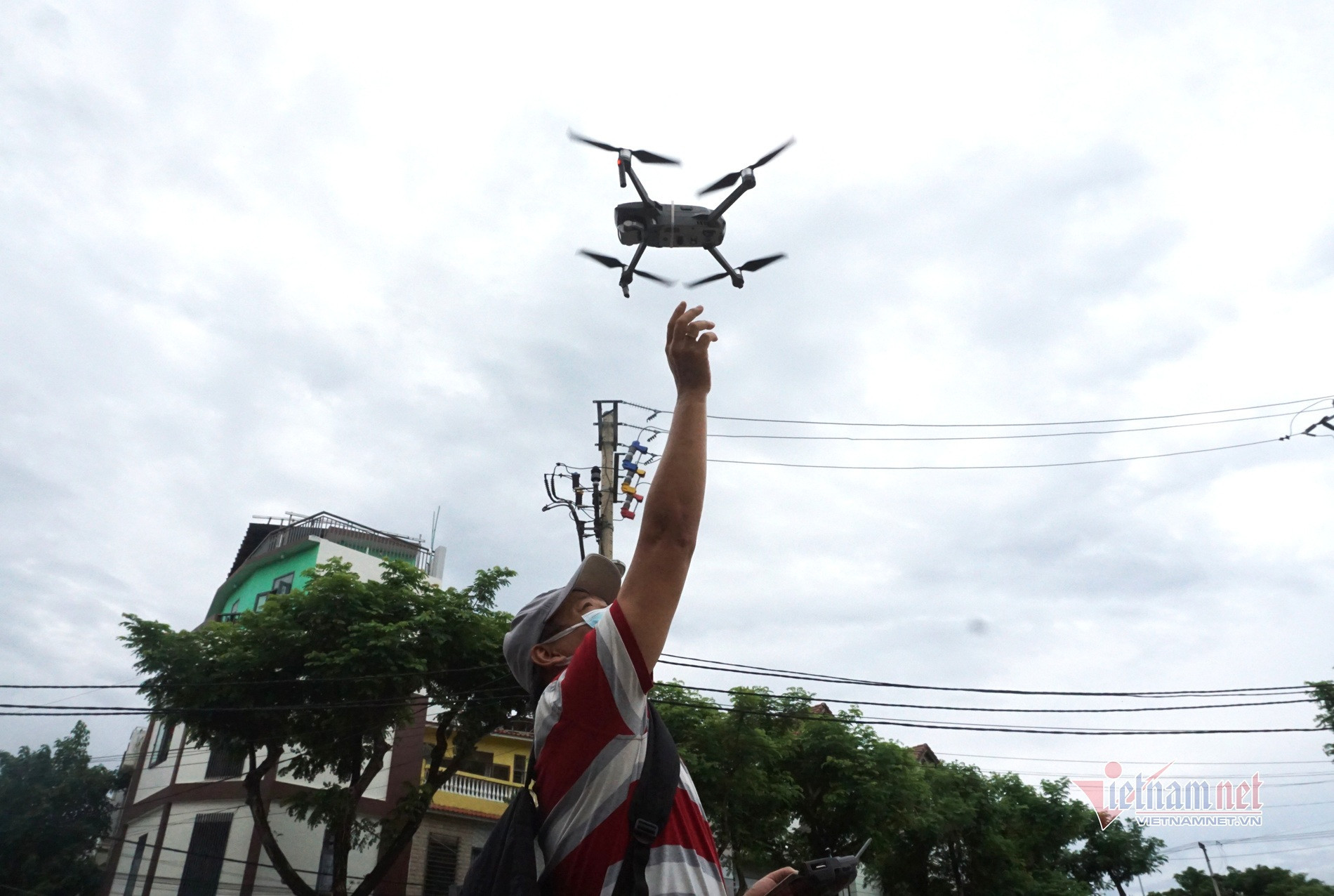
Operators of unmanned aircraft in the four zones must obtain permits and comply with the conditions specified in their licenses.
When necessary for national defense, security or safety reasons, the Da Nang Military Command may restrict or temporarily prohibit flights within some of the designated zones.
Under the decision, the city’s Military Command will take the lead in licensing, managing, supervising and inspecting flight operations.
Da Nang police will be responsible for registering unmanned aircraft and coordinating inspections of equipment to ensure information security and the protection of state secrets.
The city’s Department of Science and Technology has been tasked with advising authorities on trials of drone-based delivery services and implementing pilot programs aimed at developing the low-altitude economy.
Relevant agencies will also coordinate the management of building heights, the goods market and sporting aircraft activities. Trials involving drones for rescue operations at tourist destinations are also planned.
The city requires organizations, associations and clubs operating unmanned aircraft to comply with requirements covering national defense and security, flight safety, public order and public interests, while remaining within the capacity of regulatory authorities to manage such operations.
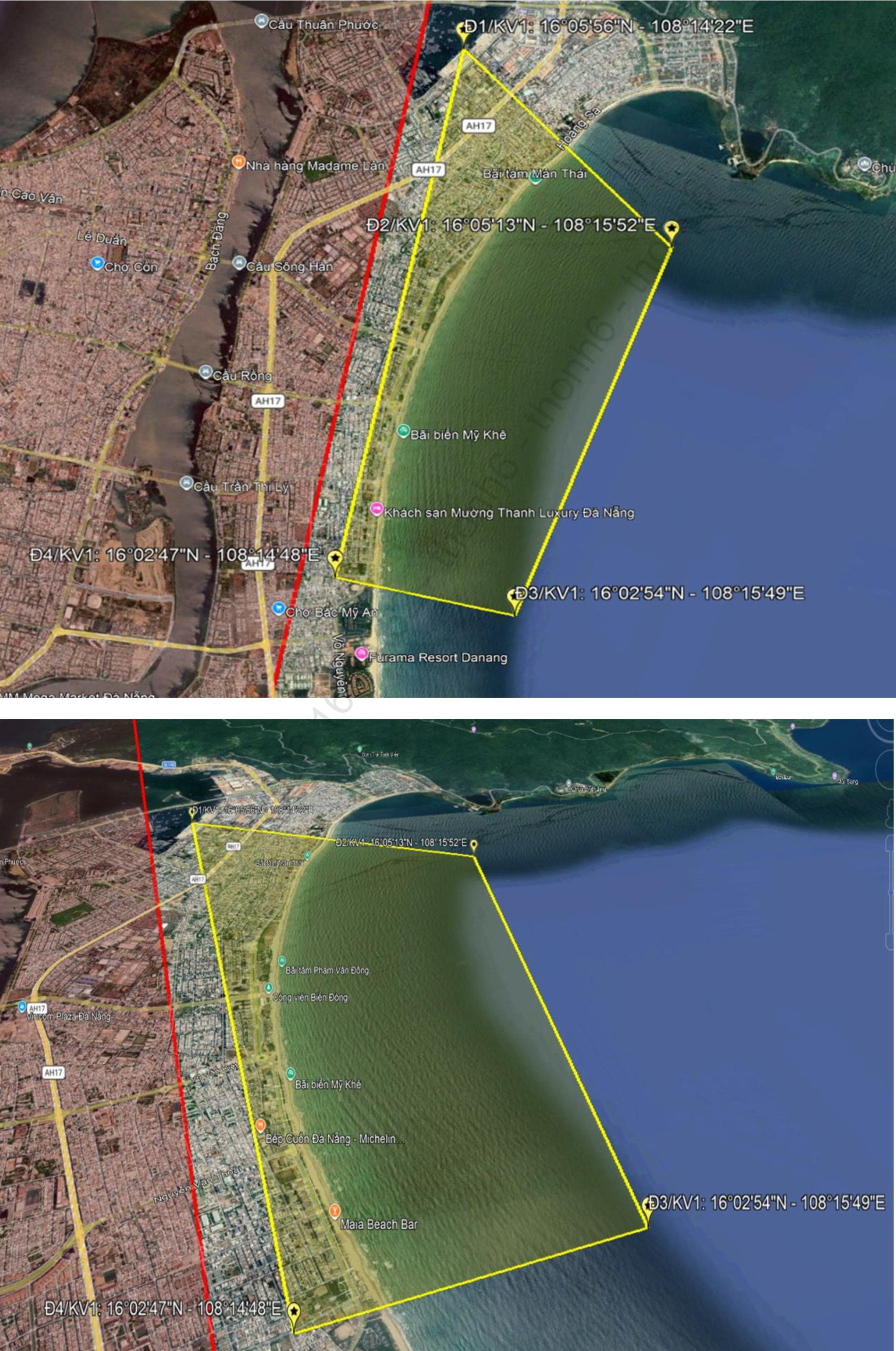
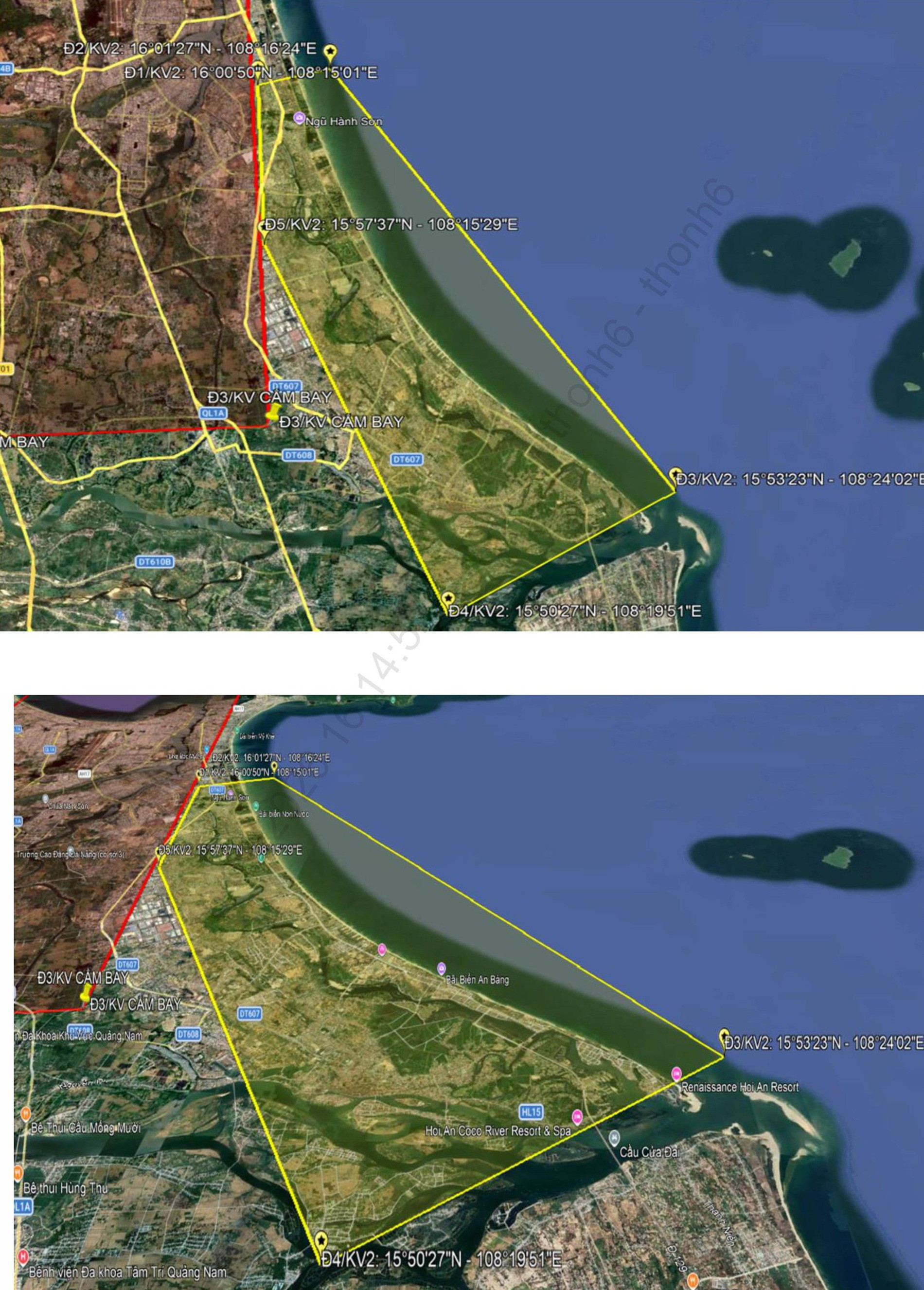
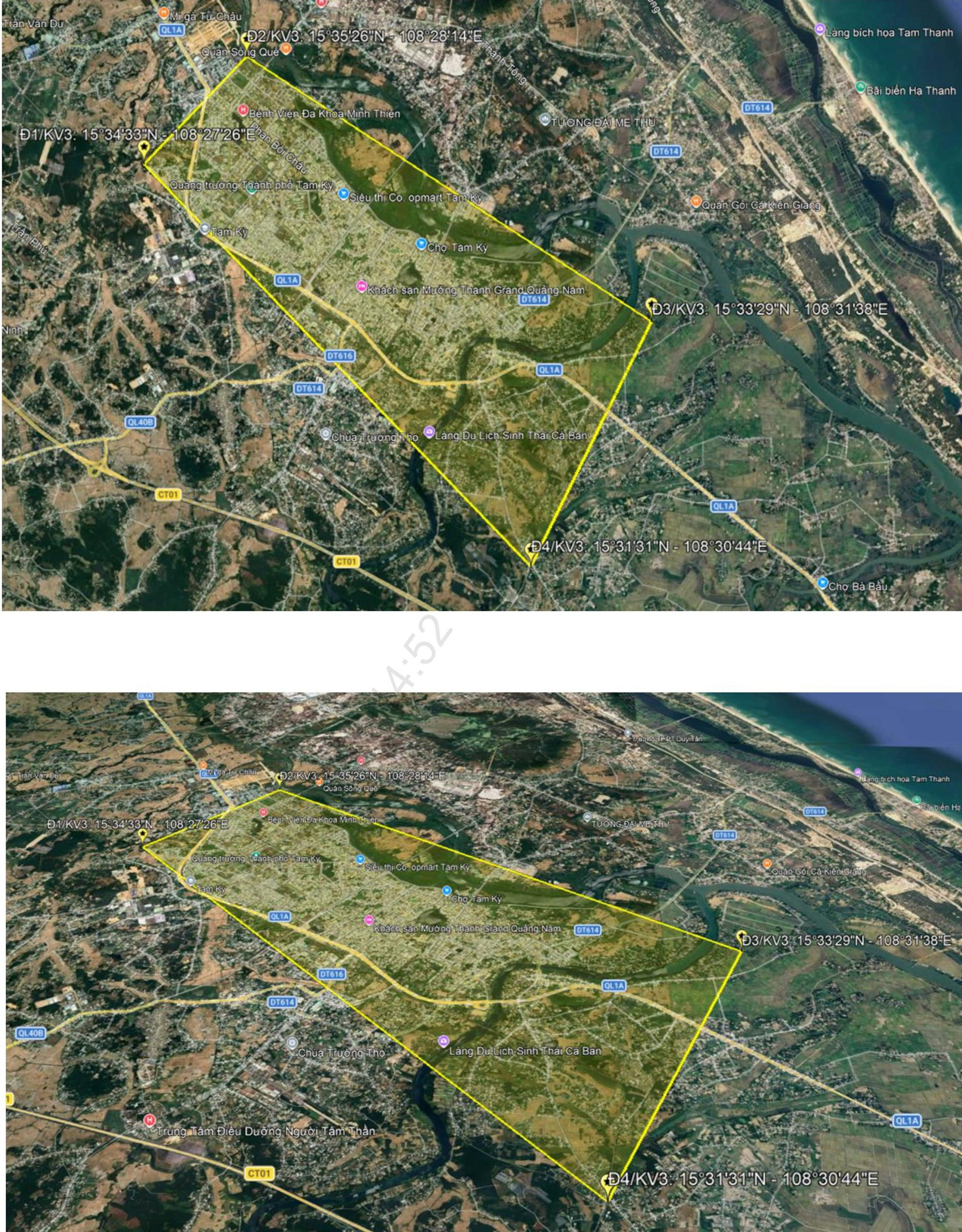
The four designated airspace zones
The decision identifies four separate areas for aircraft operations, including UAVs, with their boundaries specified through WGS 84 coordinates.
All operations remain subject to licensing requirements and possible restrictions imposed for defense, security or safety reasons.
Police tighten scrutiny of unauthorized drones near airports
Also on Sept. 16, Senior Lieutenant General Pham The Tung, Vietnam’s Deputy Minister of Public Security, chaired a meeting on measures to prevent, detect and handle UAVs and other aircraft that could threaten aviation security and safety.
The Ministry of Public Security said UAV activity around airports has become increasingly complicated.
Unauthorized drone operations, including flights that violate no-fly zones and restricted airspace regulations, can intrude into areas used by aircraft and pose risks during takeoff and landing.
Such incidents can also disrupt airport operations and potentially lead to serious consequences.
In response, the ministry has instructed its specialized units and local police forces to urgently review and tighten oversight of UAVs in their jurisdictions.
Local authorities have also been asked to strengthen public awareness campaigns encouraging compliance with regulations governing drone use and aviation security and safety.
Tung instructed police forces in localities with airports to continue educating residents and businesses about regulations covering the use and operation of UAVs and other aircraft.
Information should be comprehensive, accessible and tailored to different areas and groups, he said.
Alongside raising awareness of the law, authorities must also advise residents on preventive measures and how to notify relevant agencies when they detect UAVs, devices or other flying objects that appear to pose a threat to aviation security or safety.
The Immigration Department will take the lead in providing guidance to police units and local forces as they study and propose plans to install warning signs marking no-fly zones, restricted flight zones and areas where UAVs and other aircraft are prohibited.
Priority will be given to key locations where unauthorized drone operations occur frequently, as well as areas where such flights pose a high risk to civil aviation.
Local police have been asked to coordinate with government agencies and organizations to provide information at community meetings and schools, including to students.
Authorities will also use technology platforms and social media to distribute information to residents, particularly in communes, wards and special administrative zones located within or adjacent to airport no-fly zones.
Tung stressed the need for police to coordinate closely with agencies and organizations and encourage members of the public to help detect, report and respond to violations.
The broader goal, he said, is to strengthen public awareness, self-monitoring and community responsibility in protecting aviation security and safety.
Ho Giap – Dinh Hieu
.svg)
