 Vietnamnet.vn

 Podcast



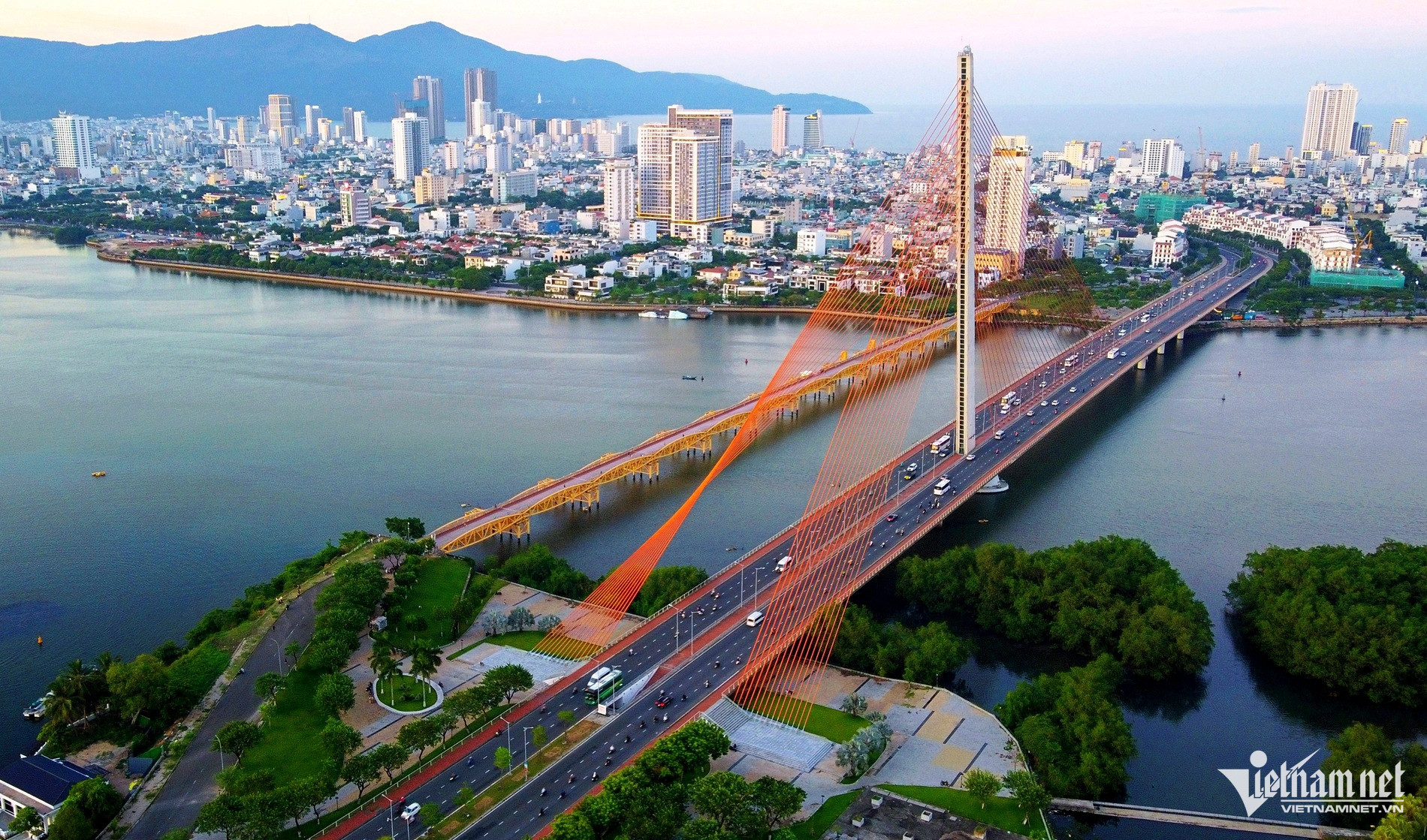
At the Vietnam Smart City Award 2025 ceremony held on December 23, organized by the Vietnam Software and IT Services Association (VINASA), Da Nang was honored in two categories: Smart City and Most Livable City.
The “Most Livable City” award was based on public voting across seven key criteria: governance, transportation, environment, infrastructure, startup ecosystem, security, and digital economy.
According to the organizers, Da Nang claimed an overwhelming victory with 163,984 votes out of more than 200,000 total submissions, accounting for nearly 70% of all votes. Hue and Quang Ninh followed with 65,379 and 21,120 votes, respectively.
The top five provinces and cities with the highest public votes across all award categories were Da Nang, Quang Ninh, Lang Son, Hue, and Nghe An.
In the main Smart City category, Da Nang received awards for excellence in smart governance and administration, green environment and sustainable development, and attractiveness for innovation and startups.
Throughout 2025, in addition to tourism and environmental efforts, Da Nang took pioneering steps in building infrastructure for semiconductor and AI industries, while also advancing plans for a regional financial center through various pilot programs and incentives to foster a digital economy.
This comprehensive approach reflects VINASA’s new vision of a “smart city” in the modern era - not merely a clean and scenic urban center, but a hub for high-quality employment, global tech leaders, and regional innovation excellence.
Hanoi also made an impression by winning in the Smart Administration and Management category (Public Services). The capital city was praised for addressing one of the biggest challenges facing mega cities: citizen engagement.
By deploying a 24/7 AI call center and virtual assistant, along with the iHanoi digital citizen app, Hanoi has turned technology into a bridge that allows the government to “hear, understand, and serve” each citizen transparently and efficiently.
Launched in 2020 amid the implementation of Vietnam’s Smart Sustainable Urban Development Program (Project 950) for the 2018–2025 period, the Vietnam Smart City Awards have, over five years, tracked the evolving governance mindset of local governments.
From 2020 to 2022, the focus was on planning and building basic connectivity infrastructure. By 2023–2024, priorities shifted toward data management and intelligent operations centers (IOCs).
VINASA noted that Vietnamese cities are now entering a phase of substantial investment aimed at developing the digital economy and digital society at the local level.
Technology is being applied to directly tackle urban “pain points” such as traffic congestion, flooding, bureaucratic delays, and energy inefficiency.
In addition to the eight awards for cities, the association also recognized ten outstanding technology solutions, spotlighting the rise of green technology and AI security.
Du Lam
.svg)
