 Vietnamnet.vn

 Podcast



General Phan Van Giang has called for stronger mechanisms and policies to attract, retain and effectively utilize talented professionals, particularly engineers, skilled workers and experts in high-tech fields, as Vietnam accelerates the modernization of its armed forces.
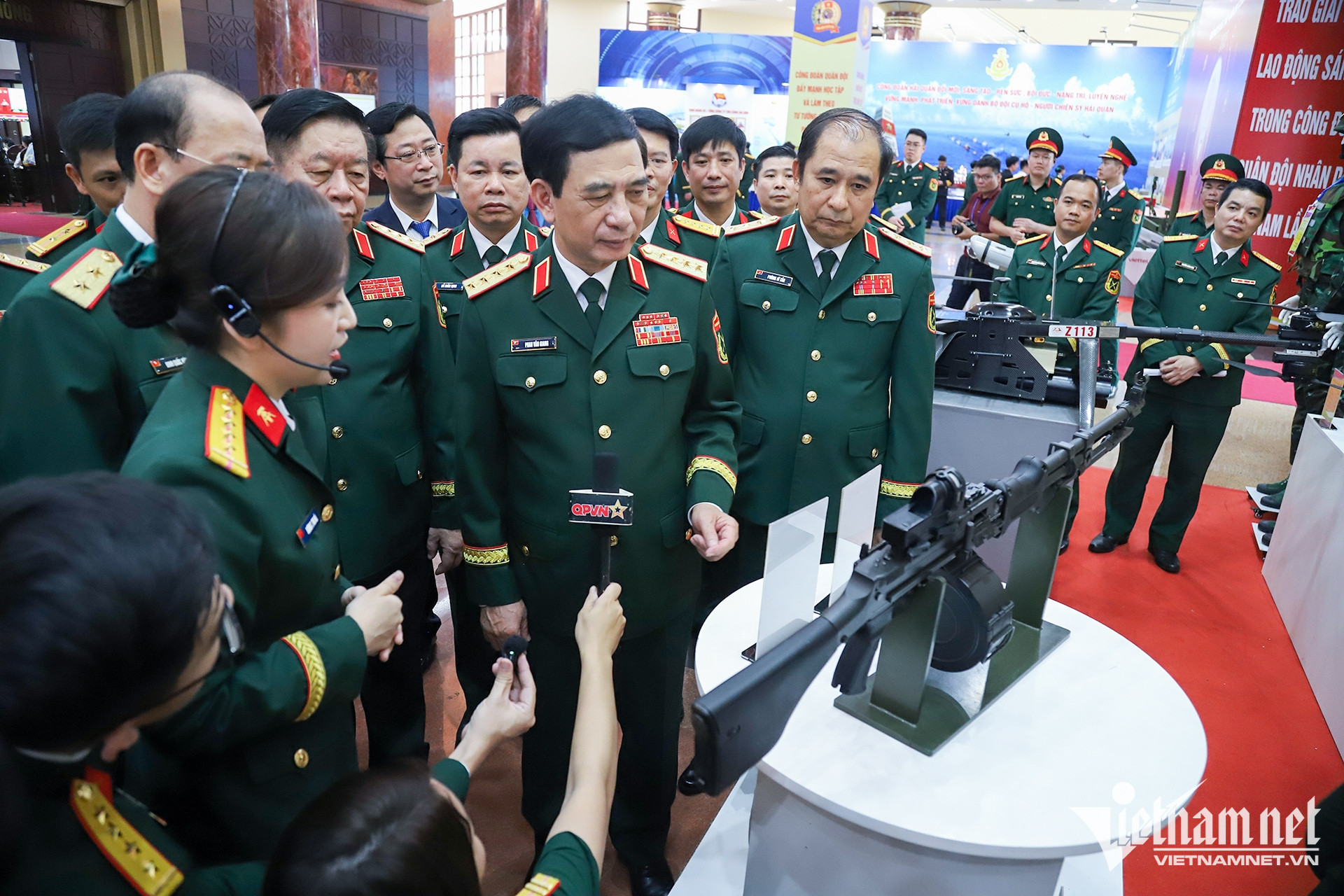
The Ministry of National Defence on Saturday held a ceremony to review and present awards for the first Creative Labour Awards within the Military Trade Union system.
According to organizers, numerous innovative projects and research initiatives have emerged from operational practice, military training, combat readiness, scientific research, production, maintenance, technical support, as well as cultural, educational and healthcare activities. These initiatives have contributed to improving the quality and effectiveness of military and defence missions.
The inaugural awards attracted 208 projects, including 56 research studies and 152 technical innovations, developed by 775 authors from 11 of the 39 units under the Central Military Commission and the Ministry of National Defence.
The projects covered a wide range of disciplines, including information technology, chemistry and environmental science, education and military training, weapons and ammunition, electronics, telecommunications, automation, mechanical engineering, military construction and other specialised fields.
Most projects focused on addressing emerging challenges, particularly those associated with advances in science and technology, and many have already been applied in practice at military units, generating significant benefits.
Turning innovation into action
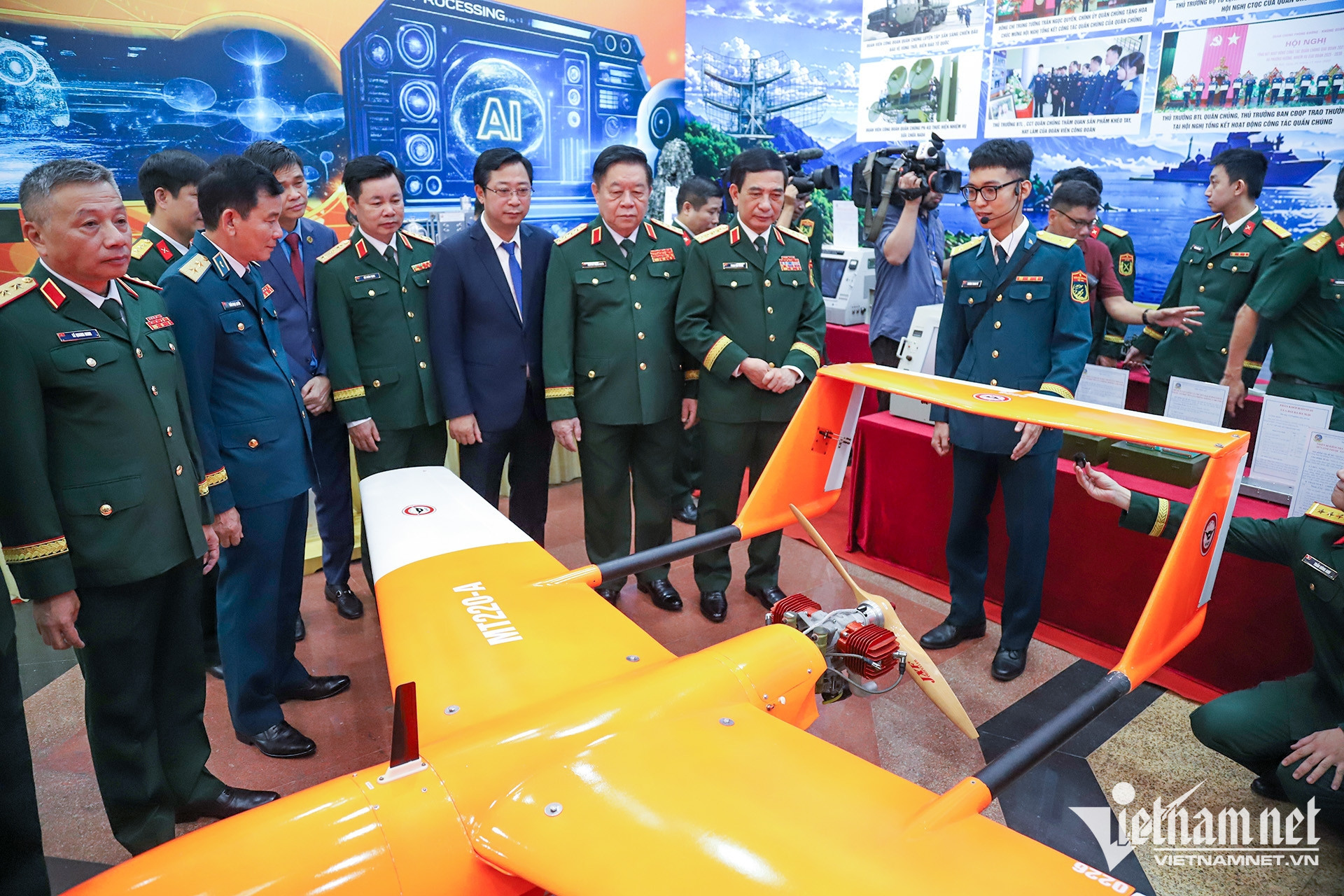
Speaking at the awards ceremony, General Phan Van Giang, Deputy Prime Minister and Minister of National Defence, emphasized that throughout the history of the Vietnam People's Army, defence workers, civil servants and labourers - often referred to as "soldier-workers" - have played a vital role in strengthening the military, consolidating national defence and safeguarding the nation.
Although they do not serve on the front lines, he said, their contributions from research institutes, factories, repair workshops, construction sites, laboratories and military hospitals have been instrumental in helping the armed forces master modern science and technology, maintain weapons and equipment, and enhance combat readiness.
The awards programme was designed to focus on grassroots innovation and frontline workers, with practical effectiveness and measurable value serving as key evaluation criteria.
General Giang noted that rapid advances in science and technology, particularly artificial intelligence, big data and automation, are creating new requirements for building a revolutionary, regular, elite and modern military.
Against this backdrop, he said, the establishment of the awards programme is both timely and necessary.
"The awards are not only a form of recognition and honour, but also an open intellectual platform where every officer, trade union member and worker can pursue scientific research, innovation and meaningful contributions," he said.
Even in its first year, the programme attracted a diverse group of participants, including officers, professional servicemembers, defence workers, public employees and civilian staff from various sectors.
Military leaders said the response demonstrated both the diversity of talent across the armed forces and the growing influence of the awards programme.
Some projects were described as having strategic significance, directly enhancing production, maintenance, technical support and combat readiness capabilities. Others, although smaller in scale, successfully addressed highly specific operational challenges.
Innovation must not remain a slogan
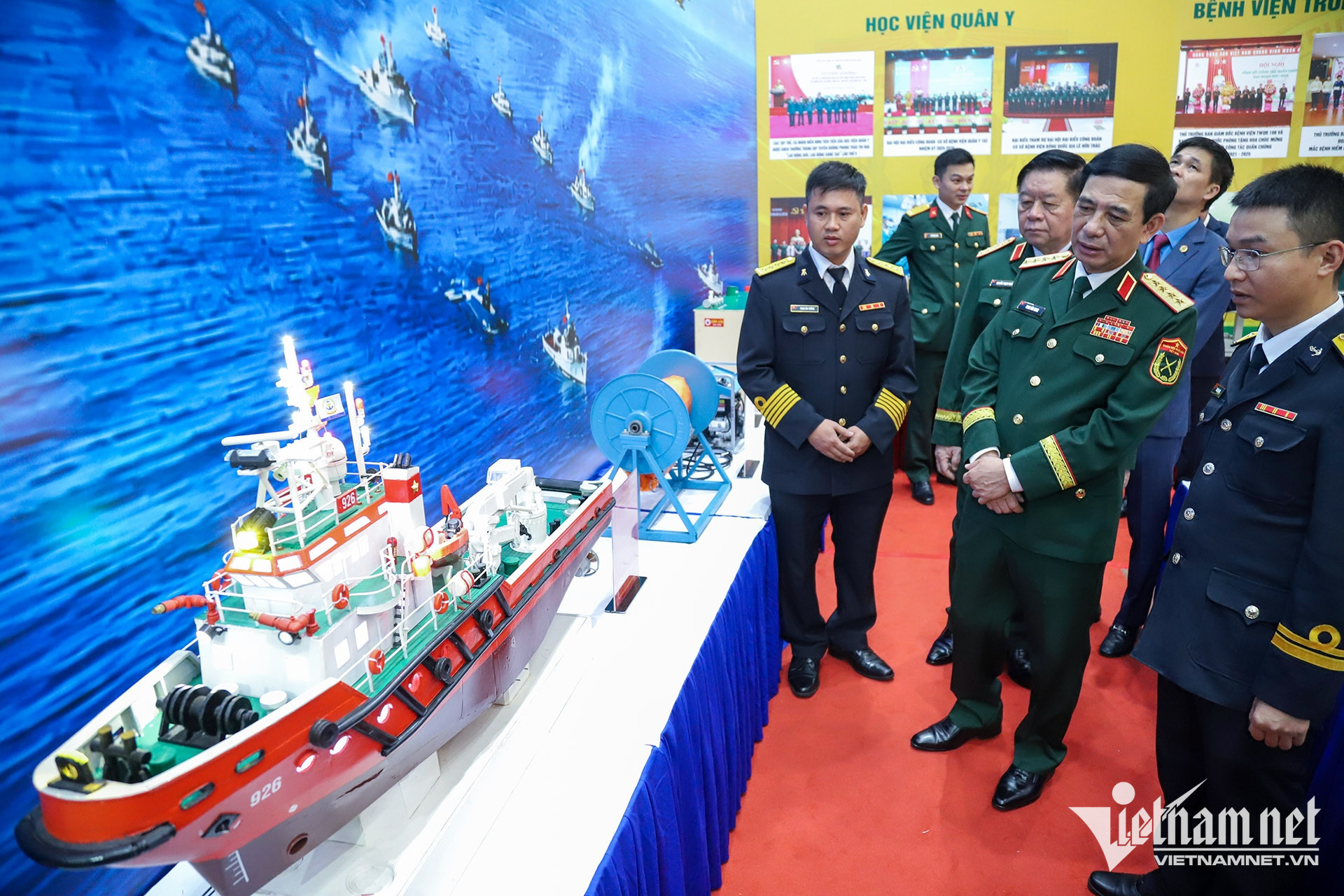
General Giang said the awards revealed a vast reserve of creativity and innovation within the military workforce. With proper organization, strategic direction and timely encouragement, that potential could contribute substantially to the modernization of the armed forces.
He urged Party committees and military commanders at all levels to continue creating favourable conditions, including funding, resources and time, for personnel to conduct scientific research and develop technical innovations.
Trade union organizations, he said, should act as a trusted bridge between workers, military leadership and enterprises by understanding workers' aspirations and encouraging responsibility, creativity, initiative and accountability.
"We must not allow this movement to remain merely a slogan. It must become a continuous and practical driver of action in every agency and unit," he stressed.
General Giang also called for greater efforts to identify, nurture and replicate outstanding individuals and successful innovation models, while encouraging initiatives that emerge directly from military training, combat readiness and operational requirements.
A healthy and substantive environment for innovation should enable every officer and trade union member to contribute ideas that improve technical performance, economic efficiency, defence and security capabilities, scientific and technological development, production quality and operational effectiveness, he said.
Military agencies and units were urged to develop training plans that improve professional skills and provide opportunities for personnel to access new technologies and modern working methods.
General Giang further emphasized the need for policies capable of attracting and retaining talented individuals, particularly engineers, highly skilled workers and experts in advanced technology sectors.
He added that encouraging innovation must go hand in hand with protecting the legitimate rights and interests of workers so they can remain committed to their jobs and contribute over the long term.
A total of seven organizations and 14 individuals received certificates of merit from the Minister of National Defence, while 99 projects were awarded certificates by the General Department of Politics of the Vietnam People's Army.
Tran Thuong
.svg)
