 Vietnamnet.vn

 Podcast



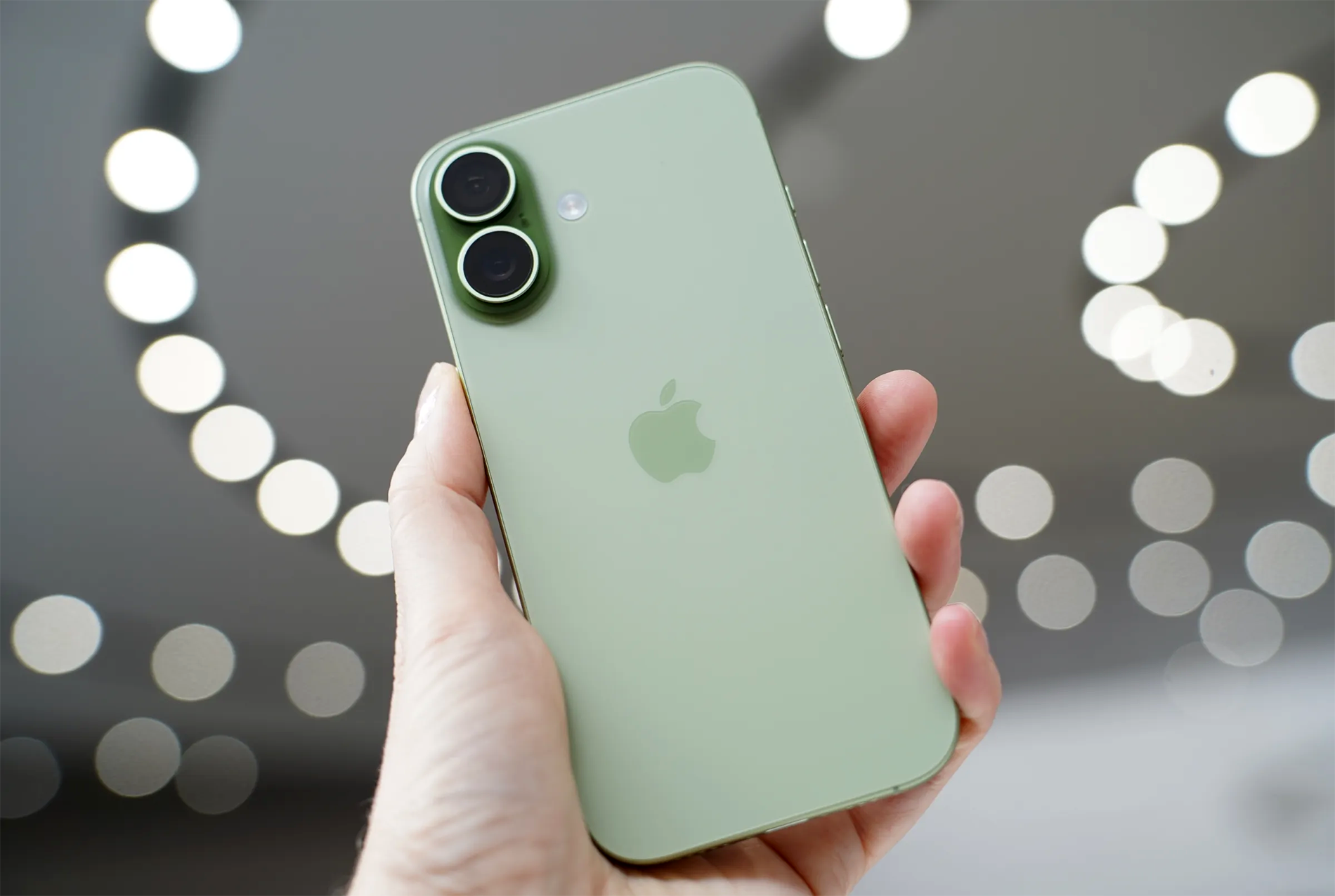
Apple’s decision to delay the standard iPhone 18 until 2027 could give Samsung a short-term advantage and help the South Korean company reclaim the top spot in the global smartphone market.
The battle for the No. 1 position in the global smartphone market in 2026 is likely to remain extremely close until the final months of the year. According to the latest forecast from Counterpoint Research, however, Samsung has a chance to edge past Apple by the narrowest of margins.
More notably, Apple’s decision to postpone the standard iPhone 18 until 2027 could work in Samsung’s favor in the short term, before Apple potentially returns to the top with a wider lead.
Samsung and Apple keep trading places at the top
After dominating the mobile industry in terms of hardware sales for more than a decade, Samsung lost its crown to longtime rival Apple for the first time in 2023. The lead quickly changed hands again, however, with Samsung reclaiming the No. 1 position the following year.
In 2025, Apple once again overtook Samsung to become the world’s largest smartphone vendor. It was the Cupertino-based technology company’s second victory in three years, although the margin was extremely narrow.
A similar scenario is likely to unfold in 2026, except this time Samsung is forecast to return to the top, with virtually nothing separating the two rivals.
According to Counterpoint Research’s latest forecast, Samsung’s share of the global smartphone market could rise from 19.7% in 2025 to 22.5% in 2026. Apple, meanwhile, is projected to post an even stronger increase, from 19.2% to 22.6%.
If those figures prove exactly accurate, Apple would still lead Samsung by 0.1 percentage point. However, based on the methodology and adjustments used in the market forecast, Samsung is expected to have a chance of edging ahead of Apple and reclaiming the top position this year.
Even so, the difference is so small that the race remains wide open. A relatively minor shift in iPhone or Galaxy sales could be enough to reverse the rankings.
iPhone 18 Pro and Galaxy S26 could decide the winner
One of the most important factors shaping the smartphone market in 2026 will be demand for the iPhone 18 Pro and iPhone 18 Pro Max during their first months on sale.
If Apple’s new premium iPhones generate stronger-than-expected demand, the company could quickly narrow the gap with Samsung or even move ahead. Conversely, if consumers respond cautiously because of high prices, design changes or upgrades they consider insufficient, Samsung will have another opportunity to strengthen its position.
On the other side, the Galaxy S26 will also play a significant role. The flagship lineup’s popularity, together with Samsung’s discount policies in the months that follow, could directly influence its global sales.
Samsung has a particular advantage in the breadth of its portfolio, which stretches from budget and mid-range smartphones to flagships and foldable devices. This means the company is not as heavily dependent on a single product line as Apple.
As a result, even though the two companies are expected to command almost identical market shares, the actual contest could ultimately be decided by their ability to sustain sales across different market segments.
Samsung could grow sales as the wider market plunges
The most striking element of Counterpoint Research’s forecast, however, is not whether Samsung or Apple becomes the world’s largest smartphone maker. With such a tiny gap between them, the title itself carries relatively little significance.
More important is which company can increase the number of smartphones it sells while the broader industry is experiencing a sharp contraction.
By this measure, Samsung and Huawei are among the few manufacturers expected to deliver positive results in 2026 compared with the previous year.
Counterpoint Research forecasts that Samsung’s smartphone sales could increase by around 0.8% this year. That figure may not appear particularly impressive at first, but it becomes far more notable when set against a projected 14.3% decline in the global smartphone market.
iPhone sales, meanwhile, are forecast to fall by around 2.1%. Apple would therefore still perform relatively well compared with the overall market downturn, but it would not achieve genuine growth.
Huawei is projected to do even better, with sales potentially rising by as much as 8% from 2025. If that forecast proves accurate, the Chinese smartphone maker would emerge as one of the companies most resilient to the market-wide decline.
Standard iPhone 18 could become an unlikely boost for Samsung
There is an interesting paradox: if Samsung does reclaim the global smartphone crown in 2026, Apple itself may inadvertently have helped make it possible.
The reason lies with the standard iPhone 18.
Rather than launching alongside the iPhone 18 Pro and iPhone 18 Pro Max in September 2026, as has traditionally been the case, the standard iPhone 18 is reportedly not expected to arrive until 2027.
The change in launch schedule could hurt Apple in the short term. Its new iPhone lineup would become more heavily concentrated in the premium segment, while consumers seeking a new-generation iPhone at a more accessible price would have to wait longer.
That could create an opening for Samsung, particularly for the Galaxy S26 series and the company’s mid-range and mass-market Galaxy smartphones.
In other words, delaying the standard iPhone 18 could mean Apple sacrifices some sales in 2026 in exchange for a potentially greater advantage the following year.
If that scenario plays out, Samsung’s return to the top may last for only one year.
Counterpoint Research forecasts that Apple will reclaim the No. 1 position in the global smartphone market in 2027, with a lead of around 0.5 percentage point - considerably wider than the projected gap in 2026.
Once the standard iPhone 18 finally arrives, Apple will have a more complete new-generation iPhone portfolio, spanning premium models and more accessible options. That could help the company quickly regain growth momentum.
Notably, both Samsung and Apple are forecast to continue increasing their market shares in 2027. The global smartphone market itself, however, may still remain in decline, with shipments projected to fall by another 1%.
That suggests the battle between Samsung and Apple will increasingly play out in a difficult and contracting market, rather than the strong growth environment the industry enjoyed in earlier years.
Hai Phong
.svg)
