 Vietnamnet.vn

 Podcast



In recent years, many Vietnamese living in the US, Australia, Europe, and Japan have returned to Vietnam for dental implants and porcelain veneers.
Clinic records show that this trend peaks during holidays such as Tet and summer, when overseas Vietnamese have a limited window to receive care.
Reasonable costs, modern technology, and convenient care procedures are common reasons why many consider treatment in their home country. However, experts caution that dental work during a short trip can carry significant risks if not carefully planned.
To provide an objective view, a reporter interviewed Dr. Nguyen Hoang Duong, Director of Dental Implants at Lac Viet Intech Dental Clinic. With thousands of implant cases for overseas Vietnamese patients under his belt, Dr. Duong offers essential tips to help patients make safe, informed decisions.
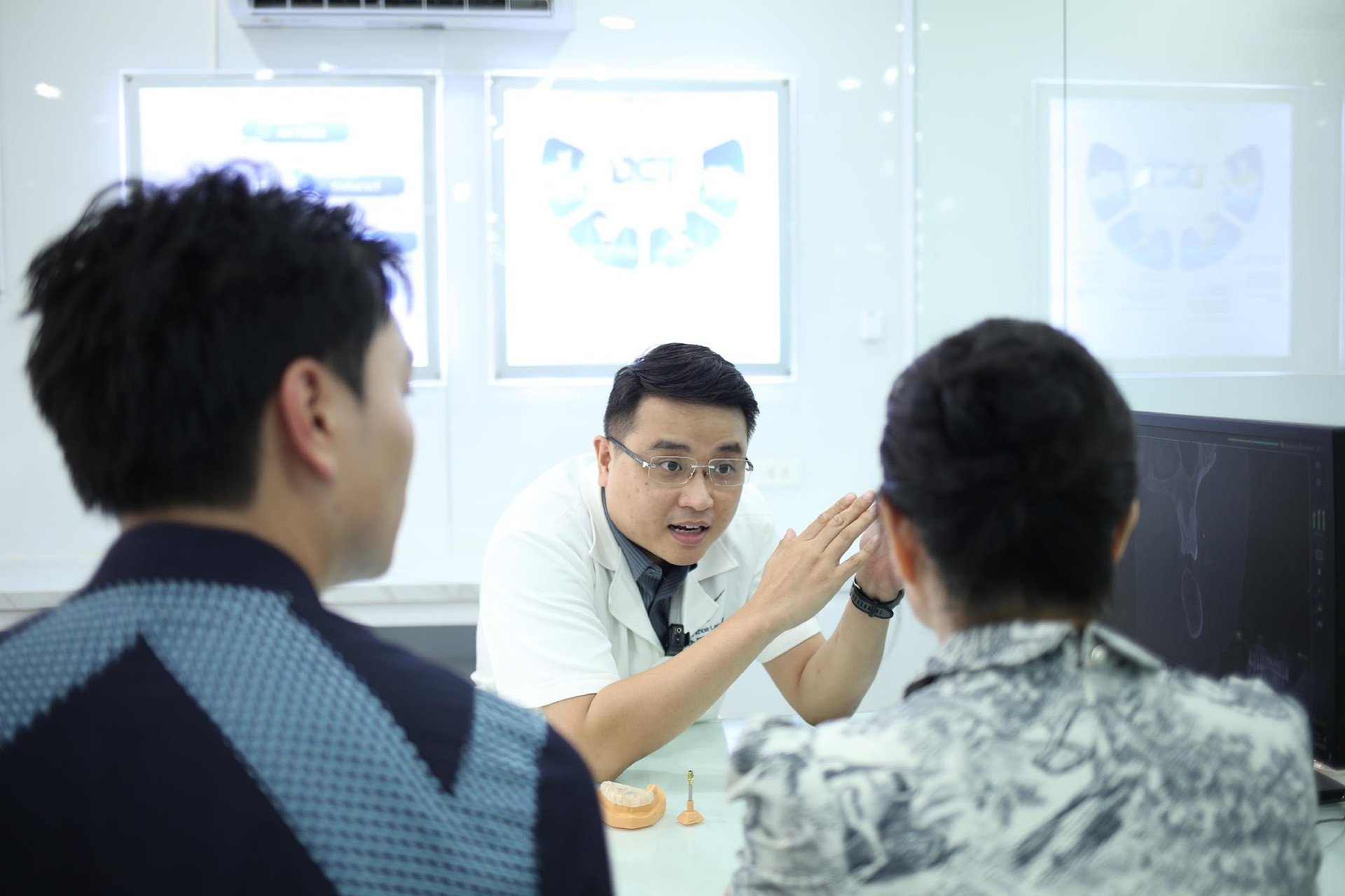
The advantages of returning to Vietnam for dental implants
According to Dr. Duong, the cost of dental implants in Vietnam is typically three to five times lower than in the US, Australia, Canada, or Europe. For full-mouth restorations, the savings can reach tens of thousands of dollars.
“Many clinics now meet international standards in terms of technology, and affordable costs are a major reason overseas Vietnamese return home for dental care,” said Dr. Duong.
Beyond financial benefits, convenience also plays a role. Patients can communicate in Vietnamese, get regular updates on their treatment, and combine their appointments with family visits. However, getting dental implants in just a few days is often not appropriate, especially for complex procedures.
Dr. Duong warns: “Not all cases are suitable for short-term treatment. Most overseas Vietnamese stay only a few weeks, but implant surgery involves strict procedures. Advertisements promising ‘instant teeth’ or results in six hours can be misleading. Bone quality, inflammation, and general health must be assessed beforehand. If not, patients may have to return home mid-treatment, incurring extra costs, wasted time, and health risks.”
The 5 essential tips when getting dental implants in Vietnam
1. Confirm the treatment plan before your trip
This is the most important tip for overseas Vietnamese.
Patients should send a Conebeam CT (CBCT) scan to their doctor for evaluation before scheduling travel.
“Implants can only be placed immediately if the jawbone has good volume and no infection. If bone grafting, sinus lift, or inflammation treatment is needed, it can’t be completed in just a few days. A pre-exam allows for a detailed treatment plan, saving time and avoiding repeated travel,” explained Dr. Duong.
An advance treatment plan also helps patients manage their stay, book flights, and avoid unnecessary costs.
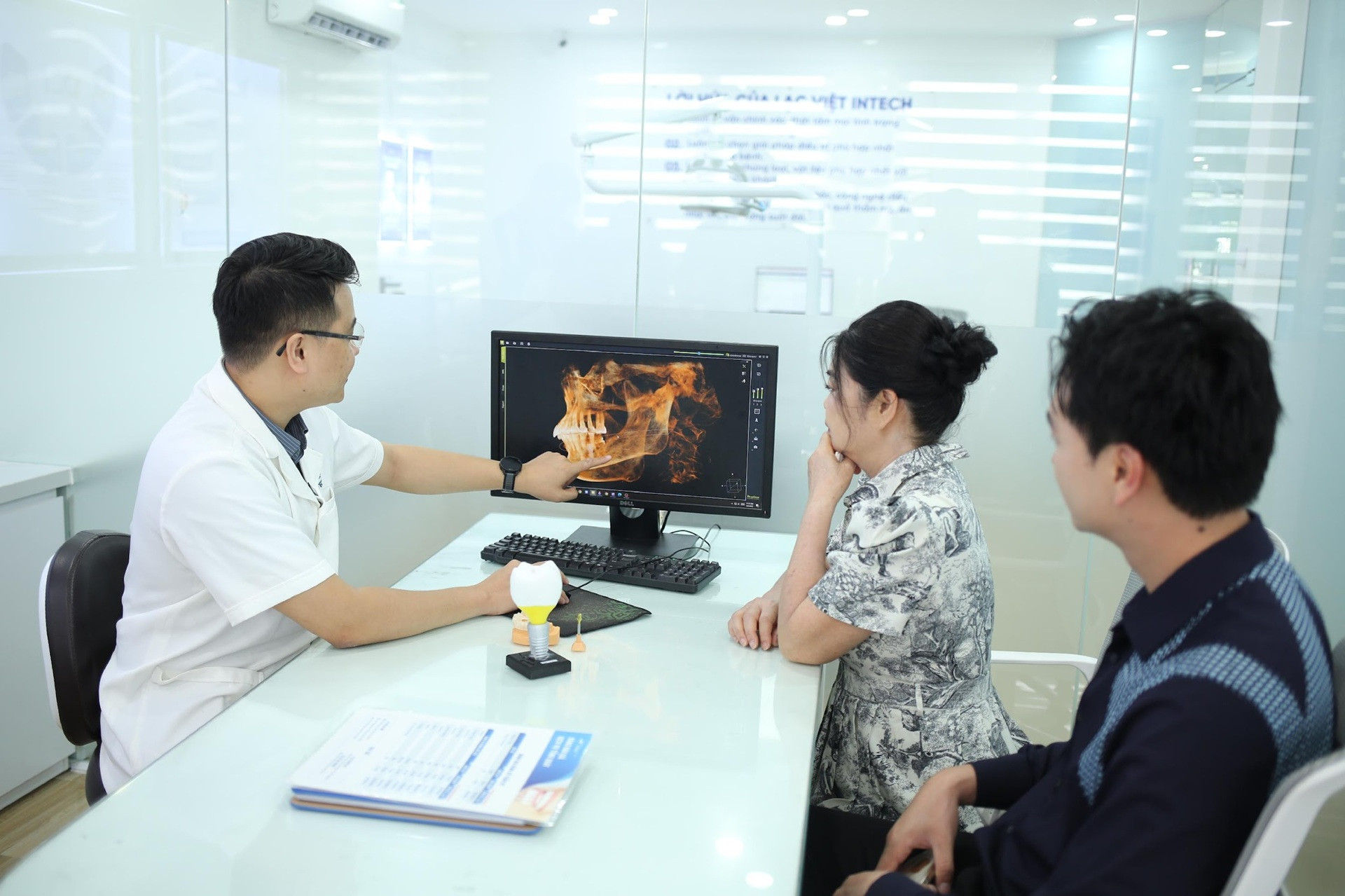
2. Choose a doctor with specialized implant credentials and proven experience
Although Vietnamese dentistry is growing quickly, patients should be wary of misleading advertising and underqualified clinics.
Overseas Vietnamese should prioritize doctors with clear certification and a strong record of complex cases.
Dr. Nguyen Hoang Duong holds a range of respected credentials, including:
An implant certification issued by the Ministry of Health.
Advanced training in implant surgery for bone defects, immediate implantation, and immediate loading at the National Hospital of Odonto-Stomatology.
Training in GRB with Titanium and immediate loading by Prof. Mejed Abu Arqub.
Research studies on long-term implant success with Prof. Daniel from the University of Bern.
Training in advanced digital applications in dental implants by Dr. Marcus Marcussen.
Professional consulting appearances on VTV2 and VTV3, and other health programs like Song Khoe Moi Ngay and Co The Ban Noi Gi.
Lecturer and trainer for major implant brands, including NeoBiotech.
Patients should ask to see case records of real patients with bone loss, long-term tooth absence, or implant complications to verify the doctor’s expertise.
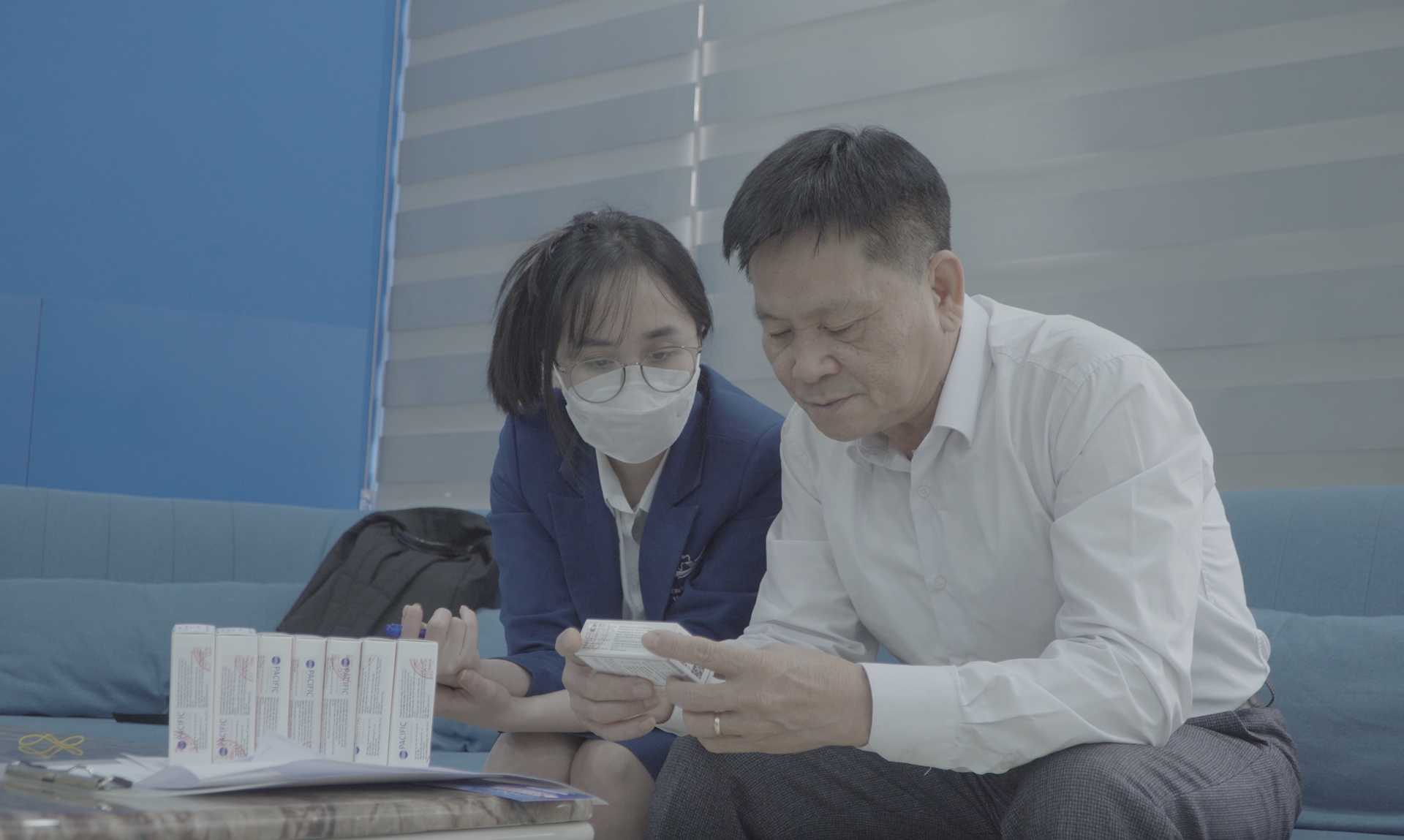
3. Check the implant brand and warranty policy
Choose implant systems commonly used in your country of residence. This makes future treatment or adjustments easier.
“Patients from the US are recommended implants widely used there. Australians receive implants popular in Australia. This ensures peace of mind for long-term care,” Dr. Duong advises.
Key information to check includes:
The implant brand and country of origin
Import certification
Warranty duration and conditions
A written commitment from the doctor and clinic
Reputable systems like Lac Viet Intech offer clear pricing, detailed contracts, and full disclosure of materials and procedures. Patients can verify the implant source before surgery.
4. Ask about support services for international patients
International patients have different needs from locals.
Important questions include:
Are appointments flexible for short visits?
Is airport pickup and fast-track scheduling available?
Can treatment be tracked after the patient returns home?
Is there a digital management system for ongoing care?
“We support patients from the moment they send us a CBCT scan to full recovery. Even after returning abroad, we monitor progress using our digital system,” said Dr. Duong.
5. Be clear about costs - don’t choose based on price alone
Although Vietnam offers lower implant costs, price shouldn’t be the sole deciding factor.
Focus instead on:
Material quality
Implant origin certification
Doctor qualifications
Clear explanation of potential additional costs
“Implant treatment is complex and long-lasting. Extremely low prices may signal risks like failed integration, infection, or treatment delays that require new surgery,” Dr. Duong cautioned.
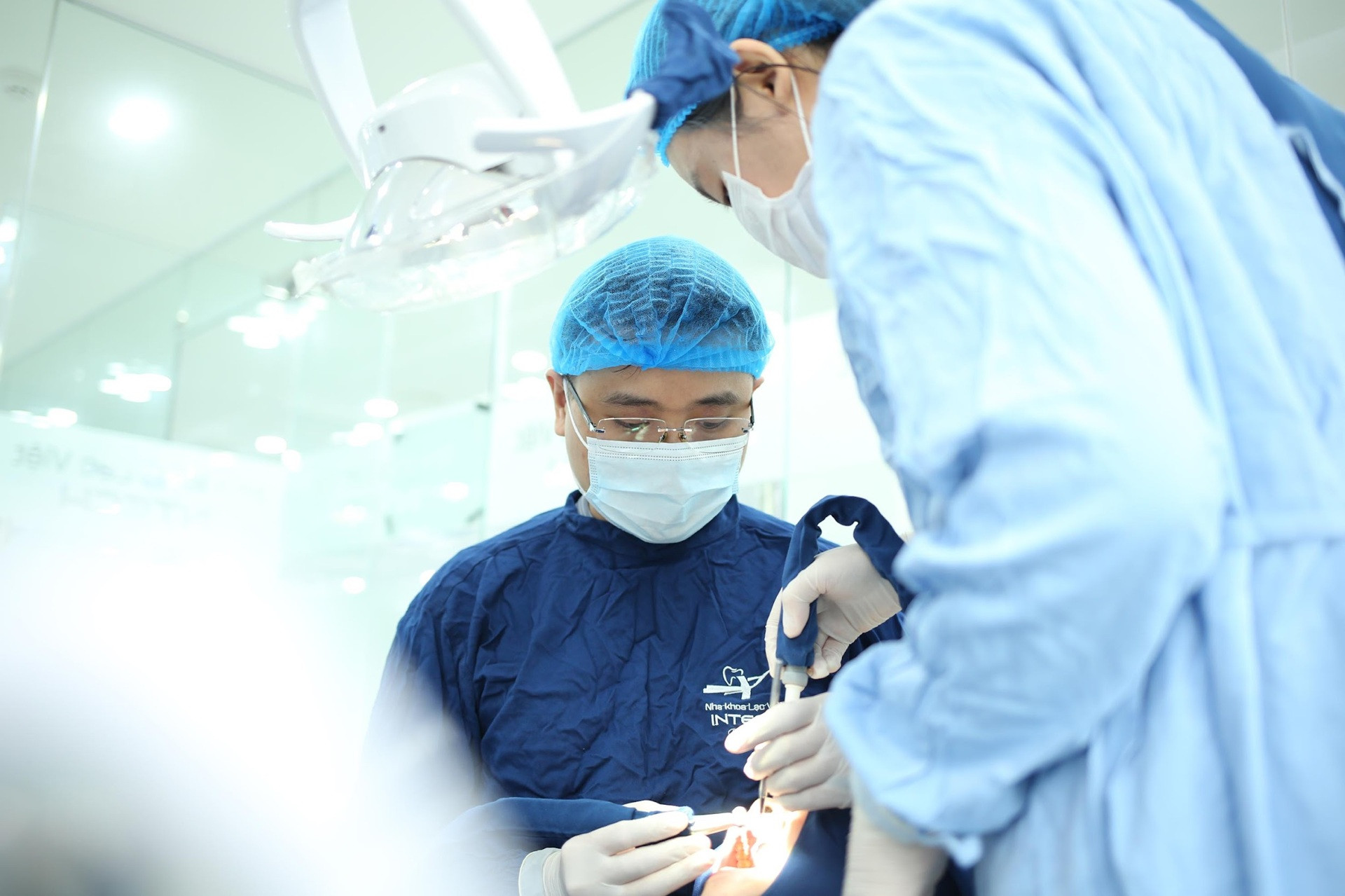
Expert advice
Dental implants are intricate procedures that have lasting impact on oral health.
Overseas Vietnamese should focus on three priorities: having a clear treatment plan before traveling, consulting a highly qualified doctor, and confirming all terms of care before starting treatment.
“Vietnam has strong advantages in cost, technology, and personalized service. With good preparation, it can be an excellent choice for many patients,” Dr. Duong emphasized.
With well-trained specialists and modern implant systems, Vietnam is increasingly favored by overseas Vietnamese seeking to restore missing teeth. Still, success depends on having full information, verifying credentials, and selecting a trusted clinic.
.svg)
