 Vietnamnet.vn

 Podcast



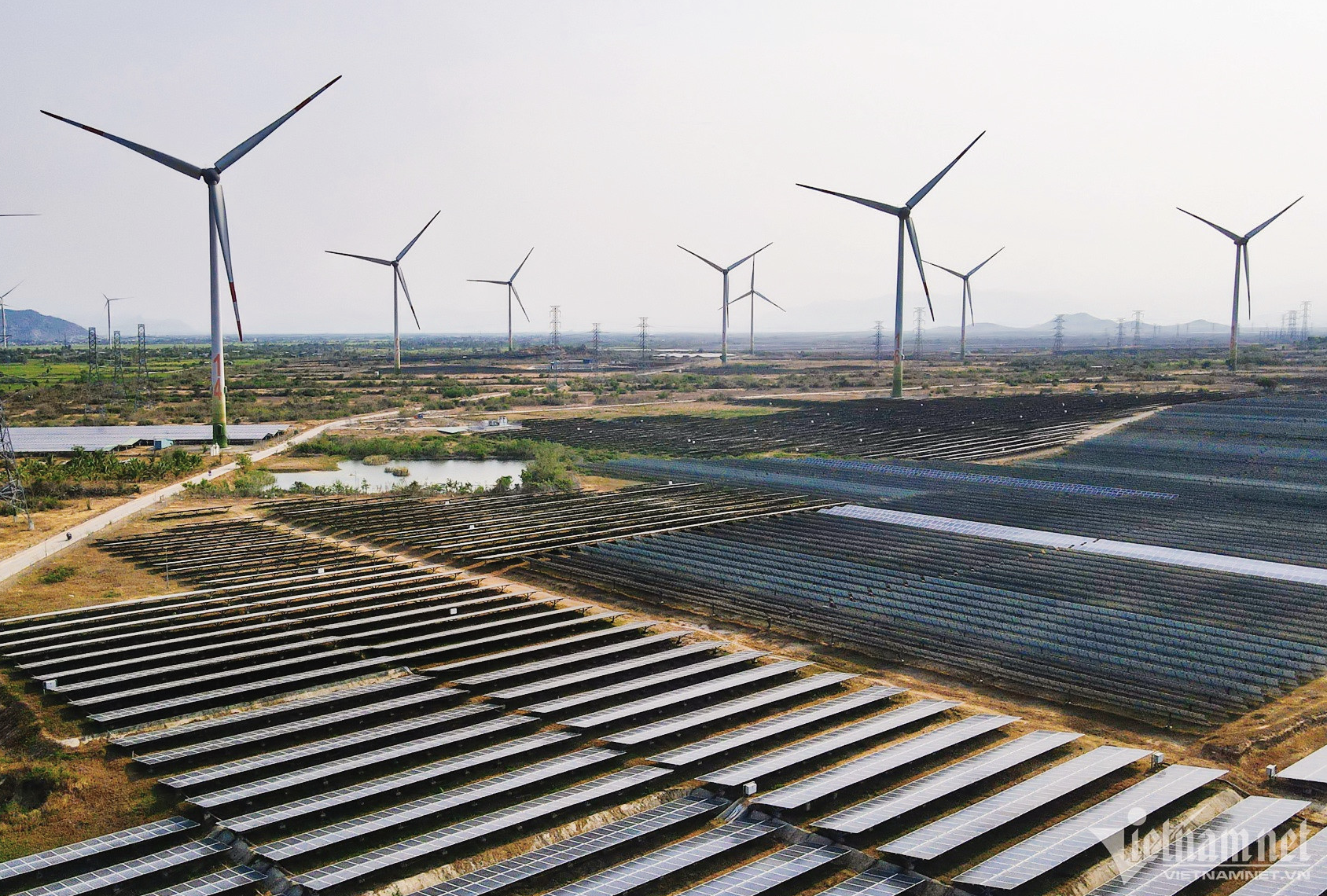
For projects without assigned investors, the Deputy PM directed the Ministry of Industry and Trade to instruct localities to immediately begin the selection process. He also emphasized the need to fast-track investment procedures to meet planned deadlines.
Local governments must swiftly update their provincial master plans to align with the revised Power Development Plan VIII, ensuring integration with sectoral and technical planning. They are also required to designate land areas for power infrastructure, in accordance with legal regulations.
“The Ministry of Industry and Trade, along with provincial and municipal authorities, will be held fully accountable before the Government and the Prime Minister if they cause delays in investor selection,” the statement stressed.
No room for bureaucratic delay
The Deputy PM also ordered the Ministry of Industry and Trade to regularly inspect and monitor the development of power generation and grid projects, proposing solutions for any delays in line with their authority.
He emphasized that no projects should be held up by administrative delays at any level, from ministries to local agencies. All related administrative tasks must be completed by October 2025.
The Ministry was also told to align with Resolution No. 70 and expedite amendments to policies on direct power purchase agreements between renewable energy generators and large consumers, as well as frameworks for self-produced, self-consumed energy and other emerging energy sources.
At the same time, adjustments to the overall plan must not alter its core objectives or principles. The Ministry must also promptly handle proposals from local authorities to stay on track with Plan VIII’s timeline.
Relevant ministries and agencies were instructed to provide guidance to localities facing legal or procedural obstacles related to regulatory documents managed by those ministries.
Nuclear and thermal projects under scrutiny
The Deputy PM also urged major state-owned corporations to be more aggressive in executing assigned power generation and transmission projects - especially the Ninh Thuan 1 and Ninh Thuan 2 nuclear power projects. He called for close coordination with ministries and local governments to resolve site clearance, grid connection, and other bottlenecks.
Power plants under the management of these corporations must thoroughly prepare for operations and prevent any fuel shortages - whether coal, gas, or oil for thermal power plants, or water for hydropower reservoirs.
Specifically addressing Electricity of Vietnam (EVN), the Deputy PM directed the utility to accelerate negotiations of power purchase agreements. These talks must ensure a balance between state, investor, and public interests.
Tam An
.svg)
