 Vietnamnet.vn

 Podcast



Speaking at the national conference to study, disseminate and implement Resolution No. 79 on developing the state economy and Resolution No. 80 on developing Vietnamese culture, the Deputy Prime Minister presented the action programme to realise the two resolutions.
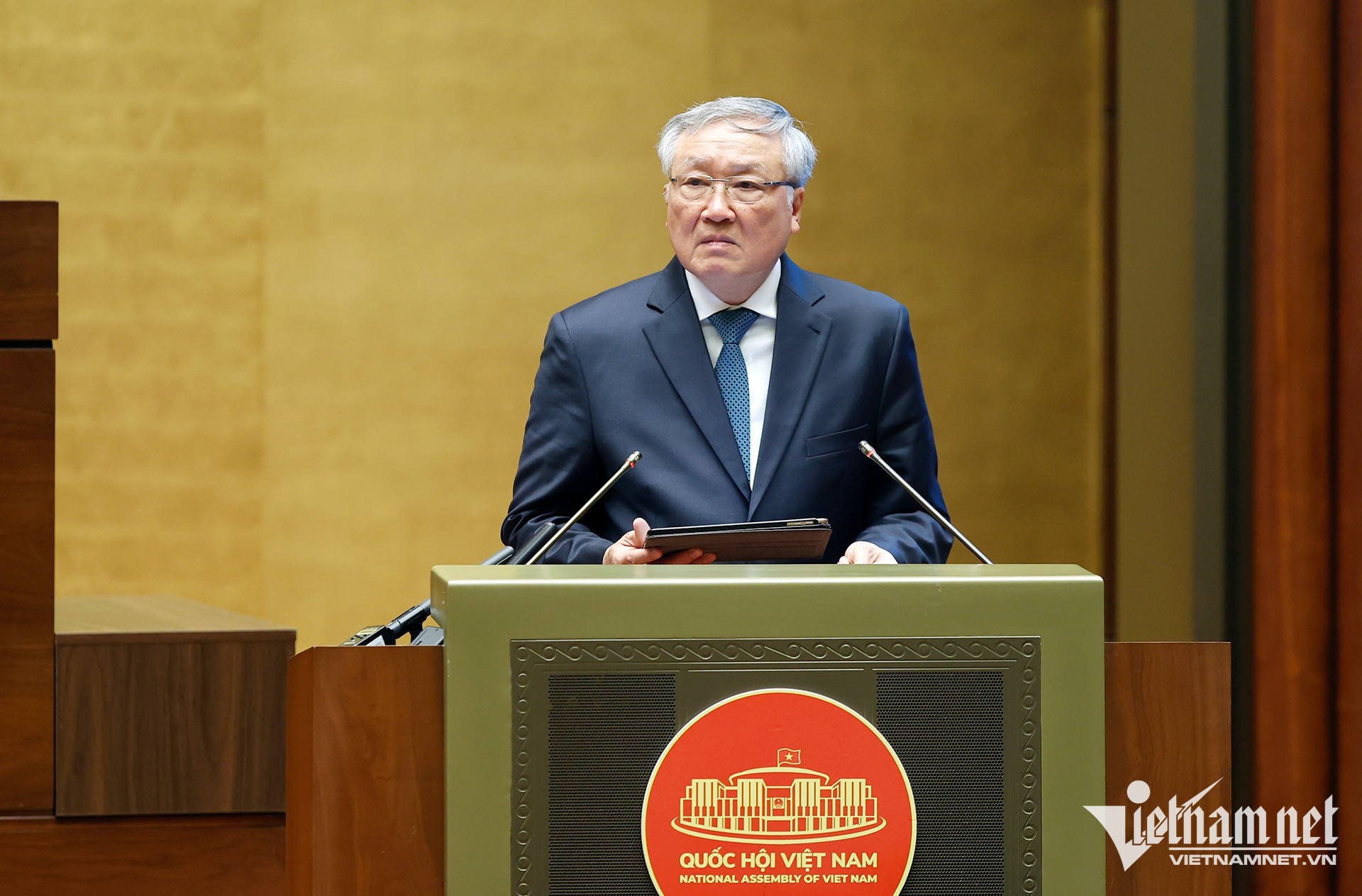
Regarding Resolution No. 80, he stressed the need to integrate cultural development requirements into strategic planning, master plans and socio-economic development projects. He also outlined the issuance of a National Assembly resolution introducing breakthroughs in public-private partnership models for cultural institutions, the establishment of cultural and arts funds, priority financial mechanisms for training, digital technology and commissioned works, as well as policies to attract and nurture artistic talent.
On building cultural values and a healthy cultural environment, he emphasised the synchronous implementation of cultural value systems, national value systems, family values and standards for Vietnamese people.
In terms of management reform and digital transformation, the Deputy Prime Minister called for shifting from pre-inspection to post-inspection mechanisms. He highlighted the development of platforms to promote Vietnamese culture, increasing the share of domestic products, strengthening data governance to protect intellectual property and digital cultural sovereignty, and regularly monitoring and strictly removing harmful content online.
Another task group focuses on building a cultural innovation ecosystem linked with start-ups and emerging technologies. He oriented the application of controlled pilot mechanisms in cultural activities and the formation of innovation centres, digital content creative spaces and inter-regional product markets in major urban areas.
He also stressed mobilising maximum enterprise resources to participate in developing cultural and entertainment industry value chains, and forming heritage cities and heritage economies in Hanoi, Quang Ninh, Ninh Binh and Hue.

On cultural industries and national branding, the action programme includes developing five to ten leading national brands with guiding influence.
Regarding resources, infrastructure and human capital, the Deputy Prime Minister stated that at least 2 percent of total annual state budget expenditure will be allocated to culture, distributed with a focus on key investments tied to measurable outcomes. Tasks include investing in and completing national-scale institutions such as the National Museum, the National Theatre and a National Arts Centre. Notably, he highlighted the specialised training programme for 5,000 professionals to develop video games dedicated to teaching Vietnamese history.
On international cultural integration, he said Vietnam aims to appoint cultural attachés and cultural cooperation officers at overseas diplomatic missions, and to work with UNESCO to prepare dossiers nominating five additional outstanding world cultural and natural heritage sites.
In addition, Vietnam plans to establish one to three new Vietnam Cultural Centres in strategic partner countries such as Russia, the US, China, South Korea and Japan, while enhancing the effectiveness of existing centres in France, Laos and elsewhere.
Resolutely reclaiming abandoned and wasteful land
Regarding Resolution No. 79, the Deputy Prime Minister noted that in the area of land and natural resources, the Land Law will be reviewed and amended toward stronger decentralisation, with firm measures to reclaim abandoned and wasteful land.
For infrastructure assets, he proposed studying mechanisms for investing in smart vertiport infrastructure under public-private partnership models, encouraging and incentivising investment to develop ground infrastructure for the low-altitude economy.
Concerning state budget resources, he made clear that new types of taxes related to property and carbon emissions will be applied in line with international practices.
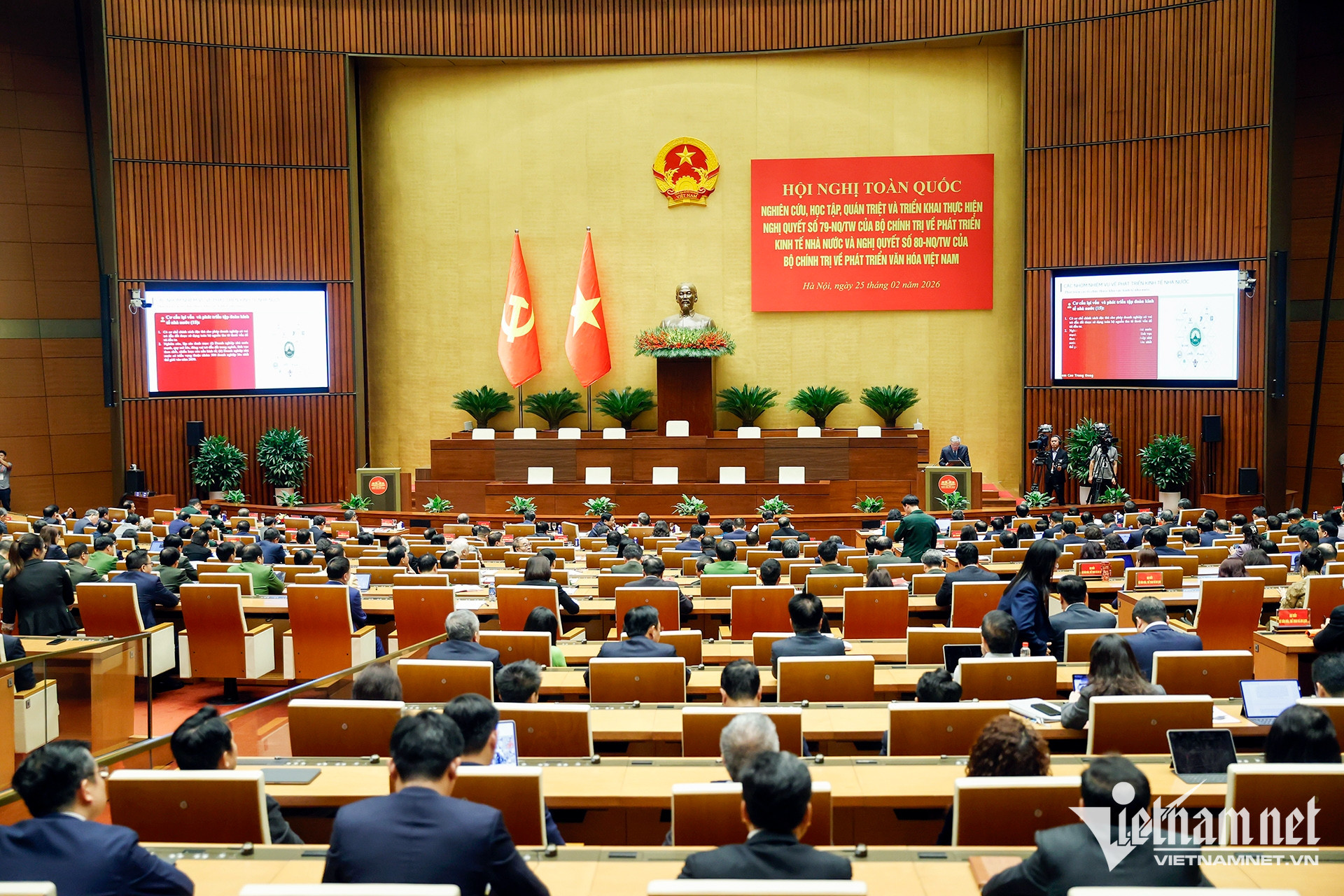
On national reserves, extra-budgetary financial funds and state capital in enterprises, he said inefficient and overlapping extra-budgetary funds will be merged or dissolved decisively. The management of state financial funds will be entrusted to professional banking and financial institutions. No new extra-budgetary funds will be established except in extremely urgent cases.
Regarding capital restructuring and the development of state economic groups, special mechanisms and policies will allow leading enterprises to use the entire proceeds from divestment for reinvestment.
On promoting science, technology and digital transformation, he oriented the establishment of research centres and venture capital funds within state-owned enterprises. These enterprises are expected to take the lead in mergers and acquisitions associated with core technology transfer.
State credit institutions must digitalise services and implement real-time capital management. He also called for reviewing and reorganising the operational networks of credit institutions to enhance efficiency.
Public non-business units in suitable fields may be converted into enterprises wholly owned by the State. Regulations will also be amended to allow autonomous units to pay salaries and offer remuneration to experts comparable to enterprises.
Tran Thuong
.svg)
