 Vietnamnet.vn

 Podcast



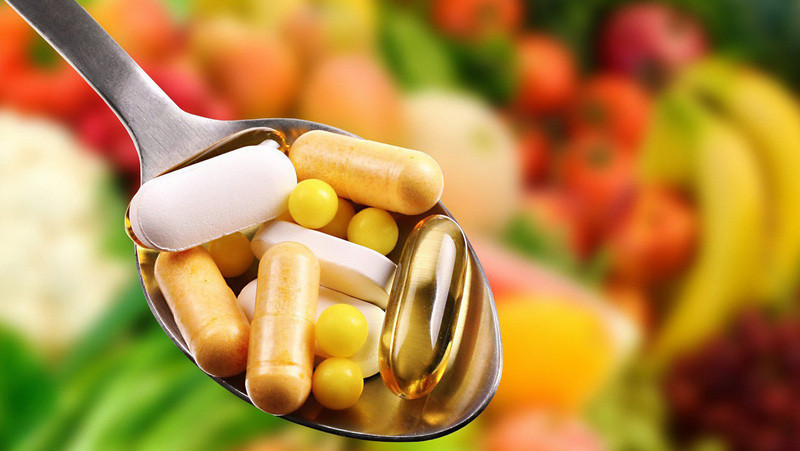
H.L, a businesswoman in HCMC in her early 40s, regularly had health checkups and was generally healthy. However, occasional colds and headaches made her uneasy.
In 2020, she underwent a full medical checkup, including a brain MRI, which showed no abnormalities. Her neurologic exam was normal, and no doctor prescribed or recommended supplements.
By 2022, she had neck pain, headaches, and dizziness, so she went for another health check. The second MRI results, compared to the previous images, revealed an abnormality: a cerebral blood vessel had suddenly become narrowed.
The doctor who examined L was Tran Chi Cuong, Chair of the HCMC Neurointervention Association. He said that the team searched for traditional risk factors but found none. This patient had a standard BMI, no high blood lipids, no diabetes, no hypertension, and no smoking or alcohol consumption.
After persistent questioning, L finally admitted that for several years she had been using many types of functional foods advertised to help maintain youth, lose weight, and enhance health.
When the doctor asked about the products, the female patient took out her phone and showed images of various bottles. The list was long: from multivitamins and collagen to imported herbal extracts.
The doctor believed that L was facing a serious problem by self-administering functional foods of unclear origin. It is impossible to confirm whether the ingredients had undergone full clinical research or guaranteed purity.
The patient's symptoms appeared after prolonged use of the supplement products. The doctors were concerned that drug interactions or accumulated impurities could cause vasculitis, spasms, or blockages, potentially worsening the condition.
Another case involved N.T.L, 70, who came for an examination carrying a bag of "medicine" she was using. The doctors said that most of it was functional foods. Every day she took more than 10 pills, ranging from brain, kidney, and liver supplements to stroke prevention products.
Recently, a check-up showed signs of declining kidney function. Her son, who is also a medical expert, sent her to be examined at Tran Chi Cuong's workplace.
The doctor spent more than one hour consulting the patient to help her understand and eliminate unnecessary functional foods. A few months later, the patient's health improved. She asked her son to send thanks to the doctor for advising her to abandon the unnecessary bottles.
Doctor Cuong said that all patients using many supplements and functional foods are checked and advised to stop using the products. This is truly a simple, economical, and highly effective therapy. In some cases, the glomerular filtration rate was only 31 upon initial examination, but after reducing supplements, kidney function improved after just 1 month, rising to 39. This function in normal people is over 60.
According to many physicians, people should take functional foods only when they have clear evidence that they lack certain elements and need supplements. But most people just follow the descriptions on the box (enhance vitality, prenatal vitamins, menopausal women, etc) or, more simply, word of mouth recommendations
Dr Cuong believes that doctors should limit prescribing multiple drugs or functional foods to avoid interactions, side effects (liver-kidney), and increased costs.
The public should avoid believing advertisements on social media or word-of-mouth recommendations about health products, especially carry-on goods of unclear origin.
"One product may suit one person but may not suit another. Don’t ‘borrow’ someone else’s prescription and take supplements long-term without medical supervision,” he cautioned.
Instead of relying on pills, people should focus on lifestyle changes and a balanced diet, getting vitamins and fiber naturally from fruits and vegetables, exercising regularly, and having periodic medical checkups, as recommended by doctors.
Associate Professor Nguyen Lan Hieu, Director of Hanoi Medical University Hospital, said he is often asked about supplements. “I don’t prescribe them to my patients, and I don’t take them myself,” he added.
His recommendations are: First, research the origin and effects yourself before deciding to use. If still hesitant, it is best not to use. It is very dangerous to choose the wrong fake functional food or one with ingredients harmful to the pathology the user already has.
Second, if buying, choose types already recognized by developed countries and sold openly in supermarkets. Third, when using, really listen to your body; if you feel anything unusual, stop immediately.
In addition, he advises against using functional foods for long periods. The simple principle is: once your body has enough, there is no need to supplement.
Vo Thu
.svg)
