 Vietnamnet.vn

 Podcast


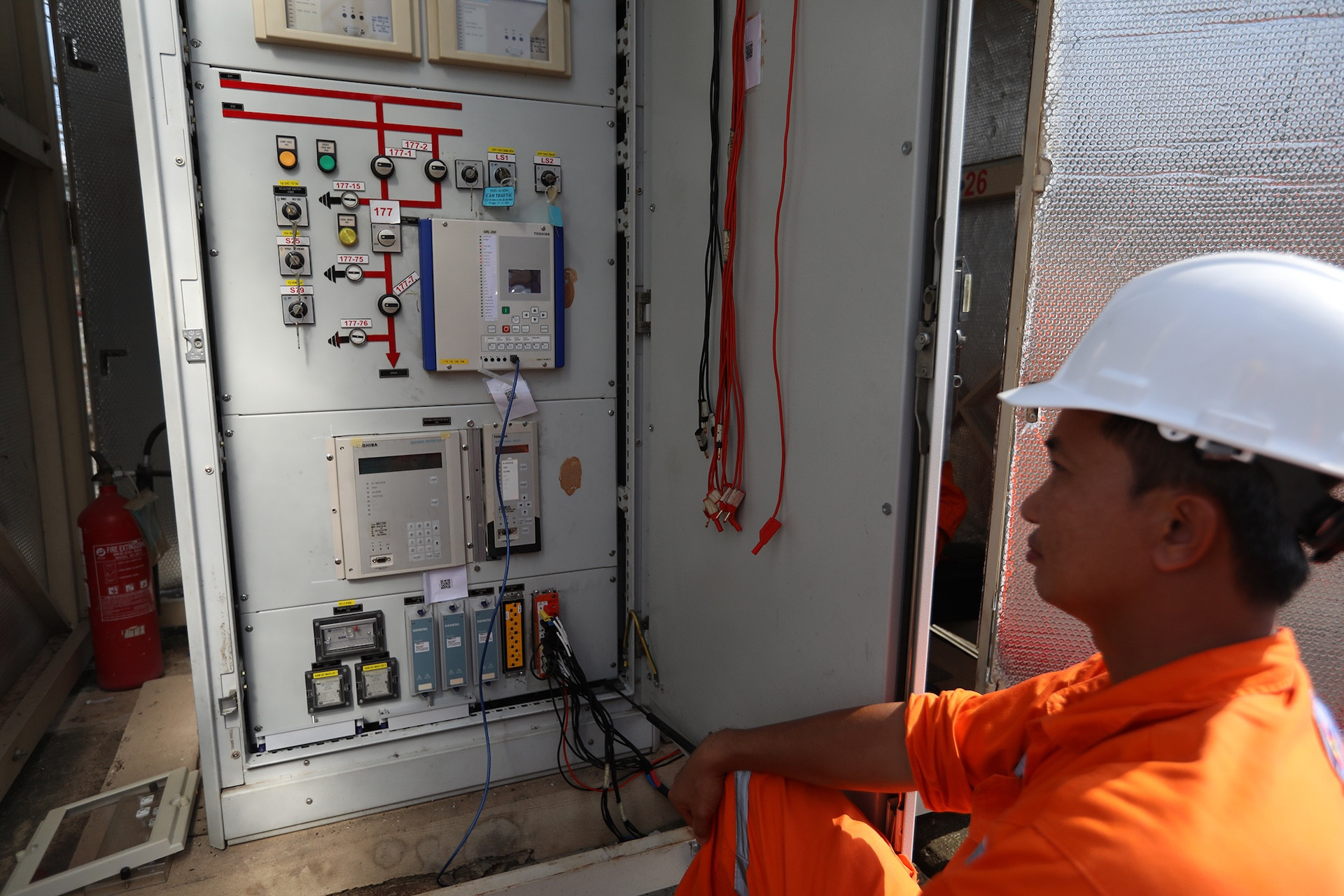
The policy of reducing the average retail electricity price from November 1, 2026, through March 31, 2027, offers support as power bills are a burden on many households, alongside food and their children's education.
According to EVN, around 3 million households, accounting for more than 10 percent of residential electricity users, consume less than 50 kWh a month, with each household's average electricity bill amounting to less than VND5,000 a day. In other words, these 3 million households only use one or two light bulbs for illumination.
Businesses also hope to pay less for electricity, particularly those struggling to cover raw material costs, wages and debt repayments.
If electricity accounts for 10 percent of total operating expenses and the effective unit price decreases by 3 percent, overall business costs would drop by roughly 0.3 percent. Those savings can be meaningful for companies which just make a small profit on revenue.
With the average CPI rising 4.52 percent in the first nine months of 2026, lowering electricity tariffs at this time helps ease broader inflationary pressures, even if consumer goods do not immediately become cheaper. Some businesses need to use these savings first to offset operating losses or service debt.
Meanwhile, EVN's financial performance has improved. According to information disclosed by corporate leadership at a meeting on September 15, estimated eight-month net profit reached VND12.215 trillion, putting the full-year target on track to exceed VND13.500 trillion.
Citizens have paid more for electricity through previous tariff increases. Now that EVN enjoys more favorable operating conditions, public expectation for a tariff reduction is understandable. Regulatory operational mechanisms stipulate that when calculated average retail electricity prices drop by 1 percent or more, EVN must draft a reduction plan for review and approval by the Ministry of Industry and Trade (MOIT).
Electricity pricing becomes even more pertinent as MOIT proposes implementing time-of-use (TOU) tariffs, distinguishing peak, off-peak, and standard hours, for residential consumers once technical conditions are met.
Encouraging consumers to shift electricity usage away from peak hours can relieve grid strain. However, factory workers returning home after shifts must still cook meals, bathe, wash clothes, and care for children. Schoolchildren need desk lamps to study in the evening. These fundamental household needs can hardly be deferred to midnight to capitalize on off-peak rates.
Washing machines can run later, but family dinners must align with work and school schedules. If citizens find it difficult to alter daily routines, peak-hour pricing might inadvertently raise overall bills without significantly reducing power demand during peak system congestion.
Proposing time-of-use rates is a distinct issue from the current average price reduction. However, regardless of the pricing formula adopted, regulators must calculate how much families with limited flexibility to shift consumption hours will end up paying.
Future power sources
However, cutting prices through saving costs is different from cutting prices while input costs rise. It is necessary to show how much EVN can realistically cut.
EVN has to buy electricity from independent power producers, while generation costs depend heavily on fuel prices, exchange rates, and annual rainfall levels. If input costs escalate while retail prices remain static, where will the funds come from to pay power generators, service corporate debt, and continue investment?
EVN's investment plans need VND123.56 trillion for 2026. Beyond developing new generation sources and grid infrastructure, the power sector must maintain and repair operating assets. Postponing maintenance might reduce immediate outlays, but grid failures and outages could trigger far costlier economic damage down the road.
Consumers need to know how much the power sector has saved through better operations, lower transmission and distribution losses, or more efficient procurement. If payments are merely deferred or expenses shifted to the following year, the costs will still remain. It is also necessary to explain whether today's price cuts could lead to compensatory increases later.
Vietnam is targeting double-digit economic growth. As factories expand and services develop, electricity demand will continue to rise. The power sector must stay one step ahead, and maintain reserves for periods of peak demand.
All this work requires substantial capital. EVN and the state budget cannot shoulder the entire burden, while an electricity project may take years to recover its investment. Investors need to know whether the electricity generated can be sold, when they will be paid and whether the project will ultimately be profitable. If these conditions remain uncertain, attracting investment will be difficult.
Tu Giang

