 Vietnamnet.vn

 Podcast



On the afternoon of December 15, the Environmental Police Department under the Ministry of Public Security, in coordination with local agencies, carried out an inspection of a facility located in Dong Hoa Ward, Ho Chi Minh City. The facility is managed by a tourism company and includes two separate locations used for animal confinement.
At the Trung Thang neighborhood location, officials documented the confinement of two yellow-cheeked gibbons (each weighing 3.5–4 kg), two tigers, one leopard, and two Asiatic black bears.
At the second location, in Noi Hoa 1 neighborhood, the same facility was found to be housing ten freshwater crocodiles.
During the inspection, facility representatives failed to present any legal documents proving the origin or legal status of these wild animals.
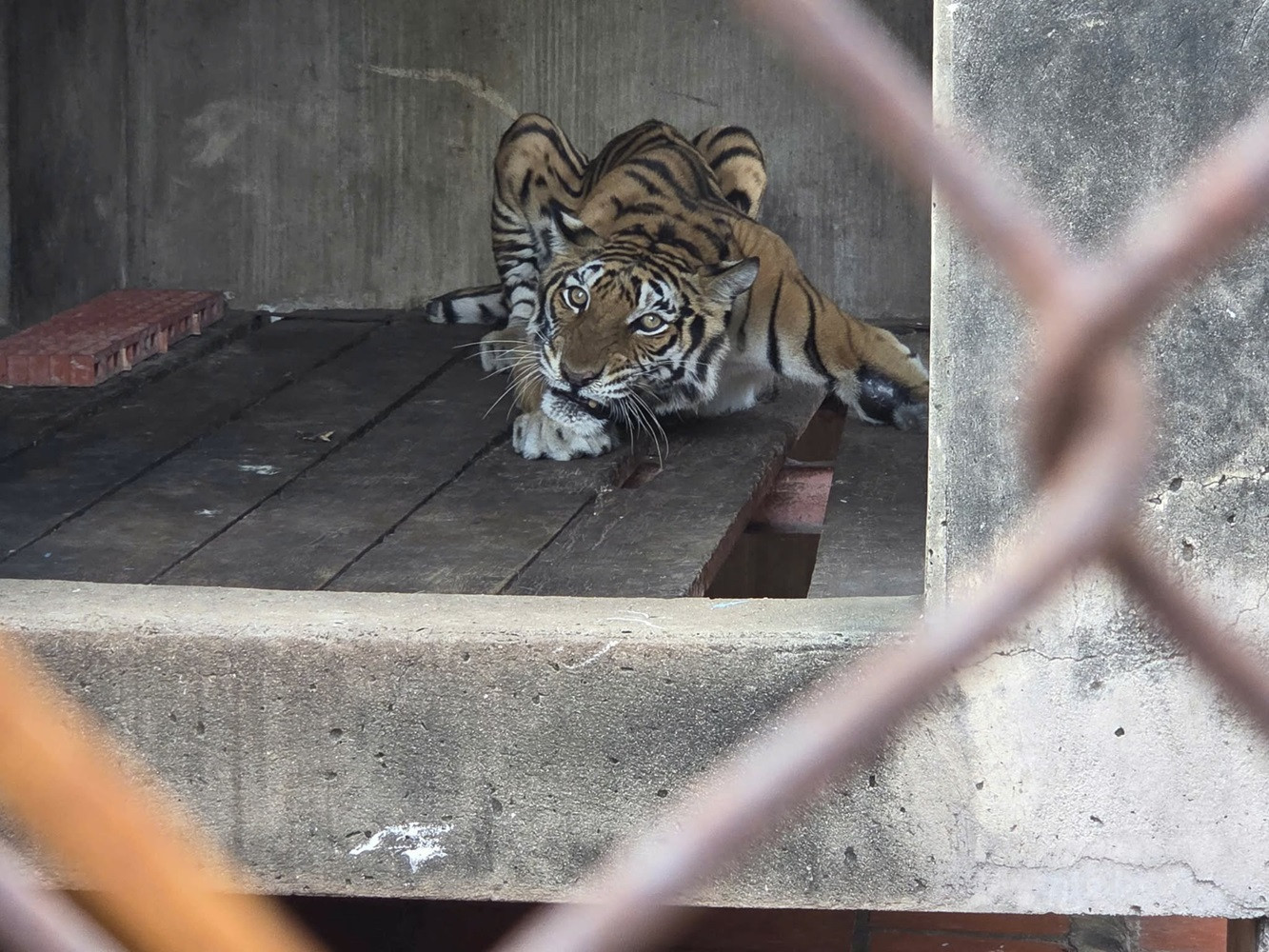
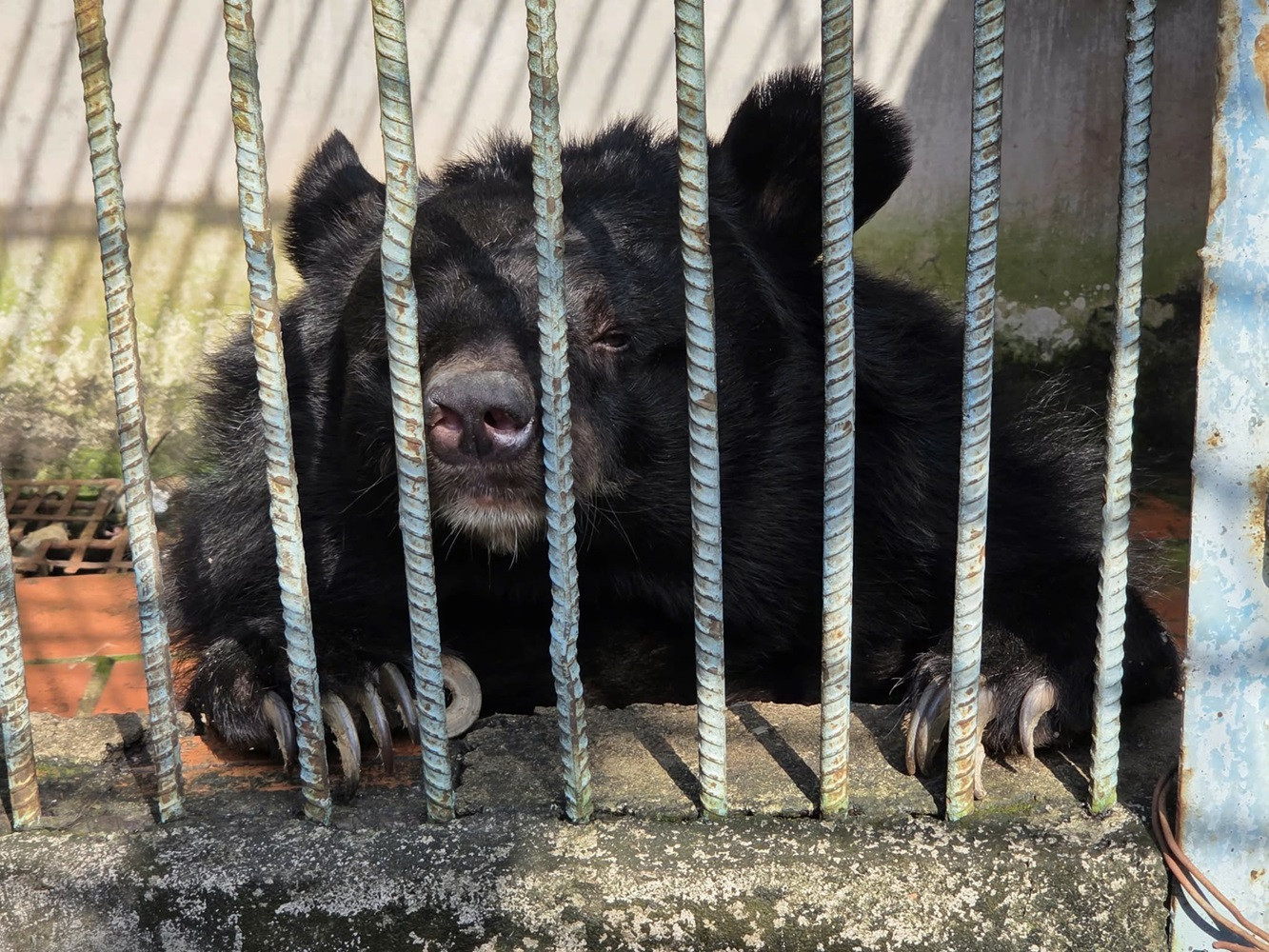
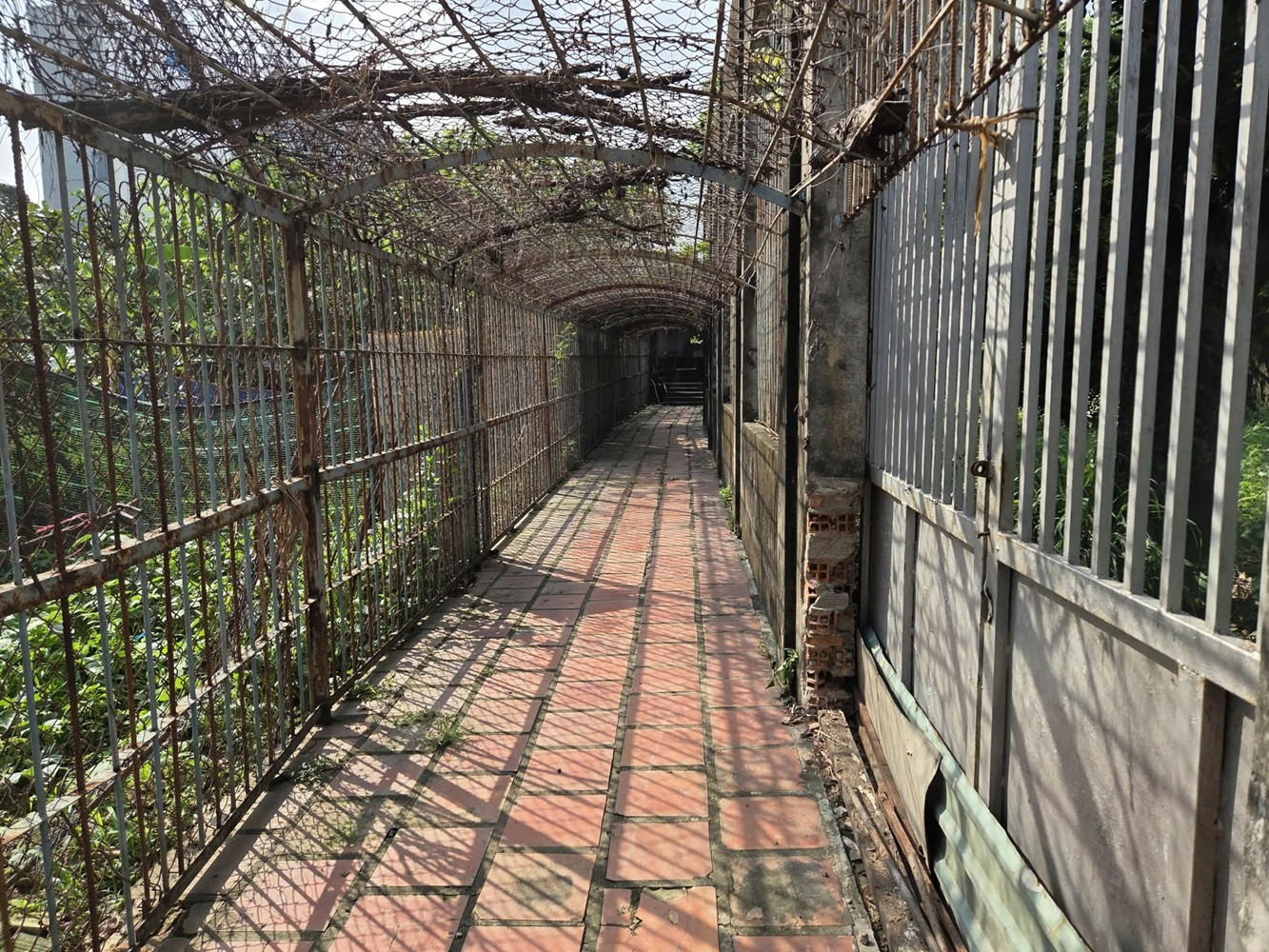
According to the Center for Ecology and Resources under the Institute of Advanced Technology, the gibbons, tigers, leopards, and Asiatic black bears at this location are classified as endangered, precious, and rare wildlife species and are subject to strict protection under Circular No. 27/2025/TT-BNNMT dated June 24, 2025.
As for the crocodiles, authorities stated that further examination of morphological features is necessary to determine the exact species of freshwater crocodile being kept.
The inspection team, in collaboration with the Forensic Technical Division (PC09) of the Ho Chi Minh City Police and the Area 16 People’s Procuracy, conducted an on-site investigation, seized relevant evidence, and initiated legal procedures in accordance with Vietnamese law.
According to official records, the facility has previously housed various wild animals and was once involved in an incident where a tiger escaped its enclosure, causing alarm among local residents.
The Ho Chi Minh City Forest Protection Department confirmed that as of now, the tigers, leopards, and bears at the site remain undocumented, with no official registration or origin records.
Two of the tigers, in particular, are aging and in poor health.
Officials added that in the past, some captive tigers at this facility were sick and eventually died. Their remains were disposed of by the facility, while other animals were voluntarily handed over to authorities - but due to the lack of appropriate receiving institutions, they continued to be kept at the same site.
Xuan An
.svg)
