 Vietnamnet.vn

 Podcast





A place to explore 54 ethnic groups and 16 religions through digital technology
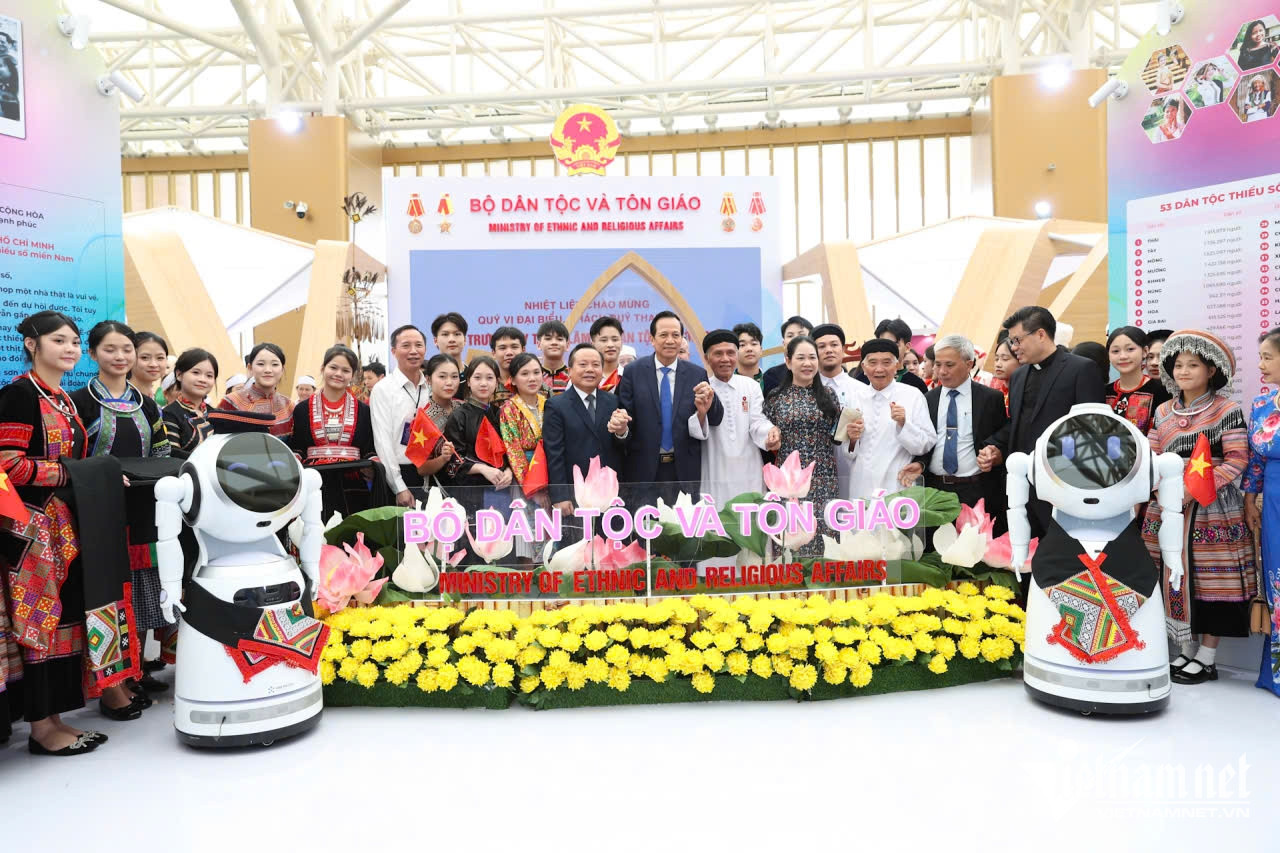
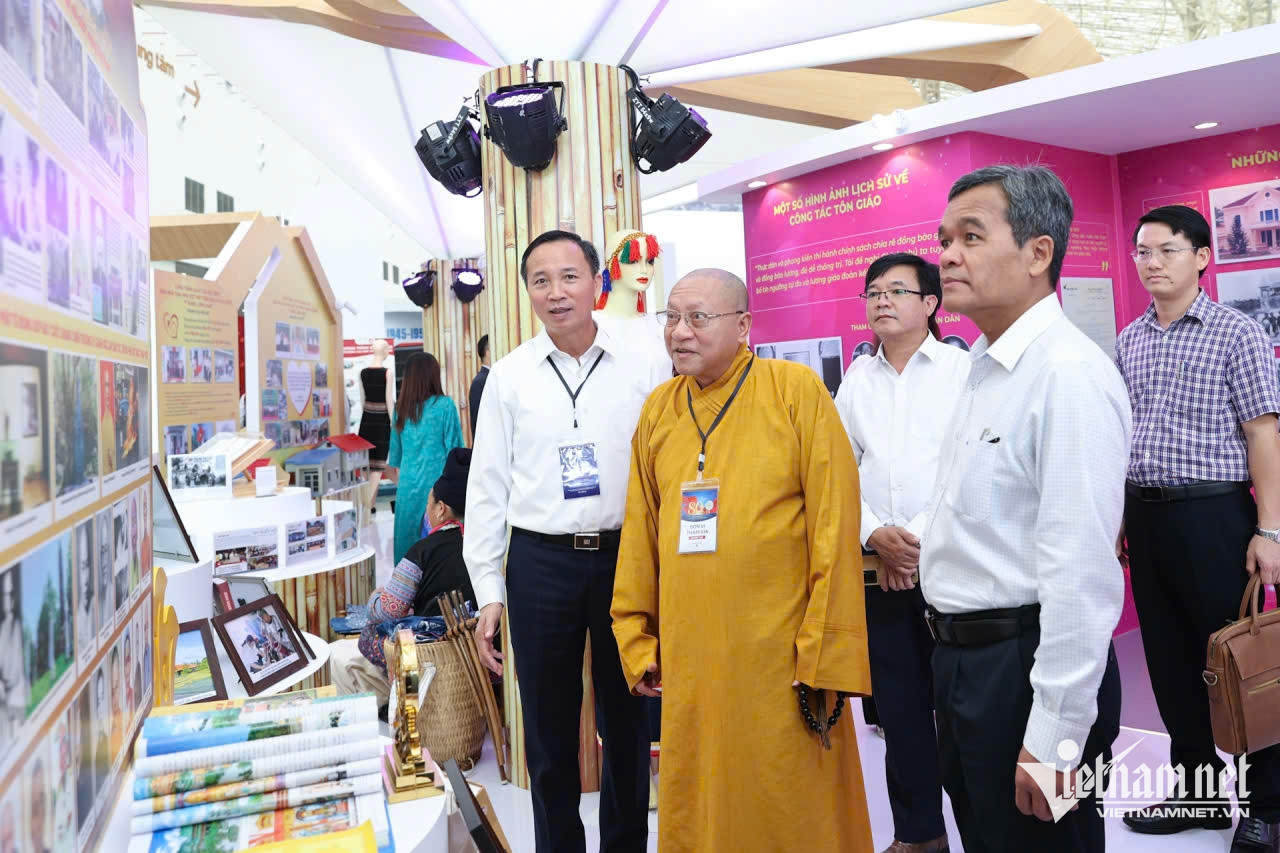
Visitors to the Ministry of Ethnic and Religious Affairs' digital experience space can now explore information about Vietnam’s 54 ethnic groups and 16 major religions without ever leaving the exhibition grounds.
As part of the Exhibition on Socio-Economic Achievements Celebrating the 80th Anniversary of National Day, themed “Radiant Vietnam: 80 Years of Independence - Freedom - Happiness,” the event runs from today until September 5 at the National Exhibition Center in Dong Anh, Hanoi.
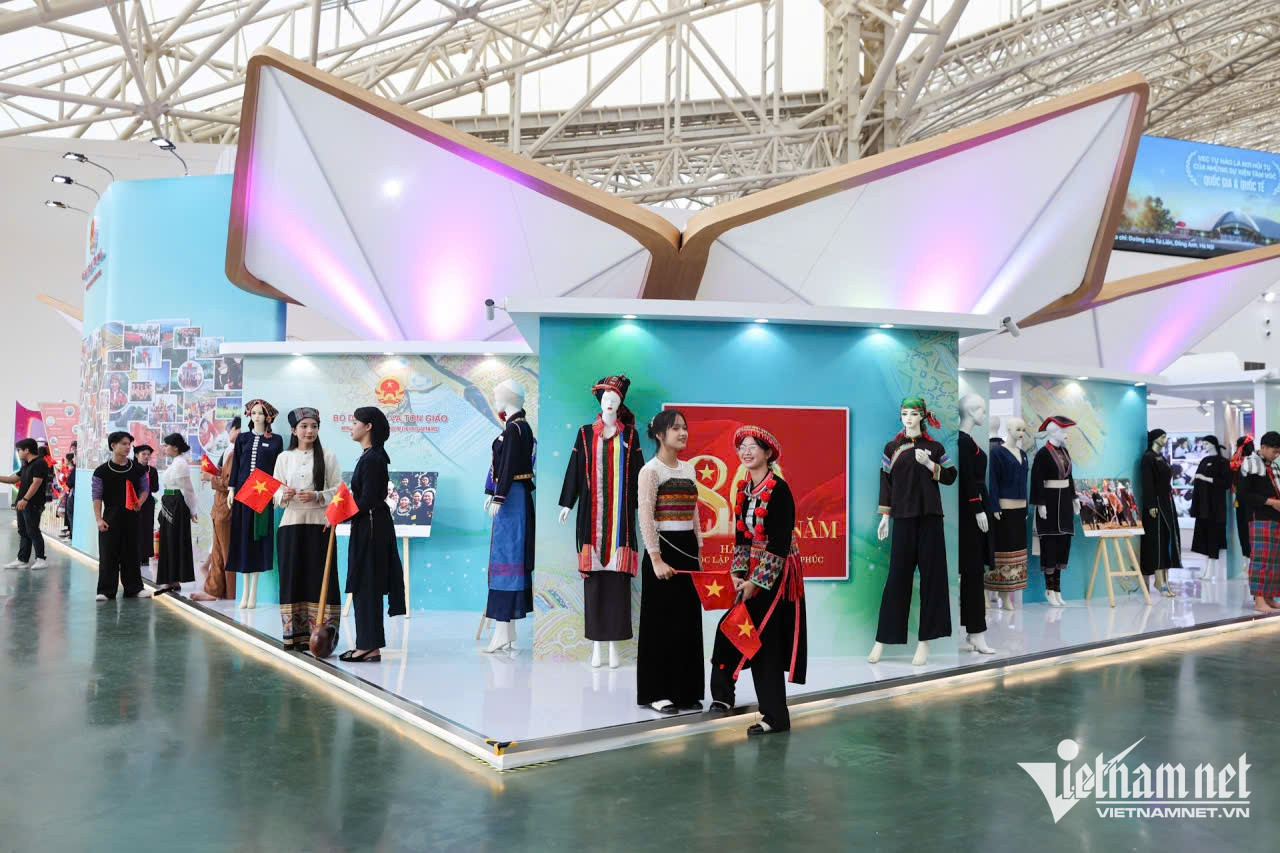
Within the exhibition, the display space organized by the Ministry of Ethnic and Religious Affairs reflects the theme Companionship - Harmony - Development, showcasing the unity among Vietnam’s diverse ethnic and religious communities.
Tran Tuan Anh, Deputy Director of the Department of Information and Education on Ethnic and Religious Affairs, shared that the ministry’s exhibit highlights notable achievements in ethnic and religious policies and the vital contributions of ethnic minorities and religious communities to the country’s socio-economic development over the past 80 years.
The purpose is to inspire patriotism, national pride, and solidarity; to promote Vietnam as a peaceful, stable, multicultural nation that respects freedom of belief and religion; and to highlight the potential of ethnic minority and mountainous regions, encouraging investment from both domestic and international organizations.
Key highlights of the ministry's exhibit include:
The ethnic affairs section presents the history of Vietnam’s revolution in connection with ethnic policies; the roles ethnic communities played in resistance movements and national renewal; outcomes of national target programs for ethnic minority areas; tangible and intangible cultural heritage; customs and traditions of minority groups; and the role of government agencies managing ethnic affairs across historical periods.
The religious affairs section introduces the Party and State’s religious policies, the contributions of religious communities in nation-building and protection, their evolving lifestyles, and major religious landmarks and rituals.
A dedicated section on the Program to Eliminate Makeshift and Dilapidated Housing showcases the Party and State’s care for housing in disadvantaged areas and highlights the achievements of this national initiative - considered a significant project reflecting the unity between the people and the government.
“Throughout the exhibition period, visitors will be able to engage in dynamic activities at the Ministry of Ethnic and Religious Affairs’ space, such as interacting with robots or exploring touchscreens to access information about Vietnam’s 54 ethnic groups and 16 religions,” said a representative of the Department of Information and Education on Ethnic and Religious Affairs.
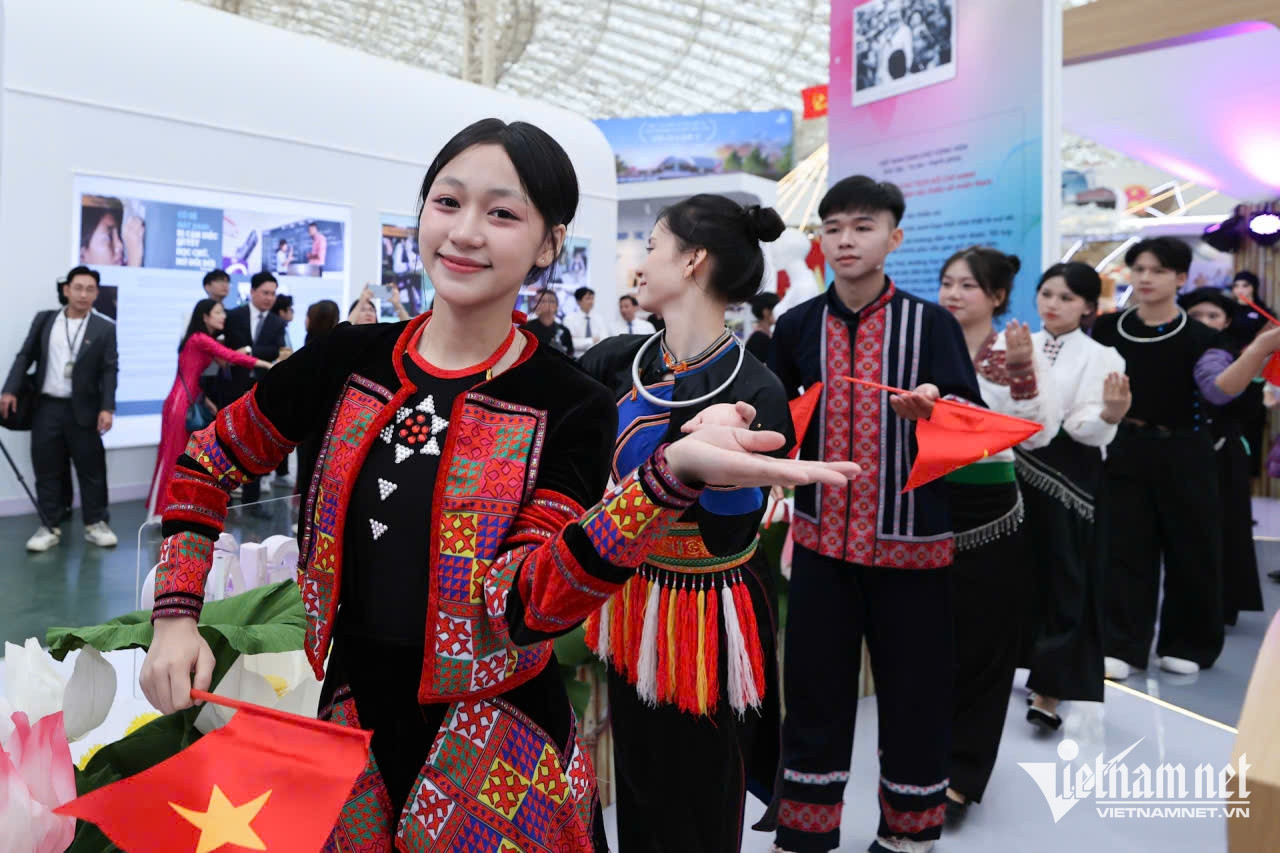
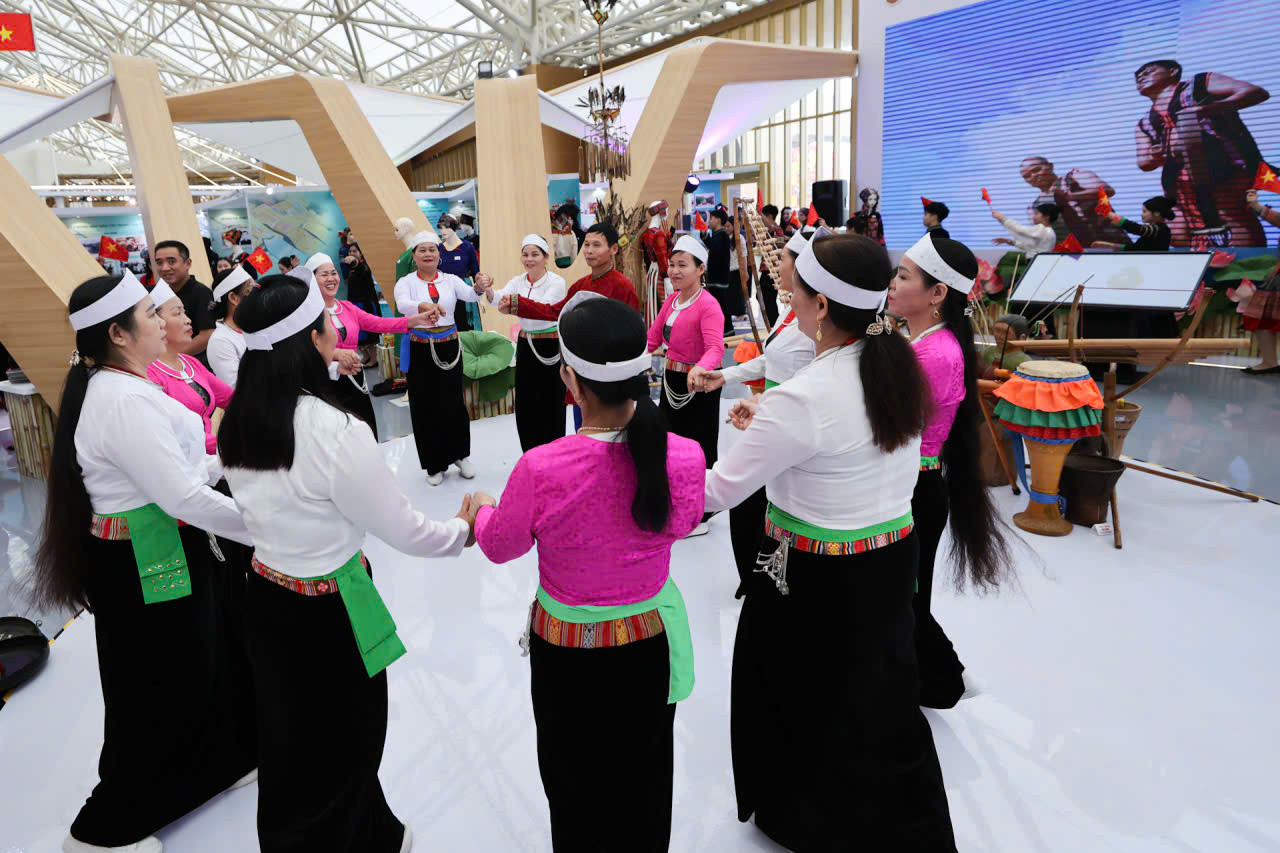
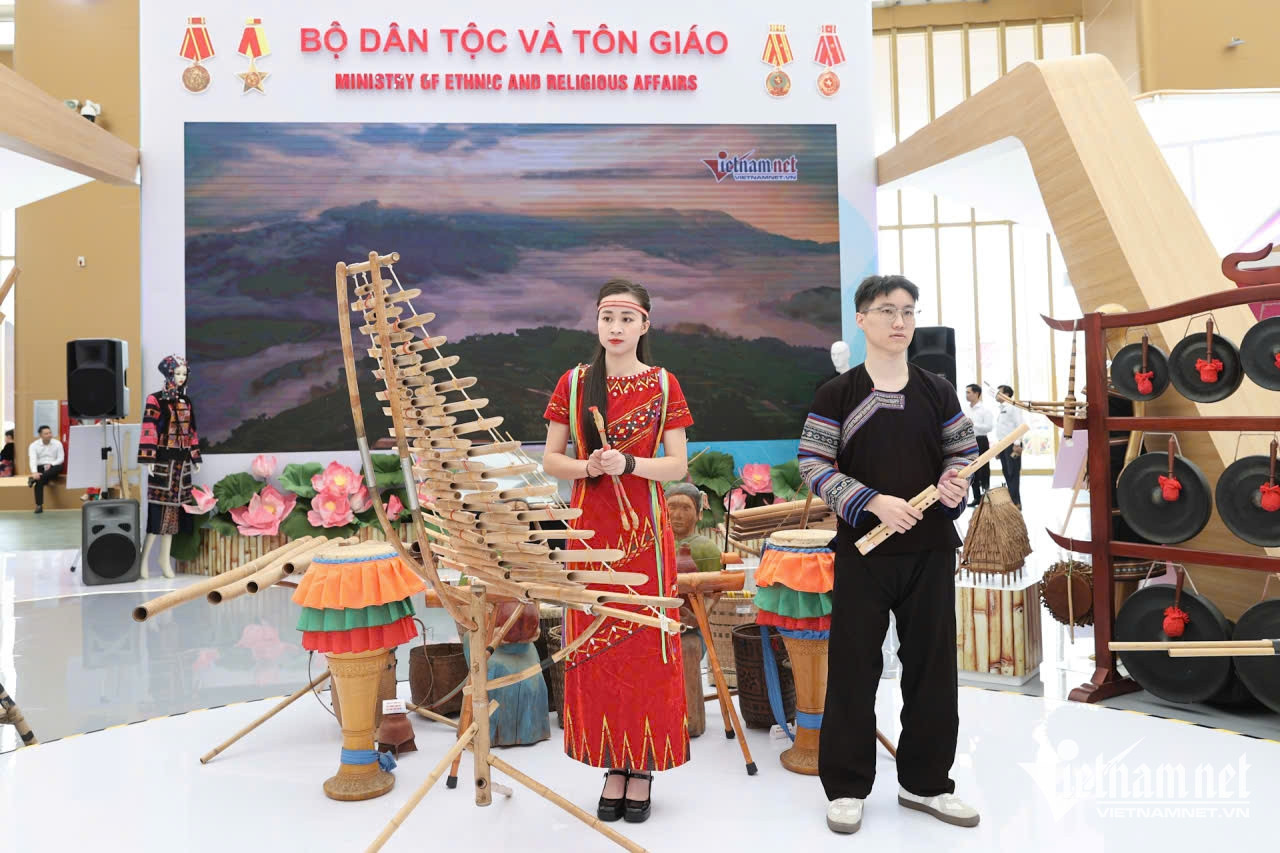
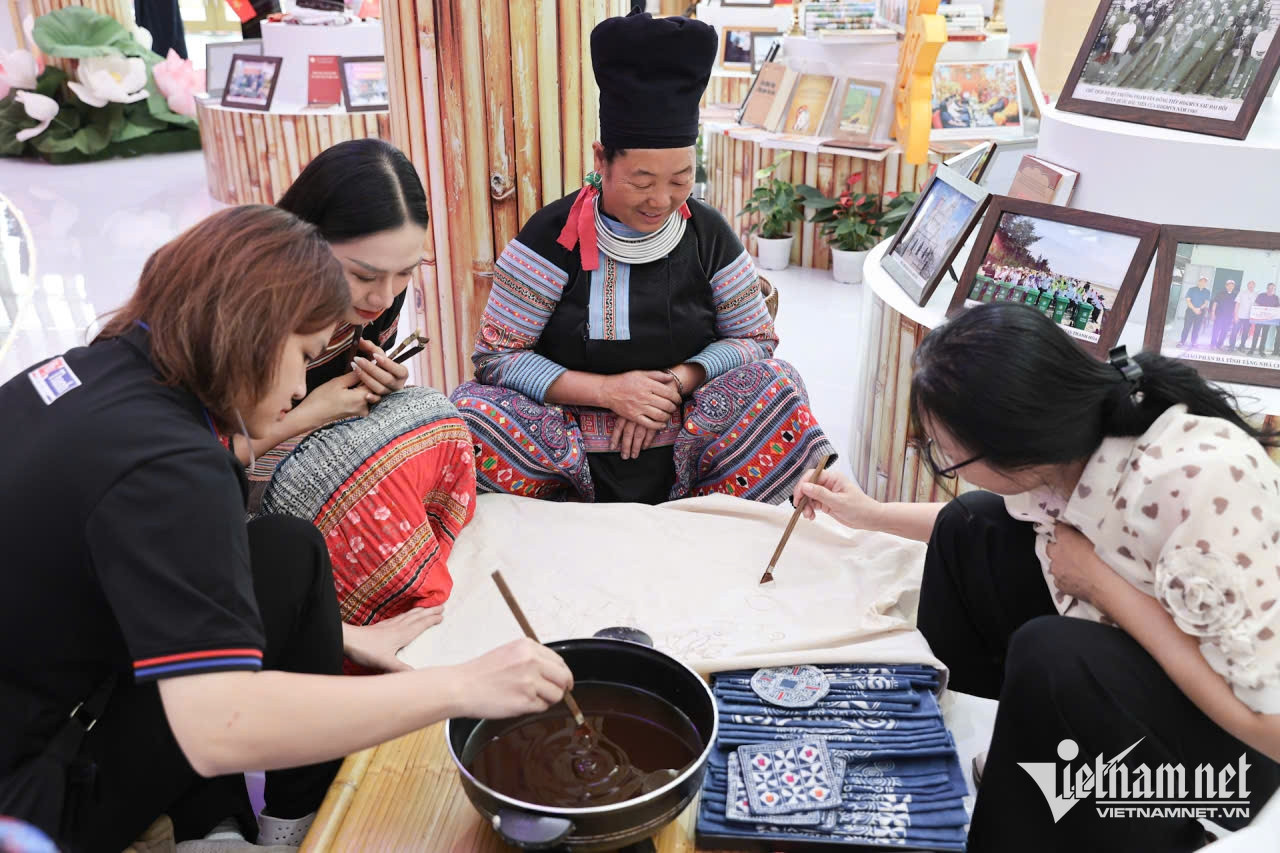
“There will also be cultural performances, traditional costume displays by ethnic minority communities, and opportunities to try playing indigenous musical instruments.”
.svg)
