 Vietnamnet.vn

 Podcast



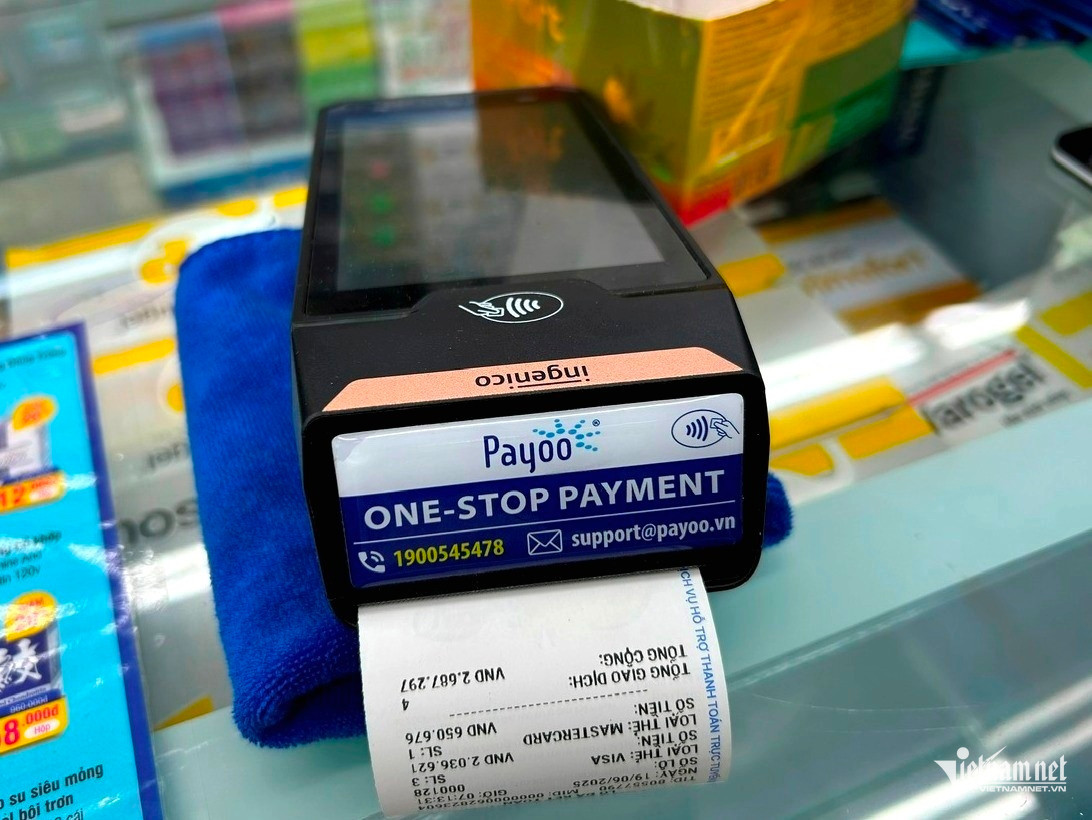
The Ministry of Finance has proposed allowing certain sectors with high transaction volumes to issue consolidated invoices at the end of the day or month. The proposal is included in a draft amendment to Article 9 of Decree No. 123 on invoices and documents, previously amended and supplemented by Government Decree No70/2025.
The move is viewed as demonstrating the authorities’ willingness to listen to feedback from the business community and industry associations.
Le Van Tuan, Director of Keytas Tax Accounting Co Ltd, said the Government's Decree 70/2025, which took effect on June 1, 2025, has revealed many limitations after nearly a year of application.
Requiring businesses to issue a large number of invoices to customers who do not request them has increased compliance and operating costs, while placing pressure on data systems and potentially overloading the tax authority’s e-invoice system.
Under the draft amendment, the policy would focus on fields with high transaction frequency, where most customers are non-business individuals who do not require invoices. These include banking, securities, insurance, e-commerce services, e-wallet money transfers, electricity reconnection services, parking services, cinemas, public bus transport and taxi services.
Accordingly, the basic condition for using summary invoicing would require businesses to have software to manage each transaction in detail for non-business individual buyers.
In the transport sector, for example, businesses must use billing software that contains full trip information, including the name of the transport business unit, vehicle license plate, itinerary (point of departure - destination), trip distance (calculated in km), and the total amount the passenger must pay.
In other words, businesses with software systems that manage and store transparent customer transaction data for revenue reconciliation purposes are permitted to issue summary invoices at the end of the day or month.
Under the draft, businesses would only issue invoices to customers who request them. The system would then automatically aggregate data from transactions for which invoices were issued and generate a consolidated invoice for the remaining transactions.
Notably, e-commerce services, including postal activities and direct shipping for e-commerce platforms, are also among the groups to be permitted to issue summary invoices at the end of the day or month.
“This will be positive news for sellers operating on e-commerce platforms with integrated payment functions, where taxes are withheld and remitted by the platform, and where detailed transaction control systems are already in place. They could issue invoices at the end of the day or month instead of for each individual transaction as currently required,” Tuan said.
Proposal to broaden application
Tuan noted that the draft decree is expected to take effect from the date of signing and may include retroactive provisions to the effective date of Decree 70. This would help businesses that have not yet adjusted their IT systems to comply with per-transaction invoicing requirements avoid administrative penalties for past transactions.
Previously, under Decree 123/2020, certain specific businesses were allowed to issue consolidated invoices at the end of the day. Allowing this practice to continue would significantly reduce the number of invoices issued to non-business individuals, thereby lowering operating, invoicing and tax compliance costs for enterprises, he said.
According to Tuan, the draft decree also sets an important precedent by establishing basic conditions that could allow future expansion to other types of businesses, provided they meet data control and transparency requirements.
“What we are aiming for is transparent data and full tax compliance. The Ministry of Finance could consider extending this policy to businesses whose data control systems are periodically reported, whose data are managed by independent third parties, or where enterprises cannot interfere with their sales and service data. In that case, consolidated invoicing at the end of the day or month would benefit both businesses and tax authorities,” Tuan suggested.
According to the drafting agency, the above regulation does not introduce new legal liabilities for existing acts, nor does it impose heavier legal responsibilities. Instead, it facilitates businesses by easing the burden of increased compliance costs in cases where they have not yet fully met the invoicing requirements under current regulations.
Nguyen Le
.svg)
