 Vietnamnet.vn

 Podcast



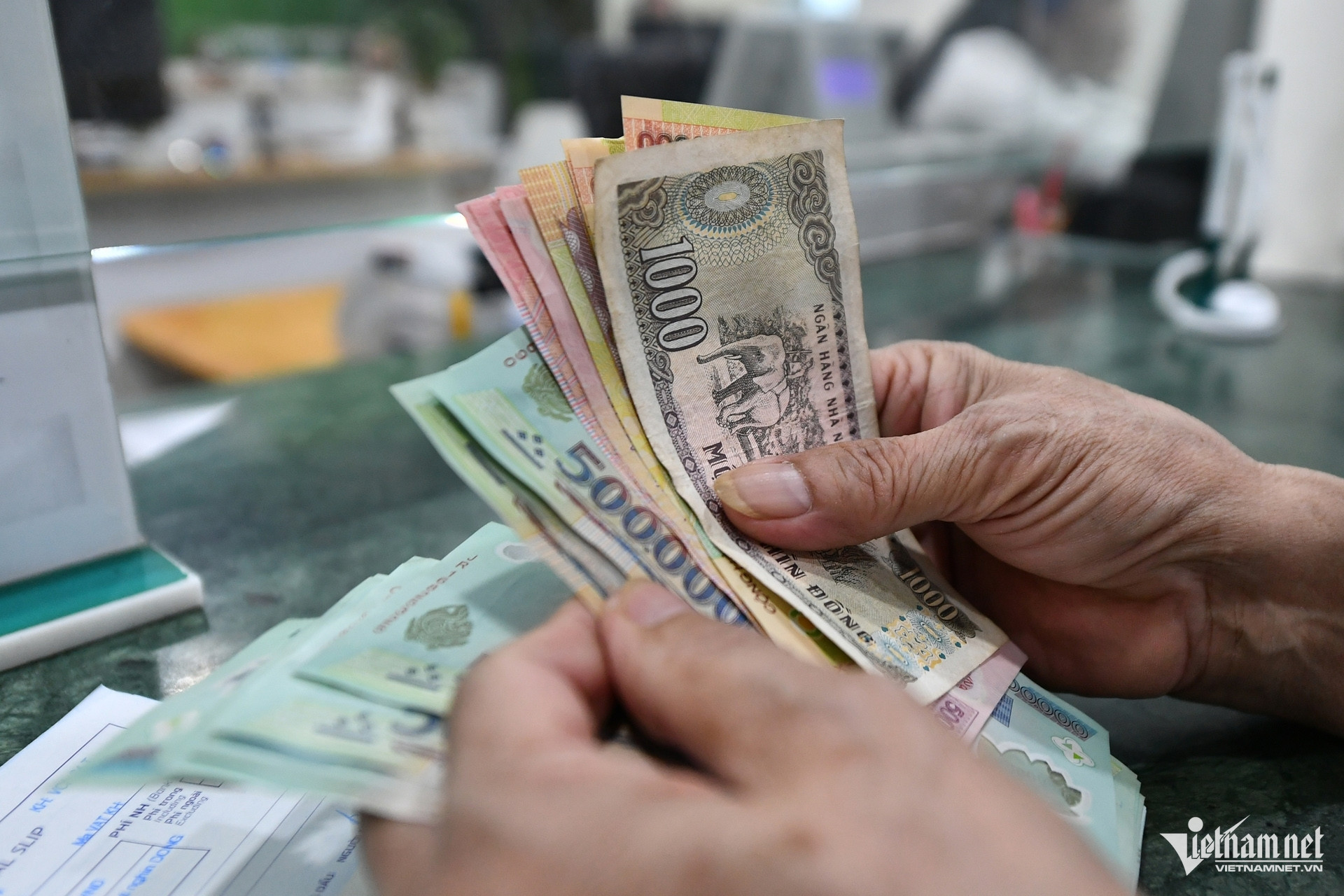
The ministry said it plans to upgrade its technology systems to shorten the time required to remove travel suspension orders, with the long-term goal of processing cancellations in real time.
Travel suspension rules apply to four groups
According to the Ministry of Finance, a review of tax administration data showed that the individuals mentioned in media reports had been subject to temporary travel suspension measures since 2023 because they served as legal representatives of companies with outstanding tax liabilities.
The companies had ceased operating at their registered addresses but failed to complete the required notification procedures with business registration authorities and tax agencies as stipulated by law.
In April 2024 and April 2025, Ho Chi Minh City’s tax authority issued decisions to cancel the travel suspension measures immediately after the individuals fulfilled their tax obligations.
The ministry argued that some reports did not fully reflect the facts of the case or the actions taken by tax authorities. It emphasized that tax agencies had proactively issued warnings, publicly disclosed relevant information and promptly lifted travel restrictions after taxpayers met their obligations.
According to the ministry, temporary travel suspension measures are regulated under the Law on Tax Administration No. 38/2019/QH14 and were further amended under Law No. 56/2024/QH15.
Based on these legal provisions, the government issued Decree No. 49/2025/ND-CP on February 28, 2025, establishing specific thresholds for applying travel suspension measures to different categories of taxpayers.
The regulation applies to four groups.
The first group includes individual business operators and household business owners subject to tax enforcement measures who owe at least VND50 million ($1,930) in taxes and are more than 120 days overdue.
The second group includes legal representatives of companies, cooperatives and cooperative unions under tax enforcement measures with tax debts of at least VND500 million ($19,300) that are more than 120 days overdue.
The third group covers individual business operators, household business owners and legal representatives of enterprises, cooperatives and cooperative unions that are no longer operating at their registered addresses and still have overdue tax debts. Travel suspension measures may be applied if tax obligations remain unpaid 30 days after official notification.
The fourth group includes Vietnamese citizens emigrating abroad, overseas Vietnamese and foreign nationals leaving Vietnam who have overdue tax obligations that have not been settled.
For businesses and household businesses that are actively operating, Decree No. 49/2025 establishes minimum debt thresholds before travel suspension measures can be imposed.
However, no minimum threshold applies to entities that have abandoned their registered addresses. The ministry considers this category to pose a high tax compliance risk because such entities may also be associated with other violations, including failure to submit tax declarations, failure to provide accounting records, illegal invoice transactions, tax evasion, tax appropriation and abandonment of business premises without notification.
According to the Ministry of Finance, similar travel restriction measures for tax debtors are used in several jurisdictions, including the United States, China, Indonesia, Malaysia, India, the Philippines and Taiwan. The ministry therefore considers Vietnam’s regulations consistent with international practice.
Real-time removal of travel suspension orders planned
The Ministry of Finance said tax authorities have implemented a range of measures to improve compliance, including public awareness campaigns, direct communications with taxpayers and disclosure of travel suspension information through official portals and the eTax Mobile application.
Tax authorities have also expanded information technology solutions to help taxpayers check registration details, tax obligations and outstanding debts.
In parallel, tax and immigration authorities have established electronic data-sharing systems to exchange information regarding both travel suspension orders and their cancellation.
According to government data, tax authorities have issued travel suspension notices for approximately 105,000 legal representatives of businesses and household business owners associated with nearly VND61 trillion ($2.35 billion) in outstanding tax liabilities.
Of those, around 65,000 legal representatives and business owners who were no longer operating at their registered addresses accounted for more than VND6.9 trillion ($266 million) in unpaid taxes.
To date, tax authorities have recovered tax debts from more than 13,000 taxpayers, totaling over VND4 trillion ($154 million).
Among them, approximately 7,100 taxpayers who had ceased operating at their registered addresses proactively contacted tax authorities, settled nearly VND100 billion ($3.86 million) in tax liabilities and subsequently had their travel suspension orders lifted.
The Ministry of Finance said the measure has proven effective in improving legal compliance, strengthening tax administration and creating a more transparent and equitable business environment.
During May, the ministry instructed the General Department of Taxation to work with the Immigration Department under the Ministry of Public Security to develop upgraded information technology systems capable of processing the cancellation of travel suspension orders as quickly as possible, ultimately in real time once tax obligations have been fulfilled.
The ministry added that it will continue refining the decree guiding the Law on Tax Administration, with a revised version expected to be submitted to the government in June 2026. The changes will seek to preserve the effectiveness of Decree No. 49/2025 while introducing adjustments to covered subjects, scope and taxpayer support measures, particularly for non-business households and individuals.
Nguyen Le
.svg)
