 Vietnamnet.vn

 Podcast



From a small-scale traditional livelihood, beekeepers living in the buffer zone of Phong Nha - Ke Bang National Park have successfully built the "Phong Nha Honey" brand, increasing the value of their products and generating annual cooperative revenue of more than VND1 billion (US$38,000).
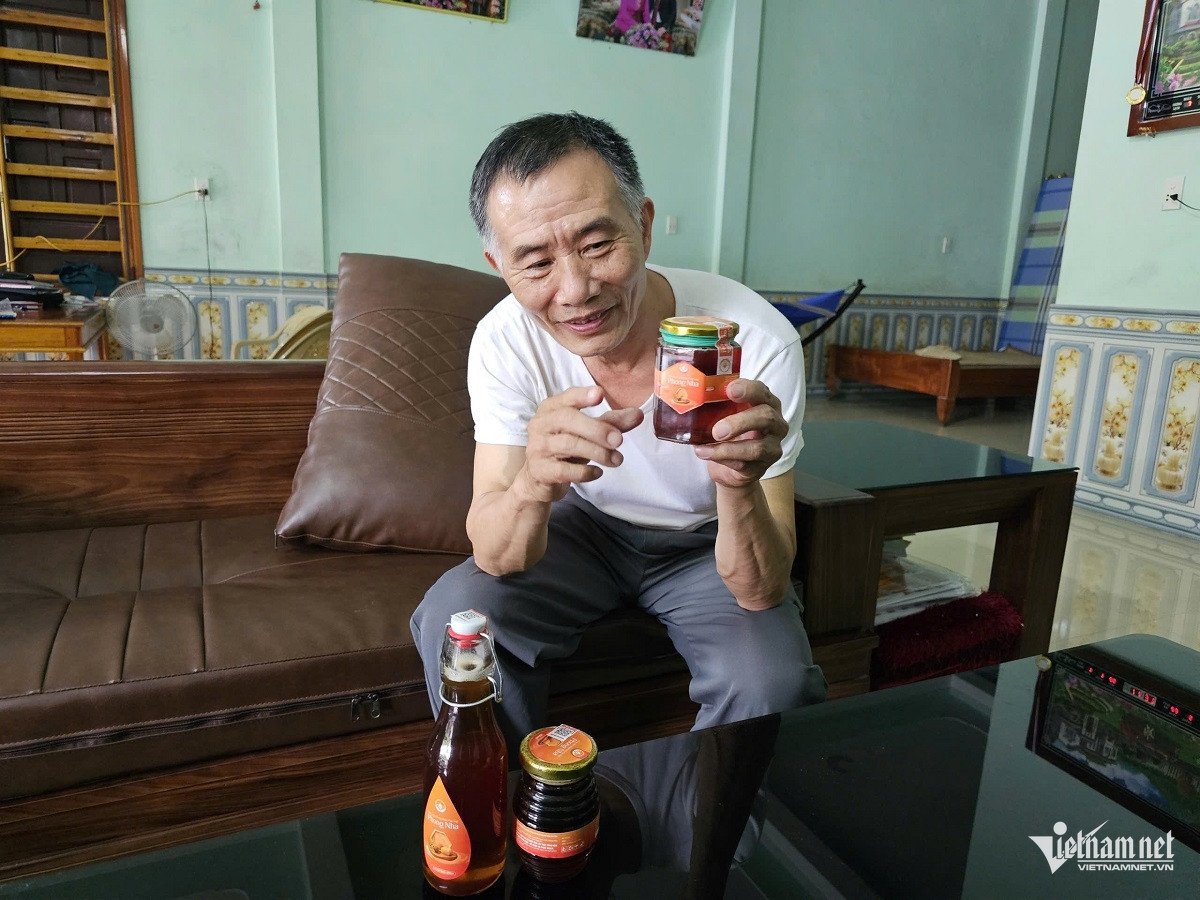
Beekeeping has been practiced for many years in the communes of Phong Nha, Nam Trach and Thuong Trach in Quang Tri Province. However, production was traditionally based on experience, with small-scale operations selling raw honey, limiting its commercial value despite strong natural potential.
Recognizing that beekeeping suits local environmental conditions, requires relatively low investment, carries limited risk and provides stable income, local authorities encouraged residents to form cooperatives and producer groups.
The cooperative model has enabled beekeepers to access modern production techniques, improve quality control, develop a regional brand and expand market opportunities.
In October 2021, the Phong Nha - Ke Bang National Park Buffer Zone Beekeeping Cooperative was established with 18 members and 180 beehives.
Since its launch, the cooperative has adopted improved beekeeping techniques, including regularly replacing queen bees, introducing higher-yield bee strains and standardizing honey harvesting procedures.
As a result, annual honey production increased from 1,440 liters in 2021 to more than 3,000 liters in 2025, equivalent to approximately 4.2 metric tons.
With honey selling for around VND400,000 (US$15) per liter, the cooperative now maintains 14 active members and generates annual revenue exceeding VND1 billion (US$38,000).
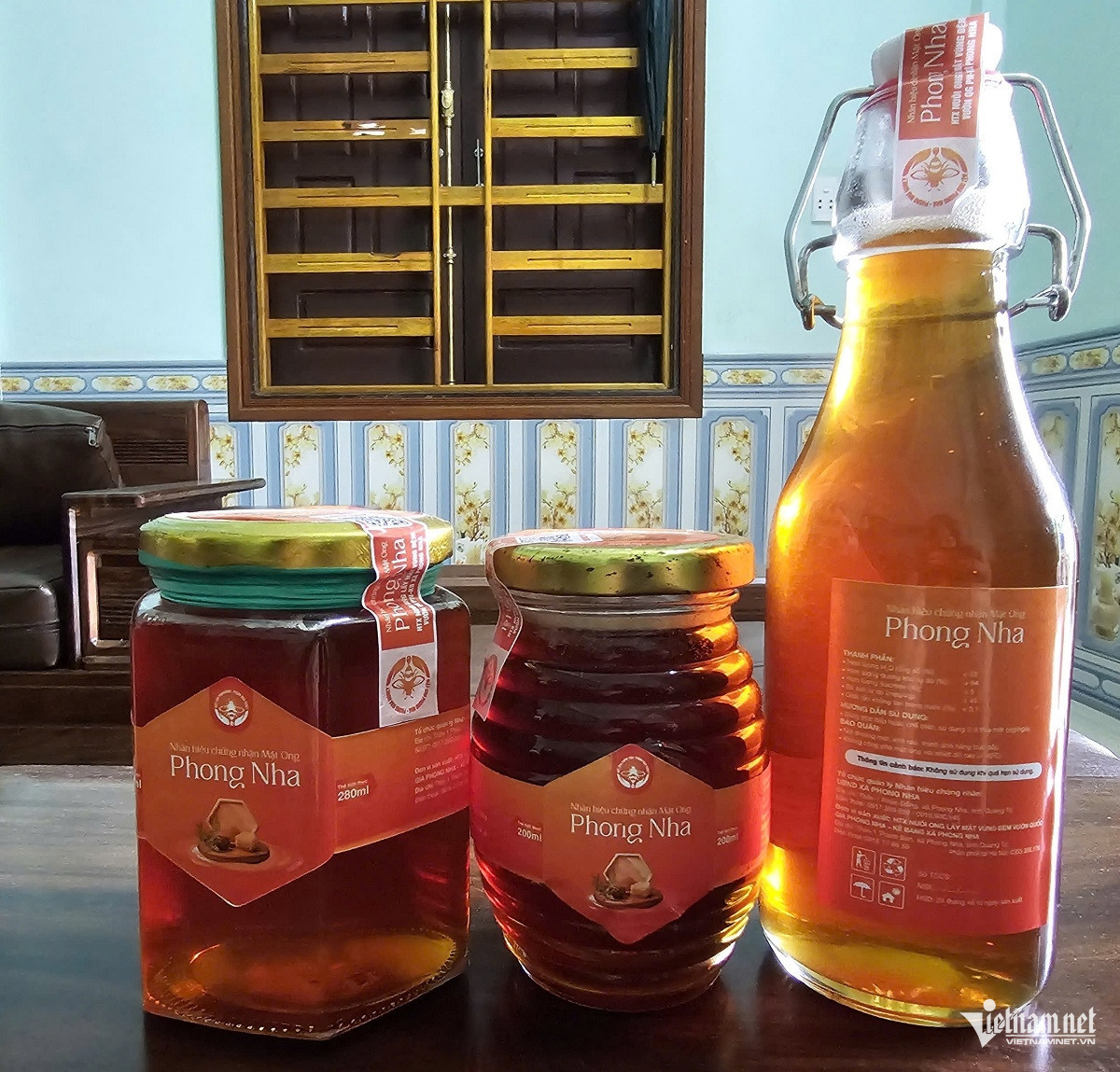
Today, beekeeping in the buffer zone has expanded to include three cooperatives, one producer group and numerous individual households, creating jobs and improving incomes for rural communities, particularly those living close to the forest.
According to Nguyen Tien Dung, director of the cooperative, bees are extremely sensitive to environmental conditions.
Even the smell of pesticides, fuel, paint, fabric softener or other chemicals can cause bee colonies to abandon their hives or leave the area altogether.
To maintain healthy colonies, beekeepers regularly clean hive frames, replace queen bees each year, provide supplemental feeding during winter and closely monitor disease.
Honey extraction equipment is also kept separate for each household to reduce the risk of disease spreading between colonies.
The honey harvest season runs from the second to the seventh lunar month.
After that period, harvesting stops to allow colonies to recover and build food reserves for the following season.
On average, each hive produces about one liter of honey per extraction, with harvesting typically taking place twice a month during peak flowering periods.
The distinctive character of Phong Nha Honey comes from its production environment in the buffer zone surrounding Phong Nha - Ke Bang National Park, where approximately 92% of the area remains covered by primary forest.
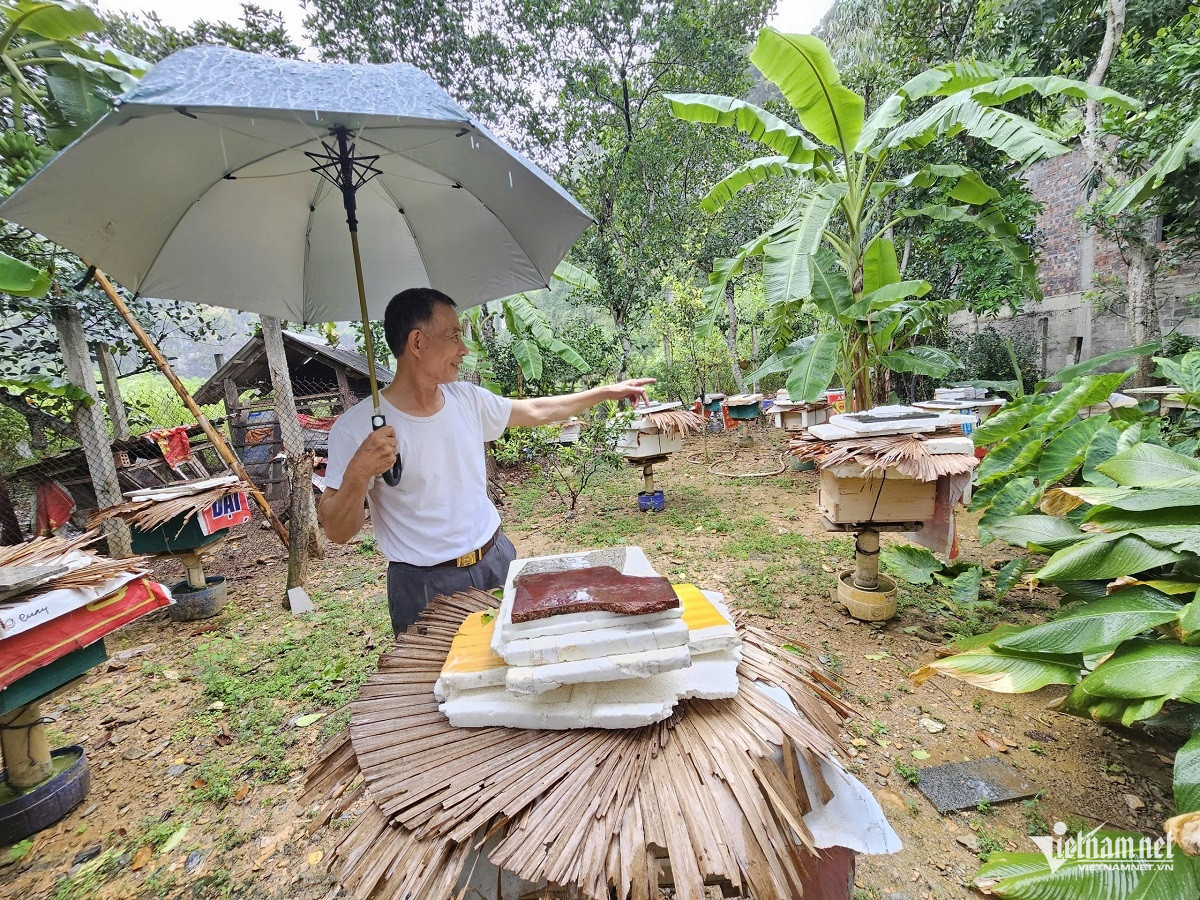
A rich diversity of nectar and pollen from wild forest flowers - including morning glory, dau da, hoa ruou, hoa no, eucalyptus blossoms and various fruit trees - gives the honey its unique flavor profile.
Thanks to these natural floral sources, Phong Nha Honey has a light golden color, a distinctive aroma and a delicate sweetness that has earned strong consumer recognition.
The cooperative's products have been laboratory tested, certified under Vietnam's three-star OCOP (One Commune One Product) program, and now feature standardized packaging, labeling and product traceability codes.
In 2022, the provincial Department of Science and Technology began developing the "Phong Nha Honey" certification trademark under Vietnam's National Intellectual Property Development Program.
In April 2026, Vietnam's Intellectual Property Office officially granted trademark protection for the certified regional brand.
According to Phan Hai Ha, chairman of the Phong Nha Commune People's Committee, trademark certification provides an important legal foundation for managing and developing the brand while increasing the product's market value.
In the coming years, local authorities will work with neighboring communes in the buffer zone to authorize eligible cooperatives, businesses and producers to use the certification mark.
They also plan to promote Phong Nha Honey alongside tourism linked to the Phong Nha–Ke Bang UNESCO World Heritage Site.
Once sold primarily as an unbranded raw product, Phong Nha Honey is now steadily establishing itself in the marketplace, creating a more sustainable future and greater value for beekeeping communities living on the edge of the forest.
Hai Sam
.svg)
