 Vietnamnet.vn

 Podcast



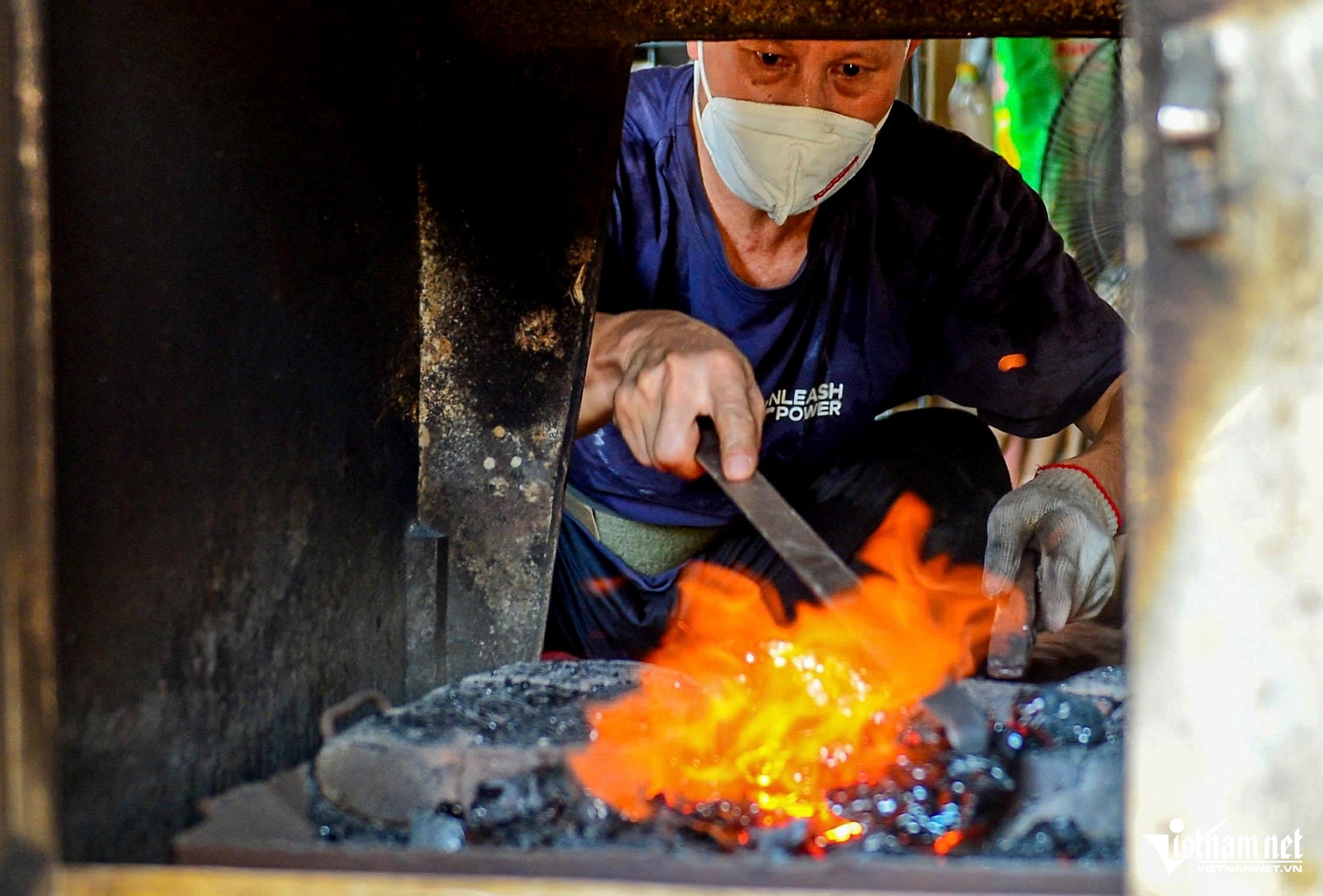
As summer begins, temperatures across Thanh Hoa have remained persistently high, at times approaching 40°C. While many people seek ways to escape the heat, blacksmithing households in Trieu Loc commune continue working tirelessly beside red-hot furnaces where temperatures can soar beyond 1,000°C.
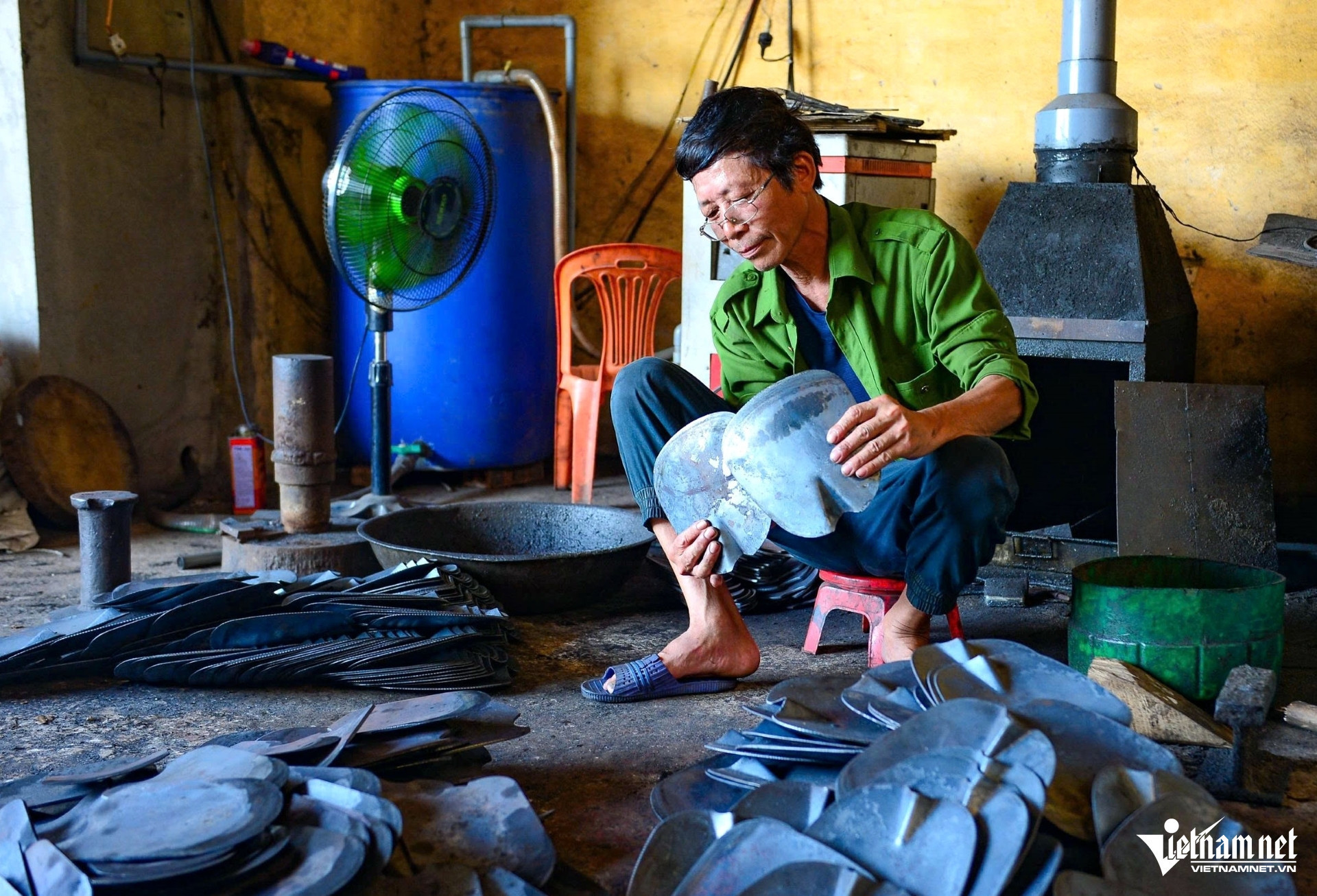
Today, many families in Trieu Loc still make their living through blacksmithing, producing handmade agricultural tools and household implements.
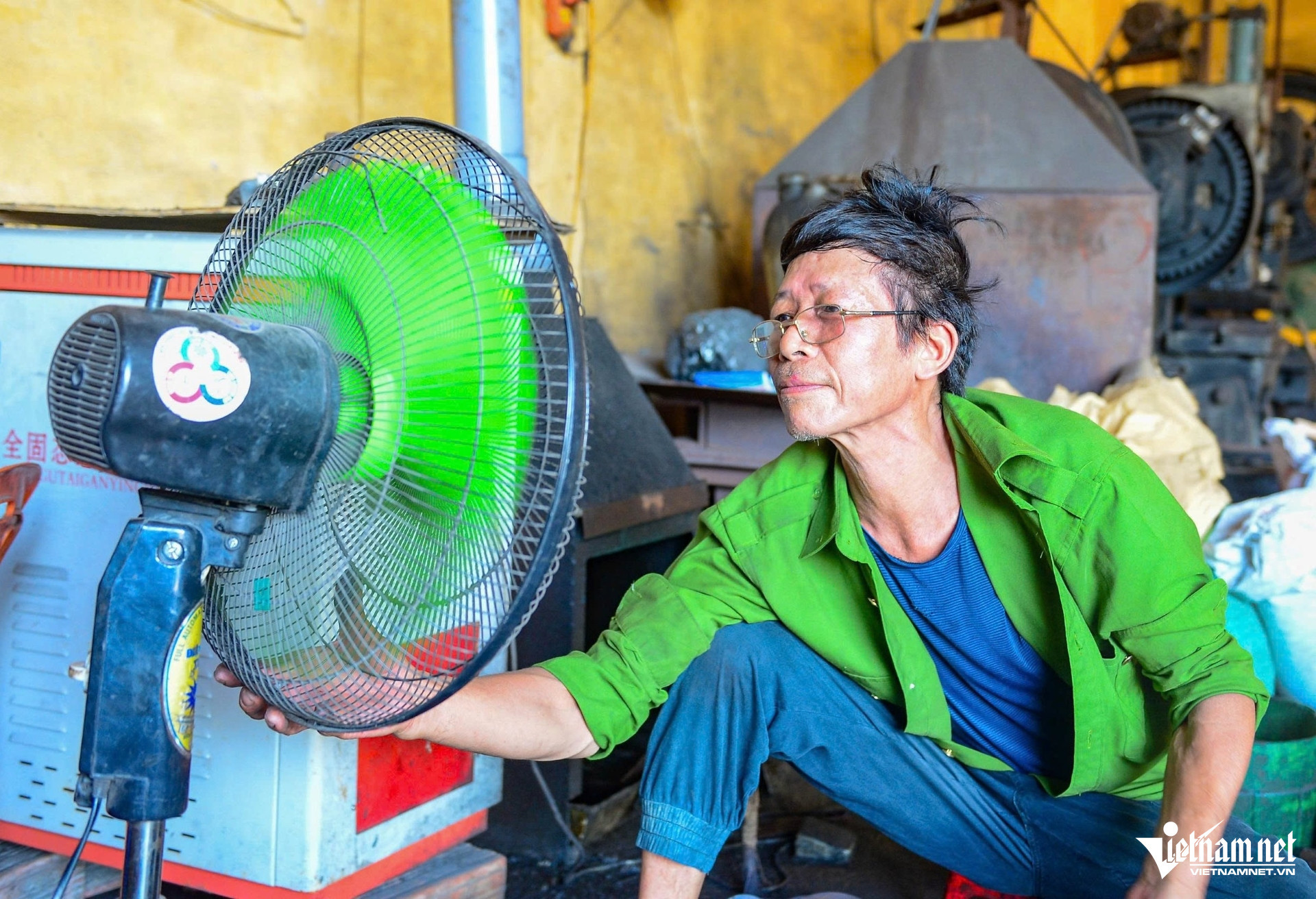
Pham Tri Hung, 65, who has spent more than four decades in the trade, said summer is always the most challenging season for forge workers.
“It's already hot on normal days. When the sun is blazing, standing beside the furnace feels like sitting in front of a giant fire. The temperature inside can exceed 1,000°C to heat iron and steel. Sweat pours constantly, but we still have to stay focused because even a small mistake can ruin a product or cause injury,” Hung said.
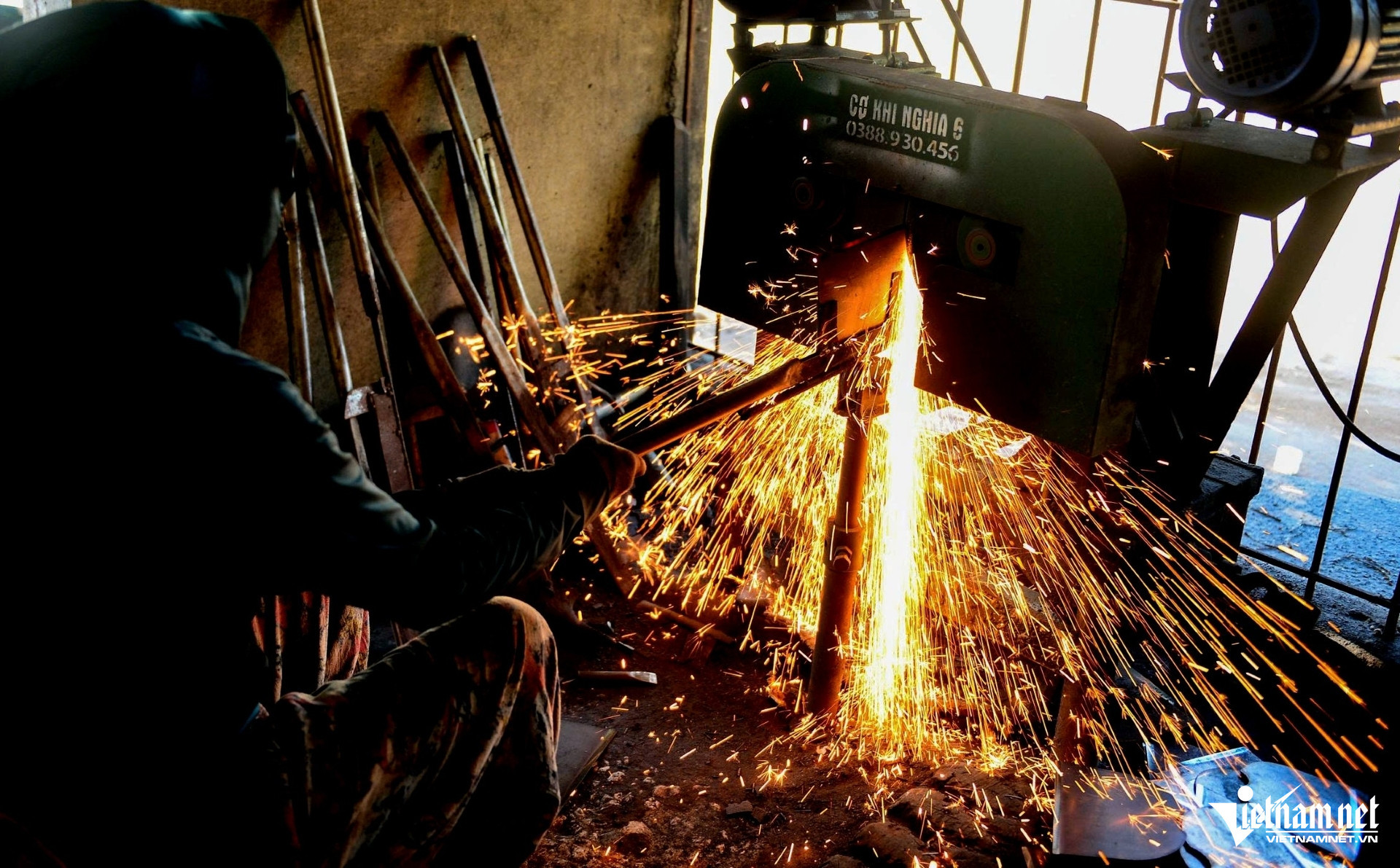
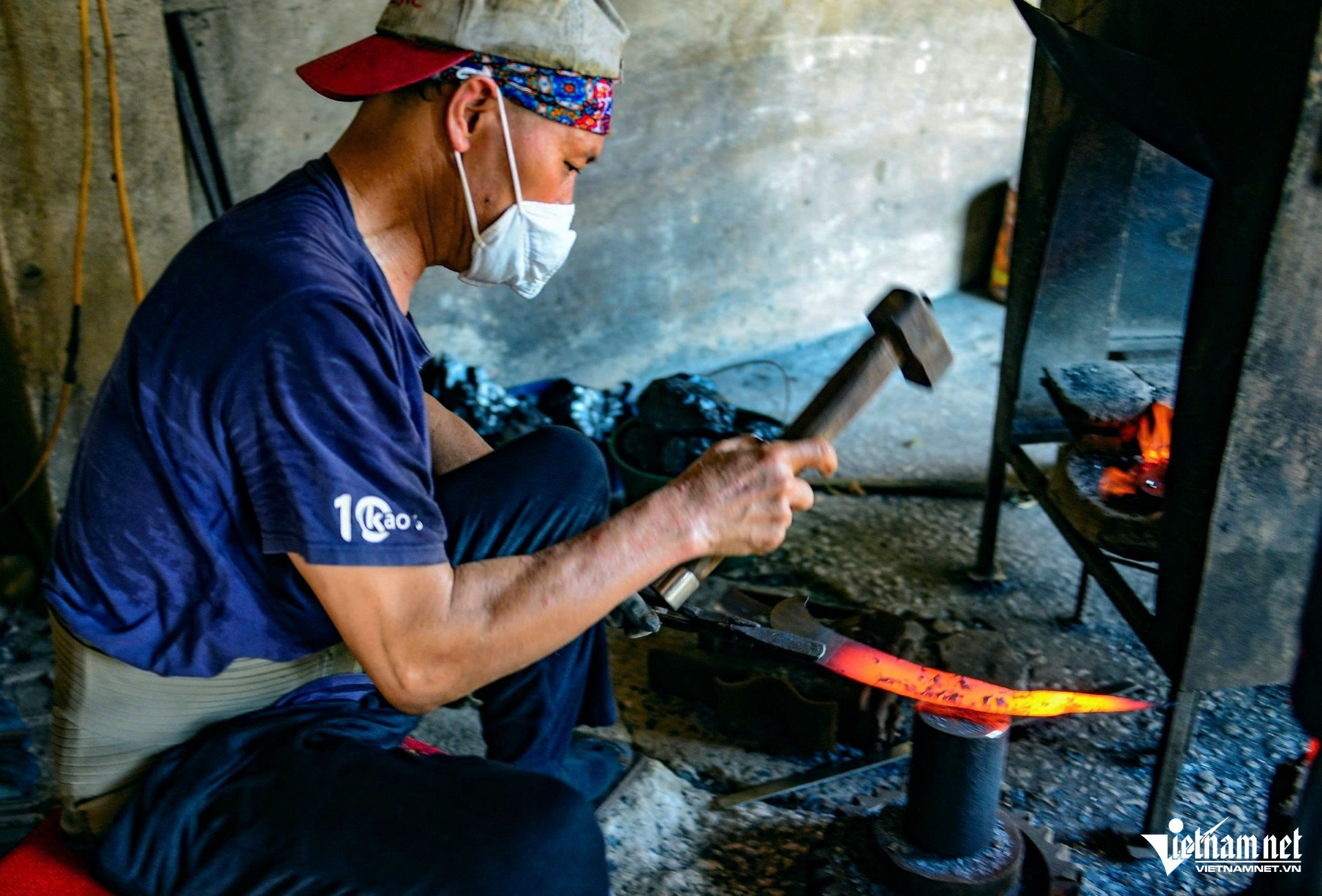
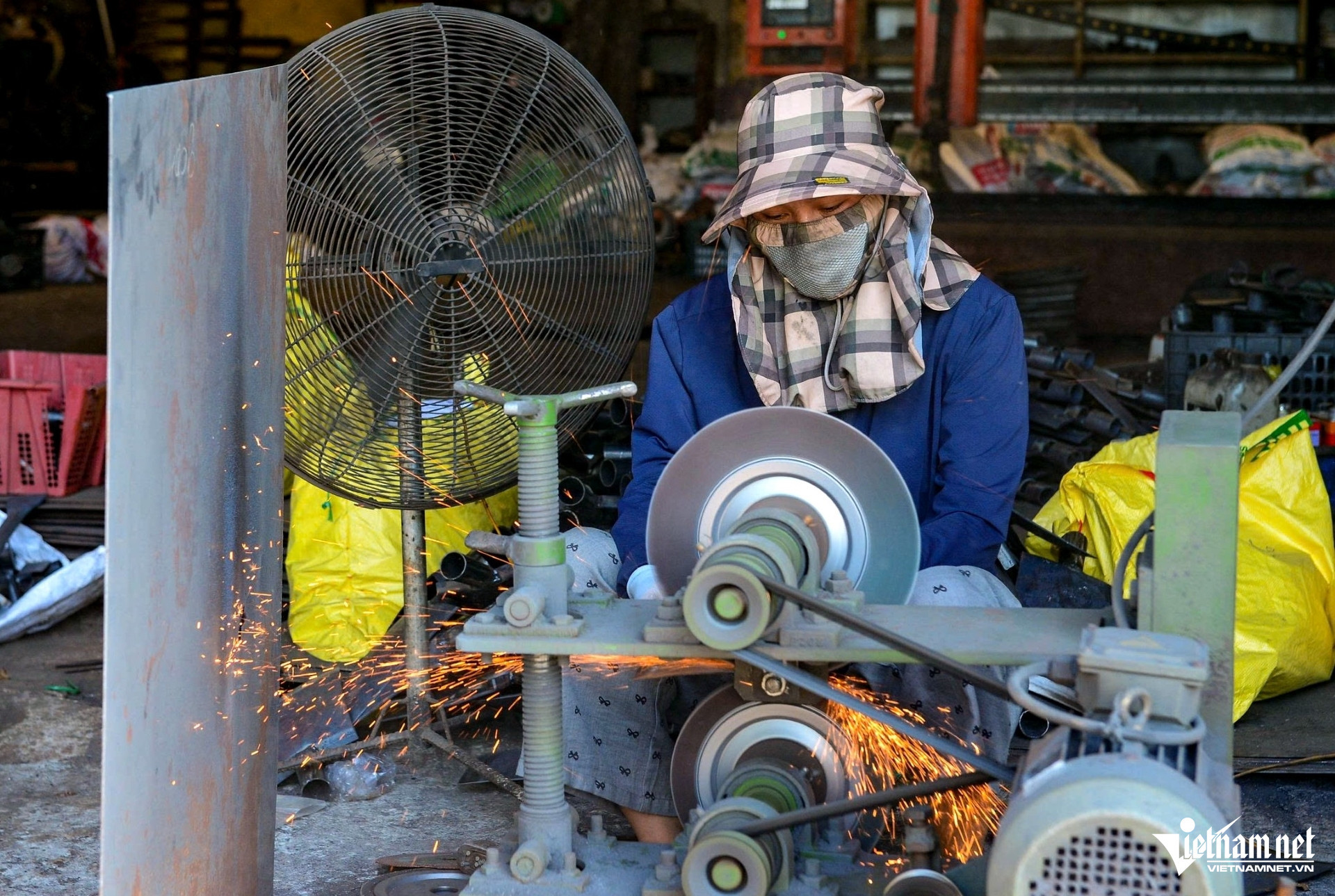
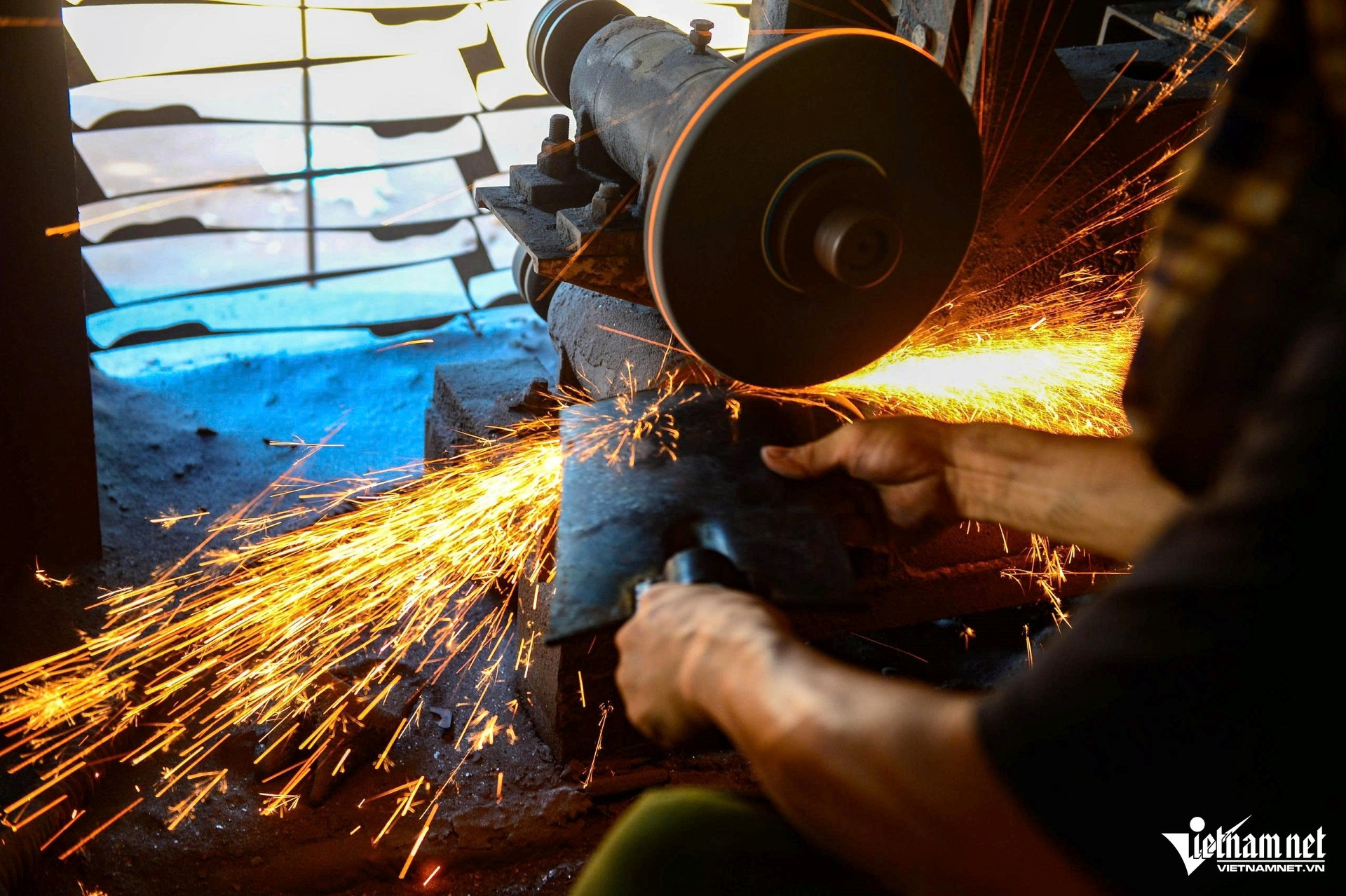
To produce a finished knife, hoe or sickle, blacksmiths must go through multiple stages, including heating, shaping, tempering and sharpening.
Each stage requires experience and skills accumulated over many years. Among them, heating and shaping are considered the most physically demanding and hottest tasks. During particularly intense heat waves, workers usually perform these stages only until around 9 a.m. before moving on to other tasks to avoid prolonged exposure to extreme temperatures.
To cope with what they describe as “two furnaces” - the summer sun and the forge itself - workers rely on industrial fans blowing directly toward them. Towels are constantly draped over their heads and shoulders to wipe away sweat and provide some relief from the heat.
According to local workshop owners, summer is also the peak season for agricultural tools as farmers prepare for a new planting cycle. The surge in orders forces many workshops to keep their furnaces burning from early morning until late evening.
Despite changing market conditions over the years, local families remain committed to the trade and determined to keep the fires burning. More importantly, blacksmithing continues to provide a stable source of income, helping support households while preserving a craft that has been passed down through generations.
Le Duong
.svg)
