 Vietnamnet.vn

 Podcast



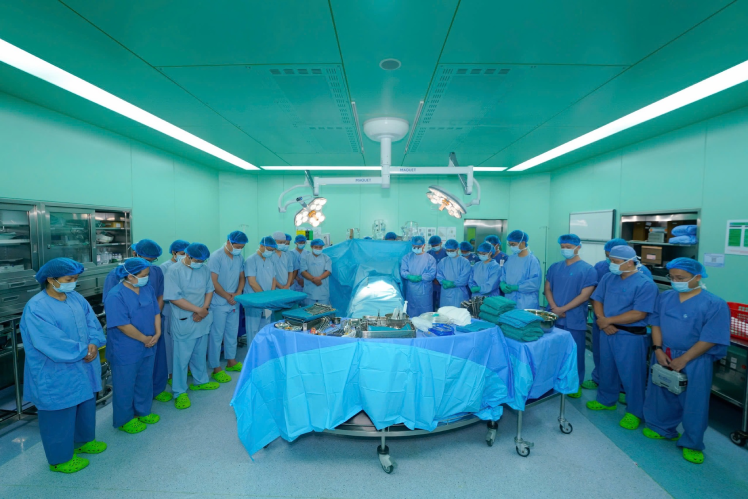
On the 29th day of the Lunar New Year 2026 (Tet) (February 16), the University Medical Center Ho Chi Minh City successfully performed four simultaneous organ transplants - one heart, one liver and two kidneys - in the hours leading up to Giao thua (New Year's Eve). The achievement has given new hope to patients with end-stage organ failure.
Earlier, on the 27th day of Tet, the hospital received a female patient with a severe stroke and extremely poor prognosis, with a high risk of progressing to brain death. Despite maximum efforts by intensive care teams, her condition did not improve. After receiving full consultation from the hospital’s Social Work Department, the family agreed to donate her organs and tissues in accordance with legal regulations, demonstrating a profound humanitarian gesture.
On the 28th day of Tet, after completing the professional procedures required to determine brain death, the hospital urgently activated its organ allocation and transplant protocol.
Under the direct supervision of the Board of Directors, more than 200 doctors, nurses and healthcare staff from multiple specialties were mobilized to simultaneously carry out five procedures, including one organ retrieval surgery, one heart transplant, one liver transplant and two kidney transplants. The operations were conducted overnight and completed on the 29th day of Tet.
Intensive care, anesthesia, surgical, nursing, laboratory and diagnostic imaging teams, along with administrative, logistics and transportation units, coordinated closely to ensure that every step was carried out safely and in strict compliance with professional standards.
As Tet approached, many medical workers who were already on their way home or spending time with family voluntarily returned to the hospital to join the surgical teams. All identified the mission as the highest priority - to reclaim life for patients in critical condition.
Successfully performing four organ transplants simultaneously at such a significant moment not only affirms the hospital’s professional capacity and organizational strength in the field of transplantation, but also highlights the seamless coordination among specialties and the strong sense of responsibility of the medical staff.
The hospital expressed deep gratitude to the donor and her family. Their humane decision has given multiple patients a chance at life and further spread the message of compassion and the value of organ and tissue donation within the community.
Phuong Thuy
.svg)
