 Vietnamnet.vn

 Podcast



Pixiu - attracting and preserving wealth
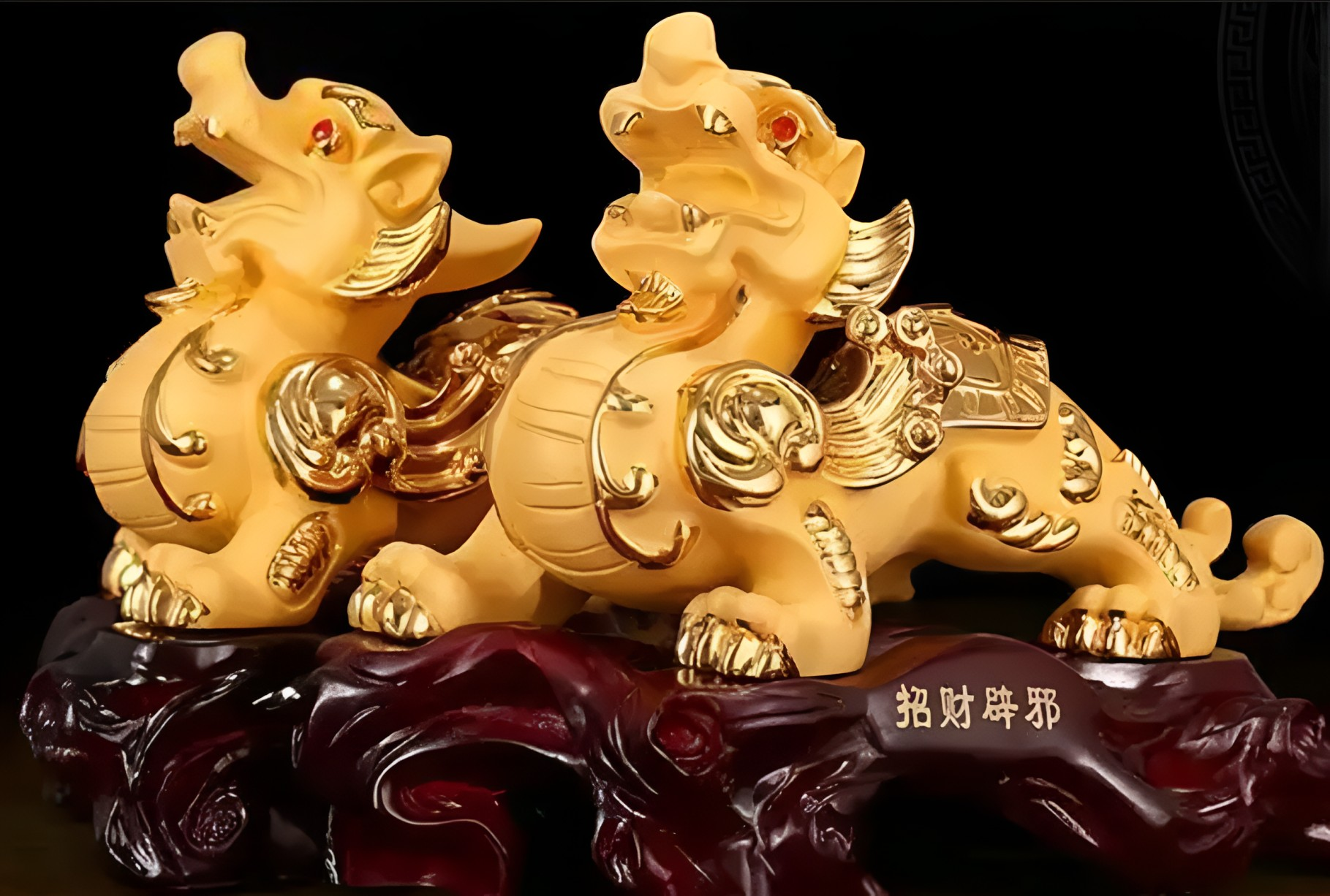
Pixiu, known in Vietnamese as Ty Huu, is one of the most popular mythical creatures in feng shui and is traditionally associated with attracting and preserving wealth.
According to folklore, Pixiu feeds on gold, silver and jewels but has no anus. This unusual characteristic has led to its association with accumulating wealth without allowing it to escape.
Pixiu figures are commonly made from wood, stone, bronze or jade and typically depict a horned creature, sometimes with coins or treasure in its mouth.
Under some feng shui traditions, Pixiu is placed in the living room or workplace with its head facing a door or window, symbolizing the attraction of wealth from outside. Specific placement practices can vary between different schools of feng shui.
Some people also perform a ritual known as "kaiguang," or spiritual activation, before using a Pixiu figure, depending on their beliefs and customs. The figure is generally kept clean and placed in a prominent, respectful location.
Three-legged money toad - a symbol of prosperity
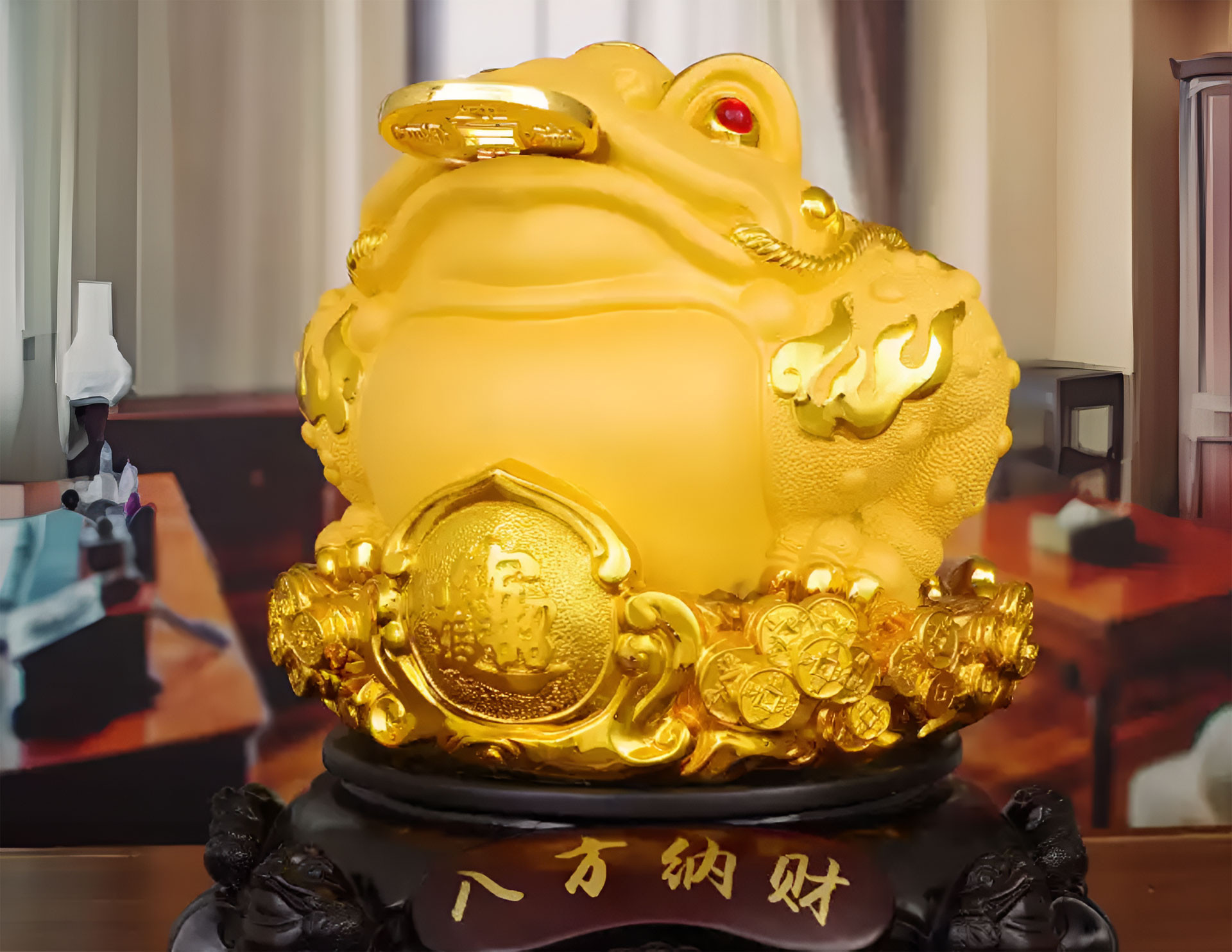
The three-legged money toad, known in Vietnamese as Thiem Thu, is another feng shui figure associated with wealth and good fortune.
According to legend, the three-legged toad is linked to the God of Wealth and is believed to carry money to those who worship or keep it. It is commonly depicted holding a gold coin in its mouth, a representation of prosperity and abundance.
Money toad figures are usually made from bronze, stone or ceramic.
In feng shui practice, the figure is typically positioned relatively low and facing into the home, symbolizing money being brought inside.
Placing it high up or facing outward is traditionally discouraged because this is believed to represent wealth flowing away rather than accumulating.
Some people place the money toad on an altar dedicated to the God of Wealth or near a cashier's counter in the belief that it will help attract prosperity. It is generally kept in a clean and respectful position.
Qilin - peace, good fortune and helpful benefactors
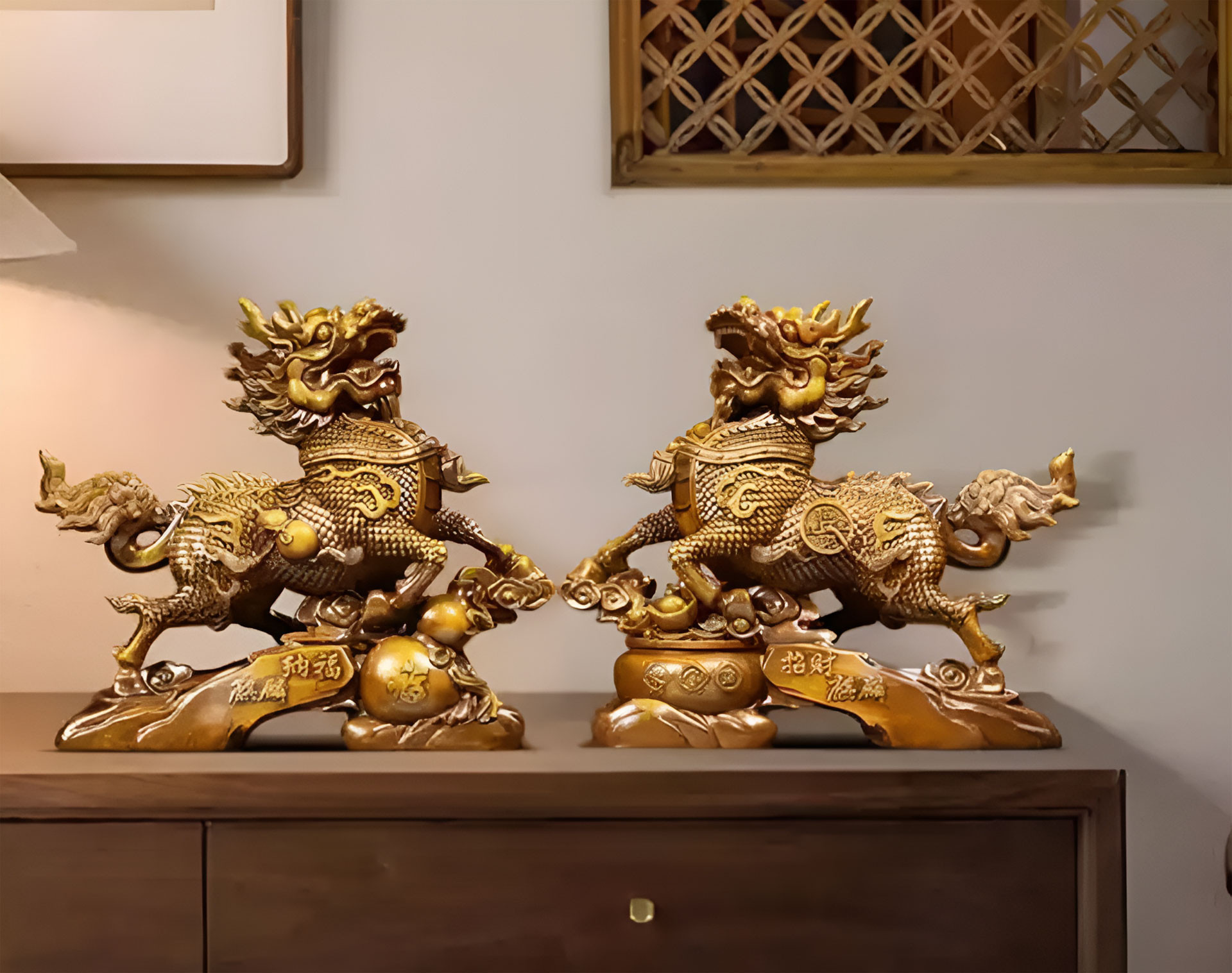
The Qilin, known as Ky Lan in Vietnamese, traditionally symbolizes peace, good fortune and support from helpful or influential people.
In Chinese and Vietnamese cultural traditions, the Qilin is regarded as a benevolent mythical creature whose appearance is associated with auspicious events or the arrival of a sage. It has consequently become a symbol of peace and prosperity.
Qilin figures are commonly made from bronze, stone or wood. They typically depict a horned creature covered in scales and may sometimes feature wings.
In feng shui, Qilin figures are often positioned near the entrance to a home or in the living room, where they are traditionally believed to counter harmful influences and attract good fortune.
The creature is particularly associated with the idea of receiving assistance from benefactors, including people who can provide valuable help in one's career or personal life.
When displayed, the figure is generally placed somewhere clean and prominent that also suits the overall design of the space.
Dragon turtle - longevity, wisdom and stability
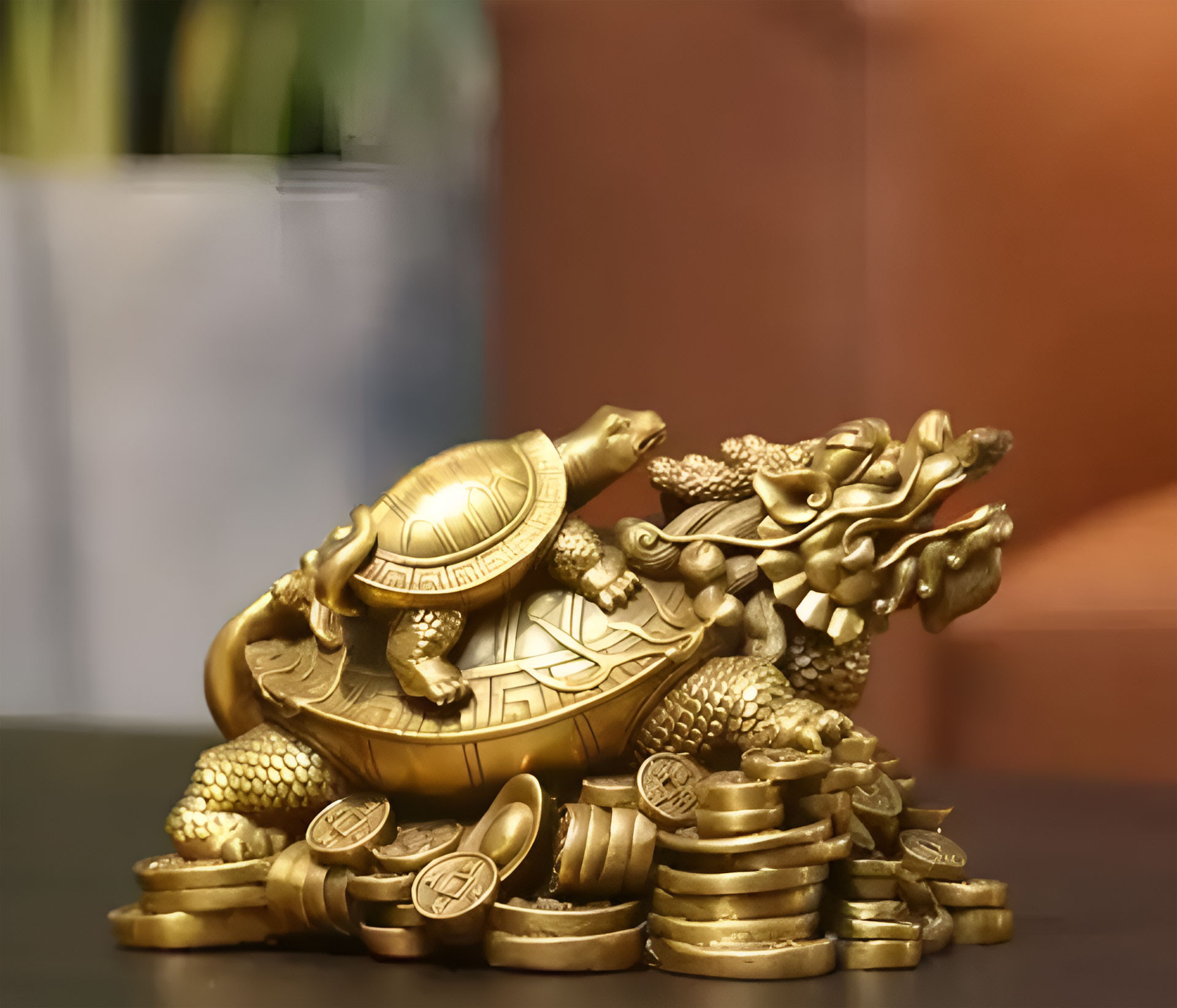
The dragon turtle, known in Vietnamese as Long Quy, combines two important mythical symbols: the dragon and the turtle.
It is traditionally associated with longevity, wisdom and lasting stability. According to legend, the dragon turtle is a divine creature connected with the arrival or transmission of auspicious signs.
Figures are commonly made from bronze or stone and depict a turtle's body and shell with the head of a dragon.
Under some feng shui traditions, a dragon turtle can be placed in a living room, office or another area where a sense of stability and solidity is desired.
The figure is also considered particularly suitable for people whose work requires concentration, creativity and persistence.
Beyond choosing a particular figure, feng shui traditions place importance on how such objects are maintained and incorporated into the home.
Figures are generally cleaned regularly to prevent dust from accumulating. Apart from diminishing their appearance, allowing them to become dirty is traditionally believed to weaken their positive energy.
Different creatures are also associated with different positions and orientations, so their intended placement is normally considered before they are displayed.
Bathrooms, kitchens and damp or dark areas are generally regarded in feng shui as unsuitable locations for these figures.
Displaying too many feng shui objects in one space is also traditionally discouraged, as this is believed to disrupt rather than harmonize its energy. Instead, practitioners typically recommend choosing a small number of figures suited to the purpose and character of the home.
Tu Huy
.svg)
