 Vietnamnet.vn

 Podcast



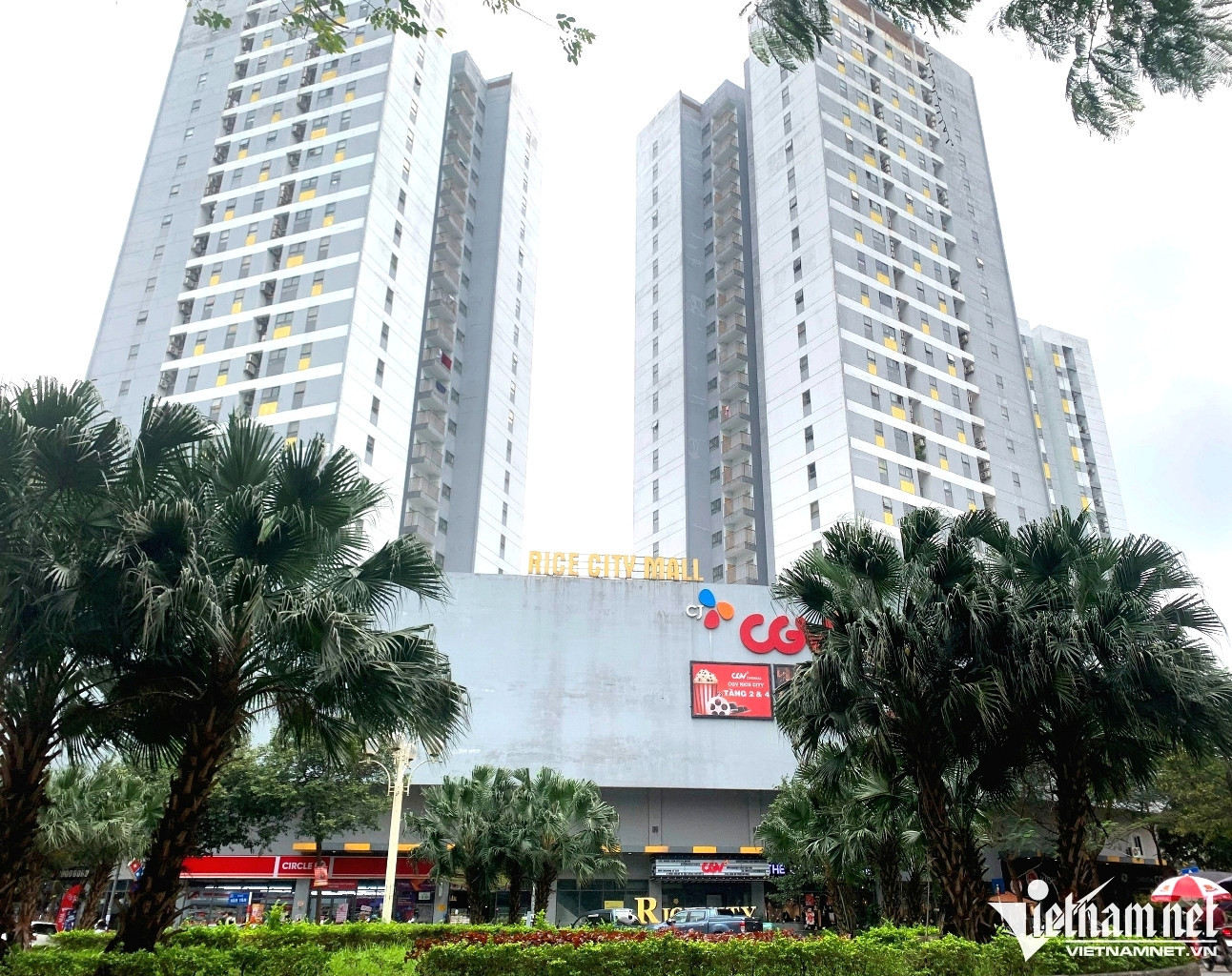
After more than eight years building a career in Hanoi, Nguyen Van Hung and his wife, originally from Thai Binh, are not thinking seriously about buying a home. With a combined monthly income of around VND30 million, they once considered taking out a bank loan to buy a small apartment on the outskirts of the city. But as apartment prices have continued to surge recently, that plan has gradually drifted out of reach.
“There was a time when we looked at an apartment worth around VND2 billion in Ha Dong. A few months later, when we came back, the price had already risen by several hundred million dong. We also applied for social housing, but we were not lucky enough to be approved because demand far exceeded supply in every project,” Hung said.
Unable to access social housing and unable to afford commercial market-rate housing, the couple turned to long-term renting. But rental life has not been any easier.
Their family is currently renting a more than 50sqm apartment in Hoang Liet ward, Hanoi, for VND8 million per month, excluding electricity, water and parking fees. Rent consumes most of their income, while they still have to save every possible dong to raise their young child.
The story of Hung’s family is not unusual in major cities such as Hanoi and HCMC. As housing prices continue to rise far faster than incomes, more and more young people are accepting long-term renting, even for life.
However, today’s rental market still relies largely on small individual landlords. Many boarding houses and rental apartments lack amenities, shared living spaces and, most importantly, long-term stability for tenants.
Le Ba Chi Nhan, a respected economist, said General Secretary and President To Lam’s directive that rental housing should become a “strategic pillar” by 2030 reflects a major shift in Vietnam’s urban development and social welfare mindset.
For many years, Vietnam’s property market developed with the principle of “owning a home at all costs.” This once suited a period when the economy lacked accumulated assets and people viewed housing as a guarantee for the future.
However, as urbanization accelerates and property prices rise far beyond average incomes, that model has begun to reveal serious consequences: young people struggle to access housing, migrant workers lack stable accommodation, and businesses face difficulties retaining long-term workers in urban areas, while too many economic resources are being absorbed into asset speculation instead of production and business activities.
Therefore, shifting the focus toward rental housing reflects a more modern governance mindset. Instead of pursuing the goal that “everyone must own a home,” policy is moving toward ensuring that all citizens have stable, safe housing suited to their financial capacity. This is also an approach that many developed economies have adopted for a long time.
In many major cities in the world, the proportion of renters is high, yet quality of life remains strong because rental housing is treated as part of social infrastructure, similar to transportation or healthcare.
More importantly, a stronger rental housing market would create greater flexibility for the labor market. Young people could move for work opportunities without facing pressure to buy homes too early. Businesses would also find it easier to attract talent as urban living costs decline.
From a macroeconomic perspective, this could help reduce the risk of asset bubbles, limit growth on speculative real estate and encourage capital to flow into sectors that generate real productivity for the economy.
A developed rental housing market would also reduce incentives for property hoarding and speculation. One reason housing prices in major cities are rising so rapidly today is the widespread belief that real estate is almost automatically a profitable store of wealth.
“When people do not have access to good-quality rental housing at reasonable costs, they are forced to buy homes at any cost, even if it means carrying debt for decades. This indirectly pushes up both speculative demand and ownership demand.
“In contrast, if the rental market becomes sufficiently developed, people will have more options to settle down and thrive without immediate ownership pressure. When buying demand becomes less compulsory, housing prices will gradually return to reflecting real use value instead of being inflated by speculative expectations,” Nhan said.
Hong Khanh
.svg)
