 Vietnamnet.vn

 Podcast



From scientific research programs with Russia spanning decades to the VNREDSat-1 satellite project and the Vietnam-France University model, international cooperation has played an important role in building Vietnam’s scientific and technological capacity.
But according to Prof. Tran Hong Thai, president of the Vietnam Academy of Science and Technology, the demands of a new era are greater: cooperation should no longer be solely about receiving technology, but must help Vietnam gradually build the capacity to master and further develop it.
Vietnam-Russia cooperation: A foundation built across generations
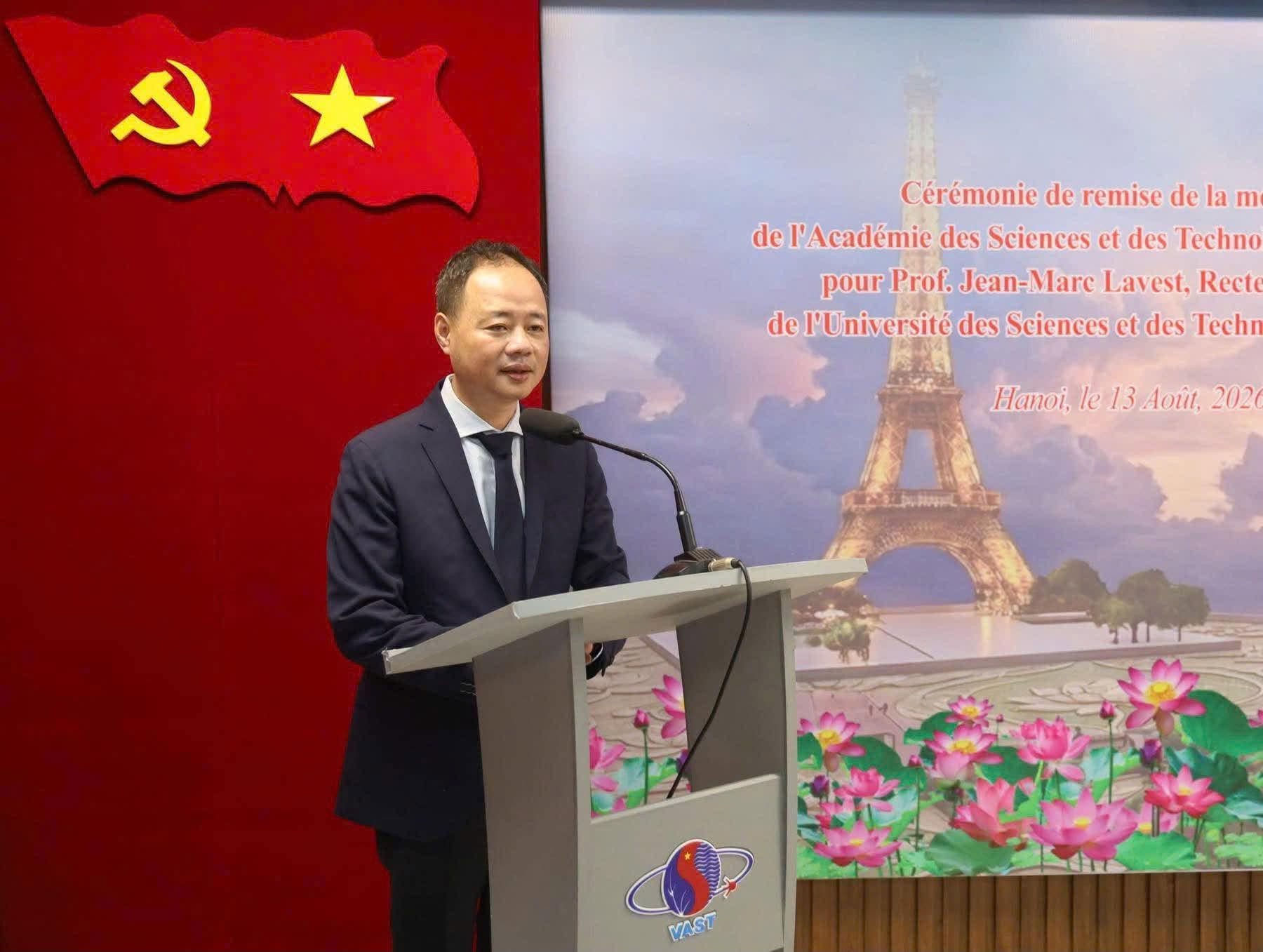
Looking back at Vietnam’s scientific ties with the former Soviet Union and today’s Russian Federation, Thai said: “The most significant contribution is that the Soviet Union in the past, and Russia today, have played an enormous role in developing Vietnam’s scientific workforce and building research capacity across most of the country’s fundamental fields of science and technology.”
According to Thai, during the early stages of cooperation, Russia supported Vietnam in training scientists, developing laboratories and conducting research in fields including mathematics, mechanics, materials science, chemistry, earth sciences, biology, biotechnology and marine science.
One notable example is marine research cooperation. Between 2005 and 2025, the two sides conducted nine joint surveys aboard the research vessel Akademik Oparin in Vietnamese waters. These expeditions led to the formation of joint research groups in biodiversity, ecology, marine microbiology, natural compounds and the environment. The two sides also exchanged researchers, shared data, published scientific studies and conducted training, while agreeing to continue marine research cooperation for the 2026-2035 period.
Cooperation at the Joint Institute for Nuclear Research, or JINR, in Dubna has also helped train generations of Vietnamese scientists. Nearly 50 Vietnamese researchers currently work at JINR in fields ranging from nuclear and neutron physics to radiation-resistant materials, nuclear medicine and accelerator design.
“For us, the most enduring value of Vietnam-Russia cooperation is the scientific capacity accumulated and passed down through generations, enabling Vietnam to gradually build its own research and technological capabilities on the foundation of international cooperation,” Thai emphasized.
From technology transfer to co-development
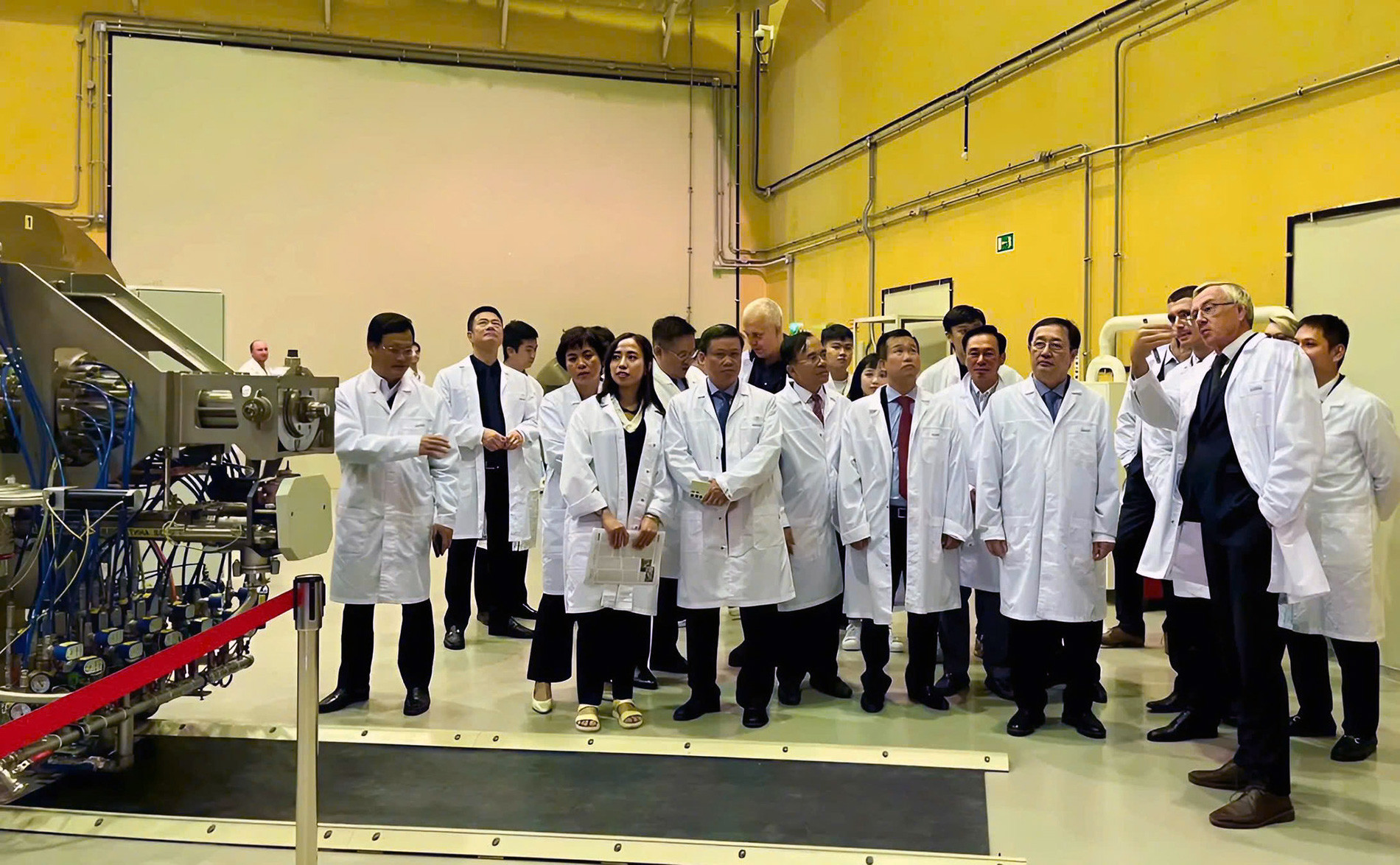
In the new era, Vietnam-Russia cooperation faces the need to move beyond traditional scientific assistance and exchanges toward jointly researching and developing strategic technologies.
According to Prof. Tran Hong Thai, “scientific and technological self-reliance does not mean doing everything by ourselves.” Rather, it should mean having the ability to understand technology, master its underlying principles and design, integrate systems, operate, maintain and improve technology, and train the next generation of experts.
From that perspective, cooperation with Russia could focus on areas where Russia has strengths and Vietnam has strategic needs, including nuclear physics, atomic energy, hydrogen, energy storage, quantum technology, space technology, small satellites, remote sensing, unmanned aerial vehicles and advanced materials.
The cooperation model also needs to change. Thai said the two sides should make a decisive shift from “personnel exchanges, scientific conferences and research projects” toward technology co-development. This would involve establishing joint laboratories and research teams in Vietnam, implementing long-term co-funded programs, training core experts and involving businesses from the research and development stage.
“The ultimate goal of technology transfer must be the transfer of the capacity to master that technology,” he stressed. If, at the end of a project, Vietnam has acquired more equipment but lacks a team capable of understanding, modifying and developing the next generation of the technology, the project cannot be considered a complete success.
Vietnam-France cooperation: VNREDSat-1 and the ambition to master satellite technology
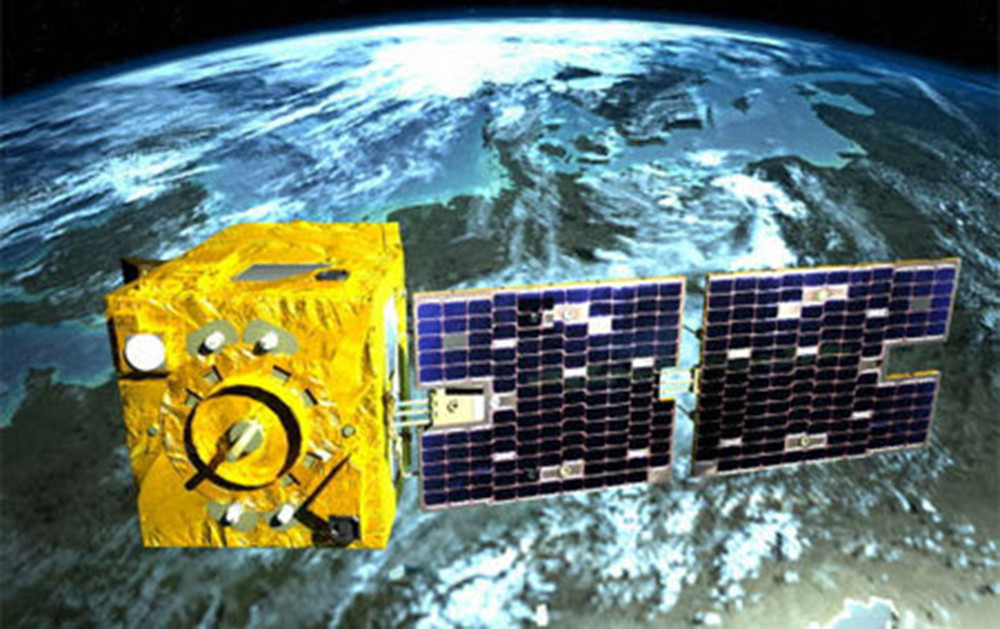
If cooperation with Russia reflects the depth of scientific capacity accumulated across generations, cooperation with France, particularly in space technology, illustrates more clearly Vietnam’s transition from receiving technology toward gradually mastering it.
VNREDSat-1 was successfully launched on May 7, 2013, and handed over to Vietnam for operation and utilization in September that year. By 2026, the satellite had entered its 14th year of operation, despite an original design life of just five years.
According to Prof. Tran Hong Thai, “VNREDSat-1 should be viewed not only as Vietnam’s first Earth observation satellite, but more importantly as a program for building national capacity in satellite technology.”
However, the academy president noted that independently operating VNREDSat-1 does not mean Vietnam has mastered all the technologies involved in satellite design and manufacturing. Capabilities in system design, payloads, satellite electronics, flight software, integration, assembly and testing, as well as ground stations, still need further development.
During French President Emmanuel Macron’s state visit to Vietnam in May 2025, the Vietnam Academy of Science and Technology, Airbus Defence and Space, and the French space agency CNES signed a declaration of intent to promote long-term cooperation in space technology and Earth observation satellites. Building on VNREDSat-1, the two sides are advancing the next phase of cooperation, including the proposed VNREDSat-2, with the aim of increasing Vietnam’s participation in the system development process.
Thai made the ambition clear: “The goal is not to own another satellite; the higher goal is to possess the capability to create and develop satellite technology.”
The spirit of cooperation with France, therefore, is to move “from purchasing systems to co-development, from training people to operate technology to training them to design it, and from transferring a single product to building sustainable technological capacity for Vietnam.”
USTH and the challenge of developing human capital
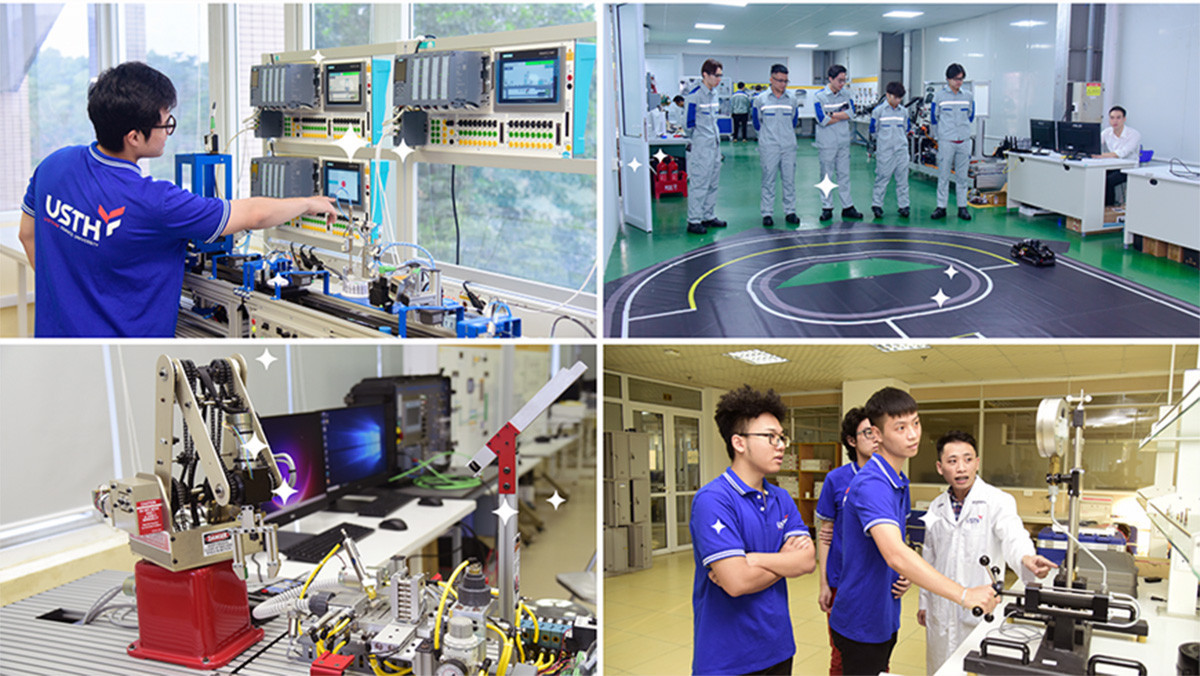
Another highlight of Vietnam-France cooperation is the University of Science and Technology of Hanoi, or USTH.
According to Prof. Tran Hong Thai, “USTH is a very distinctive model in Vietnam-France relations because it is not a standalone cooperation program, but a long-term institution of cooperation between the two governments in higher education, research and innovation.”
Established in 2009, USTH currently receives support from a network of more than 30 French universities and research organizations.
Looking ahead, USTH is envisioned as a hub connecting French scientific expertise with fields where Vietnam has growing needs, including space technology, artificial intelligence and data science, semiconductors, biotechnology, advanced materials, new energy, the environment and climate change.
Russia and France possess different strengths, but both can contribute to Vietnam’s efforts to build its domestic scientific and technological capabilities. As Thai put it: “The ultimate goal is very clear: to turn international cooperation into a means of strengthening national scientific and technological capacity, transform shared knowledge into the capabilities of Vietnamese scientists, and turn research results into concrete solutions to the country’s development challenges.”
Thai An – Nga Thuy
.svg)
