 Vietnamnet.vn

 Podcast


The 33rd Asia-Pacific Economic Cooperation (APEC) Economic Leaders’ Meeting in Shenzhen, China, took place amid considerable uncertainty in the global economy. Discussions at the meeting reaffirmed the importance of dialogue, connectivity and inclusive development across the Asia-Pacific region.
For Vietnam, the event carried particular significance as the country assumed the role of APEC 2027 host, opening up opportunities to contribute more substantially to regional cooperation while creating fresh momentum for national development.
APEC Shenzhen 2026: Advancing cooperation in a changing world
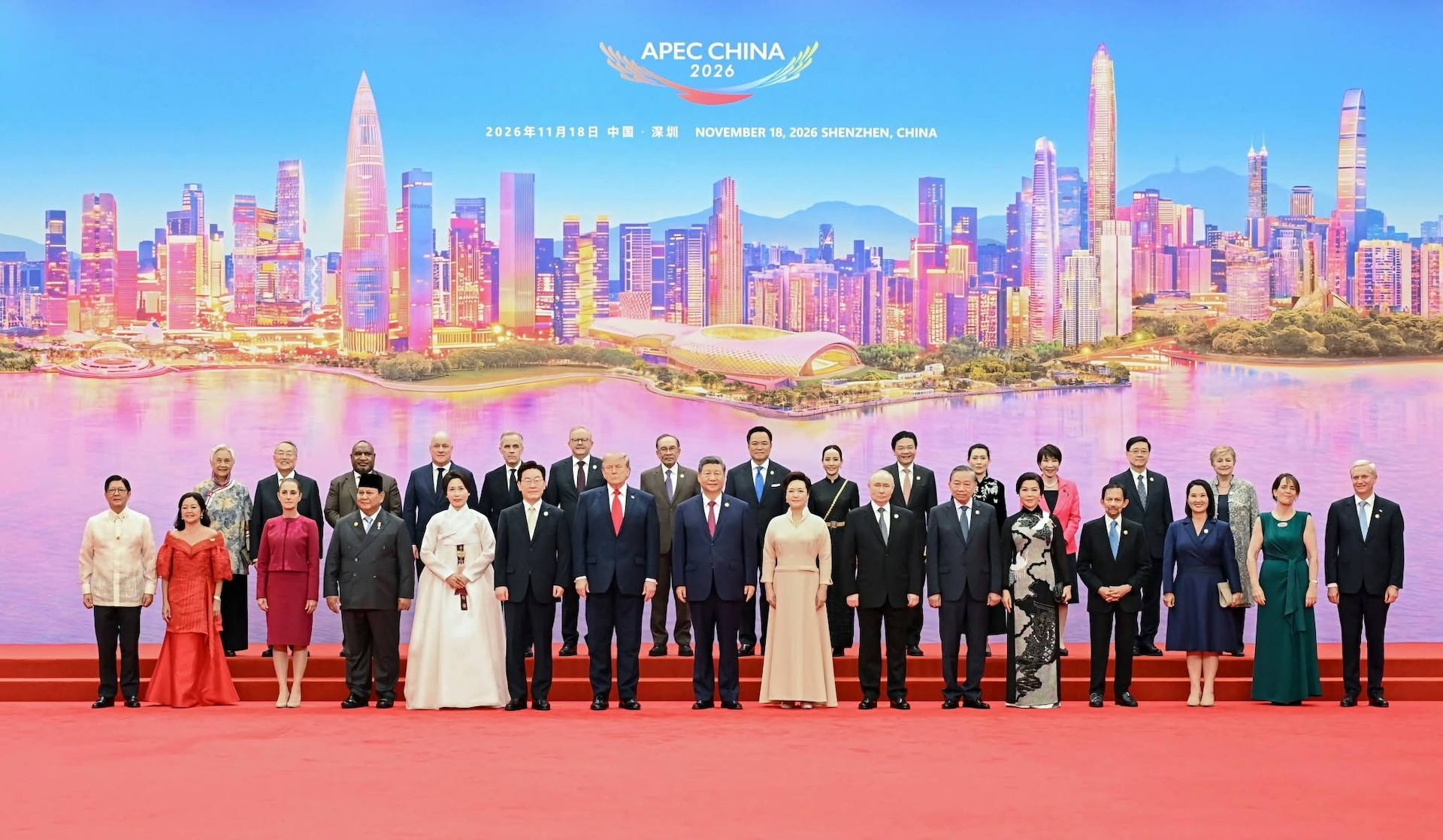
The meeting took place as the global economy continued to face strategic competition, rising trade protectionism, supply chain disruptions, digital transformation and climate change.
Despite differences in their levels of development, economies face common challenges in improving productivity, expanding markets, ensuring economic security and adapting to emerging technologies. Against this backdrop, APEC remains an important forum for dialogue, consensus-building and mutually beneficial cooperation.
Openness, innovation and cooperation were central themes throughout APEC 2026. Discussions on trade, investment, connectivity, growth and sustainable development reflected the need to sustain long-term economic momentum.
The meeting highlighted the importance of regional economic integration, trade and investment facilitation, supply chain resilience and greater opportunities for small and medium-sized enterprises.
The significance of these outcomes extends beyond declarations and broad policy directions. More importantly, APEC has preserved a space for multilateral economic dialogue where members can exchange views frankly, identify common ground and pursue practical cooperation.
At a time of growing trade barriers and diverging interests, maintaining such dialogue is valuable to regional stability and development prospects.
Another prominent theme was the shared recognition of the need to transform growth models. Future growth cannot rely solely on capital investment, natural resources and low-cost labour. Greater emphasis must be placed on science and technology, digital transformation, artificial intelligence, innovation and workforce quality.
Meanwhile, the green transition and climate adaptation are increasingly becoming essential considerations in manufacturing, trade and investment.
Inclusive development is another priority with long-term significance. Economic cooperation must contribute to job creation, improved living standards, narrower development gaps and greater support for vulnerable groups.
When small businesses, local communities and workers gain access to development opportunities, economic integration rests on a stronger social foundation.
It is important to recognise that APEC operates through voluntary cooperation, consensus and non-binding commitments. Its outcomes can therefore deliver their full value only when member economies translate them into concrete policies, programmes and projects.
This is a responsibility shared by all members and one that Vietnam must pay particular attention to as it prepares to host APEC 2027.
Vietnam as an active and responsible APEC member
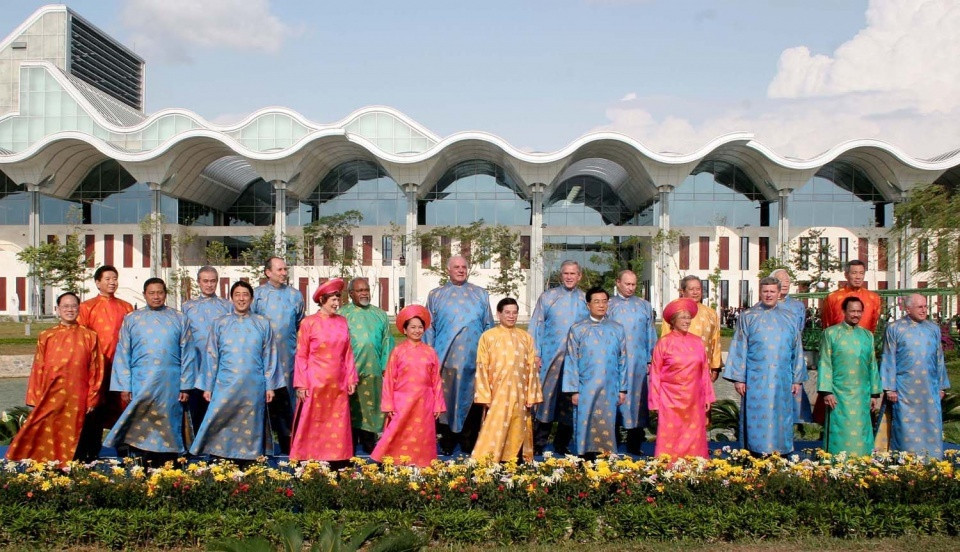
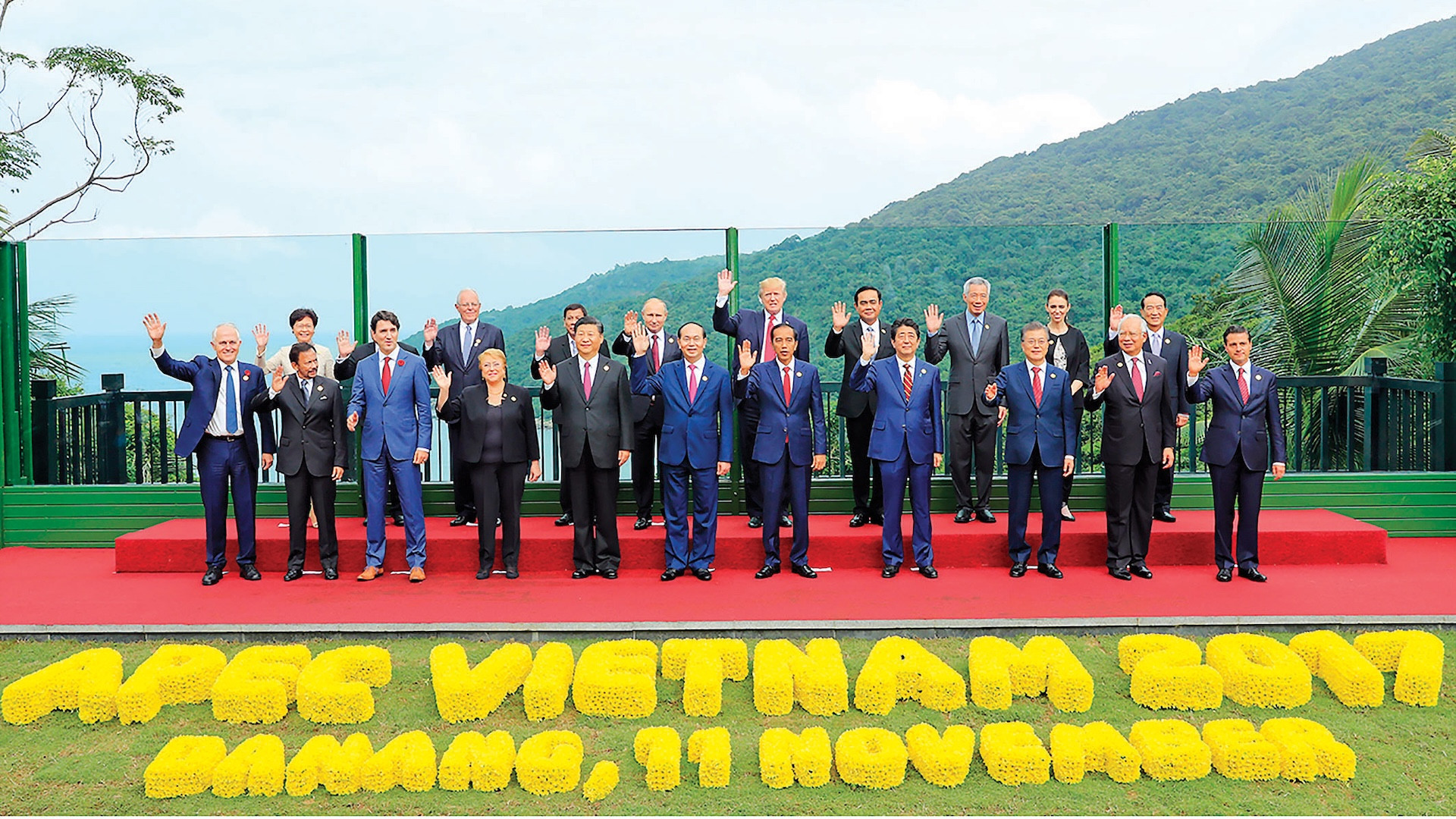
Since joining APEC in 1998, Vietnam has gradually expanded its participation in regional economic cooperation mechanisms.
Initially focused on learning from other economies and expanding market access, Vietnam has become increasingly proactive in shaping agendas, proposing initiatives and advancing cooperation in areas of shared interest.
This evolution reflects the country’s foreign policy of independence, self-reliance, multilateralisation, diversification and proactive international integration.
Over nearly three decades of APEC membership, Vietnam has gained opportunities to expand economic relations, connect with trade and investment partners, and learn from international experience in governance, institutional reform and human resource development.
Hosting APEC in 2006 and 2017 marked important milestones, demonstrating Vietnam’s experience in organising multilateral events and coordinating with member economies.
Vietnam’s participation in APEC 2026 served two closely interconnected purposes: contributing to discussions and shared cooperation priorities while preparing to build on their outcomes as host the following year.
Vietnam was also able to share lessons from its reform process, international integration, economic development, social welfare policies and efforts to strengthen national competitiveness.
After four decades of Doi Moi (Renewal), Vietnam has undergone substantial changes in the size and structure of its economy, expanded trade, attracted investment and become more deeply integrated into regional value chains.
However, the country must continue improving productivity, the quality of growth, technological autonomy and resilience to external shocks.
These challenges create a natural connection between APEC’s cooperation agenda and Vietnam’s own development priorities.
Responsible membership begins with respecting the legitimate interests of all parties, promoting dialogue, building consensus and persistently seeking cooperative solutions.
Initiatives are meaningful only when they address practical needs, can be implemented effectively and benefit multiple member economies. This approach should continue to guide Vietnam’s preparations for APEC 2027.
Connecting multilateral diplomacy with bilateral cooperation
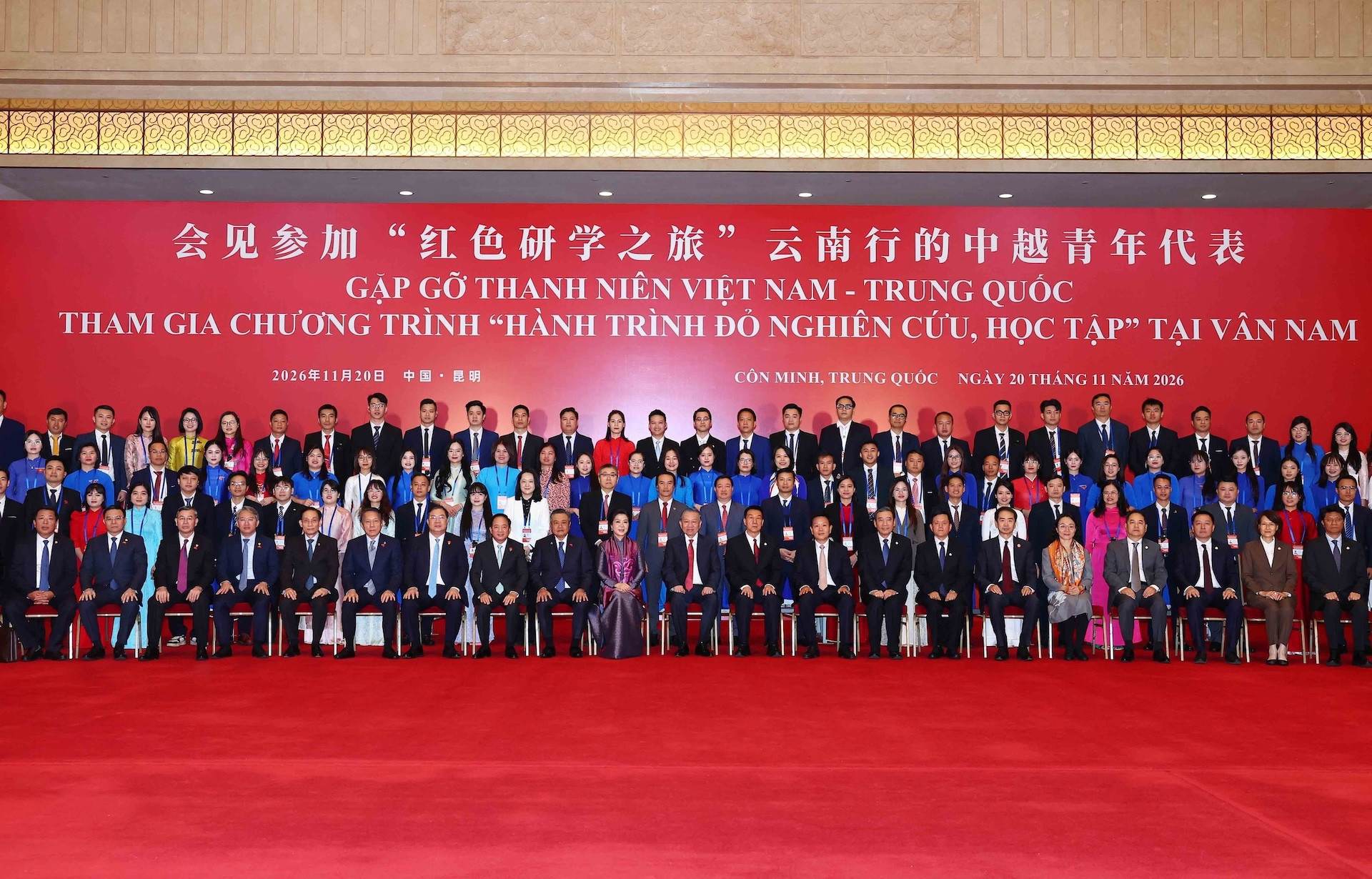
mon agenda, meetings between Party General Secretary and President To Lam and leaders of other member economies offer opportunities to deepen mutual understanding, strengthen trust and expand cooperation in practical areas.
For Vietnam, attending APEC in China created additional opportunities to engage with partners on trade, investment, infrastructure connectivity, logistics, high technology, digital transformation and human resource development.
In Vietnam-China economic relations, transport connectivity, cross-border trade facilitation and more efficient supply chains are particularly relevant to businesses and local communities.
Shenzhen and the wider Guangdong region are major centres of industry, technology and innovation whose development experience merits closer examination.
Cooperation with partners there could give Vietnamese businesses greater access to technology, management expertise and markets.
However, opportunities do not automatically translate into results. They must be accompanied by improvements in the investment environment, workforce training, infrastructure and domestic business capabilities.
Diplomatic engagement must therefore be followed by effective coordination mechanisms, cooperation programmes and viable projects.
Success should be measured not simply by the number of meetings or agreements, but by tangible improvements in trade, investment, productivity, employment and living standards.
That is how foreign affairs can genuinely contribute to national development.
From Shenzhen to Phu Quoc: Five priorities for APEC 2027
Vietnam’s assumption of the APEC 2027 host role marks another important step in its international integration journey.
This will be the third time Vietnam has undertaken this responsibility, following its previous terms as host in 2006 and 2017. Each occasion has coincided with a different stage of national development, reflecting changing circumstances and priorities in regional cooperation.
APEC 2027 comes as Vietnam pursues more ambitious development goals, with greater emphasis on science and technology, innovation, digital transformation, green development and workforce quality.
Preparations must therefore serve two objectives: fulfilling Vietnam’s international responsibilities and generating practical value for domestic development.
First, Vietnam must ensure continuity in the APEC agenda, building on existing cooperation outcomes while proposing new initiatives that address shared needs.
Given differences in economic size and interests among members, selecting issues around which consensus can be built will help improve the effectiveness of regional cooperation.
Second, people and businesses must remain at the heart of the agenda.
Initiatives involving trade, investment, digital transformation, skills development and small and medium-sized enterprises should deliver tangible results.
A successful agenda requires more than broadly worded declarations. It also needs implementation mechanisms and ways to assess outcomes.
Third, Vietnam should strengthen its role as a facilitator and coordinator.
Drawing on its experience of hosting APEC twice and participating in multilateral mechanisms, Vietnam can promote dialogue, reconcile differences and encourage cooperation based on mutual respect and shared benefits.
As the region faces numerous challenges, maintaining dialogue and advancing practical cooperation are particularly important.
Fourth, event preparations should be closely linked to trade, investment and tourism promotion, as well as efforts to showcase Vietnam internationally.
Phu Quoc and other localities involved in APEC activities will have opportunities to introduce their development potential, culture, people and investment environments.
However, investment in facilities, infrastructure and services must be guided by long-term effectiveness rather than appearances or the immediate needs of the event alone.
Fifth, security and safety must be ensured throughout APEC 2027.
This requires close coordination among foreign affairs, defence, security, healthcare and transport agencies, as well as local authorities.
Preparations should include proactive risk assessments and contingency planning to ensure that all activities proceed safely, smoothly and with due attention to detail.
Linking economic integration with defence, security and foreign affairs
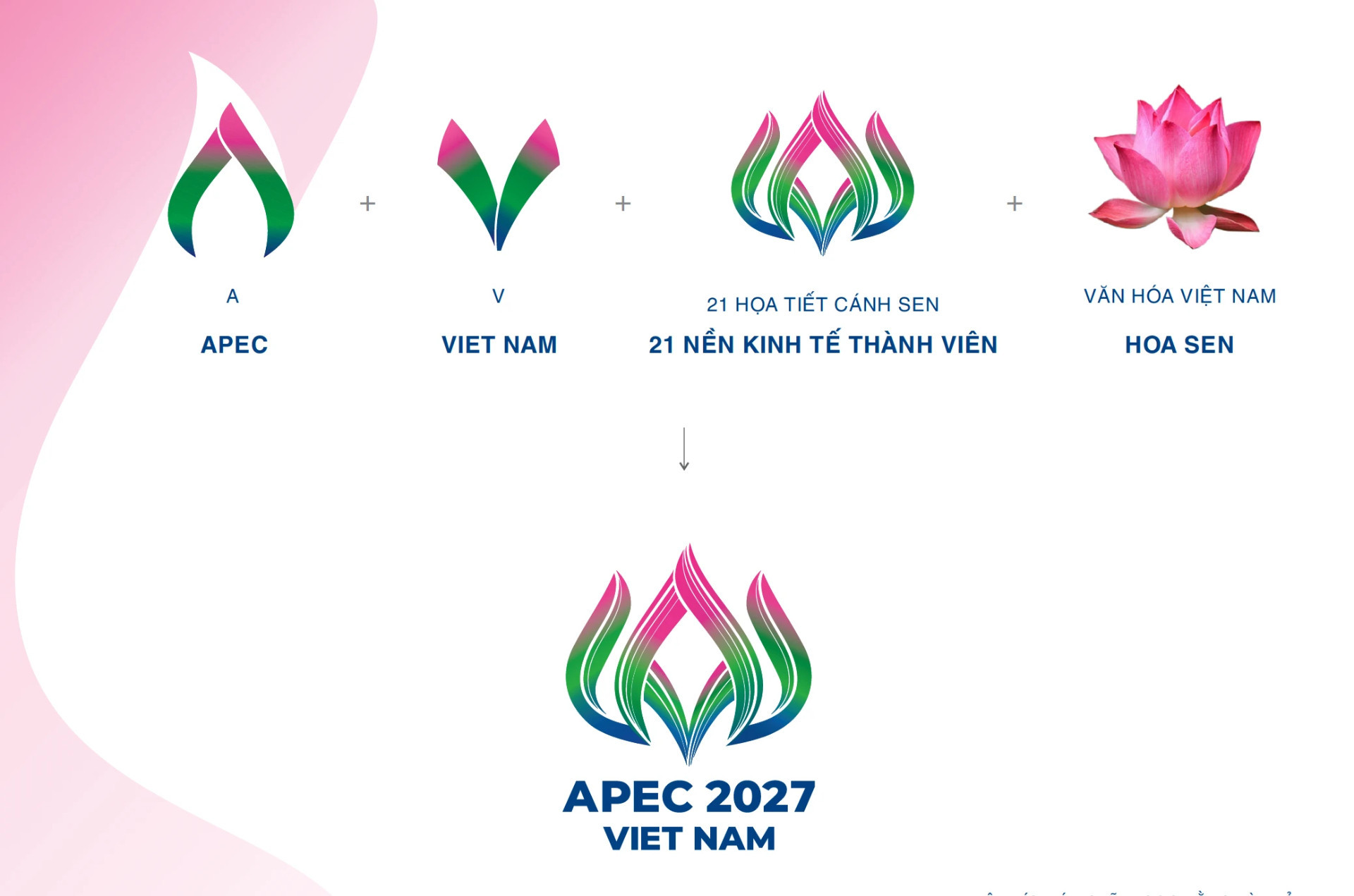
From a defence, security and foreign affairs perspective, APEC also highlights the need for a fuller understanding of the relationship between national development and safeguarding the country.
In today’s world, disruptions involving trade, finance, energy, technology and data can directly affect a country’s economic security and capacity for independent decision-making.
For Vietnam, deeper international integration must go hand in hand with building an independent, self-reliant economy and strengthening resilience to external shocks.
Independence and self-reliance do not mean isolation. Rather, they require proactively expanding international relationships, diversifying markets and partners, and reducing excessive dependence on any single supplier or market.
Greater attention must also be paid to cybersecurity, data security, energy security and the protection of critical infrastructure.
The rapid development of artificial intelligence and the digital economy creates new growth opportunities while raising challenges related to sovereignty, national security and the legitimate rights and interests of organisations and individuals.
Policies must strike a balance between encouraging innovation, managing risks and ensuring safety.
Vietnam’s National Assembly has an important role in strengthening institutions and establishing a transparent, stable legal framework for investment, business and international integration.
Through legislation, oversight and decisions on major national issues, the legislature helps translate policy priorities into institutional frameworks supporting science and technology, digital transformation, economic security and national competitiveness.
Organising APEC 2027 must also draw on effective coordination among foreign affairs, defence, security and economic sectors.
A peaceful and stable environment is a prerequisite for development. Conversely, sustainable growth, improved living standards and stronger public confidence provide an important foundation for strengthening national defence capabilities.
Measuring the lasting success of APEC 2027
The journey from Shenzhen 2026 to Phu Quoc 2027 represents both continuity in regional cooperation and an opportunity for Vietnam to contribute more substantially to the APEC agenda.
The responsibility of hosting APEC extends beyond successfully organising a major diplomatic event. It also involves creating conditions for initiatives and cooperation outcomes that deliver lasting value.
Looking back on nearly three decades of APEC membership, international integration has become an integral part of Vietnam’s development.
The experience accumulated during this period, together with the achievements of the country’s reform process, provides a foundation for Vietnam to continue participating proactively and responsibly in regional economic cooperation.
International standing, however, must be reinforced by genuine development capabilities, effective implementation of commitments and contributions that can be independently assessed.
The success of APEC 2027 should therefore be evaluated comprehensively, from the quality of its agenda and ability to build consensus to business connectivity, organisational effectiveness, security, safety and the lasting benefits it brings to local communities.
With a commitment to cooperation, responsibility and proactive international integration, Vietnam has an opportunity to work with other member economies towards a peaceful, stable, dynamic and prosperous Asia-Pacific region.
This approach connects Vietnam’s national development interests with the broader interests of the region, helping foster an international environment conducive to national development and defence in the years ahead.
Tran Duc Thuan
Vice Chairman of the National Assembly’s Committee for National Defence, Security and Foreign Affairs

