 Vietnamnet.vn

 Podcast



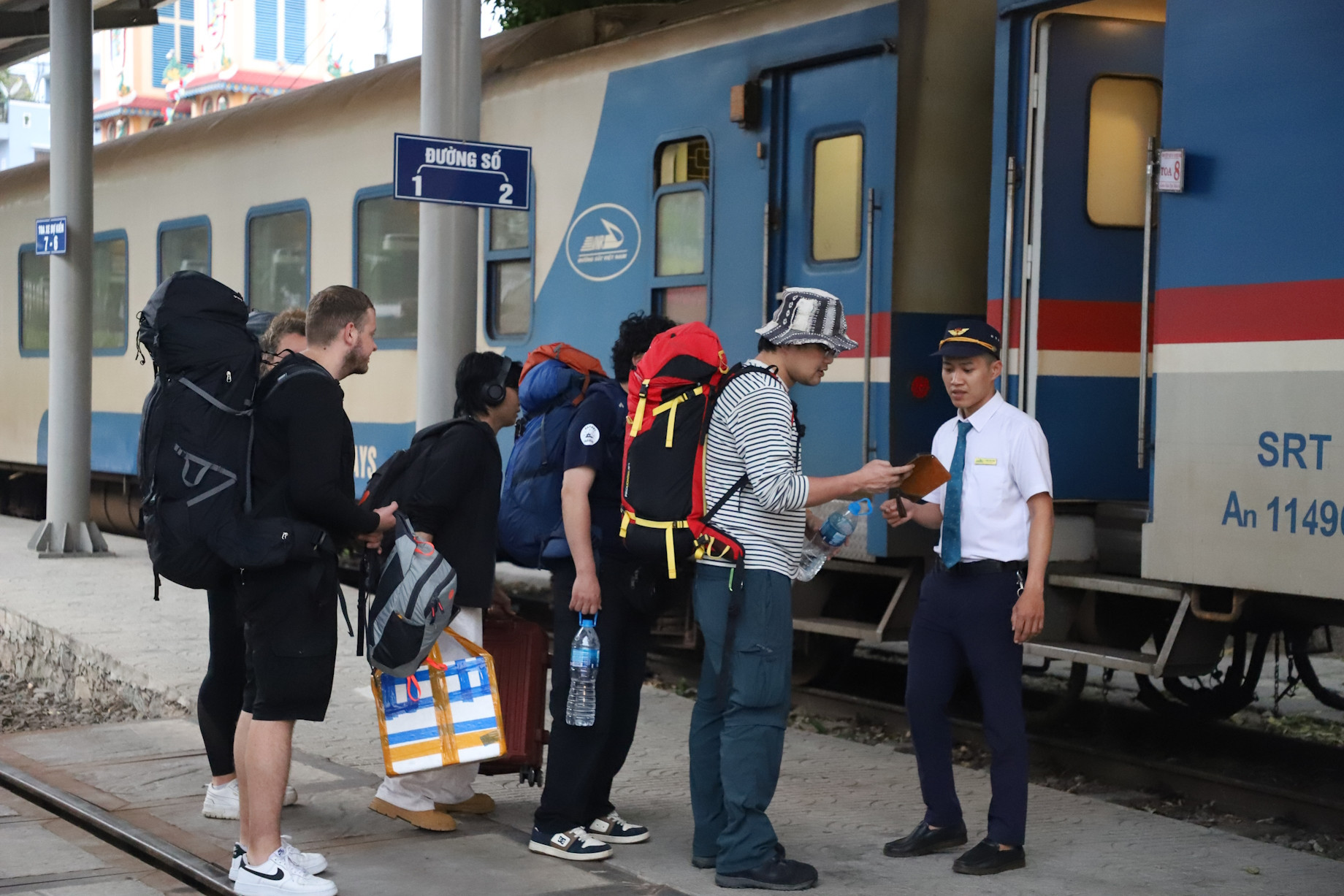
Railway passenger fares increase by 10 percent due to rising fuel costs. Photo: TK
Vietnam’s railway sector has officially increased passenger fares by 10 percent and freight charges by 15 percent, while several interprovincial bus operators in Ho Chi Minh City have also adjusted ticket prices as diesel costs surge sharply.
According to an announcement from the Railway Transport Joint Stock Company, the new fares took effect on March 8, with passenger ticket prices rising 10 percent and freight charges increasing 15 percent compared with previous levels.
The adjustment comes as fuel prices in the market fluctuate strongly, directly affecting operating costs.
Data from Petrolimex shows that at 15:00 on March 7, diesel prices reached VND30,230 per liter (US$1.22), up 31.26 percent compared with March 5 and 56.88 percent compared with February 26.
Railway authorities said the price adjustment is intended to share the burden of rising fuel costs while maintaining safety standards, punctuality and service quality.
Not only railway transport but also many interprovincial passenger transport operators running routes from Ho Chi Minh City to the central region and the Central Highlands have announced fare increases.
Ngoc Thuong bus company, operating the Ho Chi Minh City - Binh Dinh route, has set ticket prices at VND320,000 per passenger (US$12.9), an increase of VND20,000 (US$0.8) compared with previous fares.
Hai Luan bus company, which runs services from Dak Lak to Ho Chi Minh City and Can Tho, has raised ticket prices by VND50,000 (US$2) per passenger.
Phuong Hong Linh bus company has also increased ticket prices by about 20 percent compared with the period before the latest fuel price adjustment.
Similarly, Co Hai bus company, operating routes from Ho Chi Minh City and Dong Nai to Gia Lai, now charges between VND300,000 and VND310,000 per sleeper ticket (US$12.1 - US$12.5), while limousine services remain at VND360,000 per ticket (US$14.5).
Although many bus companies have already updated their new prices on social media, representatives of major bus terminals in Ho Chi Minh City say they have not yet received official fare registration documents.
Nguyen Minh Tien, Deputy General Director of Mien Tay Bus Station Joint Stock Company, said that over the past two days no transport businesses operating at the station have formally requested fare increases.
According to Tien, fuel prices have only recently risen sharply, so companies may not yet have completed the required procedures and may need a few more days to observe price trends.
Meanwhile, representatives from Mien Dong Bus Station predict that transport companies will likely adjust fares simultaneously later this week after completing administrative procedures with relevant authorities.
Fuel price increases are forcing many interprovincial transport companies to adjust service prices. Photo: TK
According to Bui Van Quan, Chairman of the Ho Chi Minh City Cargo Transport Association, the sharp rise in fuel prices in recent days has placed many transport companies in a difficult position.
Because many businesses are bound by long-term contracts, they cannot immediately adjust freight rates and must temporarily absorb losses to honor their commitments while negotiating with partners to share additional costs.
Fuel accounts for roughly 30 to 40 percent of transportation expenses, meaning fluctuations in fuel prices are narrowing profit margins across the logistics industry.
For companies operating large vehicle fleets, additional costs can reach hundreds of millions of VND each month, forcing businesses to weigh the option of raising freight rates or accepting reduced profits to retain customers.
Industry representatives say that if fuel prices remain at elevated levels, many small and medium-sized transport companies may have to scale back operations or suspend certain routes, potentially affecting cargo transportation activities.
Tuan Kiet
.svg)
