 Vietnamnet.vn

 Podcast



Samsung’s decision to stick with a 5,000mAh battery for the seventh year in a row has clearly failed to impress. Early reactions from the tech community suggest that the Galaxy S26 Ultra, Samsung’s top-tier upcoming flagship, is facing an unprecedented wave of skepticism.
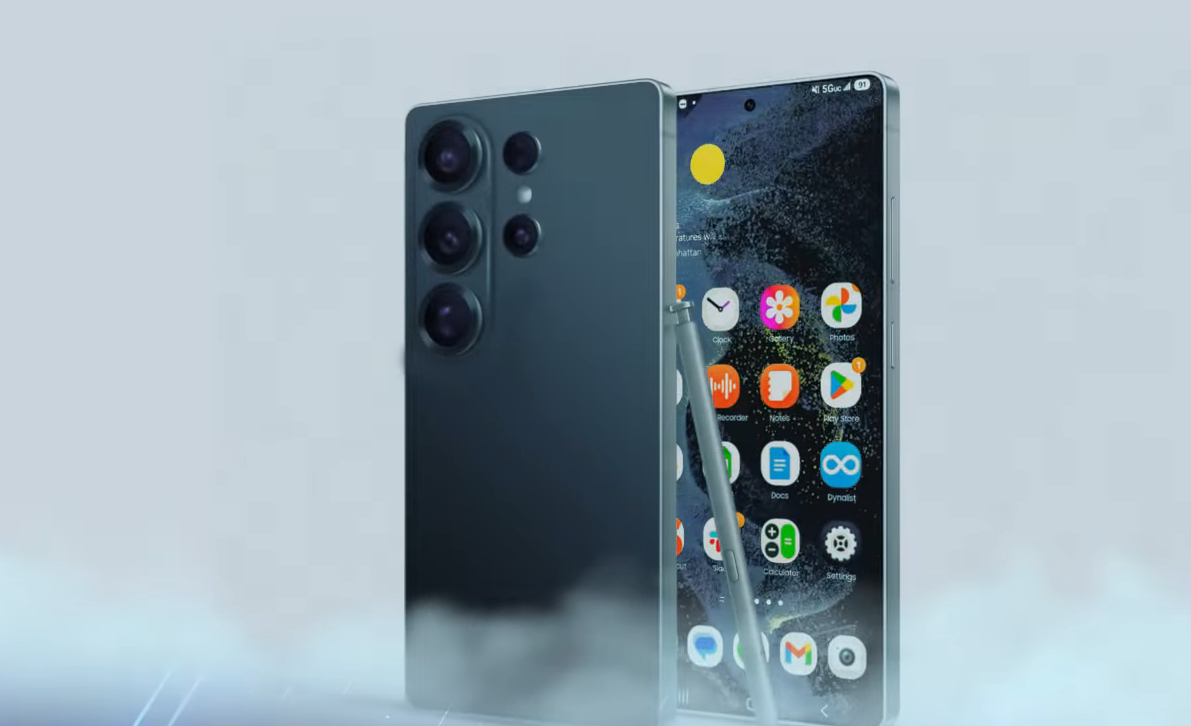
Polls conducted by PhoneArena yielded troubling results for Samsung, with thousands of participants expressing visible disappointment.
Fast charging, new chip still not enough
Traditionally, the Ultra line garners the most attention each year. It’s where Samsung packs its best tech: the most advanced camera system, the largest battery in the Galaxy lineup, the top display, the fastest chipset, and a suite of premium features.
But with the Galaxy S26 Ultra, the story is different. According to the survey results, not a single rumored upgrade stood out as truly exciting to the majority of respondents. This reveals a clear fatigue with Samsung’s approach to iterating its flagship lineup.
A striking 54.02% of survey participants said none of the rumored upgrades mattered to them.
Among the features listed, the anticipated 60W fast charging came out on top - but with less than 15% of the votes. The new Snapdragon 8 Elite Gen 5 chip followed with around 12%, while wireless charging with Qi2 and magnetic accessories attracted only 10.34%.
Other features like satellite connectivity or refreshed design barely registered, scoring under 7% and even under 3% respectively. This shows that minor, incremental upgrades no longer satisfy premium users - consumers who are willing to spend big, but expect transformative changes in return.
Clearly, users are yearning for bold, game-changing innovation - not safe, familiar tweaks.
Stagnant battery and camera downgrade concerns
Samsung’s decision to retain the 5,000mAh battery has left many disappointed, especially as Chinese competitors have already pushed ahead with batteries ranging from 6,000 to 7,000mAh.
Adding to the concern, rumors suggesting the camera system may be downgraded have shocked many tech enthusiasts.
No matter how much Samsung may optimize the software to improve battery life, the reality remains: a 2026 flagship phone with a 5,000mAh battery is unlikely to compete effectively with rivals offering far superior capacity.
AI still not a game-changer
Another survey focused on on-device AI painted an even grimmer picture. Nearly 47% of respondents believe AI is being overhyped and is not a strong enough reason to buy a new phone.
About 31% said they would only consider upgrading if the AI proved genuinely useful for everyday tasks.
Notably, almost 23% outright stated that no AI feature could compensate for weak hardware or lack of significant upgrades. This suggests that consumers are becoming more discerning and less susceptible to marketing campaigns that overemphasize AI while offering little hardware innovation.
Loyalty remains - but not widely
When asked whether the new features were enough to convince them to buy the Galaxy S26 Ultra, nearly 50% said no.
About 30% were already planning to buy the device and now feel more excited, while only 12% said the upgrades persuaded them to switch to the S26 Ultra from a different phone they had intended to purchase in 2026.
Another small group noted they had no plans to upgrade or simply don’t use Galaxy phones. All this points to a stark reality: only the loyal fan base remains enthusiastic, while the broader consumer market seems largely indifferent.
To be fair, the Galaxy S26 Ultra will likely still be a solid smartphone overall. However, with a projected starting price of around $1,300, making it one of the most expensive devices on the market, the lack of meaningful upgrades makes it far less compelling.
If Samsung also raises the price, the S26 Ultra’s value proposition will become even harder to justify. In this context, the Galaxy S26 Ultra isn’t necessarily a disaster - but it’s clearly at risk of becoming a misstep unless Samsung delivers bolder innovations soon.
Hai Phong
.svg)
