 Vietnamnet.vn

 Podcast



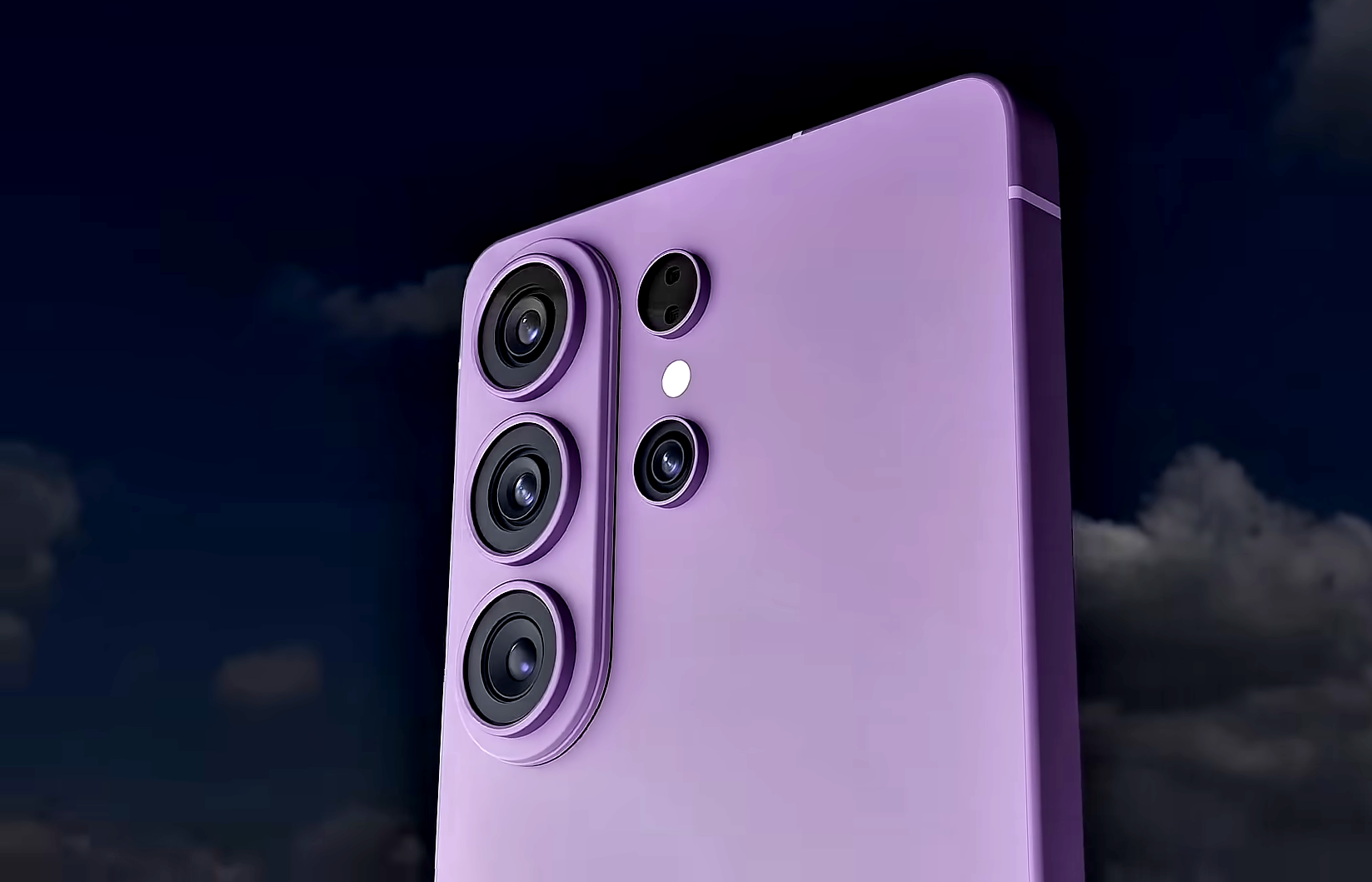
At the center of this rumored leap is an entirely new image processing algorithm, which could make Galaxy S26 Ultra one of the most impressive camera smartphones Samsung has ever produced.
According to multiple sources, these software upgrades are not minor refinements. They reportedly represent a substantial shift in how the phone processes image data after capture. This means real-world photo quality could improve noticeably, even if the hardware changes are not dramatic.
A new image processing algorithm for Galaxy S26 Ultra
Earlier reports indicated that Galaxy S26 Ultra would decisively address skin tone reproduction, an area where even high-end smartphones still struggle. The new algorithm is said to more accurately recognize skin tones under a variety of lighting conditions, from natural daylight to complex artificial lighting.
Recent leaks also reveal that Samsung has significantly upgraded its noise reduction system. This is particularly important for low-light photography and long-range zoom shots. With these improvements, images are expected to appear cleaner, with less grain, while preserving natural detail instead of over-smoothing textures.
Sample images accompanying the leaks show skies with almost no visible noise or uneven color banding - common issues when cameras process wide dynamic ranges. Instead, the sky appears smoother and more uniform. Zoomed images are also said to be noticeably sharper, with clearer detail at longer distances.
Samsung has been aggressively promoting camera upgrades on its new flagship, although current marketing campaigns focus heavily on artificial intelligence rather than specific technical enhancements. Even so, early positive reactions suggest the new camera system could genuinely elevate the photography experience.
Alongside the algorithm changes, Galaxy S26 Ultra is also rumored to receive a hardware upgrade, albeit not as dramatic as some users had hoped.
The rear camera is expected to feature a wider aperture compared to the previous generation. This is reportedly why the camera bump will become more pronounced in the new design. A wider aperture allows the sensor to capture more light, improving performance in low-light or high-contrast environments.
That said, this remains a moderate improvement. Meanwhile, some competitors are rumored to adopt true variable aperture systems, technology that physically adjusts aperture size depending on shooting conditions. Samsung is reportedly sourcing variable aperture modules from suppliers, but it remains uncertain whether this technology will appear in the current generation.
Still, when a wider aperture is combined with the new image processing algorithm and the broader Galaxy AI ecosystem that Samsung is strongly promoting, nighttime photo and video quality on Galaxy S26 Ultra is expected to reach a very high level.
These changes signal that Samsung continues to invest heavily in computational photography, a trend reshaping the entire smartphone camera industry. Instead of merely increasing megapixel counts or installing larger sensors, the company appears to be focusing more on how software interprets and reconstructs images.
This reflects a new design philosophy: hardware captures the data, but software determines the final quality. When algorithms become powerful enough, even modest hardware upgrades can result in meaningful real-world improvements.
Samsung’s emphasis on Galaxy AI in its marketing strategy further suggests that the company wants to position the camera not just as a capture tool, but as a context-aware intelligent imaging system.
Samsung fine-tunes its flagship strategy
More broadly, the improvements on Galaxy S26 Ultra reflect Samsung’s recent strategic adjustments. The company seems to be balancing technological innovation with practical upgrades, rather than pursuing purely headline-grabbing specifications.
Recent advances in other premium product lines show a similar pattern, with more substantial generational improvements instead of minor spec bumps. At the same time, Samsung’s next-generation in-house chipsets are expected to mark a strong comeback for its internal semiconductor platform in future flagships.
Although the Galaxy S26 Ultra design may spark debate, the combination of a wider aperture and advanced image processing brings optimism about the long-term direction of the Galaxy lineup.
Beyond photography, users are also awaiting other enhancements, particularly in battery performance. One of the most persistent criticisms of Samsung’s high-end smartphones in recent years has been battery capacity that does not clearly outperform rivals.
Galaxy S26 Ultra is rumored to support faster charging speeds, a long-awaited upgrade. This raises hopes that Samsung could soon surpass the 5,000mAh battery threshold - a limit many users have been eager for the company to break in future flagship generations.
If that happens, technology communities on X and Threads are unlikely to stay quiet.
Overall, Galaxy S26 Ultra may not represent a hardware revolution, but it could mark a significant step forward in computational photography. As image processing algorithms grow increasingly sophisticated, smartphones move closer to capturing scenes in ways that resemble how the human eye perceives them.
If the leaks prove accurate, Galaxy S26 Ultra may stand as clear evidence that the future of mobile photography lies not only in larger sensors, but in the intelligence behind every shot.
Hai Phong
.svg)
